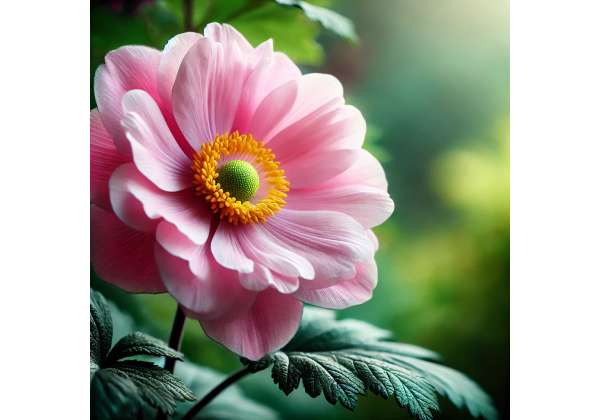
French Rose, botanically known as Rosa gallica, is one of the oldest cultivated roses in Europe and a classic medicinal flower in traditional Western herbalism. Often called apothecary rose, it was valued not just for fragrance, but for its gentle astringency, soothing character, and usefulness in skin, mouth, throat, and digestive preparations. Unlike rose hips, which are better known for vitamin C, French Rose is mainly used for its petals. These petals contain polyphenols, flavonoids, anthocyanins, tannins, and aromatic compounds that help explain the plant’s antioxidant, calming, and tissue-toning reputation.
Modern research adds nuance to that traditional picture. French Rose shows promising antioxidant, skin-protective, and anti-inflammatory activity in laboratory and animal studies, and it appears well suited to mild, supportive use in teas, gargles, syrups, and topical preparations. At the same time, it is not a high-potency clinical herb with well-established human dosing standards. The most sensible way to use French Rose is as a refined, low-intensity botanical that offers comfort, not dramatic intervention.
Quick Summary
- French Rose is best suited for mild throat, skin, and digestive support rather than aggressive therapeutic use.
- Its petals are rich in flavonoids, tannins, anthocyanins, and aromatic compounds that support antioxidant and astringent effects.
- A cautious tea range is about 1 to 2 g dried petals in 200 to 250 mL hot water, once or twice daily.
- Avoid concentrated products if you are highly sensitive to fragrances, have rose allergy, or are pregnant or breastfeeding without professional guidance.
- Foraged petals should not be used if they may have been exposed to pesticides, traffic pollution, or ornamental chemical treatments.
Table of Contents
- What is French Rose?
- Key compounds and actions
- What can French Rose help with?
- How to use French Rose
- How much should you take?
- Safety, interactions, and who should avoid it
- What the research actually shows
What is French Rose?
French Rose, or Rosa gallica, is a historic rose species native to parts of southern and central Europe and western Asia. It is one of the ancestors of many old garden roses and has long been associated with apothecary use, which is why it is often called apothecary rose. In herbal practice, the petals are the main medicinal part. They are used fresh or dried in teas, syrups, conserves, vinegars, infused waters, and topical preparations.
This plant sits in an interesting place between food, fragrance, and medicine. Unlike harsher medicinal herbs, French Rose is generally considered gentle. It is not used because it is strongly bitter, pungent, or stimulating. Instead, it is valued for a more refined set of actions: mild astringency, tissue toning, soothing moisture balance, antioxidant support, and sensory comfort. Historically, rose petals were used in gargles for the mouth and throat, washes for the skin, and preparations for loose stools or heat-related digestive irritation.
French Rose is also different from some other well-known rose remedies. Rose hips are usually chosen for their nutritional profile, especially their vitamin C and carotenoids. French Rose petals, by contrast, are chosen for their polyphenols, tannins, color compounds, and aromatic chemistry. That means the medicinal logic of the petals is less about nutrient replacement and more about local soothing, astringent support, and functional phytochemistry.
There are a few names and contexts readers should recognize:
- French Rose
- Apothecary Rose
- Provins Rose
- Rosa gallica
- dried rose petals in herbal commerce
In traditional European herbalism, French Rose often appeared in formulas aimed at delicate tissues. That included the mouth, throat, stomach, bowel, and skin. It was considered especially useful when tissues felt irritated, warm, mildly inflamed, or overly relaxed. This older language maps fairly well onto the modern idea of a tannin-rich, polyphenol-containing flower that may help support the skin and mucous membranes.
The herb is also culturally important. It was used not only for medicine, but in religious, culinary, and cosmetic settings. That broad use profile matters because it helps explain why French Rose is still relevant today. It is not a niche extract with one narrow target. It is a traditional botanical with several gentle applications.
For readers familiar with resin herbs and floral remedies, French Rose can be understood as a soft, aromatic counterpart to more assertive botanicals. It offers beauty, but not only beauty. It also offers measurable plant chemistry, mild medicinal value, and a long record of use that still makes sense when handled with realistic expectations.
Key compounds and actions
French Rose petals are chemically active in a way that fits their traditional reputation. They are not nutrient-dense in the way seeds or fruits are, but they are rich in secondary plant compounds that influence color, aroma, antioxidant behavior, and tissue effects. This is one reason rose petals continue to appear in both herbal medicine and cosmetic science.
The key compound groups include:
- flavonoids
- anthocyanins
- tannins
- phenolic acids
- ellagitannins
- quercetin derivatives
- kaempferol derivatives
- procyanidins
- aromatic volatile compounds
One useful way to understand French Rose is to divide its chemistry into three overlapping functions.
First, there is the astringent fraction. This is largely driven by tannins and related polyphenols. Astringent plants help tone and lightly tighten tissues. In practical herbal use, that can matter for the mouth, throat, skin, and bowel. It is one reason rose petals appear in gargles, washes, and gentle digestive formulas.
Second, there is the antioxidant fraction. French Rose petals contain anthocyanins, flavonols, and other phenolic compounds that perform well in antioxidant assays. This does not mean drinking rose tea is equivalent to taking a concentrated antioxidant supplement. It means the petals have a defensible chemistry profile that helps explain why they are used in skin, wellness, and food applications.
Third, there is the aromatic and sensory fraction. Rose petals contain volatile compounds that contribute to fragrance and may also support mood, relaxation, and the experience of comfort. This is one place where French Rose bridges herbal medicine and aromatics. Even when the physiological effect is mild, the sensory effect may still be meaningful.
The metabolic analysis of Rosa gallica petals also shows that quercetin compounds are prominent, along with flavanols and anthocyanin pigments such as cyanidin derivatives. That gives the herb a clearer phytochemical identity than many people expect from a simple flower. Readers interested in one of those better-known flavonoids may want extra context on quercetin and its broader botanical role, since quercetin-type compounds are part of what makes French Rose more than just a fragrant garnish.
From a practical standpoint, the likely actions of French Rose include:
- mild astringency
- antioxidant support
- gentle anti-inflammatory activity
- skin-soothing potential
- calming aromatic support
- tissue-toning effects for the mouth and throat
What it likely does not do is act like a high-potency anti-inflammatory drug, a sedative, or a powerful antimicrobial herb. Its strength lies in subtlety. French Rose is a herb for refined support, not for force. That is why it works well in simple preparations and why it is often combined with other gentle herbs rather than used as a lone, aggressive remedy.
What can French Rose help with?
French Rose is best understood as a supportive herb with several low-intensity but meaningful uses. Its benefits are most realistic when the goal is soothing, toning, cooling, or comforting rather than strongly suppressing symptoms. This is not a herb to choose when you want quick, dramatic intervention. It is a herb to choose when a gentle but elegant approach fits the problem.
The most plausible uses are these:
- mouth and throat comfort
- mild skin support
- gentle digestive astringency
- aromatic stress relief
- antioxidant-rich functional tea use
Mouth and throat support is one of the most traditional applications. The tannins and polyphenols in rose petals make them a sensible choice for gargles, rinses, and warm infusions used for mild irritation. In practice, that means French Rose may help when the throat feels slightly inflamed, dry, or overworked, but not when there is severe infection, high fever, or swallowing difficulty.
Skin support is another strong niche. Modern rose-petal research, including work on Rosa gallica, suggests antioxidant, anti-inflammatory, and photoaging-related potential. This supports the long-standing use of rose in facial waters, skin rinses, and mild topical preparations. A cooled rose infusion or properly formulated rose product may be especially appealing for skin that feels warm, reactive, or environmentally stressed.
Digestive support is more traditional than heavily studied, but still credible. French Rose’s gentle astringency may be useful in formulas for loose stools, mild bowel irritation, or hot-weather digestive discomfort. It is not a laxative or a major digestive stimulant. Instead, it tends to work best when the goal is to calm and tone rather than move and purge.
Aromatic emotional support may also matter. The smell of rose has long been associated with calm, emotional softness, and reduced sensory harshness. Direct human evidence for French Rose alone is limited, but the traditional logic is clear, and preclinical work suggests rose extracts may influence stress-related behavior.
In real-world use, French Rose often makes sense for:
- a simple sore-throat tea or gargle
- a skin-soothing rinse or compress
- a refined digestive tea after irritation or heat
- a calming floral formula used for comfort and mood
- culinary-medicinal use in syrups, jams, or infused honeys
What it probably does not do reliably:
- treat major depression
- cure eczema or chronic dermatitis
- eliminate infection on its own
- replace targeted anti-inflammatory treatment
- act as a strong sleep aid
A helpful comparison is chamomile as another gentle soothing flower. Like chamomile, French Rose is often most valuable in the gray zone between food and medicine, where the aim is relief, not force. Its benefits are modest, but that does not make them unimportant. A herb does not need to be intense to be useful. French Rose often succeeds precisely because it is mild, tolerable, and easy to integrate into daily care.
How to use French Rose
French Rose is one of the easier herbs to use well because its traditional forms are simple and flexible. The petals can be taken internally, used topically, or incorporated into culinary preparations that still retain gentle herbal value. The main rule is to choose clean, properly dried petals from a source meant for internal or medicinal use, not florist roses or ornamental petals.
Common ways to use French Rose include:
- tea or infusion
- warm gargle
- cooled skin rinse
- syrup
- glycerite
- infused honey
- rose vinegar
- herbal jam or conserve
- bath infusion
- facial steam used cautiously
A tea or infusion is the most straightforward choice. This works well for mild throat irritation, digestive comfort, or a calming floral drink. The taste is slightly sweet, floral, and faintly astringent. Many people find it easier to drink than stronger medicinal herbs, which makes consistency easier.
A gargle is especially useful when the target is the mouth or throat. In this case, the astringent action matters more than deep systemic absorption. A warm, strong infusion used once or several times daily can be a traditional, elegant option for simple soreness or tissue irritation.
A cooled infusion or compress is the most accessible topical form. This can be used on mildly irritated skin, after sun exposure, or as a general soothing rinse. It is also one reason rose preparations show up in skin care so often.
A syrup or infused honey can be appealing when the goal is throat comfort, palatability, or combining French Rose with other gentle botanicals. These forms are pleasant, but sugar content matters, especially for frequent use.
A culinary use is also legitimate. Rose petals in jams, syrups, desserts, and vinegars are not merely decorative. They may still deliver flavor-active and polyphenol-rich benefits, especially when handled gently.
A cautious preparation approach looks like this:
- Use only food-grade or medicinal-grade petals.
- Steep in freshly boiled water and cover the cup.
- Strain after about 10 to 15 minutes.
- Use stronger infusions for gargles or compresses.
- Refrigerate leftover liquid and discard if it loses freshness.
French Rose also works well in combination. It can soften rougher herbs, improve taste, and make formulas feel more tolerable. For topical soothing, it may pair conceptually with calendula in gentle skin care, though the two herbs are not identical. Rose tends to feel more cooling and refined, while calendula is often used more directly for rough or irritated tissue.
The most important practical point is this: French Rose works best in simple, fresh, low-drama forms. It does not need to be concentrated into an extreme extract to be useful. In fact, over-processing can make it less elegant and less suited to the gentle purposes for which it is best known.
How much should you take?
There is no widely accepted clinical dose established specifically for Rosa gallica in modern herbal medicine. That means dosage should stay conservative and should reflect the fact that French Rose is mainly used as a gentle flower herb, not a standardized pharmaceutical-like extract.
For most adults, the most reasonable starting point is an infusion made from dried petals.
A cautious tea range is:
- 1 to 2 g dried petals
- in 200 to 250 mL hot water
- steeped for 10 to 15 minutes
- once or twice daily
If the tea is being used mainly as a gargle, the amount can be a little stronger because the goal is more local than systemic. In that case, some people use around 2 to 3 g of petals per cup and gargle several times daily.
For topical compresses or rinses, a stronger infusion may also be reasonable. Since it is used externally, the concern shifts from systemic dose to freshness, hygiene, and skin tolerance.
For rose syrup or honey, dose is harder to standardize because concentration varies widely. In practice, a spoonful taken occasionally for throat comfort is more sensible than repeated large servings. For rose water or hydrosol products, the amount depends on the form and intended use. These are usually applied sparingly rather than measured in grams.
A few variables can justify a lower starting amount:
- fragrance sensitivity
- pollen or flower allergy history
- very reactive digestion
- use in a blended formula with several herbs
- uncertainty about petal quality
A few things do not justify raising the dose on your own:
- persistent pain
- spreading rash
- worsening digestive symptoms
- severe throat symptoms
- symptoms that continue beyond a short self-care window
Timing depends on the purpose. A soothing tea may be taken after meals if the target is digestion, or between meals if the target is throat comfort or general calm. Rose preparations intended for mood or sensory comfort are often more enjoyable in the evening, though French Rose is not a sedative.
One good dosing principle is to keep the amount consistent rather than large. French Rose is a herb that tends to reward regular, modest use more than occasional heavy use. If you want a stronger digestive or respiratory herb, something like peppermint for more direct digestive support may be easier to feel clearly.
A practical range for most people is therefore simple: start with 1 cup of mild infusion daily, then increase to 2 cups if it suits you. That is enough for a fair trial. If the herb only seems useful at amounts that feel irritating, overly perfumed, or hard to tolerate, that is usually a sign to change the preparation or choose a different herb.
Safety, interactions, and who should avoid it
French Rose is generally considered a low-risk herb when used as a tea, gargle, or food-grade petal preparation. But “gentle” does not mean risk-free. The main safety issues are product quality, fragrance or pollen sensitivity, topical irritation, and lack of strong data for concentrated use in special populations.
The first issue is source quality. Rose petals sold for decoration, potpourri, or ornamental gardening should not be assumed safe for tea or medicine. Many roses are treated with pesticides, fungicides, or fragrance preservatives. If you would not confidently eat the petals, do not make medicine from them either.
The second issue is allergy or sensitivity. Some people react to flowers, fragrances, or pollen-related compounds more strongly than expected. This can show up as:
- mouth irritation
- rash
- sneezing
- headache
- nausea from scent
- skin irritation from topical use
The third issue is form and concentration. A mild petal infusion is very different from a concentrated extract, essential oil, or heavily perfumed cosmetic product. Essential oils and aroma concentrates are more likely to irritate skin or trigger headaches. They also should not be treated as interchangeable with whole petals.
Pregnancy and breastfeeding deserve a cautious note. Food-level use of rose in ordinary culinary amounts is generally less concerning than concentrated extracts, but there is not enough modern evidence to recommend heavy medicinal use without guidance. The same conservative logic applies to children. A light gargle or small amount of tea may be reasonable in some contexts, but concentrated internal use is not well studied.
Potential interactions are not strongly documented, but tannin-rich herbs can sometimes interfere slightly with absorption when taken at the same time as iron supplements or certain oral medicines. That does not make French Rose highly interactive. It just means separation by an hour or two can be a sensible habit for people using supplements or important medications.
Who should avoid it, or use it only with care:
- people with known rose or floral allergy
- those highly reactive to fragrance
- pregnant or breastfeeding people using concentrated extracts
- children using anything stronger than mild traditional forms
- anyone using petals from unknown ornamental sources
- people with severe mouth, throat, or skin symptoms that need diagnosis
It is also important to know when rose is not the right tool. French Rose should not be used as self-treatment for severe sore throat with fever, infected skin, facial swelling, breathing trouble, blood in the stool, or persistent digestive distress. In those settings, the problem is not that rose is “bad.” It is simply too mild for the seriousness of the situation.
French Rose is safest when used as it has traditionally been used: gentle, clean, modest, and appropriate to the complaint.
What the research actually shows
The research on Rosa gallica is promising, but it is still much stronger at the preclinical and functional-food level than at the level of large human clinical trials. That is an important distinction. French Rose has real chemistry and real biological activity. It also has clear limits in terms of evidence strength.
What the evidence supports reasonably well:
- Rosa gallica petals contain a wide range of polyphenols, flavonols, tannins, and anthocyanins.
- Petal extracts show antioxidant activity.
- Preclinical work supports anti-inflammatory and skin-protective potential.
- Animal research suggests possible anti-stress effects.
- Metabolic profiling confirms that French Rose is chemically richer than a simple ornamental flower.
What the evidence supports only cautiously:
- reliable oral benefits in humans for mood
- meaningful digestive treatment effects
- clinical treatment of chronic skin disease
- standardized dosing for medicinal outcomes
- long-term concentrated use
The strongest species-specific modern evidence clusters around skin and oxidative-stress research. French Rose petal extracts have shown anti-photoaging, anti-inflammatory, whitening-related, and wrinkle-related activity in laboratory, animal, and cosmetic study settings. These findings are relevant, but they still do not make French Rose a proven medical treatment for skin disease. They suggest it is a promising cosmetic-functional botanical with legitimate topical value.
A second, smaller line of evidence involves stress-related effects. In mice, hydroalcoholic extract of Rosa gallica officinalis showed anti-stress effects. That is interesting and useful, but it should not be overstated. Mouse stress data do not equal proven anxiolytic effects in people.
A third line of evidence comes from phytochemical analysis. Detailed metabolic studies help confirm exactly what the petals contain, including high flavonol content and meaningful anthocyanin presence. This is not a clinical outcome by itself, but it strengthens confidence that traditional use is rooted in real plant chemistry.
A balanced evidence ranking looks like this:
- strongest: phytochemistry and antioxidant potential
- moderately strong: skin-related preclinical and cosmetic-functional evidence
- suggestive: anti-stress animal data
- limited: direct human medicinal outcomes
That means French Rose is not merely symbolic, culinary, or ornamental. It has enough evidence to be taken seriously as a gentle medicinal flower. But it is also not a top-tier evidence-based herbal medicine with strong clinical guidelines.
The most honest conclusion is that French Rose belongs in the category of elegant, low-risk, low-intensity botanicals that can add real value when used appropriately. Its best role is as a soothing adjunct, a refined topical and throat herb, and a phytochemically interesting flower with a long tradition and a growing modern rationale.
References
- Recent Advances in Bioactive Compounds, Health Functions, and Utilization of Rose (Rosa spp.) 2025. (Systematic Review)
- Detailed Metabolic Characterization of Flowers and Hips of Rosa gallica L. Grown in Open Nature 2023.
- Beneficial medicinal effects and material applications of rose 2023. (Review)
- Oral Administration of Rosa gallica Prevents UVB-Induced Skin Aging through Targeting the c-Raf Signaling Axis 2021.
- Anti-stress effects of the hydroalcoholic extract of Rosa gallica officinalis in mice 2019.
Disclaimer
This article is for educational purposes only and does not replace medical advice, diagnosis, or treatment. French Rose is a gentle traditional herb, but its effects depend on the quality of the petals, the preparation used, and the person using it. Most of the stronger evidence for Rosa gallica is preclinical or cosmetic-functional rather than large-scale clinical evidence. Use extra caution with concentrated extracts, essential oils, and unknown petal sources, and seek professional guidance if you are pregnant, breastfeeding, taking prescription medicines, or managing significant skin, throat, digestive, or allergy-related symptoms.
If this article was helpful, please share it on Facebook, X, or your preferred platform to help more readers find thoughtful, safety-aware herbal information.