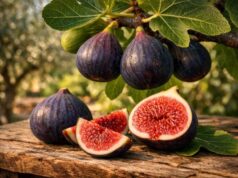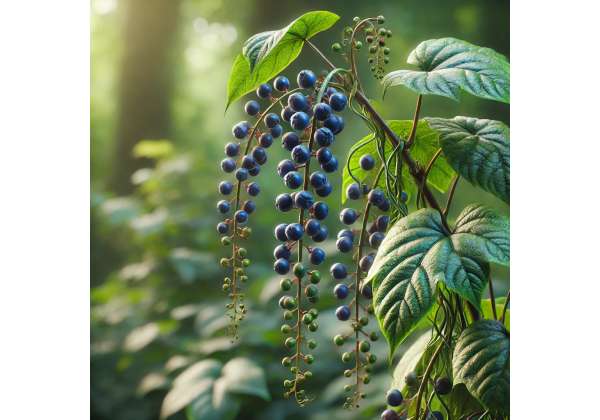
Frost grape, or Vitis vulpina, is a wild North American grape valued more as a functional food and traditional folk plant than as a standardized modern supplement. Its small, dark berries are famously tart before frost and noticeably sweeter afterward, which explains both the common name and the plant’s long use in jellies, juices, and late-season gathering. What makes frost grape especially interesting is the combination of species-specific tradition and broader grape science: the fruit, skin, seeds, and stems contain anthocyanins, proanthocyanidins, flavonols, phenolic acids, and other compounds linked with antioxidant and anti-inflammatory activity.
Still, this is not a plant with strong human clinical trials under its own name. Most of the more polished research comes from the grape family as a whole or from cultivated grape products such as grape seed extract. That means frost grape is best understood as a wild edible with plausible health value, not a proven treatment. The practical questions are therefore the right ones: what it contains, what benefits are realistic, how to use it well, how much makes sense, and where caution matters most.
Quick Overview
- Frost grape is best viewed as a wild edible fruit with polyphenol-rich skins and seeds rather than a strongly validated medicinal herb.
- Its most plausible strengths are antioxidant support, vascular-friendly polyphenols, and useful culinary value after frost.
- A practical food range is about 75 to 150 g fresh fruit, or 120 to 240 mL unsweetened juice, depending on tartness and tolerance.
- Do not eat self-collected fruit unless identification is certain, because wild grapes can be confused with poisonous moonseed.
- Anyone with grape allergy, poorly controlled blood sugar, or interest in bark, twig, or leaf remedies should use extra caution.
Table of Contents
- What Is Frost Grape
- Key Compounds in Frost Grape
- Potential Benefits and Properties
- How Frost Grape Is Used
- How Much Frost Grape Per Day
- Safety Side Effects and Who Should Avoid It
- What the Evidence Actually Says
What Is Frost Grape
Frost grape is a wild grapevine native to much of eastern and central North America. Botanically, it belongs to the Vitaceae family and is classified as Vitis vulpina. The vine climbs by tendrils, can grow very large when supported by trees or fences, and produces small, dark berries that ripen in late summer into autumn. The fruit is usually sharply tart when it first ripens and becomes noticeably sweeter after exposure to cold weather, which is the detail most people remember about it.
That late sweetening is more than folklore. It shapes how the fruit is actually used. Many people do not enjoy frost grapes straight off the vine early in the season because the acidity can be intense. After frost, however, the berries soften in flavor and become more suitable for jelly, syrup, juice, and preserves. In that sense, frost grape behaves more like a preserving fruit than a dessert grape.
One complication is naming. “Frost grape” is not always used consistently in field guides, local tradition, or horticultural writing. Vitis vulpina has also been confused historically with riverbank grape and with older botanical synonyms such as Vitis cordifolia. For foragers and readers, that means the scientific name matters. A common name alone is not always precise enough when safety or medicinal use is involved.
Culturally, frost grape belongs to a long North American wild-fruit tradition. Ethnobotanical records show that Indigenous communities used the fruit after frost for jelly and food, and some records also mention medicinal uses of sap and boiled twigs. These uses are historically important, but they should not be mistaken for modern clinical proof. They tell us the plant was useful and familiar, not that every historical remedy has been tested to current standards.
From a health perspective, frost grape is best classified as a nutrient-bearing wild fruit with medicinal potential. That is different from a concentrated herbal extract. Its most useful role is likely as a whole fruit or minimally processed food, where fiber, acids, pigments, and polyphenols stay together in the natural matrix. This puts it closer to other dark wild fruits such as blackberry as a nutrient-dense preserving berry than to a formal apothecary herb.
So what is frost grape, in practical terms? It is a tart wild grape that becomes sweeter after frost, has a long tradition as a food and folk-use plant, and offers enough phytochemical interest to justify attention. It is not obscure because it lacks value. It is obscure because most modern grape research has focused on cultivated grapes and commercial extracts instead.
Key Compounds in Frost Grape
The chemistry of frost grape is best understood in two layers. First, there is what is known about wild Vitis species, including North American grapes studied for berry polyphenols. Second, there is what is broadly known about grapes as a food group. Frost grape sits at the overlap of those two layers. Species-specific human data are limited, but the plant almost certainly shares the main grape polyphenol families that drive interest in dark grape fruits.
The most important compound groups include:
- Anthocyanins, which give dark grapes much of their red, purple, or blue-black color.
- Flavan-3-ols and proanthocyanidins, especially concentrated in seeds.
- Flavonols such as quercetin derivatives, usually more concentrated in skins.
- Phenolic acids, including hydroxycinnamic and hydroxybenzoic acids.
- Stilbenes, the class that includes resveratrol, though levels vary widely by species, tissue, and growing conditions.
- Organic acids such as tartaric and malic acids, which strongly affect taste and post-frost palatability.
This matters because different parts of the berry do different jobs. The pulp contributes water, sugars, acids, and some phenolics, but the richest polyphenol zones are usually the skins and seeds. That is one reason whole-fruit processing methods, skins-on juice, and traditional jellies made from crushed berries can differ nutritionally from heavily filtered sweetened grape beverages.
Wild Vitis species are especially interesting because some have shown polyphenol patterns that are more diverse, and in some cases more concentrated, than the best-known cultivated wine grape. Studies of ripe berries from multiple wild grape species have identified broad variation in anthocyanins, flavonols, flavanols, hydroxycinnamic acids, and hydroxybenzoic acids. The practical lesson is not that every frost grape berry is a nutritional outlier. It is that wild grapes are chemically richer and more variable than many people assume.
Seeds deserve special mention. Across grapes, seeds are typically the main reservoir of extractable polyphenols, especially proanthocyanidins. This is why commercial grape seed extracts are so heavily studied. Frost grape seeds are small and not eaten for supplement purposes, but they still contribute to the chemistry of juices, cooked preserves, and whole-berry preparations.
The tartness of frost grape also has practical meaning. Before frost, the fruit’s acidity can overpower its sugars. After frost, some of the sensory balance changes, making the berry feel sweeter and more usable. That sensory change does not erase the phenolics. It just makes the fruit more acceptable.
If you are trying to picture frost grape’s compound profile, think of a dark wild grape with the same broad polyphenol logic that makes berry-rich foods interesting in general. It is not identical to cultivated table grapes, and it should not be treated as standardized like a supplement. But its combination of pigments, seed tannins, skin flavonols, and tart organic acids gives it a credible phytochemical profile, similar in broad nutritional logic to aronia as another strongly pigmented fruit.
Potential Benefits and Properties
The most realistic way to discuss frost grape’s benefits is to distinguish between whole-fruit benefits, genus-level grape evidence, and species-specific uncertainty. Frost grape likely has useful antioxidant and food-based health value, but it is not supported by large human trials under its own name. That means the fruit deserves respect without exaggeration.
Its most plausible benefits include the following.
- Antioxidant support.
Frost grape’s dark pigments and polyphenol-rich skins and seeds give it a credible antioxidant profile. In food terms, that means it may help contribute to a diet that protects against oxidative stress rather than acting like an instant therapeutic intervention. - Vascular and cardiometabolic support.
Grape polyphenols more broadly are often studied for effects on endothelial function, inflammation, platelet activity, and metabolic markers. It is reasonable to see frost grape as part of that larger grape pattern, especially when eaten as fruit rather than as candy or sweetened juice. - Mild anti-inflammatory potential.
Polyphenols in grapes are linked with anti-inflammatory signaling in lab and clinical research on grape products. Frost grape may share some of that potential, though species-specific confirmation is still thin. - Digestive and culinary value.
Whole fruit, traditional jelly, and minimally sweetened juice can increase dietary variety and provide acids, pigments, and some fiber. That is a quieter benefit than supplement marketing suggests, but it is often the more honest one. - Traditional folk use.
Historical records mention the use of frost grape sap, twigs, or related plant parts in folk medicine. These uses are part of the plant’s story, but they are not the same as clinically established benefits.
The key phrase here is “may support,” not “treats.” A whole fruit can improve dietary quality and still fall far short of a disease claim. Frost grape is not a validated drug for circulation, inflammation, gut disease, or liver complaints. What it can reasonably offer is the familiar benefit pattern of dark polyphenol-rich fruit, with the added interest of being a wild Vitis species rather than a commercial cultivar.
This is also where preparation changes the outcome. Unsweetened fruit and skins-on preparations fit the strongest health logic. Sweet jelly eaten in large amounts is still a sugar-rich preserve, even if it began as a wild fruit. Likewise, commercial grape seed extract evidence should not be copied directly onto frost grape fruit itself. The compounds overlap, but the dose and form do not.
For many readers, the practical outcome is simple. Frost grape makes the most sense as a seasonal, tart, whole-food ingredient that may support cardiometabolic and antioxidant goals when it replaces less useful foods. That is more grounded than calling it a miracle fruit, and more useful than dismissing it as just another wild berry.
If you want a comparison point, frost grape belongs in the same broad “deep-colored fruit with polyphenol interest” conversation as bilberry and related dark berry foods, though the research tradition for frost grape itself is much smaller.
How Frost Grape Is Used
Frost grape has always made the most sense as a practical plant. Its uses are shaped by flavor, season, and form. Because the berries are usually very tart before frost, most people use them after cold weather has improved the balance of sugar and acidity. This timing is one of the most distinctive features of the plant and explains why it often appears in regional food traditions rather than in polished supplement catalogs.
The main uses are culinary.
- Fresh eating after frost.
Some people enjoy the berries raw once the tartness softens, though the small size, seeds, and acidity still make them more of a forager’s fruit than a supermarket snack. - Jelly and preserves.
This is probably the most classic use. The intense flavor and natural acidity suit jelly-making well, and the fruit’s late-season harvest window makes it a traditional preserving grape. - Juice and syrup.
Frost grape juice can be flavorful but tart. It is often better diluted or sweetened modestly rather than treated like a mild table grape juice. - Wine and vinegar.
Wild grape species have long been used in small-scale fermentation. With frost grape, this is more a regional food craft use than a health use. - Leaves and wraps.
Some horticultural and edible-plant sources note that the leaves can be used as wraps for baked foods, much like other grape leaves.
Traditional medicinal uses are narrower and less standardized. Ethnobotanical records describe sap, twig tea, and branch or leaf uses for digestive, postpartum, and other folk purposes. These uses are worth noting, but they should be handled as historical knowledge rather than current self-treatment instructions. A person reading about boiled twigs for stomach complaints should understand that this is not the same as a modern clinically tested protocol.
One of the most useful modern distinctions is this: frost grape fruit use is more defensible than bark, twig, or leaf remedy use. Food use is familiar, lower risk, and easier to dose. Folk medicinal use is much less standardized. That makes the fruit the better entry point for most people.
Practical preparation tips matter too:
- Harvest only when identification is certain.
- Wait for better flavor rather than forcing very sour early fruit.
- Use whole berries for preserves when possible to capture more of the fruit matrix.
- Watch added sugar, especially in syrups and jellies.
- Strain carefully if seeds or skins are not desired in the final product.
Because of its strong tartness, frost grape is often more successful in kitchen preparations than in casual snacking. That gives it a similar culinary role to cranberry as a tart fruit used more often in preparations than out of hand.
The practical bottom line is that frost grape is most useful as a seasonal food plant. Its strongest modern use is not as a capsule or tincture. It is as a well-identified wild grape made into thoughtful, moderate, fruit-based preparations.
How Much Frost Grape Per Day
Because frost grape is mainly a food, “dosage” is really about serving size, frequency, and preparation rather than milligram targets. There is no validated medical dose for Vitis vulpina fruit, and there is even less reliable guidance for folk uses involving twigs, sap, bark, or leaves. The safest and most practical dosing approach is therefore food-based.
A sensible adult serving range looks like this:
- Fresh fruit: about 75 to 150 g per sitting.
- Unsweetened juice: about 120 to 240 mL.
- Jelly or preserves: about 1 to 2 tablespoons as a condiment, not as a health dose.
- Cooked sauce or syrup: a small portion, adjusted for sugar content.
That range works because frost grape is intense. The fruit is small, seeded, and acidic enough that most people do not overeat it raw. A moderate bowl or a glass of unsweetened or lightly diluted juice is usually more realistic than large fruit portions. If the juice or preserve is sweetened heavily, the useful intake may actually be lower, because excess added sugar changes the health profile more than it improves the medicinal one.
The most important variable is form.
- Whole fruit gives the most balanced food matrix.
- Juice provides acids and polyphenols but removes some fiber.
- Jelly and syrup are enjoyable, but can turn a functional fruit into a dessert if sugar is high.
- Seed extracts and commercial grape supplements should not be treated as equivalents of frost grape fruit.
This is where many people get tripped up. They read about proanthocyanidins or grape seed extract trials and then assume that more frost grape must be better. That is not how it works. A wild fruit serving is a food amount. A capsule standardized for grape seed compounds is a supplement amount. They may belong to the same plant family logic, but they are not interchangeable.
For traditional folk preparations made from twigs or other nonfruit parts, there is no solid modern dosing standard. The most cautious position is to avoid turning historical mentions into precise modern recommendations. If someone still chooses a mild traditional-style tea, it should be weak, short term, and not used as a substitute for medical care.
Frequency is flexible. Frost grape can be eaten seasonally whenever available, and preserves can be used in modest amounts year-round. A realistic pattern might be:
- Fresh fruit in season when correctly identified.
- Small servings of juice or preserves later in the year.
- No assumption that daily use is necessary for benefit.
In practice, frost grape works best as part of a rotation of fruits, not as a single “superfruit” taken every day. That keeps the diet broader and the expectations more realistic.
Safety Side Effects and Who Should Avoid It
For most healthy adults, frost grape fruit is safest when treated as a food. The main safety issues are not usually pharmacological. They are identification, preparation, digestive tolerance, and context. This is a major advantage over more potent herbs, but it also means the most important cautions are practical.
The first and most important warning is correct identification. Wild grapes can be confused with poisonous moonseed. This is not a minor detail. If there is any uncertainty, do not eat the fruit. The berries can look similar at a glance, but moonseed fruit contains a single crescent-shaped seed, while wild grapes have several oval or teardrop-shaped seeds. Grape vines also have tendrils, and grape leaves have toothed margins. Foraging without confidence is not worth the risk.
The second issue is acidity and sugar balance. Before frost, the fruit can be very tart and may irritate sensitive mouths or stomachs. In syrup, juice, or jelly form, the opposite problem appears: added sugar can turn a potentially healthful fruit into a concentrated sweetener source. People with diabetes, reactive blood sugar swings, or strong reflux may do better with smaller portions or whole fruit instead of sweetened products.
Other possible concerns include:
- Mild digestive upset from very tart fruit or large servings.
- Rare grape allergy.
- Choking risk from seeds in young children.
- Tooth sensitivity if the juice is very acidic.
- Overreliance on folk medicinal preparations that have not been standardized.
Concentrated extracts bring a different level of caution. Grape-derived supplements, especially grape seed extracts, can have physiological effects that are more pronounced than fruit servings. Frost grape itself is not a standardized supplement, so homemade concentrated extracts are harder to predict and easier to misuse. That is one reason whole-fruit use is usually the better choice.
Certain groups should be more careful:
- Anyone unsure of plant identification.
- People with a grape allergy.
- People with poorly controlled blood sugar who rely on sweetened juice or jelly.
- Pregnant or breastfeeding individuals considering folk medicinal use of twigs, sap, or leaves.
- People taking multiple medications and wanting to experiment with concentrated grape extracts rather than fruit.
A practical household warning also matters: do not give frost grapes or raisins made from any wild grape to dogs. Grapes and raisins are well known as a pet toxicity concern, even though the exact mechanism is still not fully predictable from case to case. That advice applies to wild grapes too.
The final safety point is one of tone. Frost grape is safer as food than as medicine. If you want the fruit, use it as fruit. If you want a strong, evidence-backed supplement, look elsewhere rather than forcing frost grape into a role it has not clearly earned.
What the Evidence Actually Says
The evidence for frost grape is a mix of tradition, species-level botanical knowledge, wild-grape chemistry, and broader grape research. That mix is useful, but it needs to be read honestly. Vitis vulpina itself does not have a robust human clinical literature showing that eating frost grape reliably improves blood pressure, lowers inflammation, or treats any specific condition. Most of the strongest human evidence belongs to cultivated grape products, grape seed extracts, or grape-polyphenol research at the genus level.
What frost grape does have is a credible evidence base in three areas.
First, it has ethnobotanical support. Historical sources clearly show that Indigenous communities used the fruit as food after frost and also used some nonfruit plant parts medicinally. This is meaningful evidence of longstanding human familiarity, but it is not the same as modern proof of efficacy.
Second, it has plausible phytochemical support. Studies on wild Vitis berries show that wild grape species can be rich in anthocyanins, flavonols, flavanols, and phenolic acids. That gives frost grape a believable biochemical basis for antioxidant and food-based health value, even when the exact species is not the focus of every paper.
Third, it benefits from broader grape science. Modern reviews on grapes and grape-derived compounds repeatedly support the importance of grape polyphenols for antioxidant activity, anti-inflammatory signaling, cardiometabolic interest, and food applications. This does not prove that frost grape itself performs identically to grape seed extract or cultivated wine-grape preparations, but it does put the fruit in a scientifically credible family context.
What the evidence does not support strongly is just as important.
- There is no established medicinal dose for frost grape fruit or twig tea.
- There are no major randomized trials specifically on Vitis vulpina fruit.
- There is no basis for presenting frost grape as a treatment for cancer, diabetes, urinary disease, or liver disease.
- There is not enough evidence to recommend concentrated homemade extracts.
This leads to the most balanced conclusion. Frost grape is evidence-informed, not evidence-settled. It makes the most sense as a wild edible grape with credible polyphenol value, traditional food and folk-use history, and limited species-specific modern data. That is a narrower claim than many “health benefits” articles make, but it is the more useful one.
For readers who want the cleanest comparison, frost grape is closer to a traditional wild fruit with promising chemistry than to a supplement with standardized clinical backing. In that sense, it belongs less with capsules and more with careful seasonal foods and other polyphenol-rich fruits such as lingonberry in the broader tart-berry tradition.
That may sound modest, but it is also the right expectation. Frost grape earns interest because it is real, useful, and chemically interesting. It does not need inflated claims to be worth knowing.
References
- The Bioaccessibility of Grape-Derived Phenolic Compounds: An Overview 2025 (Review)
- Valorization of Grape Pomace: A Review of Phenolic Composition, Bioactivity, and Therapeutic Potential 2024 (Review)
- Bioactive Compounds, Health Benefits and Food Applications of Grape 2022 (Review)
- Polyphenolic composition and content in the ripe berries of wild Vitis species 2012
- Ethnobotany of the Ojibwe Indians 1932
Disclaimer
This article is for educational purposes only and does not replace medical advice, diagnosis, or treatment. Frost grape is best approached as a wild edible fruit, not as a substitute for prescribed therapy. Species-specific human research is limited, and self-treatment with nonfruit plant parts, concentrated extracts, or foraged plants of uncertain identity can create avoidable risk. Seek qualified guidance if you are pregnant, breastfeeding, managing diabetes, taking regular medication, or unsure about wild-plant identification.
If you found this article helpful, please share it on Facebook, X, or your preferred platform.