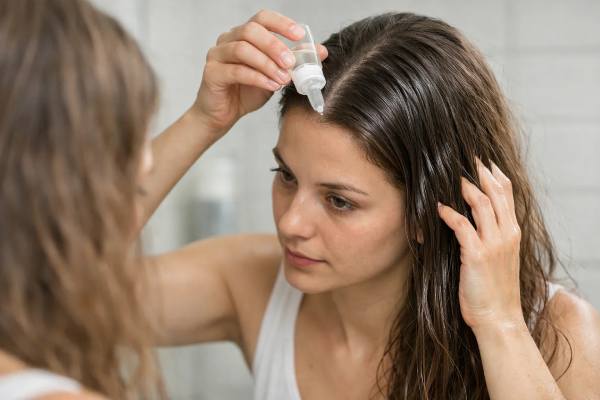
Glycolic “lamination” gloss sits at the intersection of hair science and beauty marketing. It promises the things most people want right away: more shine, a smoother surface, less frizz, softer movement, and hair that looks healthier after one wash. The appeal is easy to understand. When the cuticle lies flatter and the fiber reflects light more evenly, dull hair can look polished without a dramatic color or texture change.
What makes this trend confusing is that “lamination” is not a standardized technical term. On one label, it may mean an acidic glossing mask with glycolic acid. On another, it may hint at a stronger salon smoothing service with a very different chemistry and a very different risk profile. That gap matters. Some formulas mainly improve feel and appearance on the hair surface, while others involve heat, stronger acids, or treatment systems that can stress both the shaft and the scalp.
A useful article on this topic has to separate those versions clearly. The real question is not whether a glycolic gloss can make hair shinier. It can. The better question is when it helps, when it backfires, and who should step away.
Key Insights
- A glycolic gloss can improve shine, slip, and frizz control by smoothing the hair surface rather than truly rebuilding damaged hair.
- The best results usually show up on dull, rough, or lightly damaged hair that needs a smoother finish more than deep structural repair.
- Overuse can leave hair dry, rough, or more fragile, especially if the hair is already bleached, heat-damaged, or highly porous.
- Scalp stinging, burning, or itching is a sign to stop, not push through.
- For first use, apply mainly from mid-lengths to ends and space treatments about every 2 to 4 weeks unless the specific formula is designed for more frequent use.
Table of Contents
- What Glycolic Lamination Gloss Actually Is
- Benefits and What It Can Realistically Improve
- Risks and Where Things Go Wrong
- Who Should Avoid It or Pause It
- How to Use It More Safely
- How It Compares with Other Smoothing Options
What Glycolic Lamination Gloss Actually Is
A glycolic “lamination” gloss is usually an acidic hair treatment designed to make the fiber feel smoother, look shinier, and behave more neatly. The term sounds technical, but in practice it is mostly a marketing phrase. Unlike eyelash lamination, which refers to a defined salon process, hair “lamination” can describe several different product styles: rinse-out gloss masks, post-shampoo smoothing treatments, acidic sealers, or salon services that promise a glassy finish.
The glycolic part matters because glycolic acid is a small alpha-hydroxy acid. In hair care, its most useful role is usually not dramatic resurfacing, as in a facial peel, but acidifying the formula and influencing how the hair surface behaves. Hair tends to become rougher and more swollen when it is pushed toward the alkaline side. An acidic formula can help reduce that swollen, lifted-cuticle feel and make the surface reflect light more evenly. That is where the “gloss” effect comes from.
That does not mean the treatment literally laminates the strand like a sheet of plastic. It also does not mean it permanently repairs internal structural damage. A better mental model is this: it helps create a sleeker outer finish and may improve how conditioning agents sit on the hair. On rough, porous hair, that can make a visible difference in shine, softness, and frizz. On already healthy hair, the effect may be subtle.
Another reason the category is confusing is that not every “acid gloss” or “lamination” service relies on the same chemistry. Some at-home products are basically acidic masks with a shine angle. Some salon services drift closer to heat-activated smoothing systems. That distinction is important because a gentle rinse-out gloss and a high-heat acid treatment should not be judged by the same safety standard.
So where does glycolic gloss fit in the bigger hair-care picture? It is best seen as a surface-refining treatment. It may improve tactile feel, reduce roughness, and make damaged cuticles look more orderly for a while. But it is not a cure for split ends, severe protein loss, or deep chemical injury. Hair that is heavily weathered often needs more than shine.
This is why expectations matter. If someone uses a glycolic gloss hoping for mirror-like shine and easier detangling, the treatment may feel impressive. If they expect it to reverse months of bleaching or make broken hair structurally whole again, disappointment is much more likely. The effect is real, but the mechanism is modest.
Benefits and What It Can Realistically Improve
The strongest case for a glycolic lamination gloss is cosmetic performance with relatively low commitment. Used well, it can make hair look neater and feel more cooperative after a single treatment. That is not a trivial benefit. For many people, hair that tangles less, reflects more light, and dries with fewer fuzzy edges is exactly the goal.
The first benefit is improved shine. Hair looks glossy when its surface is smooth enough to reflect light in a more uniform way. Rough cuticles scatter light, which is why dry or overworked hair often looks dull even when it is clean. An acidic gloss can help the cuticle sit flatter, which creates a shinier finish.
The second benefit is reduced frizz and better slip. When the outer surface feels smoother, strands catch on each other less. That often shows up as easier detangling, softer ends, and fewer flyaways. It can be especially noticeable on hair that is mildly porous, color-treated, or weathered by heat styling.
The third benefit is a more polished feel without a heavy coating. Some richer masks make hair soft but limp. Glycolic-based glosses often aim for a lighter finish: less roughness, more reflection, but not always a thick, buttery after-feel. For fine or medium-density hair, that balance can be a genuine advantage.
There is also a practical styling benefit. When the surface is smoother, brush tension and blow-drying can feel easier and faster. That does not mean the product is heat protection by itself, but hair that lies flatter often responds better to moderate styling. Readers comparing this trend with traditional gloss treatments for shine and frizz control should think of glycolic gloss as one version of the same general promise: better-looking hair without a permanent structural change.
Still, the benefits have clear limits. A glycolic gloss can improve the appearance of damage more easily than the damage itself. It can make split ends look less obvious for a short time, but it does not fuse them. It can make brittle hair feel smoother, but it does not replace lost protein in a lasting way. It can help a rough cuticle behave better, but it cannot fully rebuild hair that has been repeatedly bleached, relaxed, or overheated.
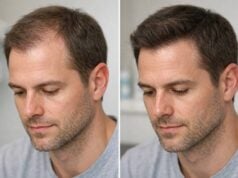
That is where a lot of consumer confusion begins. Many viral demos show hair moving from frizzy to sleek in minutes, which is true enough in a before-and-after sense. But the visual result is not proof of deep repair. It is proof that the surface has been temporarily improved.
For the right user, that is still worthwhile. If your hair is dull, slightly rough, mildly frizzy, or hard to detangle, a glycolic gloss may be one of the simpler ways to improve how it looks and feels. The key is to value it for what it does well instead of asking it to do a job it was never designed to do.
Risks and Where Things Go Wrong
A glycolic gloss sounds gentler than bleach or a relaxer, and in many cases it is. But “gentler” does not mean risk-free. Most problems happen when the formula is too strong for the hair, used too often, applied to the scalp when it should stay on the lengths, or confused with a more aggressive heat-activated acid treatment.
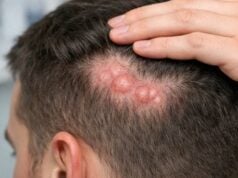
The most common risk is surface irritation or dryness. Acids can sting compromised skin, especially if the scalp already has micro-injury from scratching, brushing, sunburn, eczema, psoriasis, or seborrheic dermatitis. A product that feels fine on healthy skin can burn sharply on inflamed skin. That is one reason people who react to beauty products often need to think in terms of allergy versus irritation from hair products rather than assuming every bad reaction is the same.
The next risk is hair that feels worse after repeated use. This surprises people because acidic products are often sold as smoothing. But hair that is already highly porous or fragile can become rougher if a treatment routine turns into overprocessing. If the cuticle is already compromised, too much acid exposure, too much manipulation, or too many layered treatments can leave the strand less elastic and more breakage-prone. The problem is often not one treatment. It is the stacking: gloss, then heat, then another acid product, then tight styling, then another gloss a few days later.
There is also a mislabeling and category-confusion risk. Some salon services marketed with words like acid gloss, lamination, or formaldehyde-free smoothing may rely on chemistry that behaves more like a straightening treatment than a simple shine mask. Once heat enters the process, the risk profile changes. Hair-shaft damage, scalp inflammation, and even broader safety concerns become more relevant. This is why ingredient transparency matters far more than the trend name.
Warning signs that a treatment is going wrong include:
- burning or persistent stinging on the scalp
- increased shedding from breakage rather than from the root
- hair that feels gummy when wet
- rougher ends after the initial soft feel wears off
- more tangling instead of less
- flaking, redness, or sore patches after use
A more serious but less common concern is chemical injury. This risk rises sharply when the product is mislabeled, overapplied, mixed with other actives, or used with intense heat. Readers who have already experienced scalp tenderness or erosions after beauty treatments should take guidance from broader discussions of chemical burns caused by hair products rather than dismissing the reaction as normal adjustment.
The most useful rule is simple: shine should not cost comfort. If the scalp burns, the formula is wrong for you, the barrier is impaired, or the service is more aggressive than advertised. A healthy gloss should feel cosmetic, not punishing.
Who Should Avoid It or Pause It
Not everyone is a good candidate for a glycolic lamination gloss, at least not right now. The right time matters almost as much as the right hair type. A treatment that works nicely on healthy mid-lengths can backfire on recently processed or actively inflamed hair.
The clearest group to avoid it is people with an irritated or diseased scalp. If you have active eczema, psoriasis, seborrheic dermatitis, open sores, fresh scratching, sunburn, or a recent allergic reaction, pause the idea. Even a rinse-out acidic product can feel much harsher on compromised skin than on normal skin. The same applies if your scalp is currently stinging from minoxidil, hair dye, bleaching, or fragrance-heavy styling products.
Another group that should be cautious is people with very damaged, highly porous hair. This includes hair that has been heavily bleached, repeatedly highlighted, relaxed, permed, or exposed to intense heat for long stretches. These strands often need a careful rebuilding and breakage-reduction plan first, not another trend treatment layered on top. If the hair snaps easily, stretches excessively when wet, or feels both rough and weak, a gloss may make it look better briefly while the underlying fragility continues. In those cases, a plan modeled more closely on recovery after bleach-damaged hair is often the safer starting point.
You should also pause if you have had past reactions to hair care products, especially fragranced masks, preservatives, hair dyes, formaldehyde-releasing treatments, or strong acids. “Natural” branding does not protect against irritation, and “salon grade” does not mean hypoallergenic.
There is also a timing issue for people who recently had a major chemical service. Avoid stacking a glycolic gloss on the same day as bleaching, a relaxer, perming, or a strong straightening service. Hair and scalp that are already processing one chemical stress do not need another. A pause of at least several washes is usually more sensible than turning treatment day into a chemical marathon.
You may also want to avoid the trend if your goal is unrealistic. If what you want is true straightening, long-term humidity resistance, or internal bond rebuilding, a glycolic gloss may not satisfy you. It is a finishing or refining treatment, not a complete texture transformation.
People most likely to do well are those with:
- dull but not severely damaged hair
- mild frizz or roughness
- normal, intact scalp skin
- moderate expectations
- willingness to use it occasionally instead of constantly
The smartest way to think about “who should avoid it” is not as a rigid list of forbidden hair types. It is a question of current tolerance. Healthy hair can tolerate more. Inflamed skin and compromised fibers tolerate less. If either the scalp barrier or the strand integrity is shaky, a pause is usually the better beauty decision.
How to Use It More Safely
Safer use starts with treating glycolic gloss as a targeted cosmetic step, not a weekly cure-all. Most problems come from frequency, overlap, and poor timing rather than from one careful application.
The first step is to read the product category honestly. Is it a rinse-out mask, a shine treatment, a pre-shampoo acid step, or a salon service that requires heat? Those are not interchangeable. If the product needs a flat iron, prolonged blow-drying, or strong ventilation, you are no longer in simple gloss territory. You are closer to a smoothing service, and your risk calculation should change.
For typical at-home gloss masks or rinse-out treatments, a safer routine usually looks like this:
- Start on hair that is not freshly bleached, relaxed, or heavily irritated.
- Apply mainly from mid-lengths to ends unless the formula is explicitly designed for scalp use.
- Keep the first use conservative in both amount and contact time.
- Rinse thoroughly and assess the feel once the hair is fully dry.
- Wait at least 2 to 4 weeks before deciding whether you actually need it again.
That spacing matters. A lot of glossy treatments look best the first day or two, which can tempt overuse. But smoother-looking hair is not proof that the hair wants frequent acid exposure. Let the strand tell you. If it feels softer, detangles more easily, and stays flexible, the interval may be fine. If it becomes straw-like, tanglier, or oddly limp, back off.
Pairing choices matter too. Avoid stacking it with other strong exfoliating or low-pH scalp products in the same routine unless the brand specifically designed the system that way. Be extra careful with combinations involving bleach, direct heat, strong clarifiers, or multiple leave-ins that already change the hair’s pH and charge behavior. If you need a reset before glossing, a milder approach such as a measured clarifying shampoo schedule often makes more sense than piling treatment over buildup.
For salon services, ask direct questions:
- What acid is being used?
- Is heat required?
- Is this a gloss, a smoothing service, or a straightening service?
- Will the product touch the scalp?
- How often is repeat treatment recommended?
If the answers are vague, that is information in itself.
A strand test is especially useful on porous, highlighted, gray, or fragile hair because those fibers can react differently from the rest of the head. Also remember that wet hair can mislead. Some treatments make hair feel silky when damp but reveal stiffness or roughness after drying.
The safest mindset is measured, not maximal. Use glycolic gloss to polish hair that is already reasonably stable. Do not use it to force damaged hair into looking healthy every weekend.
How It Compares with Other Smoothing Options
Glycolic lamination gloss sits in a middle zone between a simple conditioner and a more committed smoothing service. That is why it gets compared to almost everything: glosses, bond-builders, keratin treatments, masks, and straightening systems. The comparisons are useful as long as they stay honest.
Compared with a standard hair gloss, a glycolic gloss is often a bit more treatment-oriented in its marketing. It may promise not just shine, but also smoothing through acidity. In practice, the difference can be modest. Many gloss products, whether they mention glycolic acid or not, mainly work by improving the outer surface. So the real distinction is often the exact formula, not the trend label.
Compared with a bond-repair product, glycolic gloss usually targets the surface more than the internal structure. Bond-builders are marketed around internal reinforcement of damaged hair, even if the real-world results vary. A glycolic gloss, by contrast, is better thought of as a polishing step. If hair is snapping from severe damage, gloss is unlikely to be the first tool that matters most.
Compared with keratin-style smoothing treatments, the difference is larger. A rinse-out glycolic gloss should not be treated as a mini Brazilian blowout. True smoothing or straightening systems often rely on stronger chemistry, more heat, and a different level of shaft stress. Readers trying to sort through that crowded category may benefit from a separate look at how keratin, Brazilian blowout, and similar smoothing systems differ, because the safety questions are not the same.
This is also where one of the most important warnings belongs: some services marketed as acid gloss, acid seal, or lamination are not really simple glycolic glosses at all. They may involve glyoxylic acid or related compounds used with high heat. That matters because those services have been associated with hair-shaft damage, scalp irritation, and more serious systemic safety concerns in the medical literature. A person who thought they booked a shine service may actually be sitting down for a much more aggressive procedure.
So who is glycolic gloss best for relative to the alternatives? Usually someone who wants:
- temporary shine
- a smoother feel
- a lighter-finish treatment
- less commitment than a salon smoothing service
- lower intensity than a straightening system
Who is it not best for? Someone seeking major texture change, true straightness, or rescue of severely compromised hair. For those goals, different tools may be more effective, though not always safer.
The fairest conclusion is that glycolic lamination gloss can be a useful cosmetic option when it stays in its proper lane. It is strongest as a shine-and-surface treatment. Problems begin when marketing stretches it into something more transformative than it really is, or when consumers mistake a heat-activated acid service for a gentle gloss. The name matters less than the chemistry and the process behind it.
References
- On Hair Care Physicochemistry: From Structure and Degradation to Novel Biobased Conditioning Agents 2023 (Review)
- Hair Product Allergy: A Review of Epidemiology and Management 2024 (Review)
- Evaluating the Efficacy and Safety of Alpha-Hydroxy Acids in Dermatological Practice: A Comprehensive Clinical and Legal Review 2024 (Review)
- Effects of chemical straighteners on the hair shaft and scalp 2022 (Review)
- Acute kidney injury induced by topical hair straightening products: A systematic review 2025 (Systematic Review)
Disclaimer
This article is for educational purposes only and is not medical advice. Glycolic hair products and acid-based smoothing services can affect both the hair shaft and the scalp, and not every formula sold as a gloss or lamination has the same chemistry or safety profile. If you develop burning, rash, swelling, scalp sores, significant breakage, or worsening hair loss after a treatment, stop using it and seek guidance from a qualified dermatologist or other licensed clinician.
If this article helped clarify the trend, please share it on Facebook, X, or another platform where it might help someone avoid the wrong treatment for their hair.