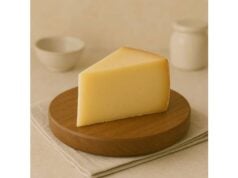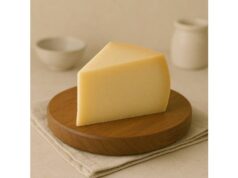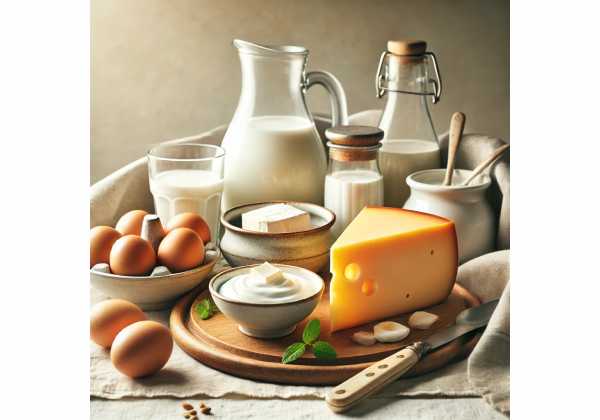
Gouda is one of the world’s most approachable cheeses: a Dutch classic that ranges from supple and mild in its youth to caramelized, crystal-speckled intensity with age. It’s made primarily from cow’s milk and carefully washed-curd techniques that create a sweet, nutty profile. Because it melts smoothly and slices neatly, Gouda works across cuisines—from grilled sandwiches and omelets to grain bowls, salads, and cheese boards. Nutritionally, it concentrates high-quality protein, bioavailable calcium and phosphorus, and useful amounts of vitamin B12 and vitamin A, with very little carbohydrate. Like most cheeses, the trade-offs are sodium and saturated fat, so portion-savvy cooking matters. You can choose from a spectrum of styles—young/“jong” (mild, creamy), “belegen” (medium), “oud/extra oud” (aged, robust), and smoked or spiced variants—to match your taste and recipe. With smart serving sizes, good storage, and a few safety notes for specific groups, Gouda can be both a delicious centerpiece and a practical nutrient contributor in a balanced eating pattern.
Top Highlights
- Provides calcium (~710 mg/100 g), protein (~25 g/100 g), and vitamin B12 (~1.6 µg/100 g).
- Naturally low in lactose as it ages; main watchouts are sodium and saturated fat.
- Typical serving: 30 g (about 1 oz), 1–3 times per week, adjusted to your goals.
- Avoid if you have a milk-protein allergy; those on MAOI therapy should avoid aged cheeses due to tyramine; choose pasteurized and cook until steaming hot in pregnancy.
Table of Contents
- Gouda: Detailed Overview
- Gouda Nutrition Profile
- Gouda Health Benefits Explained
- Gouda Risks, Allergies and Interactions
- Selecting, Quality, Sustainability and Storage
- Preparation, Cooking and Nutrient Retention
- Portions, Comparisons and FAQs
Gouda: Detailed Overview
What Gouda is
Gouda (pronounced “HOW-dah” in Dutch) is a washed-curd, cow’s milk cheese developed around the city of Gouda in the Netherlands. Washing the curd removes some lactose before pressing, which contributes to a sweeter, less tangy flavor compared with many other semi-hard cheeses. Wheels are typically brined, then ripened from weeks to years, and often coated in protective wax. The result is a spectrum of textures and tastes:
- Young/Jong (4–8 weeks): pale, supple, milky-sweet, easy melting.
- Mature/Belegen (4–8 months): firmer slice, toasted-nut notes, deeper gold color.
- Old/Oud to Extra Oud (12–24+ months): hard, brittle, intense caramel/butterscotch tones, with pleasant “flavor crystals” (tyrosine).
- Smoked Gouda: cold-smoked or smoke-flavored, with a bronze rind and campfire aroma.
- Variations: cumin-seeded (Leyden-style), truffle-studded, goat’s or sheep’s milk adaptations (outside traditional definitions).
How it’s made
Pasteurized cow’s milk is warmed, inoculated with starter cultures, and set with rennet. The curd is cut, partially drained, and washed with warm water to reduce lactose and control acidity. After pressing into molds, wheels are brined to set the rind and enhance flavor. Controlled aging develops Gouda’s signature aromas and deepens color—from straw to amber—as proteins and fats break down into savory peptides and free fatty acids. Young Gouda slices easily and melts smoothly; aged Gouda grates well and delivers big flavor in small amounts.
Culinary versatility
Gouda is a cook’s friend. It melts into velvety sauces and gratins, anchors grilled cheese and burgers, and adds character to omelets, roasted vegetables, and grain bowls. Aged Gouda excels on cheese boards with apples, pears, dried apricots, toasted almonds, and dark bread. Its sweetness balances mustard, pickles, and bitter greens; its richness stands up to spice rubs and smoky chiles.
Where it fits nutritionally
Gouda provides concentrated protein, calcium, phosphorus, vitamin B12, and vitamin A, with very little carbohydrate. The main constraints are sodium and saturated fat. Portion control and smart pairings—vegetables, whole grains, legumes, and unsalted nuts—keep meals balanced without losing satisfaction.
Gouda Nutrition Profile
Reference basis: typical Gouda cheese, per 100 g. Actual values vary by brand, age, milk composition, smoking, and moisture. %DV uses current adult Daily Values.
Macros and Electrolytes
| Nutrient | Amount (per 100 g) | %DV |
|---|---|---|
| Energy | ~361 kcal | — |
| Protein | ~25.4 g | 51% |
| Total Fat | ~27.9 g | 36% |
| Saturated Fat | ~17.9 g | 89% |
| Carbohydrate | ~2.3 g | 1% |
| Total Sugars | ~2.3 g | — |
| Sodium | ~831 mg | 36% |
| Potassium | ~123 mg | 3% |
| Water | ~43 g | — |
Fats and Fatty Acids (selected)
| Nutrient | Amount (per 100 g) | Notes |
|---|---|---|
| Monounsaturated fatty acids | ~1.81 g (as oleic) | Contributes to flavor and texture |
| Polyunsaturated fatty acids | ~0.19 g | Includes linoleic and ALA traces |
| Cholesterol | ~116 mg (est.) | Typical for semi-hard cow’s milk cheese |
Protein and Key Amino Acids (selected)
| Amino Acid | Amount (per 100 g) |
|---|---|
| Leucine | ~2.60 g |
| Lysine | ~2.69 g |
| Valine | ~1.83 g |
| Isoleucine | ~1.33 g |
| Threonine | ~0.94 g |
| Tryptophan | ~0.36 g |
Vitamins
| Vitamin | Amount (per 100 g) | %DV |
|---|---|---|
| Vitamin A (RAE) | ~168 µg | 19% |
| Vitamin B12 | ~1.57 µg | 65% |
| Riboflavin (B2) | ~0.32 mg | 25% |
| Vitamin D | ~0.5 µg | 3% |
| Folate (DFE) | ~21 µg | 5% |
Minerals
| Mineral | Amount (per 100 g) | %DV |
|---|---|---|
| Calcium | ~710 mg | 55% |
| Phosphorus | ~554 mg | 44% |
| Zinc | ~3.9 mg | 36% |
| Selenium | ~14.6 µg | 27% |
| Magnesium | ~29 mg | 7% |
| Iron | ~0.25 mg | 1% |
Glycemic and Acid–Base Metrics
| Metric | Value |
|---|---|
| Glycemic impact | Negligible (very low carbohydrate) |
| PRAL (acid load) | ~+20.3 mEq/100 g |
Allergens and Intolerance Markers
- Allergen: cow’s milk proteins (casein, whey).
- Lactose: naturally low in aged/semi-hard cheeses; individual tolerance varies.
- Biogenic amines (histamine, tyramine): present in aged cheeses; relevant for sensitive individuals and for people on MAOI therapy.
Additives and Fortification
- Colorants: some Gouda uses annatto for golden hue.
- Smoked styles: may be naturally smoked or flavored; check labels if avoiding added smoke flavor.
- Fortification: Gouda is generally not fortified.
Notes: Tables reflect typical, non-smoked Gouda. Smoked, flavored, or extra-aged versions can shift sodium, moisture, and flavor intensity.
Gouda Health Benefits Explained
1) A compact source of high-quality protein
Per 30 g serving (about 1 oz), Gouda provides roughly 7–8 g of complete protein with essential amino acids such as leucine and lysine. Adding modest amounts of Gouda to meals—think whole-grain toast with tomato, a bean-and-vegetable bowl, or scrambled eggs—can raise protein density without adding large volumes of food. This is especially helpful for appetites that are smaller in the morning or for older adults aiming to preserve muscle.
2) Calcium and phosphorus for bones and teeth
A 30 g portion delivers about 210–220 mg calcium and ~165 mg phosphorus, both central to bone mineralization and dental health. Because dairy calcium is highly bioavailable, small servings of Gouda across the week can help people who struggle to meet daily calcium needs through other foods.
3) Vitamin B12 and vitamin A support
Gouda contributes vitamin B12 for red blood cell formation and nervous system function, and vitamin A (RAE) for epithelial tissues and vision. People who eat little or no meat, or who need convenient B12 sources, can use small Gouda servings strategically within an overall varied diet.
4) Naturally low in carbohydrate
At roughly 2–3 g carbohydrate per 100 g, Gouda fits low-carb approaches and can be combined with fiber-rich foods (vegetables, beans, intact grains) to support steady post-meal blood glucose in mixed meals. Low sugar also benefits those who simply prefer savory breakfasts and snacks.
5) Portion leverage: big flavor from a little
Because Gouda’s washed-curd sweetness and nutty depth carry far, you can use less while achieving the same satisfaction. Finely grating aged Gouda over roasted vegetables or stirring a small cube into a hot grain bowl gives a luxurious finish at 15–20 g per serving.
6) Culinary flexibility that encourages balance
Gouda’s excellent melt makes it a natural for lighter sauces: whisk a teaspoon of flour or starch into warm milk, simmer briefly, then melt in a small amount of Gouda for a silky coating to toss with broccoli, mushrooms, or whole-wheat pasta. This “stretching” technique lowers total saturated fat per portion while keeping flavor.
7) Friendly to many with lactose intolerance
Because lactose is mostly drained with whey and further metabolized during aging, many people with lactose intolerance tolerate small servings of hard and semi-hard cheeses. Start with 10–15 g, have cheese with meals (not alone), and increase as tolerated. Note that milk allergy is different from lactose intolerance; those with milk allergy must avoid Gouda entirely.
Bottom line: Small, frequent, purposeful portions of Gouda can contribute protein, calcium, phosphorus, B12, and vitamin A within an overall pattern rich in plants and unsaturated fats. The greatest health dividends come from pairing modest cheese amounts with vegetables, whole grains, and legumes.
Gouda Risks, Allergies and Interactions
Sodium and saturated fat
Gouda is salty by design and concentrated in saturated fat. Frequent large portions can work against blood pressure and LDL-cholesterol goals. Practical steps that preserve pleasure:
- Keep everyday servings around 30 g; rely on bold flavor to do the heavy lifting.
- Build plates with potassium-rich plants (beans, leafy greens, potatoes, fruit) to counterbalance sodium.
- Choose olive oil, nuts, and seeds for additional fat instead of extra cream or butter in recipes that already include cheese.
Foodborne illness considerations
People who are pregnant, older, or immunocompromised should avoid unpasteurized (raw-milk) cheeses and cheeses served cold that may have been contaminated after processing. For higher-risk individuals, it’s safest to use pasteurized Gouda and to cook dishes until steaming hot before eating. Unheated cheese sliced at delis is a particular risk if sanitation is suboptimal.
Allergy and intolerance
- Milk allergy: If you’re allergic to cow’s milk proteins (casein or whey), avoid Gouda entirely.
- Lactose intolerance: Many tolerate small amounts of aged/semi-hard cheese; test your tolerance gradually, with food, and adjust portions.
- Biogenic amines: Tyramine and histamine can accumulate in aged cheeses and may trigger headaches, flushing, or blood pressure changes in sensitive people.
Medication interactions
- MAOI therapy: Aged cheeses (including Gouda) are typically contraindicated with nonselective monoamine oxidase inhibitors because tyramine can precipitate dangerous hypertensive reactions. If you take an MAOI, follow a low-tyramine diet and avoid aged cheeses unless your prescriber gives explicit, individualized guidance.
- Antihypertensives/diuretics: High-sodium foods can counteract blood-pressure management; monitor total daily sodium.
Who should limit or avoid Gouda?
- Individuals with milk allergy.
- Anyone on MAOI medications.
- People who are pregnant, older, or immunocompromised should only consume pasteurized Gouda and preferably cooked dishes.
- Those with uncontrolled hypertension or elevated LDL should emphasize small portions and plant-forward sides.
Storage hygiene matters
Keep cheese refrigerated at ≤4°C (≤40°F), wrapped to prevent drying and cross-contamination, and use clean knives. Discard if you notice ammonia-like aromas, rancidity, or unusual pink/orange slime.
Selecting, Quality, Sustainability and Storage
How to choose Gouda that suits your needs
- By age:
- Young/Jong: mild, creamy, pale; best for melting in sandwiches, omelets, and casseroles.
- Belegen (mature): deeper gold, balanced sweetness and nuttiness; excellent table cheese and slicer.
- Oud/Extra Oud: hard, brittle, intensely savory-sweet; great for grating over roasted vegetables, risotto, and salads.
- By flavoring: smoked, cumin-seeded (Leyden-style), black-pepper or truffle blends. Check labels for natural smoke vs. smoke flavor if you have preferences.
- By milk source: mostly cow’s milk; goat’s and sheep’s versions exist but differ in flavor and composition.
- Pasteurization: for at-risk groups, confirm pasteurized milk on the label; when in doubt, ask the cheesemonger.
Quality cues at the counter
- Look: uniform paste without cracks (young) or smart fracturing with amber crystals (aged). Wax should be intact, without leaks or heavy moisture.
- Smell: clean dairy, nutty, caramel; avoid harsh ammonia or rancid notes.
- Feel: young Gouda should be springy and moist, not wet; aged Gouda will be firm to brittle.
Sustainability and packaging
- Favor producers who communicate animal welfare practices, water and energy stewardship, and recyclable packaging. At home, the biggest environmental win is waste reduction: buy a wedge size you’ll finish within a week or two, store it correctly, and repurpose scraps (grate into soups, blend into dips).
Storage and shelf life
- Unopened wedges: keep refrigerated; follow date codes for best quality.
- After opening: wrap in cheese paper or parchment, then a loose outer foil or reusable container to limit drying. Use within 7–10 days for young/mature Gouda; aged wheels keep flavor longer but dry out faster once cut.
- Freezing: possible but not ideal (texture becomes crumbly). If needed, portion into small grated packs, remove air, and freeze up to 2 months; use in cooked dishes straight from frozen.
- Serving temperature: bring to room temperature for 30–45 minutes before serving to maximize aroma.
Buying tips
- For sandwiches and melts, pick young or mature styles for creamier texture.
- For cheese boards or grating, choose aged styles with visible crystals and deep amber color.
- If sodium is a concern, buy smaller wedges and use a microplane to distribute flavor finely so you can use less.
Preparation, Cooking and Nutrient Retention
Portion-savvy cooking strategies
- Grate fine, use less: Aged Gouda’s intensity spreads evenly when microplaned over hot vegetables, eggs, or grains; 10–15 g can be enough per serving.
- Build lighter sauces: Make a quick béchamel with milk and a small amount of roux; whisk in 15–20 g Gouda per serving for gloss and flavor with less saturated fat than heavy cream sauces.
- Pair with plants: Toss steamed greens, roasted carrots, or cauliflower with a teaspoon of olive oil and a small crumble of Gouda; finish with lemon zest or vinegar to brighten and reduce the urge to add salt.
Melting behavior and technique
- Young to mature Gouda melts smoothly; aged Gouda can “oil off” if overheated.
- Gentle heat: Melt cheese off the boil and stir to emulsify with a bit of starchy cooking water (from pasta) or a splash of milk.
- Sandwiches: Spread a thin layer of mustard or fruit chutney for acidity; cook on medium heat so the interior melts as the bread crisps.
- Oven finishes: Grate Gouda over roasted broccoli, Brussels sprouts, or cauliflower in the last 5–8 minutes of cooking to brown lightly without separating.
Flavor pairing guide
- Fresh and bright: apples, pears, grapes, arugula, pickled onions.
- Savory and earthy: mushrooms, caramelized onions, roasted squash.
- Crunch and contrast: walnuts, hazelnuts, pumpkin seeds; rye crisps; whole-grain sourdough.
- Herbs and spices: thyme, rosemary, paprika, cumin (classic with Leyden-style), chili flakes.
- Condiments: grain mustard, apple butter, balsamic glaze, honey (in small amounts).
Nutrient retention notes
- Minerals (calcium, phosphorus, zinc) are heat-stable; cooking doesn’t destroy them.
- B vitamins are modest in Gouda; gentle heat and shorter cook times conserve what’s present.
- Fat and sodium are not reduced by heating, so portion size and recipe balance—not cooking time—are your tools for a healthier plate.
Food safety in the kitchen
- Keep hot dishes at ≥60°C (≥140°F) or refrigerate ≤4°C (≤40°F) promptly.
- For higher-risk individuals (pregnant, older, immunocompromised), use pasteurized Gouda and cook until steaming before eating.
- Limit room-temperature display on a cheese board to about 2 hours (or 1 hour in hot weather).
Portions, Comparisons and FAQs
Right-sized portions
- Everyday use: 30 g (1 oz) on a sandwich, salad, or bowl.
- Sauces and melts: 15–20 g per serving when combined with milk or starchy cooking water.
- Cheese boards: 20–30 g per person when multiple cheeses are offered.
How Gouda compares (typical values per 100 g)
- Gouda vs Cheddar: similar calories and protein; Gouda is often a touch sweeter and may be slightly lower in sodium depending on the producer.
- Gouda vs Edam: Edam is typically leaner and milder; Gouda brings deeper nutty-caramel notes and a creamier melt at the same age.
- Gouda vs Swiss (Emmentaler): Swiss tends to have larger holes and a nuttier, cooked-milk aroma; both are generally well-tolerated by people with lactose intolerance in small servings.
- Young vs aged Gouda: aging concentrates flavor and reduces moisture; you’ll usually need less aged Gouda to achieve the same flavor impact.
FAQs
Is Gouda safe during pregnancy?
Yes—if pasteurized and cooked until steaming hot in mixed dishes. Avoid unpasteurized soft/semi-soft cheeses and unheated deli-sliced cheese. Check labels or ask the cheesemonger when uncertain.
What about lactose?
Many people with lactose intolerance tolerate small portions of hard and semi-hard cheeses like Gouda. Start low (10–15 g), have cheese with meals, and increase as tolerated.
Can I eat Gouda on a low-carb plan?
Gouda is naturally very low in carbohydrate (~2–3 g per 100 g). Focus on portion size, pair with nonstarchy vegetables, and consider olive oil or nuts for additional fat rather than more cheese.
Why does aged Gouda have crunchy crystals?
They’re mostly tyrosine crystals—amino acid clusters formed during long aging. They provide a pleasant crunch and signal robust flavor.
Does smoked Gouda have additives?
Some are naturally smoked; others use smoke flavor. If you prefer one or need to avoid certain additives, check the label for “naturally smoked” or “smoke flavor added.”
How long does Gouda keep after opening?
Properly wrapped and refrigerated, young/mature Gouda is best within 7–10 days. Aged Gouda can be used longer if quality remains high, but it dries out faster once cut—grate and freeze small portions for cooked dishes if needed.
References
- Nutrition Facts for Gouda Cheese 2024.
- Safer Food Choices for Pregnant Women | Food Safety 2025.
- Learn More – Shopping tips for lactose-intolerant people 2024.
- MAOI (Monoamine Oxidase Inhibitors) Diet Sheet 2022.
- A Comprehensive Review on the Biogenic Amines in Cheeses: Their Origin, Chemical Characteristics, Hazard and Reduction Strategies 2024.
Disclaimer
This article is for general education and is not a substitute for personalized medical advice, diagnosis, or treatment. If you are pregnant, immunocompromised, taking MAOI medication, have hypertension or high LDL cholesterol, or have a milk-protein allergy, discuss your diet—including cheese choices and portion sizes—with your healthcare professional or a registered dietitian. Seek medical care promptly if you experience symptoms of allergy or foodborne illness.
If you found this guide useful, please consider sharing it on Facebook, X (formerly Twitter), or your preferred platform. Your support helps us continue creating careful, people-first nutrition content.