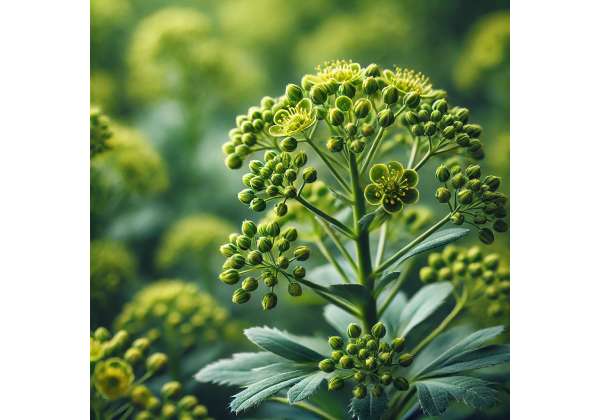
Gurmar, the common Hindi name for Gymnema sylvestre, is a woody climbing herb long used in Ayurvedic practice, especially for metabolic health. It is best known as the “sugar destroyer,” a nickname that comes from one of its most unusual effects: compounds in the leaf can temporarily dull the perception of sweetness on the tongue. That sensory effect has helped shape the herb’s reputation for blood sugar support, appetite control, and reduced sugar cravings.
Modern interest in gurmar focuses mainly on glucose metabolism, insulin response, lipid balance, and its potential role as an adjunct in type 2 diabetes or prediabetes. The leaf contains gymnemic acids, gurmarin, saponins, and related compounds that appear to influence both sweet taste and glucose handling. At the same time, the herb is not a stand-alone diabetes treatment, and its benefits are most credible when paired with food, movement, medication management, and monitoring.
Used carefully, gurmar can be a focused tool. Used casually, especially with glucose-lowering drugs, it can create unnecessary risk.
Key Insights
- Gurmar is most strongly associated with blood sugar support and temporary reduction of sweet taste perception.
- Standardized extracts are often used at about 400 to 600 mg daily, while some products are used at 200 to 400 mg twice daily.
- The herb may also modestly improve triglycerides and total cholesterol in some adults with metabolic risk.
- Hypoglycemia is the main practical safety concern, especially with insulin or oral diabetes medicines.
- People who are pregnant, breastfeeding, preparing for surgery, or living with diabetes medication regimens should avoid self-prescribing it.
Table of Contents
- What is gurmar
- Key compounds and sugar-blocking actions
- Does gurmar help blood sugar
- How gurmar is used
- How much gurmar per day
- Safety, interactions, and who should avoid it
- What the evidence really says
What is gurmar
Gurmar is the traditional Ayurvedic herb Gymnema sylvestre, a woody, twining plant native to India and found in parts of tropical Asia and Africa. The medicinal part used most often is the leaf. In classical and modern herbal use, the plant is associated mainly with metabolic support, especially where sweetness, appetite, or blood sugar regulation are central concerns.
The name “gurmar” is meaningful. It is often translated as “sugar destroyer,” not because the herb literally destroys sugar in the body, but because chewing the leaves or using gymnema-containing products can blunt the taste of sweet foods for a short period. That effect has given the herb an identity unlike most metabolic botanicals. It acts partly through taste perception and partly through internal metabolic pathways.
This is also where readers can misunderstand gurmar. It is not simply a craving herb, and it is not simply a diabetes herb. It sits somewhere between those categories. The leaf has long been used in Ayurvedic practice for “madhumeha,” the classical category that overlaps with diabetes-like disorders, but modern supplement use also emphasizes appetite control, sweet reduction, and metabolic support.
In practical terms, gurmar appears in several forms:
- Dried leaf for tea or powder.
- Capsules and tablets made from powdered leaf or extract.
- Standardized extracts that list gymnemic acid content.
- Lozenges or mints designed to reduce sweet taste perception.
- Multi-ingredient metabolic formulas.
The difference between these forms matters. A traditional tea made from leaf is not equivalent to a standardized extract, and neither behaves quite like a dissolving mint intended to dull sweetness on the tongue. These preparations are often discussed together as if they do the same thing. They do not.
Another common source of confusion is expectation. Gurmar is sometimes marketed as though it can replace medication, reverse diabetes, or erase sugar cravings by itself. That is not a realistic reading of the evidence. A better way to think about the herb is as a targeted adjunct. It may help support glucose control, reduce the appeal of sweet foods for a short window, and modestly improve some lipid markers in certain adults. That is useful, but it is not the same as being a cure.
Compared with other plant-based metabolic supports, gurmar has a uniquely sensory angle. For example, bitter melon’s metabolic role is usually framed through glucose-related plant compounds and bitter food use, whereas gurmar is especially known for changing the experience of sweetness itself.
So what is gurmar in the clearest sense? It is a leaf-based metabolic herb with one especially distinctive feature: it can make sweet foods taste less rewarding for a limited time while also showing broader potential for glucose and lipid support. That combination is what keeps it relevant in both traditional medicine and modern supplement use.
Key compounds and sugar-blocking actions
Gurmar’s best-known active compounds are gymnemic acids, a group of triterpenoid saponins that help define both its chemistry and its reputation. These compounds are often used as marker constituents in standardized extracts. They are also central to the herb’s famous sweet-suppressing effect.
When gymnemic acids contact the tongue, they appear to interfere with sweet taste receptor signaling for a limited period. That does not remove the sugar from a food, but it can make sweet foods taste flatter, less pleasant, and less compelling. This short-lived sensory shift is one reason gymnema-containing mints and lozenges have been studied in relation to sweet cravings and chocolate intake.
Other important constituents include:
- Gymnemic acids.
- Gymnemasaponins.
- Gurmarin, a peptide associated with taste effects.
- Gymnemasin and related saponin fractions.
- Flavonol glycosides.
- Triterpenes such as lupeol and stigmasterol.
- Tannins and other minor phytochemicals.
These compounds matter because gurmar’s medicinal profile is not limited to taste alone. In preclinical and mechanistic studies, it has been linked to several possible actions:
- Temporary suppression of sweet taste response.
- Reduced intestinal absorption of glucose in some models.
- Support for insulin secretion or pancreatic function in experimental settings.
- Improved glucose utilization and metabolic signaling.
- Modest lipid-lowering effects in some human studies.
- Antioxidant and anti-inflammatory activity.
The challenge is that different actions have different levels of evidence. Sweet suppression is one of the easiest to observe directly. A person can use a gymnema product and quickly notice that sweet foods taste weaker for 30 to 60 minutes. Broader glucose-lowering or insulin-related effects are more complex and depend on the preparation, dose, individual metabolic status, and study design.
This is one reason product standardization matters so much. A tea made from whole leaves may deliver a different balance of compounds than a standardized extract labeled for gymnemic acid content. A mint designed to sit on the tongue may influence sweet perception more clearly than a swallowed capsule, even if the capsule has broader systemic intentions.
There is also a useful contrast with other sweetness-related botanicals. Gurmar reduces the perception of sweetness, while stevia’s sweet compounds do the opposite and provide sweetness without sugar. That difference helps explain why gymnema is sometimes used behaviorally, not only metabolically.
A sensible way to understand gurmar’s key ingredients is this: gymnemic acids are the headline compounds because they affect both sensory sweetness and glucose-related pathways, but they work within a broader chemical matrix. The leaf does not behave like a single-molecule drug. It behaves like a plant with several overlapping metabolic actions, some of which are much better documented than others.
That distinction matters later when the question shifts from “what does it contain?” to “what does it actually do in humans?” The chemistry is compelling, but chemistry alone should never be mistaken for proof of large clinical benefit.
Does gurmar help blood sugar
This is the main reason most people look up gurmar, and the answer is cautiously positive. Gurmar may help support blood sugar control, especially in adults with type 2 diabetes or related metabolic risk, but the effect is usually best understood as adjunctive rather than stand-alone.
Recent systematic reviews and meta-analyses suggest that Gymnema sylvestre supplementation can improve fasting blood glucose, post-meal glucose, and glycated hemoglobin in some adults. Some studies also report favorable changes in triglycerides and total cholesterol. These findings are promising, but they do not prove that the herb works uniformly across all people or all product types.
The most realistic benefits to expect are:
- A modest improvement in fasting glucose.
- A possible reduction in post-meal glucose spikes.
- A modest shift in HbA1c when used consistently over time.
- Some improvement in triglycerides or total cholesterol in selected adults.
- Reduced desire for very sweet foods in certain behavioral settings.
What gurmar does not do reliably is produce medication-level results on its own. It is not a substitute for insulin, oral antidiabetic medicines, structured nutrition therapy, or clinician-guided weight management. Its strongest role is as a supplement that may modestly improve the effects of an already established plan.
The type of person who may notice the most benefit is someone with clear metabolic dysfunction rather than a healthy person taking it “just in case.” In people with prediabetes, type 2 diabetes, or strong sweet-food patterns, the herb’s effects may be easier to detect. In a healthy adult with good metabolic control, the main noticeable effect may be the blunting of sweet taste rather than a measurable lab change.
Another helpful distinction is between metabolic support and craving support. Gurmar may influence both, but not in the same way. The taste effect is acute and short-lived. The blood sugar effect, when it occurs, is more likely to emerge over weeks to months of structured use.
Compared with better-known metabolic supplements, gurmar sits in a middle position. It is more distinctive than many generic blood sugar blends because of its sweet-blocking effect, but it is not necessarily more proven than some other targeted options. Readers interested in the broader supplement landscape sometimes compare it with berberine for metabolic support, which has a different mechanism and a stronger clinical reputation in some settings.
There is also the issue of baseline treatment. If a person is already on glucose-lowering medication, gymnema may intensify the effect. That can be useful when monitored properly, but risky when self-directed. The possibility of hypoglycemia is one reason the herb should not be added casually to a diabetes regimen.
So, does gurmar help blood sugar? For some adults, yes. The evidence suggests it can be useful, especially as an adjunct. But it works best when expectations are realistic: think support, not replacement; monitoring, not guessing; and gradual metabolic change, not a dramatic overnight correction.
How gurmar is used
Gurmar can be used in more than one way, and the best form depends on the goal. This is one of the most important practical points because sweet-suppression, glucose support, and weight-management routines do not always call for the same preparation.
The main forms include:
- Leaf powder in capsules or tablets.
- Standardized extract capsules.
- Dried leaves for tea or decoction.
- Liquid extracts.
- Mints, lozenges, or drops meant to contact the tongue.
- Combination formulas for glucose, lipids, or appetite.
If the goal is blood sugar support, most people use a swallowed form such as capsules, tablets, or extracts. These are designed for ongoing use over days to weeks and fit more naturally into a structured metabolic program. They are usually taken with meals or as directed on the product, especially when the formula is standardized.
If the goal is short-term reduction of sweet cravings, gymnema mints or lozenges are more relevant. These preparations make sense because the sweet-suppressing effect begins at the tongue. In studies, gymnema-containing mints have reduced the immediate desire for more chocolate and lowered the pleasantness of sweet foods for a short period. That makes them behaviorally interesting, even if they are not a cure for overeating.
Tea remains a traditional form, but tea raises a practical issue. It may be less standardized than extracts, which means its strength can vary. Some people also assume tea is automatically gentle, yet repeated use in someone on diabetes medication can still matter if the herb is active enough.
A useful way to match form to purpose is:
- Choose mints or oral-dissolving products for acute sweet suppression.
- Choose standardized extracts for longer metabolic support.
- Use tea if you prefer a traditional form and can tolerate variability.
- Avoid stacking several gymnema products at once unless a clinician specifically advises it.
Routine matters too. Gurmar works best when it is part of a plan rather than a scattered experiment. Someone aiming to reduce afternoon sugar cravings might use a gymnema mint before exposure to sweets. Someone aiming to support fasting glucose may use a standardized extract with meals for several weeks while monitoring changes. These are not the same strategy.
This is also where comparison helps. Some people interested in appetite or sugar control combine gymnema with other food-based approaches, such as cinnamon in glucose-conscious meal routines. That can be reasonable, but introducing one change at a time is a better way to judge what is actually helping.
The herb is easiest to use well when the goal is specific. If the target is vague, people often either underuse it or overuse it. Gurmar is not a casual “wellness” herb in the same way as a daily tea. It is a targeted botanical that makes the most sense when there is a measurable reason for using it.
How much gurmar per day
Gurmar dosage varies widely by form, which is why one fixed number can be misleading. A leaf infusion, a powdered-leaf capsule, a standardized extract, and a taste-blocking mint all behave differently. The most useful way to think about dosing is to separate acute sweet-suppression use from ongoing metabolic-support use.
In official monograph-style guidance and modern supplement practice, common adult ranges include:
- Standardized dry extract: about 400 to 600 mg daily, often standardized to 24 percent gymnemic acids.
- Dry extract: 200 to 400 mg twice daily in some products.
- Powdered leaf: 500 mg twice daily in some adult regimens.
- Liquid extract: about 3.6 to 11 mL daily in some traditional frameworks.
- Tongue-applied liquid for sweet suppression: small repeated amounts as needed, depending on the product.
- Gymnema mint in sweet-craving studies: about 4 mg gymnemic acids in a single acute setting.
These numbers are helpful, but they should not be mixed freely. A 500 mg powdered leaf capsule is not equivalent to 500 mg of a concentrated extract. The gymnemic acid content, overall extraction profile, and intended use can differ substantially.
Timing also matters:
- For metabolic support, gymnema is often taken with meals or in divided doses across the day.
- For sweet suppression, it is taken shortly before or after exposure to sweet foods, depending on the product design.
- A fair trial for glucose-related outcomes is usually several weeks to a few months, not a few days.
A sensible approach looks like this:
- Start at the lower end of the recommended range.
- Use only one gymnema product at a time.
- Match the form to the goal.
- Monitor glucose closely if you take any diabetes medicine.
- Reassess after a defined period instead of continuing indefinitely without feedback.
This is especially important because more is not automatically better. If the herb lowers glucose too much or makes meals less enjoyable in an unhelpful way, pushing the dose upward can make the experience worse rather than more effective.
People exploring food-first metabolic support sometimes compare gymnema with prebiotic or fiber-focused strategies such as yacon for glycemic and appetite support. That comparison is useful because yacon works more through fiber and fermentation-related effects, while gymnema is more directly tied to sweet taste and glucose pathways.
One more point deserves attention: dosage advice on supplement labels can be inconsistent because products are not always standardized the same way. That makes label quality a serious issue, not a minor one. A product that clearly states the extract type and gymnemic acid content is easier to use intelligently than one that simply says “gymnema.”
The safest bottom line is simple. Use standardized extracts when you want predictability, keep doses conservative at first, and let the reason for using the herb determine both timing and amount.
Safety, interactions, and who should avoid it
Gurmar is often well tolerated at recommended doses, but it is not risk-free. The main safety concern is low blood sugar. Because Gymnema sylvestre may enhance glucose-lowering effects, it can interact meaningfully with diabetes medication and other metabolic supplements.
The most important groups who should avoid self-prescribed gurmar or use it only under supervision include:
- People taking insulin.
- People taking sulfonylureas or other oral glucose-lowering drugs.
- Anyone with a history of recurrent hypoglycemia.
- People preparing for surgery.
- Pregnant or breastfeeding people.
- Children and adolescents unless specifically advised.
- People with liver concerns or unexplained past herb reactions.
Official monograph guidance advises stopping gymnema at least 2 weeks before scheduled surgery because it may interfere with blood sugar control during the perioperative period. This is one of the clearest practical recommendations and is often overlooked.
The most commonly discussed adverse effects include:
- Hypoglycemia.
- Nausea or vomiting.
- Altered sweet or bitter taste.
- Gastrointestinal upset.
- Hypersensitivity reactions in sensitive users.
Another important nuance is liver safety. Severe liver injury appears to be rare, but isolated case reports and LiverTox review make it clear that concern is not purely theoretical. The attribution is not always strong in every case, and contamination or mixed-product use can complicate interpretation, but the possibility is enough to justify caution, especially in people with existing liver disease or people taking many supplements at once.
Gurmar can also interact beyond glucose medications. Some sources advise caution with:
- Lipid-lowering agents.
- Weight-loss herbs or supplements.
- Chromium or other glucose-focused stacks.
- Multi-ingredient metabolic formulas where the combined effect is harder to predict.
This is where many problems start. People rarely take gymnema in isolation. They may combine it with cinnamon, chromium, berberine, alpha-lipoic acid, or prescription therapy. Each item alone may look manageable, but the total effect may not be.
A useful rule is to treat gurmar more like a targeted metabolic supplement than like a casual tea. If you would monitor a new glucose-lowering strategy, you should monitor gymnema too.
It is also worth noting that rare or isolated adverse events do not make the herb broadly unsafe. They simply mean the safety conversation should be mature. Gurmar is often fine for appropriately selected adults, but the right use pattern is informed and deliberate, not impulsive.
For people with major medication complexity, glucose variability, or liver concerns, the best move is not to guess. Safety with gymnema depends less on whether the herb is “natural” and more on whether it is used in the right person, at the right dose, with the right level of oversight.
What the evidence really says
Gurmar has enough evidence to be taken seriously, but not enough to justify exaggerated claims. That is the most accurate summary. The plant has a solid traditional background, plausible mechanisms, and a growing human literature. At the same time, the studies are not uniform, the products vary, and many claims stretch beyond what clinical trials clearly show.
The strongest evidence points to a few areas:
- Improvement in glycemic control in some adults with type 2 diabetes.
- Modest improvements in selected lipid markers.
- Acute suppression of sweet taste and reduced desire for more sweet food in certain settings.
- Short-term tolerability that is generally acceptable in healthy adults or monitored users.
What weakens the evidence is mostly study design and product inconsistency. Trials use different leaf powders, dry extracts, gymnemic acid concentrations, and combination formulas. Some compare post-treatment values to baseline rather than to a robust control group. Others are short, open-label, or small. This makes the total evidence suggestive rather than definitive.
The sweet-craving evidence is a good example. Short-term studies of gymnema mints show that sweet foods can become less pleasant and less desirable soon after use. That is real and easy to demonstrate. But longer-term changes in diet quality, body weight, or eating behavior are much harder to prove. The herb may help interrupt a moment of sugar-seeking, but it does not automatically retrain a person’s overall eating pattern.
The diabetes evidence is stronger than the craving evidence, but still not simple. Meta-analyses suggest improvements in fasting glucose, postprandial glucose, HbA1c, and some lipids, yet the effect sizes and certainty vary. This means the herb belongs in the “potentially useful adjunct” category rather than the “proven replacement” category.
Another important distinction is between mechanism and outcome. Gymnemic acids blocking sweet taste receptors is a mechanism that is easy to observe. Claims about pancreatic regeneration or major disease reversal are much more speculative in humans. Those ideas come more from preclinical research and older narrative reviews than from strong contemporary clinical trials.
Compared with many metabolic herbs, gurmar is distinctive but not magical. It has one clearly memorable feature, sweet suppression, and one reasonably promising therapeutic area, glycemic support. That is enough to make it worthwhile, but not enough to support every claim attached to it.
The most honest conclusion is this:
- Gurmar is a credible metabolic herb, especially for adjunctive glucose support.
- Its taste-blocking effect is real and may help reduce immediate sweet intake in some people.
- It is not a replacement for diabetes care.
- Safety matters most when medication use is already part of the picture.
- Product quality and standardization strongly shape real-world results.
That middle-ground view is more valuable than either hype or dismissal. Gurmar is neither a myth nor a miracle. It is a specialized herb that becomes most useful when it is used with clarity, restraint, and close attention to the person taking it.
References
- The effects of Gymnema Sylvestre supplementation on lipid profile, glycemic control, blood pressure, and anthropometric indices in adults: A systematic review and meta-analysis 2023 (Systematic Review and Meta-analysis) ([PubMed][1])
- The effect of Gymnema sylvestre supplementation on glycemic control in type 2 diabetes patients: A systematic review and meta-analysis 2021 (Systematic Review and Meta-analysis) ([PubMed][2])
- Gymnema sylvestre (Retz.) R.Br. ex Sm. 2023 (Official Monograph)
- Gymnema 2024 (Safety Review) ([NCBI][3])
- The Effect of a 14-Day gymnema sylvestre Intervention to Reduce Sugar Cravings in Adults 2022 (Controlled Trial) ([PMC][4])
Disclaimer
This article is for educational purposes only and does not replace medical advice, diagnosis, or treatment. Gurmar can affect blood sugar and may interact with prescription medicines, supplements, surgery plans, and existing metabolic conditions. Anyone with diabetes, liver disease, pregnancy, breastfeeding, or a complex medication regimen should speak with a qualified healthcare professional before using Gymnema sylvestre. Do not use this article to self-manage hypoglycemia, adjust medication doses, or delay medical care.
If this article helped you, please share it on Facebook, X, or your preferred platform so others can find clear and balanced information.