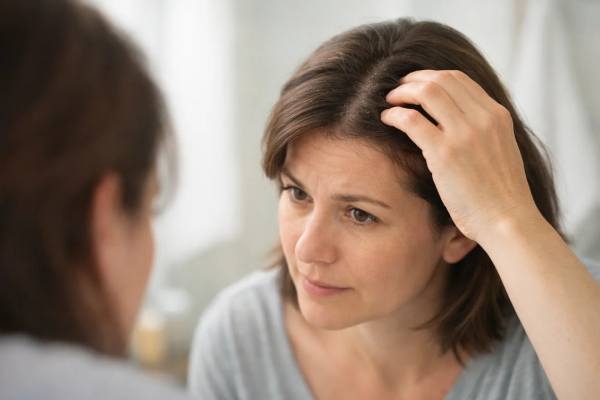
Hair loss and an itchy scalp often show up together, but they do not all point to the same problem. In one person, the cause is ordinary dandruff or seborrheic dermatitis, where inflammation and scratching push more hairs into shedding. In another, the trigger is allergic contact dermatitis from hair dye, fragrance, bleach, or a scalp treatment that seemed harmless at first. And in a smaller but more urgent group, the itch comes from infection, especially scalp ringworm or folliculitis, which can lead to broken hairs, tender patches, and sometimes lasting loss if treatment is delayed. The hard part is that these problems can look similar in the mirror: flakes, redness, and extra hair in the shower all blur together when you are worried. The good news is that the pattern of scale, timing, location, and type of hair loss usually gives strong clues. Once you know those clues, it becomes much easier to choose the right next step and avoid making the scalp angrier with the wrong treatment.
Key Insights
- Diffuse flaking with mild, all-over shedding fits dandruff or seborrheic dermatitis more than an aggressive infection.
- Allergy is more likely when intense itch or burning starts after a new dye, bleach, shampoo, serum, or styling product, especially if the rash reaches the hairline, ears, face, or neck.
- Patchy hair loss, broken hairs, black dots, pustules, or a boggy tender plaque raise concern for infection and deserve prompt assessment.
- Stop the newest scalp product, avoid scratching, and do not share combs, hats, towels, or pillowcases until infection is ruled out.
Table of Contents
- Why itch and shedding appear together
- When dandruff is the main driver
- When allergy or irritation fits better
- When infection should move up the list
- Clues that separate one cause from another
- Treatment steps and hair recovery timelines
Why itch and shedding appear together
An itchy scalp can lead to hair loss for two main reasons. First, inflammation around the scalp and follicle can disrupt the normal growth cycle, pushing more hairs into shedding. Second, scratching adds mechanical trauma. That repeated rubbing can pull out hairs that were already loosened, snap fragile strands near the scalp, and keep the skin barrier irritated enough that the problem lasts longer than it should. This is why “itch and hair fall” is a symptom pair, not a diagnosis by itself. The same complaint can come from dandruff, allergic contact dermatitis, fungal infection, or folliculitis, and each one behaves differently once you look closely at the pattern.
The next important distinction is nonscarring versus scarring loss. Dandruff and most product-related allergies usually cause temporary shedding, thinning, or breakage. The follicle is irritated, but not destroyed. Once the inflammation settles, density often comes back. In contrast, some inflammatory infections, especially severe tinea capitis with a kerion, can damage follicles enough to leave permanent loss if diagnosis and treatment are delayed. That is why patchy loss, pain, pus, or a swollen plaque deserves a much faster response than simple flaking with mild itch.
It also helps to define what kind of “hair loss” you are seeing. A person with dandruff or seborrheic dermatitis may notice more strands on the pillow, brush, or shower wall and a general drop in fullness. A person with scalp allergy may feel severe itch, burning, and shedding without a sharply defined bald patch. A person with fungal infection often develops more obvious broken hairs, stubbly areas, black dots, or localized patches where hair density falls faster than the rest of the scalp. Folliculitis can add small pustules and crusts around follicles, making the scalp feel tender as well as itchy.
The takeaway is simple: hair loss with itch is usually a clue that the scalp itself is inflamed. Instead of reaching for every anti-itch product at once, it is smarter to ask four questions: Is the shedding diffuse or patchy? Are the flakes dry or greasy? Did symptoms begin after a new product? Are there pustules, pain, or swollen areas? Those answers usually narrow the cause quickly and can stop you from treating infection like dandruff or treating allergy like dryness.
When dandruff is the main driver
Dandruff is often the most common and least dangerous explanation for an itchy scalp with extra shedding. In practice, dandruff sits on the mild end of the seborrheic dermatitis spectrum. The classic picture is flaking that stays mostly on the scalp, with itch and little or no obvious inflammation. When seborrheic dermatitis is more active, the scale tends to look yellower or greasier and sits on an erythematous background. It is one of the most common causes of scalp itching, and it can be linked to temporary shedding when inflammation is strong enough.
The hair-loss pattern matters here. Dandruff usually does not create sharply edged bald patches. Instead, people report a general sense that the hair feels thinner, the part looks wider than usual, or the brush fills faster than before. Some of that is true shedding, and some is breakage from scratching or vigorous scale removal. The scalp may also feel intermittently oily, and symptoms often cycle through better and worse periods rather than progressing in a straight line. If you can trace the problem back months rather than days, and the main features are diffuse flakes and itch, dandruff becomes more likely.
A few clues push the diagnosis further toward seborrheic dermatitis and away from allergy or infection. The scale tends to be spread broadly rather than limited to one sore patch. There are usually no pustules, no boggy plaques, and no marked swelling. Broken hairs and black dots are not typical dominant features. On scalp examination, seborrheic dermatitis often shows yellowish scale distributed fairly evenly, whereas scalp allergic contact dermatitis tends to show thinner white scale in a patchier pattern.
Treatment is usually built around consistent anti-dandruff therapy, not random switching. Antifungal shampoos such as ketoconazole and ciclopirox are common evidence-based options, along with ingredients such as zinc pyrithione and selenium sulfide. Keratolytic ingredients can help lift adherent scale, but the scalp does better when you use one sound option regularly rather than layering several strong products at once. If you are trying to match cleansing to your scalp without overdoing it, a guide to wash frequency by scalp type can help you stay consistent while symptoms settle. If the itch improves and the shedding slows over the next several weeks, that pattern strongly supports dandruff rather than infection.
When allergy or irritation fits better
An allergy or irritant reaction climbs the list when the timing is obvious. If the itch began after coloring, bleaching, straightening, installing extensions, trying a new scalp serum, switching shampoo, or using a fragranced styling product, the scalp may be reacting to what touched it rather than to dandruff alone. On the allergy side, hair dyes remain a major trigger, especially products containing para-phenylenediamine, while fragrance chemicals, preservatives, persulfates, and other ingredients in everyday hair products are also frequent culprits. Allergic reactions are often delayed rather than immediate, which is why a product can seem fine on day one and then cause a much worse scalp by the next day or two.
The symptom pattern also changes. Scalp allergic contact dermatitis can be surprisingly hard to spot because the scalp is thick and hidden by hair. Instead of a dramatic visible rash on top of the scalp, a person may report relentless itch, burning, tenderness, scaling, and unexpected shedding or thinning. The real giveaway is runoff involvement: redness or eczema along the hairline, around the ears, on the face, or down the neck where the product spreads during washing or sweating. That pattern is much less typical of ordinary dandruff.
Another practical clue is severity. Allergic contact dermatitis often causes more intense itch than seborrheic dermatitis, even when the scalp itself looks less dramatic than expected. Standard patch-test panels can also miss the diagnosis. Some people react to their own hair products, including hair tints, without reacting on a basic testing panel, which is why dermatologists often want the actual products brought in for individualized or open patch testing. That matters when someone has “persistent dandruff” that never quite responds to dandruff treatment. Before concluding that your scalp is simply dry or sensitive, it is worth considering whether the real problem is hidden allergy. A closer look at patch testing hair dye and scalp products can make that process feel more manageable.
What should you do right away if allergy seems likely? Stop the newest product, rinse the scalp gently, avoid fragranced oils or “soothing” mixes, and do not keep testing the product on the same irritated skin. Mild cases often improve once the trigger is removed, but facial swelling, eyelid involvement, blistering, or trouble breathing after a hair product should be treated as urgent. For stubborn cases, a clinician may confirm the diagnosis with patch testing and prescribe anti-inflammatory treatment while the scalp barrier recovers.
When infection should move up the list
Infection is the cause people most often miss, and it is the one that deserves the most caution when hair loss is patchy or the scalp is painful. The biggest concern is tinea capitis, or scalp ringworm, a fungal infection of the scalp hair and surrounding skin. Adults can get it, even though it is more famous in children. It is more likely when there is contact with infected children, shared grooming items, close living conditions, barber tools, or animals that carry dermatophytes. Unlike dandruff, tinea capitis often creates localized damage to the hairs themselves. The result can be broken hairs, short stubble, black dots, or clear patches where hair has thinned rapidly.
The inflammatory end of tinea capitis is especially important. A kerion is a boggy, inflamed plaque that may ooze, hurt, and come with pustules, scaling, fever, or enlarged lymph nodes. This is not a watch-and-wait version of dandruff. Delayed diagnosis or inadequate treatment can end in scarring alopecia. Topical creams or oils alone are not enough here because the infection sits in the hair shaft and follicle; oral antifungal treatment is usually required. That is why a tender patch with broken hairs or pus should move you toward medical care, not toward another cosmetic scalp product. If you want a more detailed overview of the pattern, scalp ringworm treatment is the right topic to review.
Bacterial folliculitis is another infectious possibility. Here the hair follicle becomes infected or inflamed, producing small pustules or papules around hairs, often with itching, tenderness, or crusting. On the scalp, that can feel sore when you brush, wash, or move the hair. Simple superficial cases may be limited, but more extensive disease can need medical treatment, and the scalp deserves a careful look because folliculitis can mimic or coexist with other itchy disorders. The visual clue is that the problem is follicle-centered: instead of loose flakes spread everywhere, you see bumps, pimples, or crusts where hairs emerge.
Because some scalp infections spread through contact with contaminated belongings or shared tools, basic hygiene matters while you are figuring things out. Do not share brushes, combs, hats, scarves, towels, pillowcases, or clippers. Clean items that touch the scalp, and think about recent barbershop visits, sports gear, or pet exposure if the diagnosis is unclear. Those details often help a clinician separate infection from dandruff or allergy faster than the scalp appearance alone.
Clues that separate one cause from another
When you are standing in the bathroom trying to decide what this is, the fastest way to narrow it down is to compare distribution, timing, and texture. Dandruff and seborrheic dermatitis usually behave diffusely. The whole scalp feels itchy, flakes are widespread, and the hair loss is more of a general increase in shedding than a single missing patch. Allergy behaves more like a story with a trigger: “I colored my hair,” “I used a new scalp oil,” or “I switched shampoos,” followed by burning or intense itch. Infection behaves more like a hot spot: a sore patch, broken hairs, pustules, black dots, or a boggy area that feels different from the rest of the scalp.
A simple at-home check can help:
- Look at the flakes. Evenly spread, greasy or powdery scale leans toward dandruff or seborrheic dermatitis. Patchy white scale with severe itch after a product exposure leans toward allergy.
- Look at the hair itself. Longer shed hairs from all over the scalp are more typical of inflammatory shedding. Short broken hairs, black dots, or abrupt empty areas lean toward fungal infection.
- Look beyond the scalp. Rash on the hairline, ears, face, or neck after using a product is a major allergy clue.
- Feel for pain. Dandruff itches, but infection is more likely to be tender, swollen, crusted, or pustular.
There are also a few common mistakes worth avoiding. Heavy oils can make some itchy scalps feel soothed for an hour while making scale, occlusion, or infection harder to read later. Aggressive scalp scrubs can convert mild inflammation into a raw barrier problem. Rotating between five medicated shampoos in a week often makes it impossible to tell whether the scalp is reacting to a product or to the original condition. And scratching, even absentmindedly, can turn a manageable problem into more shedding and secondary irritation.
The moment to stop self-triage is when you see red flags: patchy loss, broken hairs, pustules, oozing, a painful swollen plaque, facial swelling after a hair product, fever, or enlarged neck nodes. Those features are simply not the usual picture of routine dandruff. They call for a clinician who can examine the scalp, consider patch testing or fungal testing, and decide whether treatment needs to be prescription and prompt.
Treatment steps and hair recovery timelines
Once the cause is identified, hair recovery usually follows the scalp rather than the calendar you wish you had. With dandruff or seborrheic dermatitis, the goal is to lower inflammation and scale so the scratch cycle stops. Antifungal shampoos such as ketoconazole or ciclopirox, and other evidence-based dandruff ingredients such as zinc pyrithione or selenium sulfide, are standard options. People often improve before the scalp looks perfect, so the early win is less itch, fewer flakes, and fewer hairs shedding during washing. If the scalp keeps flaring despite good use of medicated products, that is when it makes sense to question the diagnosis rather than simply using more product.
With allergy or irritation, treatment starts with subtraction, not addition. Remove the trigger, simplify the routine, and avoid testing more active ingredients on an already inflamed scalp. Avoidance of the identified allergen is central, and topical anti-inflammatory treatment is often used to calm the reaction. If the suspected culprit is hair dye, bleach, or a medicated scalp product, the next step is often formal patch testing rather than trial-and-error guessing. Many people are surprised that the scalp can thin from allergic contact dermatitis, but once the inflammation settles, regrowth is commonly possible because the follicles are usually not scarred.
With infection, treatment is more cause-specific. Tinea capitis usually needs oral antifungal therapy because topical treatment alone does not penetrate enough to clear infection in the hair shaft. Bacterial folliculitis may resolve on its own when mild, but more extensive or deeper cases can require topical or oral antibiotics. That is why guessing wrong matters here. Treating scalp ringworm like simple dandruff wastes time; treating folliculitis like “dry scalp” can let painful lesions spread. If that pattern sounds familiar, a focused review of scalp folliculitis treatment options may be useful once infection is confirmed.
As for regrowth, temporary inflammatory shedding rarely stops overnight. Once the itch and inflammation are controlled, shedding often eases first, then density gradually improves over the next few months. That timeline is much more favorable in dandruff and allergy than in delayed or severe infection. The practical benchmark is this: if symptoms are improving but you are still shedding a bit, keep following the plan. If symptoms are not improving, or the loss is patchy, painful, pustular, or scarring, escalate to a dermatologist sooner rather than later. On the scalp, the best hair-loss treatment is often simply getting the diagnosis right early enough.
References
- Scalp Seborrheic Dermatitis: What We Know So Far 2023 (Review)
- Allergic contact dermatitis of the scalp: a review of an underdiagnosed entity 2024 (Review)
- Hair Product Allergy: A Review of Epidemiology and Management 2024 (Review)
- Comprehensive Review of Tinea Capitis in Adults: Epidemiology, Risk Factors, Clinical Presentations, and Management 2024 (Review)
- Folliculitis 2023 (NCBI Bookshelf Review)
Disclaimer
This article is for educational purposes only and is not a medical diagnosis or a substitute for professional care. Hair loss with an itchy scalp can come from several different conditions that look similar but need different treatment. Seek prompt medical attention for patchy hair loss, broken hairs, pus, a boggy or painful scalp swelling, fever, swollen lymph nodes, facial swelling after a hair product, or any breathing symptoms after dye or bleach exposure.
Share this article on Facebook, X, or your preferred platform if someone in your circle is trying to work out whether their itchy scalp is simple dandruff, a product reaction, or something that needs faster treatment.