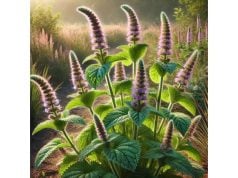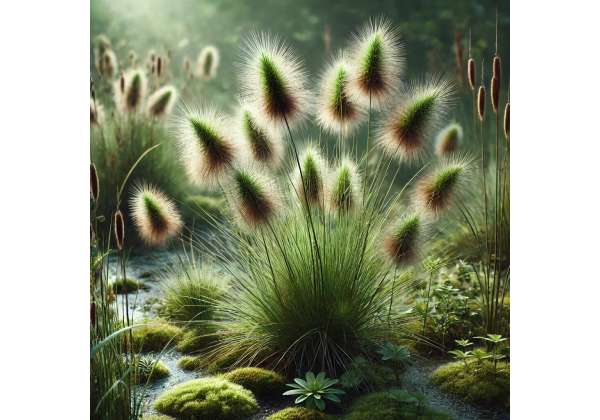
Hairy galingale, botanically known as Cyperus pilosus, is a grass-like sedge rather than a culinary spice. It belongs to the Cyperaceae family, a group that includes many wetland and field plants used in traditional medicine across Asia. Although it is far less famous than galangal or nutgrass, hairy galingale has drawn interest for a few reasons: its traditional use for itchy skin and minor inflammatory complaints, its naturally occurring flavonoids and terpenoid-like compounds, and its early laboratory signs of antimicrobial and antioxidant activity.
What makes this herb unusual is the gap between tradition and modern proof. It appears in regional ethnobotanical records, yet it is not a mainstream supplement with standardized capsules, established therapeutic dosing, or strong human trial data. That means it is best approached as a niche traditional herb with promising chemistry, not as a proven treatment. The most responsible way to understand hairy galingale is to look at all three layers together: what it is, what compounds it contains, and what the current evidence can and cannot support.
Essential Insights
- Hairy galingale is mainly discussed for minor skin irritation, traditional itch relief, and possible antimicrobial support.
- Its best-known compounds include luteolin-related flavonoids and aromatic constituents such as alpha-cadinol.
- No standardized human dose exists; a conservative tea range is about 1 to 2 g dried herb per 200 to 250 mL water, once or twice daily.
- Avoid medicinal use during pregnancy, breastfeeding, and in children unless a qualified clinician advises it.
- Stop use if it causes rash, stomach upset, dizziness, or worsening irritation.
Table of Contents
- What is hairy galingale
- Key ingredients and medicinal properties
- What benefits might it offer
- How hairy galingale is used
- How much to take
- Safety, side effects, and interactions
- What the evidence actually shows
What is hairy galingale
Hairy galingale is a small annual or short-lived perennial sedge that grows in moist ground, paddy edges, ditches, disturbed wetlands, and other seasonally wet habitats. In practical terms, it behaves more like a field and marsh plant than a kitchen herb. That alone explains why many readers have never seen it sold in tea bags, tinctures, or retail capsules.
One important point comes first: hairy galingale is not the same plant as galangal. Galangal belongs to the ginger family and is a culinary rhizome used in Southeast Asian cooking. Hairy galingale belongs to the sedge family and is closer, botanically, to other Cyperus species that appear in traditional medicine and weed ecology. The similar common name can easily mislead shoppers, so identification matters.
Traditionally, Cyperus pilosus seems to have been used in local rather than global herbal systems. Historical and ethnobotanical records suggest that it was known in parts of South and East Asia as a useful wetland plant, with medicinal, fiber, and fodder uses. The medicinal use most often linked to this species is relief of itching or irritated skin. That does not prove effectiveness by modern standards, but it gives a clue about where the plant earned its reputation.
From a practical herbal perspective, hairy galingale is best thought of as a low-profile traditional botanical with limited commercialization. It is not a standard pharmacy herb, and there is no widely accepted monograph that fixes its official medicinal part, extraction ratio, or therapeutic dose. In most discussions, it appears as a crude plant material or experimental extract rather than a finished, standardized product.
Why does that matter? Because the same plant can look promising on paper and still remain clinically uncertain. A niche herb like this may have:
- A clear botanical identity.
- A documented traditional role.
- Interesting phytochemicals.
- Preliminary laboratory activity.
But it may still lack:
- Human trials.
- Long-term safety data.
- Standardized manufacturing.
- Quality-control benchmarks for consumer products.
That is exactly the position hairy galingale occupies today. For readers, the smart takeaway is not to dismiss it, but to place it correctly. This is a traditionally noted sedge with early scientific interest, especially around skin comfort and antimicrobial potential, yet it is not a proven modern remedy.
Key ingredients and medicinal properties
The appeal of hairy galingale comes mostly from its chemistry. Species-specific reports identify compounds such as alpha-cadinol, luteolin, luteolin 5-methyl ether, and cyperaquinone in Cyperus pilosus. These names matter because they help explain why researchers consider the plant worth studying.
Luteolin and related flavonoids are often associated with antioxidant and inflammation-modulating effects in laboratory settings. In broad terms, flavonoids can help neutralize reactive molecules, influence signaling pathways tied to inflammation, and contribute to tissue protection. That does not mean the herb automatically works in people, but it gives a reasonable mechanism for traditional claims involving irritation and discomfort.
Alpha-cadinol belongs to the sesquiterpene family, a class of aromatic compounds often found in essential oils and plant defense chemistry. Sesquiterpenes are frequently investigated for antimicrobial, anti-inflammatory, and protective bioactivity. In a plant like hairy galingale, these compounds may act less like a single “magic ingredient” and more like part of a wider chemical pattern.
Cyperaquinone is especially interesting because quinone-type compounds often show strong biological reactivity. In medicinal plant research, quinones are watched for possible antimicrobial and redox-related activity. The presence of a quinone does not guarantee safety or efficacy, but it does suggest that the plant is chemically active enough to deserve careful, targeted study.
Taken together, the key medicinal properties most reasonably associated with hairy galingale are:
- Mild antioxidant potential.
- Possible antimicrobial action.
- Possible inflammation-modulating effects.
- Traditional soothing use for itchy or irritated skin.
What is just as important is what these compounds do not tell us. They do not tell us:
- The best dose for humans.
- The safest preparation method.
- Whether the whole herb works better than an extract.
- Whether benefits seen in a test tube survive digestion and metabolism.
This is why compound lists should be read as clues, not conclusions. In herbal medicine, chemistry provides plausibility, not proof.
Another practical point is that preparation changes chemistry. A water infusion, alcohol extract, hydroethanolic extract, or crude paste may pull out different groups of compounds. Flavonoids may come through well in one preparation, while more lipophilic compounds show up better in another. That is one reason why traditional herb use is often inconsistent from one source to another: people may be working with different plant parts, different solvents, and different strengths.
For readers comparing hairy galingale with better-studied aromatic herbs, the difference is not that hairy galingale lacks interesting molecules. It is that the evidence chain is much shorter. Its chemistry is promising enough to justify cautionary interest, but not strong enough to justify bold claims.
What benefits might it offer
The most credible way to discuss hairy galingale’s benefits is to separate likely, possible, and unproven uses.
The likely traditional benefit is support for minor itchy or irritated skin. Historical use records point in that direction, and the plant’s flavonoid and sesquiterpene profile makes the idea biologically plausible. In real life, that could mean using a mild wash, compress, or short-contact topical preparation for non-serious irritation. The realistic goal would be comfort, not cure.
A second possible benefit is mild antimicrobial support. Species-specific laboratory work suggests that certain extracts can inhibit bacterial growth under controlled conditions. That is scientifically interesting, especially for a plant with folk relevance, but it is still early-stage evidence. A lab result does not mean the herb can treat a skin infection, urinary infection, or digestive infection in a person. Concentration, tissue penetration, formulation, and safety all matter.
A third possible area is low-grade inflammatory stress. Because hairy galingale contains flavonoid and quinone-related chemistry, it may have the ability to reduce some inflammatory signaling or oxidative burden in preclinical models. If that holds up, it would fit its traditional use profile. Still, this remains a hypothesis rather than a clinically established benefit.
The most realistic benefits, then, are modest:
- Temporary soothing for minor itch or irritation.
- Limited support for skin hygiene when used as a wash.
- Experimental antioxidant and anti-inflammatory interest.
- Possible complementary rather than primary use.
What should readers not expect from it?
- It is not a proven antibiotic.
- It is not a standard eczema treatment.
- It is not a clinically validated anti-inflammatory supplement.
- It is not a substitute for diagnosis when a rash spreads, oozes, becomes painful, or lasts more than a few days.
That realism matters. Many obscure herbs are either dismissed too quickly or overhyped too aggressively. Hairy galingale fits neither extreme. It seems most useful as a niche botanical that may support mild, self-limited complaints, especially in traditional topical use, but it has not earned the evidence level needed for stronger claims.
If your goal is relief of minor, non-urgent skin irritation, a cautious, short-term topical trial may be the most sensible way this herb would traditionally be explored. If your goal is a well-established herbal option for topical soothing, witch hazel for topical care has broader modern familiarity and clearer product forms.
In practical terms, hairy galingale may be worth considering only when the expectation is modest and the user is careful. It is a “maybe helpful” herb, not a “proven answer” herb. That distinction protects both safety and credibility.
How hairy galingale is used
Hairy galingale is not commonly sold in standardized consumer products, so its use tends to be traditional, homemade, or research-oriented rather than commercial. That means the form matters almost as much as the herb itself.
The most practical forms are usually simple water-based preparations and topical applications. Since the strongest traditional signal for this species points toward itch and mild irritation, external use makes the most sense as a first-line traditional approach. Internal use is less clearly established and should be more cautious.
Common preparation styles include:
- Infusion
A light tea made by steeping dried plant material in hot water. This is the gentlest internal form and the easiest way to test tolerance. - Decoction
A stronger water preparation made by simmering the herb for a longer time. This may extract more material but can also make the preparation harsher or more bitter. - Wash or rinse
A cooled infusion or decoction applied to the skin with clean cotton or gauze. This is the most reasonable traditional-style use for minor itching or surface irritation. - Compress
A cloth soaked in the preparation and placed briefly on the affected area. This works best for localized discomfort. - Fresh or moistened paste
In traditional settings, crushed plant material may be applied externally. In modern practice, this is less predictable and more likely to irritate sensitive skin, so it is not the best starting method.
A practical topical routine would look like this:
- Prepare a mild infusion or decoction.
- Let it cool fully.
- Patch-test on a small area first.
- Apply once daily for one to three days.
- Stop if burning, redness, or increased itching appears.
For internal use, simplicity is safest. Start with a weak preparation rather than a concentrated extract. Drink it after food, not on an empty stomach, especially if you have a sensitive stomach. Because there is no standardization, stronger is not necessarily better.
What about capsules, powders, and tinctures? They may exist in small specialty markets, but they are not well standardized for this species. If a product does not clearly list the botanical name, plant part, extraction method, and dose, it is better avoided. Misidentification is a real issue with obscure herbs, especially those with names that resemble better-known spices.
Hairy galingale is best used as a short-term, limited-purpose herb. It is not the kind of plant that should quietly become a daily wellness staple without a clear reason. For digestive complaints, many people are better served by peppermint for digestive support, which has more familiar forms and a stronger use tradition in modern herbal practice.
How much to take
There is no clinically established human dose for hairy galingale. That is the most important sentence in this section. Any dosage advice for Cyperus pilosus should therefore be treated as conservative, traditional-style guidance rather than an evidence-based therapeutic standard.
If someone chooses to use it despite the limited data, the safest approach is to start low, use short courses, and monitor closely. A practical framework looks like this:
- Mild infusion: 1 to 2 g dried herb in 200 to 250 mL hot water, steeped 10 to 15 minutes.
- Daily frequency: once daily at first, then up to twice daily if well tolerated.
- Stronger decoction: 2 to 5 g dried herb per day in divided servings, simmered gently rather than boiled hard.
- Topical wash or compress: 2 to 5 g dried herb in 250 mL water, cooled before use.
Timing matters too. For internal use, taking it after meals is the more cautious choice. That may reduce the chance of stomach irritation and also makes it easier to judge whether the herb itself causes any nausea, cramping, or loose stool.
Duration should stay short unless a qualified practitioner advises otherwise:
- Internal trial: 3 to 7 days for an exploratory short course.
- Topical trial: 1 to 5 days for a localized, minor issue.
- Maximum self-directed duration: about 1 to 2 weeks, then reassess.
Do not keep increasing the dose because the herb feels “natural.” With poorly studied plants, higher intake may simply increase irritation risk without adding benefit.
Several variables can change the right amount:
- The plant part used.
- Fresh versus dried herb.
- Water versus alcohol extraction.
- Body size and sensitivity.
- Whether the use is internal or topical.
- Whether other herbs or medicines are taken at the same time.
A few sensible rules help keep dosing safer:
- Begin with the lowest end of the range.
- Use one preparation method at a time.
- Avoid combining with multiple new herbs on the same day.
- Write down the dose, time, and any reaction.
Topical dosing deserves special care. More concentrated does not always mean more soothing. A strong wash can irritate already inflamed skin. For that reason, weaker preparations are often the better place to begin.
If the goal is symptom relief for something persistent, recurrent, or severe, self-experimenting with dose escalation is the wrong move. At that point, proper diagnosis matters more than herbal adjustment. Hairy galingale is best treated as a cautious short-course herb, not a long-term supplement with a target daily intake.
Safety, side effects, and interactions
Safety is where restraint matters most with hairy galingale. Because this herb lacks strong human data, the safest assumption is not that it is dangerous, but that its full risk profile is still unclear. That means sensible caution should come before enthusiasm.
The side effects most likely to appear first are the usual ones seen with many lesser-known herbs:
- Mild stomach upset.
- Nausea.
- Loose stool.
- Bitter aftertaste.
- Skin irritation or redness with topical use.
- Contact allergy in sensitive people.
Topical reactions deserve extra attention because the plant is traditionally linked with itch-related use. An herb that helps one person’s irritated skin could easily worsen another person’s irritation if the preparation is too strong, contaminated, or applied to broken skin. Always patch-test before broader use.
Who should avoid it?
- Pregnant people.
- Breastfeeding people.
- Infants and young children.
- Anyone with a known allergy to sedges or to herbal topical preparations.
- People with major liver or kidney disease unless their clinician approves it.
- Anyone taking multiple medications with a narrow safety margin.
Medication interactions have not been well defined for Cyperus pilosus, but unknown risk is still risk. Until better data exist, extra caution makes sense with:
- Blood thinners.
- Anti-inflammatory drugs used regularly.
- Sedatives.
- Diabetes medicines.
- Immunosuppressive drugs.
- Prescription skin treatments applied to the same area.
That does not mean a documented interaction is certain. It means the evidence is too thin to rule interaction out with confidence.
Stop use and seek medical advice if any of these happen:
- Rash spreads or becomes painful.
- Swelling develops.
- Breathing feels tight.
- Vomiting or severe diarrhea occurs.
- A skin problem looks infected.
- Symptoms persist beyond a short trial.
Another safety issue is plant identification. Since “galingale” sounds similar to galangal, product confusion is possible. Using the wrong plant can completely change both effect and safety. The label should clearly state Cyperus pilosus. If it does not, do not assume it is the right herb.
Quality is also a real concern. Obscure wetland plants can be contaminated with microbes, soil residues, or heavy metals if they are poorly handled. Avoid wild-harvested material from polluted ditches, roadside wetlands, or agricultural runoff zones.
For readers who want a broader benchmark for how herb safety should be weighed before regular use, Boswellia research on inflammation offers a useful contrast: clearer products, better-defined dosing discussions, and a much deeper evidence base. Hairy galingale has not reached that level.
What the evidence actually shows
Hairy galingale sits in the “interesting but early” category of medicinal plants. The evidence can be organized into four layers.
First, there is ethnobotanical evidence. This tells us the plant had recognized uses in some traditional settings, especially around itching and general medicinal value. Ethnobotany is meaningful because it shows repeated human attention across place and time. Still, it does not prove effectiveness in the way a clinical trial does.
Second, there is phytochemical evidence. This is stronger than folklore but still indirect. Researchers have identified flavonoids, sesquiterpene-type constituents, and quinone-related compounds in Cyperus pilosus. That supports the idea that the herb has biologically active chemistry and is not just an inert plant.
Third, there is early laboratory evidence. A recent species-specific study reported antibacterial activity from a hydroethanolic extract against E. coli at a relatively high minimum inhibitory concentration. That is important as a proof of concept, but it remains a bench result. It does not establish that a tea, wash, or capsule would perform the same way in real people.
Fourth, there is broader genus-level evidence. Reviews of Cyperus species describe antioxidant, anti-inflammatory, antimicrobial, and other bioactivities across the group. This helps explain why hairy galingale is scientifically plausible. But genus-level evidence is still not the same as species-level clinical evidence. One Cyperus species can differ substantially from another in chemistry, potency, and safety.
So what is missing?
- Human clinical trials focused on Cyperus pilosus.
- Standardized extracts for comparison.
- Dose-finding studies.
- Long-term safety data.
- Clear interaction data.
- Modern treatment guidelines that include the herb.
Because of those gaps, the most accurate verdict is this: hairy galingale is a traditional herb with credible ethnobotanical interest and early phytochemical support, but its medical use remains preliminary. It may deserve more research, especially for mild topical applications and antimicrobial investigation, yet it is not ready to be presented as a proven therapeutic herb.
That conclusion may sound cautious, but it is actually useful. It tells readers exactly how to think about the plant:
- Worthy of academic and traditional interest.
- Reasonable for cautious, short-term exploration.
- Unsuitable for replacing standard care.
- Not strong enough for bold health promises.
In herbal writing, honesty is more helpful than hype. Hairy galingale’s strength is not that it does everything. Its strength is that it offers a narrow but intriguing profile that could become clearer as better studies appear.
References
- Cyperus spp.: A Review on Phytochemical Composition, Biological Activity, and Health-Promoting Effects 2021 (Review)
- Natural Products in Cyperus Species (Cyperaceae): Phytochemistry, Pharmacological Activities, and Biosynthesis 2025 (Review)
- Cyperaceae species used for the treatment of inflammation: A review of ethnomedicinal, pharmacological, toxicological, and phytochemical evidence 2022 (Review)
- Diversity of wetland plants used traditionally in China: a literature review 2014 (Literature Review)
- Antibacterial evaluation of Cyperus pilosus Vahl (Cyperaceae): a phytochemical perspective 2025 (Book Chapter)
Disclaimer
This article is for educational purposes only and is not a diagnosis or a treatment plan. Hairy galingale is a lesser-studied herb with limited human safety and effectiveness data. Do not use it to self-treat severe itching, infected skin, fever, persistent digestive symptoms, allergic reactions, or any condition that is worsening. Pregnant or breastfeeding people, children, and anyone with chronic illness or regular prescription medication should speak with a qualified healthcare professional before medicinal use.
If you found this article helpful, please share it on Facebook, X, or your preferred platform to help others find reliable, balanced herbal information.