Hare’s ear, best known in herbal practice as Bupleurum falcatum, is a traditional medicinal root with a long history in East Asian herbal systems. It is valued less as a stand-alone home remedy and more as a “harmonizing” herb used to support the liver, digestion, immune signaling, and stress-related symptom patterns. Modern interest centers on its saikosaponins, a group of triterpenoid compounds that appear to influence inflammation, oxidative stress, and cell signaling.
What makes hare’s ear especially interesting is that it sits between tradition and modern pharmacology. In classical practice, it is used for patterns involving chest or rib-side tension, digestive stagnation, low appetite, irritability, and feverish states. In research, it is studied for hepatoprotective, anti-inflammatory, immunomodulatory, and neuroactive effects. Still, the evidence is mixed. Many promising findings come from laboratory work, animal studies, or multi-herb formulas rather than strong clinical trials on Bupleurum falcatum alone.
That means hare’s ear may be useful, but it works best when approached carefully, with realistic expectations and close attention to safety.
Essential Insights
- Hare’s ear is mainly valued for saikosaponins, which show anti-inflammatory and liver-related activity in preclinical research.
- The herb is often used for stress-linked digestive tension, low appetite, and liver-pattern complaints rather than as a broad tonic.
- A traditional dried-root range is often about 3 to 10 g per day in decoction, usually under practitioner guidance.
- High doses, long-term use, and some multi-herb formulas may raise liver-safety concerns in susceptible people.
- Pregnant or breastfeeding people, children, and anyone with liver disease or complex medication use should avoid self-prescribing it.
Table of Contents
- What is hare’s ear
- Key compounds in bupleurum
- What can it help with
- Does it support the liver
- How is hare’s ear used
- How much hare’s ear per day
- Side effects and interactions
- What does the research show
What is hare’s ear
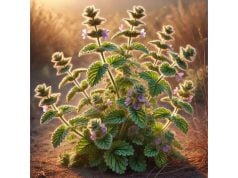
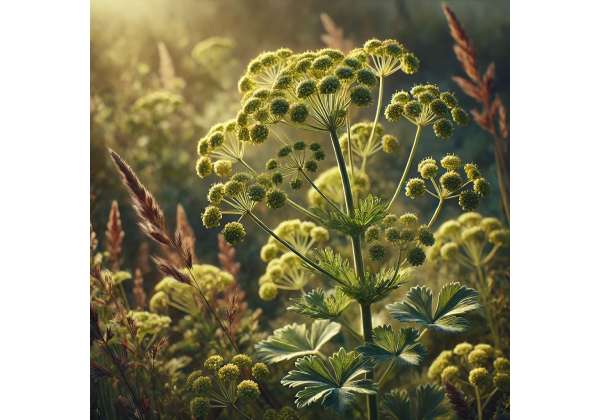
Hare’s ear is the common name used for Bupleurum falcatum, a slender flowering plant in the carrot family. The medicinal part is the root, not the leaf or flower. In traditional practice, the dried root is used in decoctions, powders, granules, and classic multi-herb formulas. Its long, narrow leaves give the plant its English name, but in herbal medicine the real focus is underground, where the bioactive constituents are concentrated.
One of the most important points for readers is that hare’s ear belongs to a larger Bupleurum family used across East Asian medicine. In modern writing, the name “bupleurum” is often used loosely, even though different species may not be identical in chemistry or clinical behavior. That matters because some historical and clinical findings come from the broader category of Bupleuri radix rather than from Bupleurum falcatum alone. In other words, hare’s ear has a real traditional identity, but the research record often blends it with related species.
Traditionally, hare’s ear is considered a regulating herb rather than a simple symptom suppressant. It is commonly discussed in patterns that involve alternating fever and chills, tension or fullness along the ribs, digestive sluggishness, poor appetite, emotional irritability, and menstrual discomfort linked with stagnation. In practical terms, herbalists often turn to it when a person feels “stuck” rather than simply inflamed, exhausted, or infected. That pattern-based use is one reason the herb can seem hard to understand from a purely modern supplement lens.
Its reputation also comes from its role in formulas rather than solo use. In classical East Asian medicine, hare’s ear is often combined with roots, barks, or rhizomes that support digestion, calm irritability, direct qi movement, or protect the stomach. That formula context may be part of why some people find it helpful and others do not. A single isolated herb does not always reproduce what a traditional formula was designed to do.
Modern readers sometimes assume that “liver herb” means detox tea or enzyme support capsule. Hare’s ear is more nuanced than that. Its traditional role overlaps with liver-related patterns, but it also touches digestion, stress response, immune signaling, and inflammatory regulation. That makes it more sophisticated than a one-note remedy, but it also makes self-prescribing trickier.
A grounded way to think about hare’s ear is this: it is an herbal root with a long traditional history, a meaningful pharmacological profile, and a narrower self-care role than many wellness sites suggest. It is not a culinary herb, not a daily tonic for everyone, and not a substitute for medical evaluation when symptoms point to liver, gallbladder, or systemic illness.
Key compounds in bupleurum
The best-known active compounds in hare’s ear are saikosaponins, a family of triterpenoid saponins that appear to drive much of the herb’s modern research profile. These compounds are the reason Bupleurum species keep showing up in studies on inflammation, immune signaling, liver protection, cell survival, and stress-related pathways. Among them, saikosaponin a and saikosaponin d are the most discussed.
Saikosaponins matter because they are biologically active in several directions at once. In laboratory and animal research, they have been linked with effects on inflammatory messengers, oxidative stress, fibrosis-related pathways, and certain immune responses. That helps explain why hare’s ear has been used historically in conditions involving fever, chest and rib discomfort, digestive irritation, and chronic inflammatory patterns.
But saikosaponins are not the whole story. Hare’s ear root also contains:
- Flavonoids
- Volatile oils
- Sterols
- Polyacetylenes
- Polysaccharides
- Minor phenolic compounds
These compounds likely contribute to the herb’s broader actions, including antioxidant effects and modulation of immune activity. In real herbal practice, whole-root activity may reflect the combined behavior of many constituents rather than a single “magic” molecule.
There is also an important safety angle hidden inside the chemistry. The same compounds that make hare’s ear pharmacologically interesting may also help explain some of its risks. Higher concentrations of saikosaponins and other constituents have been linked in experimental work to liver cell stress, changes in metabolic enzymes, and drug interaction concerns. That is a recurring theme with potent botanicals: the active chemistry that creates benefit is often the same chemistry that demands respect.
Another useful nuance is that compound levels vary. Species, growing conditions, harvest time, processing method, and extract type can all change the final chemistry. A traditional water decoction of root is not equivalent to a concentrated alcohol extract or isolated saikosaponin fraction. This is one reason dosage guidance can feel frustratingly inconsistent. Two products both labeled “bupleurum” may not behave the same way in the body.
From a consumer perspective, the biggest takeaway is that hare’s ear is not an herb of vague folklore. It has a real chemical backbone. The difficulty is not whether it contains active compounds. It clearly does. The real issue is translating that chemistry into safe, predictable, well-studied human use.
Compared with gentler herbs, hare’s ear has a more technical profile. It is a root with meaningful pharmacology, not just a plant tea with mild soothing effects. That makes it potentially valuable in skilled hands, but it also makes casual high-dose use less appealing. Readers who understand this point usually make better decisions about when the herb is appropriate and when it is better left to practitioner-guided formulas.
What can it help with
Hare’s ear is one of those herbs whose traditional use is broader than its modern evidence base. In practice, it is most often discussed for patterns involving liver tension, digestive discomfort, low appetite, emotional irritability, mild feverish illness, and stress-related physical symptoms. That does not mean it is proven for all of those uses. It means those are the areas where tradition and modern interest overlap most clearly.
A realistic list of possible support areas includes:
- Rib-side tightness or fullness linked with digestive stress
- Low appetite and bloating during tension-heavy periods
- Mild inflammatory states
- Mood irritability and stress-related somatic symptoms
- Menstrual discomfort associated with stagnation patterns
- Recovery support inside multi-herb formulas
One reason people find hare’s ear confusing is that it rarely behaves like a simple symptom herb. It is not as straightforward as peppermint for gas or ginger for nausea. Instead, it is often used when emotional strain, digestive slowdown, and a sense of internal “constraint” occur together. That pattern-based logic is very different from mainstream supplement marketing.
There is also interest in its role for mood. Some modern reviews discuss Bupleurum compounds and formulas in depression-related research. Still, the strongest signals tend to come from formula studies rather than from isolated hare’s ear root used alone. That means it may have a role in broader emotional regulation strategies, but it should not be presented as a stand-alone antidepressant or direct replacement for standard care. Readers comparing it with better-known stress-support herbs should keep that distinction in mind.
For inflammation, the data are promising but still preclinical. Saikosaponins and related extracts show anti-inflammatory behavior in cell and animal models, which fits well with historical use in feverish and inflammatory patterns. Yet preclinical activity is not the same as dependable symptom relief in real people.
Digestive support may be one of the most practical areas of use, especially when appetite drops during stress or when bloating, tension, and poor digestive flow appear together. Even here, however, the herb is usually used as part of a larger strategy rather than as a single-ingredient quick fix.
The best way to summarize the benefit question is this: hare’s ear may help most when the problem is mixed, not isolated. It is less about treating one symptom in a vacuum and more about shifting a cluster of symptoms tied to tension, digestive stagnation, and inflammatory load. That is a sophisticated use case, but it also means the herb is easy to misuse when people expect it to work like a broad “wellness booster.”
If a reader wants one plain answer, it is this: hare’s ear may be worth considering for liver-digestive stress patterns and certain formula-based applications, but it is not a first-choice self-treatment herb for common everyday complaints.
Does it support the liver
Liver support is the single biggest reason most people look up hare’s ear. Traditional East Asian systems have long associated Bupleurum roots with liver-related patterns, including hypochondriac discomfort, irritability, digestive disruption, and chronic inflammatory states. Modern laboratory research gives some support to that reputation, but the story is more complicated than “good for the liver.”
On the promising side, Bupleurum compounds have shown anti-inflammatory, antioxidant, and anti-fibrotic effects in preclinical models. Saikosaponin d, in particular, has drawn attention for influencing inflammatory cascades, oxidative stress pathways, and cell survival signals relevant to liver injury. This is why the herb appears again and again in discussions of hepatitis, fibrosis, and hepatoprotection.
Yet hare’s ear also comes with a genuine liver-safety paradox. Some reports and observational data suggest that Bupleurum-containing formulas can be associated with liver injury in susceptible patients, especially at higher doses, with prolonged use, or in the context of viral hepatitis and complex multi-herb prescribing. That does not mean the herb is uniformly hepatotoxic. It means liver support and liver risk can exist in the same plant depending on dose, preparation, context, and patient vulnerability.
That paradox is exactly why hare’s ear should not be treated like a casual “detox herb.” It is better understood as a potent liver-active herb with bidirectional potential. In carefully selected contexts, it may help regulate inflammatory and immune processes that affect the liver. In poorly selected contexts, it may add metabolic strain or complicate an already stressed system.
This is where comparison can be helpful. Relative to more established liver-support herbs, hare’s ear is less straightforward. Milk thistle is usually discussed in a narrower hepatoprotective frame. Hare’s ear, by contrast, sits at the crossroads of liver physiology, immune modulation, systemic inflammation, mood patterns, and formula design. That breadth is part of its appeal, but also part of its risk.
For self-care, a few rules matter:
- Do not use hare’s ear to self-treat jaundice, dark urine, unexplained fatigue, pale stool, right upper abdominal pain, or abnormal liver tests.
- Do not assume a “liver herb” is automatically liver-safe at any dose.
- Do not combine it casually with other strong hepatically active supplements.
- Do not keep escalating the dose because a product feels “natural.”
The most accurate conclusion is that hare’s ear may support the liver in some settings, especially inside properly constructed formulas, but it is not a universal liver tonic. It is a herb that deserves more nuance than the detox language often wrapped around it. If liver health is the reason for use, medical context matters at least as much as herbal tradition.
How is hare’s ear used
Hare’s ear is used mainly as dried root. Unlike many household herbs, it is not typically taken as a casual tea from the pantry. The root is usually sliced, decocted, powdered, or extracted, and in traditional practice it is far more common in formulas than on its own.
The main forms include:
- Dried root pieces for decoction
- Powdered root
- Granules made from concentrated decoction
- Capsules or tablets
- Liquid extracts and tinctures
- Classical multi-herb formulas containing Bupleurum root
A decoction is the most traditional approach. The root is simmered rather than lightly steeped, often for 20 to 30 minutes, because it is a dense medicinal root. This preparation is usually paired with other herbs chosen for digestion, fluid balance, heat clearing, or emotional regulation. In formula design, hare’s ear is frequently combined with roots and rhizomes that soften the stomach impact, guide the formula, or broaden its clinical reach. It is often discussed alongside warming digestive herbs when the goal is to regulate without overwhelming digestion.
Granules and capsules are more practical for modern users, but they come with one major weakness: dose equivalence is not always obvious. A label may list milligrams of extract without telling you how that relates to crude root. This matters because hare’s ear is not a good herb for guesswork.
People sometimes ask whether it can be used as a daily tonic. In most cases, that is not the best fit. Hare’s ear is more targeted than that. It is typically used for a defined purpose, over a defined period, with attention to symptom pattern and tolerance. That may be a short course during a flare of digestive and stress-related symptoms or a more structured period within practitioner-supervised care.
A sensible use checklist looks like this:
- Use the root, not random aerial parts.
- Choose a reputable product with clear species labeling.
- Favor formulas or guidance when the reason for use is complex.
- Start low, especially if you are new to the herb.
- Reassess rather than assuming longer use is always better.
It is also worth saying that hare’s ear is not a good candidate for impulsive use during serious illness. If someone has fever with jaundice, persistent nausea, sharp rib-side pain, or worsening fatigue, the answer is medical evaluation first.
In practical terms, hare’s ear works best when used deliberately. It is a technical herbal tool, not a trendy daily add-on. Readers who treat it that way usually avoid both disappointment and unnecessary risk.
How much hare’s ear per day
Dose is one of the most important questions with hare’s ear because the line between useful and excessive is not something readers should guess at. Traditional references often place crude dried root in the range of about 3 to 10 g per day, usually prepared as a decoction. Some practitioners work closer to 3 to 9 g, while others adjust within formula context based on constitution, symptom pattern, and the other herbs present.
A practical way to think about dosage is by preparation type:
- Dried root decoction: often around 3 to 10 g per day
- Granules: varies by concentration and manufacturer, so label conversion matters
- Capsules or tablets: highly variable, often based on extract ratio rather than crude root weight
- Tinctures: product-specific and difficult to generalize safely without concentration details
For most self-directed users, the safest approach is not to start at the top of the traditional range. Beginning lower and watching for tolerance makes more sense, especially if the product is unfamiliar or combined with other herbs. Hare’s ear is not a herb where “more” reliably means “better.”
Timing also matters. Many people tolerate it better with food or after meals, especially in capsule or powder form. In traditional decoctions, it is often taken once or twice daily depending on the formula. For short-term pattern support, the herb may be used over days to a few weeks. For longer use, practitioner oversight becomes much more important because liver safety, symptom evolution, and drug interaction risk need closer attention.
A few practical dose principles are worth keeping in mind:
- Match the dose to the form, not just the herb name.
- Be more cautious with extracts than with crude-root tea or decoction.
- Do not stack several Bupleurum-containing products.
- Avoid long-term unsupervised use.
- Reduce or stop use if symptoms worsen instead of improve.
People who should not self-dose include children, pregnant or breastfeeding people, and anyone with active liver disease or abnormal liver tests. The same caution applies to people taking several prescription medicines metabolized through the liver.
If you feel tempted to “push the dose” because the herb is traditional, that is the wrong mindset. Traditional use is not the same as unlimited safety. Hare’s ear is better used precisely than aggressively.
For most readers, the cleanest takeaway is this: a traditional crude-root range of roughly 3 to 10 g per day exists, but that should be treated as a practitioner-oriented reference point, not an invitation to self-prescribe at the high end.
Side effects and interactions
Hare’s ear is not one of the harshest herbs in traditional medicine, but it is potent enough to deserve careful safety screening. Mild side effects may include nausea, stomach upset, loose stool, dizziness, headache, fatigue, or an uneasy “wired” feeling in sensitive users. Some people tolerate it well inside formulas but react poorly to concentrated extracts or stand-alone products.
The more serious concern is liver safety. Although Bupleurum herbs are often discussed for liver support, excessive or prolonged use, inappropriate formulas, and preexisting liver vulnerability may increase risk. That is especially important for people with hepatitis, abnormal liver enzymes, known liver disease, or a history of herb-related liver injury.
Potential interaction concerns also deserve attention. Experimental work suggests that saikosaponins may affect drug-metabolizing enzymes and transport pathways, which means the herb could theoretically change how certain medications are handled. Extra caution is wise with:
- Medicines heavily metabolized by the liver
- Drugs with a narrow therapeutic range
- Immunosuppressive medications
- Complex psychiatric medication regimens
- Multi-drug antiviral or chronic disease treatment plans
This does not mean every interaction is proven in humans. It means the interaction question is credible enough that casual use is a poor idea when medications are involved.
The main “who should avoid it” groups are:
- Pregnant people
- Breastfeeding people
- Children unless specifically supervised
- People with active liver disease
- People with unexplained jaundice or abnormal liver tests
- People taking multiple prescription drugs
- People trying to self-treat hepatitis or gallbladder symptoms at home
There is also a practical issue with formulas. Hare’s ear often appears in combinations, and when side effects happen, the cause may not be obvious. Was it the Bupleurum? Another herb? The dose? The patient’s liver status? A drug interaction? Formula medicine can be effective, but it also makes safety tracking harder.
Warning signs that should prompt stopping the herb and getting professional advice include:
- New nausea that worsens over days
- Yellowing of the eyes or skin
- Dark urine
- Upper right abdominal pain
- Rash, swelling, or allergic symptoms
- Marked fatigue or unusual weakness after starting use
A good safety rule is this: hare’s ear is not a reasonable experiment when the body is already sending liver-warning signals. It may have a place in herbal care, but it is not a substitute for diagnosis. In the wrong context, the risk comes less from the herb being “bad” and more from the situation being too medically complex for home treatment.
What does the research show
The research on hare’s ear is substantial enough to be interesting, but not strong enough to justify inflated claims. The clearest evidence supports its phytochemistry and pharmacology. We know that Bupleurum roots contain saikosaponins and other active compounds, and we know these compounds can affect inflammatory, oxidative, immune, and fibrotic pathways in laboratory systems. That part is not speculative.
The next layer of evidence comes from animal studies and mechanistic research. These studies support several possible actions, including anti-inflammatory effects, liver-protective signaling, modulation of fibrosis pathways, and influence on mood-related biology. This is where much of the excitement around Bupleurum comes from. The problem is that preclinical promise often looks much cleaner than real clinical performance.
Human evidence is where the picture narrows. Some reviews suggest benefit in mood-related conditions, menopausal symptom patterns, or liver-related care, but much of the clinical literature involves multi-herb formulas rather than isolated Bupleurum falcatum. That makes it difficult to say with confidence what the single herb itself can do in everyday practice. It also means marketing language often outruns the data.
The strongest practical conclusions are these:
- Hare’s ear has genuine bioactive chemistry.
- It has a long and credible traditional history.
- It likely has real effects on inflammatory and liver-related pathways.
- Much of the modern human evidence is indirect, formula-based, or species-blended.
- Safety remains part of the story, not an afterthought.
This last point is especially important. A herb can be pharmacologically meaningful and still require caution. In fact, those two things often go together. Hare’s ear is a good example of that principle. It is more credible than a fad herb, but less clinically settled than many supplement articles imply.
For readers trying to decide whether it is worth exploring, the best answer is nuanced. Hare’s ear makes the most sense when used with a clear rationale, careful dosing, and attention to formula context. It makes less sense as a generic detox product, a self-treatment for liver disease, or a daily “just in case” supplement. If your goal is a more familiar herb for digestive or liver support, an herb such as artichoke for digestion and bile flow may feel more straightforward.
In the end, the research supports curiosity, but not hype. Hare’s ear deserves respect, not exaggeration. It is a serious herbal medicine with useful leads, important limitations, and a narrower safe role than many broad wellness articles admit.
References
- Research progress on the molecular mechanisms of Saikosaponin D in various diseases (Review) 2025 (Review)
- Bupleurum in Treatment of Depression Disorder: A Comprehensive Review 2024 (Review)
- A comprehensive review on traditional and modern research of the genus Bupleurum (Bupleurum L., Apiaceae) in recent 10 years 2023 (Review)
- Radix Bupleuri: A Review of Traditional Uses, Botany, Phytochemistry, Pharmacology, and Toxicology 2017 (Review)
- Risk of Liver Injury Associated with Chinese Herbal Products Containing Radix bupleuri in 639,779 Patients with Hepatitis B Virus Infection 2011 (Observational Study)
Disclaimer
This article is for educational purposes only and is not medical advice. Hare’s ear is a pharmacologically active herb with potential benefits and real safety considerations, especially around liver health, medication interactions, and long-term or high-dose use. Do not use it to diagnose, prevent, or treat hepatitis, jaundice, abnormal liver tests, depression, or other medical conditions without guidance from a qualified healthcare professional. Seek prompt medical care for yellowing of the skin or eyes, dark urine, persistent nausea, unexplained fatigue, or abdominal pain.
If this article helped you, please share it on Facebook, X, or your preferred platform.