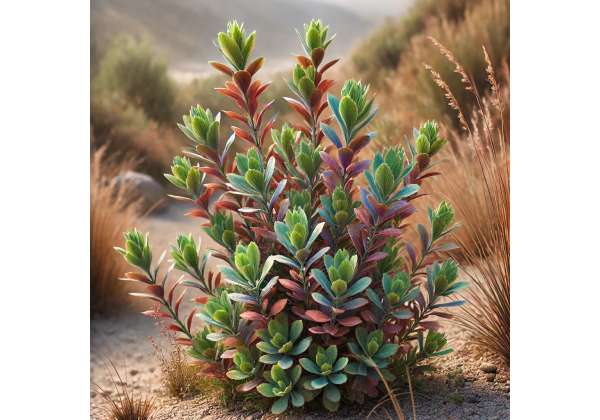
Himalayan saltbush, botanically Atriplex hortensis, is better known in many parts of the world as garden orache or mountain spinach. In Himalayan and trans-Himalayan settings, however, it has also been valued as a hardy edible plant that tolerates poor, dry, or saline conditions and provides useful greens when other vegetables are limited. That practical resilience is part of its appeal. It is not only a survival crop or a minor leafy herb. It is a food plant with a long record of culinary use, a modest place in folk medicine, and a growing scientific profile linked to pigments, minerals, antioxidants, and salt tolerance. The leaves can be eaten fresh in small amounts or cooked more generously, the seeds have nutritional interest of their own, and red-leaf forms are drawing attention for their betalain pigments. Still, this is not a classic medicinal herb with strong clinical trial data. Its most realistic strengths today are as a nutrient-dense leafy plant, a traditional digestive and household remedy in some regions, and a promising functional food rather than a proven therapeutic treatment.
Key Insights
- Himalayan saltbush works best as a nutrient-rich leafy food with secondary wellness value, not as a stand-alone medicinal cure.
- The leaves provide pigments, minerals, and antioxidant compounds that may support general dietary quality.
- A practical range is about 50 to 100 g cooked leaves as food, or 2 to 4 g dried leaf in an infusion once or twice daily.
- People with kidney stone risk, severe kidney disease, or strict sodium limits should be cautious with frequent or concentrated use.
- Red forms may contain more pigment-related antioxidants, but most health research is still preclinical.
Table of Contents
- What is Himalayan saltbush
- Key ingredients and active compounds
- Does Atriplex hortensis help
- How to use Himalayan saltbush
- How much per day
- Safety, side effects, and who should avoid it
- What the research really says
What is Himalayan saltbush
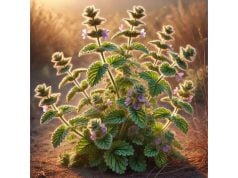
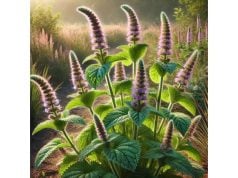
Atriplex hortensis is an annual leafy plant in the amaranth family. It is often called garden orache, mountain spinach, red orache, or simply orache, depending on region and cultivar. The name Himalayan saltbush is less common in modern horticulture, but it fits part of the plant’s ecological personality. This is a species that handles salinity unusually well, grows in difficult conditions, and has long been valued in dry and mountain landscapes as an edible green with practical staying power.
One reason the plant deserves a closer look is that it sits at the intersection of food, agriculture, and folk medicine. Unlike many herbs discussed purely for extracts or capsules, Atriplex hortensis is first and foremost a plant people eat. Young leaves are added to soups, stews, pies, stuffed dishes, and spring greens mixtures. In Himalayan and Central Asian contexts, it has also been noted as an indigenous vegetable. That food-first identity is important because it changes the way health claims should be interpreted. A leafy plant eaten in meals is not the same as a concentrated medicinal extract.
Historically, the plant seems to have been appreciated for three broad reasons:
- It is resilient in poor, saline, or dry soils.
- It offers edible leaves at times when other greens may be limited.
- It has a record of traditional household uses, especially for digestion, circulation, or mild cleansing purposes.
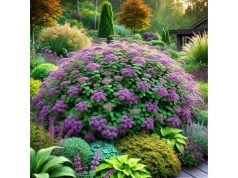
The leaves may be green, red, or bronze depending on the cultivar. Red forms, especially Atriplex hortensis var. rubra, have become especially interesting to researchers because they contain betalain pigments. These are the same broad class of colorful compounds that attract attention in beetroot and other vivid plants.
For practical readers, the most useful way to frame Himalayan saltbush is not as a mysterious healing plant but as an underused leafy crop with nutritional and phytochemical value. It belongs in the same broad conversation as other traditional greens such as amaranth leaves, where food value comes first and medicinal potential comes second. That matters because expectations shape outcomes. If someone expects a dramatic herbal effect, they may be disappointed. If they view it as a robust vegetable with a modest wellness profile, the plant makes much more sense.
It is also worth noting that Atriplex hortensis is not identical to every other saltbush species. The Atriplex genus is large, and general statements about old man saltbush or desert saltbush do not automatically apply here. This article focuses on Atriplex hortensis specifically, which is best understood as a leafy edible species with some traditional medicinal associations and a growing research story around pigments, nutrition, and stress tolerance.
Key ingredients and active compounds
The chemistry of Himalayan saltbush helps explain why it draws interest from both nutrition researchers and herbal readers. Atriplex hortensis is not famous for one signature molecule in the way turmeric is linked to curcumin or garlic to sulfur compounds. Instead, it offers a layered mix of nutrients and bioactive compounds that seem to work together.
The plant’s leaves and seeds have been associated with useful protein content, minerals, and pigment compounds. The exact composition changes with cultivar, plant age, soil, and salinity, but several groups of compounds matter most:
- Betalains, especially in red-leaf forms.
- Phenolic compounds with antioxidant potential.
- Carotenoids and chlorophyll-associated pigments.
- Minerals, including potassium, calcium, magnesium, and sodium.
- Leaf proteins and amino acids.
- Nitrate and oxalate, which matter for both plant physiology and human safety.
Betalains deserve special attention because they are one of the main reasons red orache is now being studied as more than a forgotten vegetable. These pigments contribute to color, but they may also influence antioxidant capacity and inflammatory signaling in laboratory models. That does not mean a bowl of orache acts like a medicine, but it does suggest that red cultivars may offer more functional-food value than plain green ones.
Phenolics and carotenoids add a second layer. These compounds are commonly linked with antioxidant behavior and plant defense. In real dietary terms, they may help support the idea that Himalayan saltbush can be part of a varied, colorful, plant-rich eating pattern. That is a more realistic interpretation than calling it an anti-inflammatory cure.
Minerals are another reason the plant matters. Salt-tolerant species often handle sodium differently from ordinary vegetables, and Atriplex hortensis can accumulate salts under certain growing conditions. That makes it agronomically interesting but also means that growing conditions influence nutrition and safety. In some settings, the plant can be a rich source of useful minerals. In others, it may also bring higher sodium, nitrate, or oxalate loads than expected.
This dual nature is one of the most important practical points in the article. The same features that make Himalayan saltbush hardy and adaptive can also create nutritional trade-offs. A resilient halophyte is not automatically a low-risk daily superfood.
For readers comparing it with other nutrient-dense leafy plants, it may be helpful to think of Himalayan saltbush as closer to watercress or other mineral-rich greens than to a mild culinary herb. Its value lies in density, color, and adaptability. But density cuts both ways. Along with beneficial pigments and minerals, the plant may also concentrate compounds that call for moderation, especially when eaten often or grown under saline conditions.
In short, the plant’s active profile supports cautious optimism. There is enough chemistry here to justify scientific interest, but the most honest interpretation is still food first, therapeutic potential second.
Does Atriplex hortensis help
The answer depends on what you expect it to do. If the goal is to improve the quality and diversity of the diet, Himalayan saltbush likely can help. If the goal is to treat a diagnosed disease, the evidence is far too limited to make strong claims.
Its most realistic benefits can be grouped into four practical areas.
First, it may support general nutrition. As a leafy edible plant, it can add variety, pigments, minerals, and plant compounds to meals. That matters more than it may seem. Many underused greens offer health value not because they act like drugs but because they replace less nutrient-dense foods and diversify the plate.
Second, it may provide antioxidant support in a broad dietary sense. Red orache forms have shown notable antioxidant behavior in laboratory assays, largely because of betalains and related compounds. In everyday language, that means the plant has compounds that can interact with oxidative stress pathways. But that is a long way from proving that it prevents disease in humans.
Third, traditional use suggests mild digestive and cleansing roles. Ethnobotanical sources link Atriplex hortensis with uses such as supporting digestion, acting as a gentle diuretic, and serving in household remedies. These uses are plausible, especially for a mineral-rich leafy plant with a long food history, but they are not backed by high-level clinical trials.
Fourth, some preclinical work hints at anti-inflammatory and cell-protective potential, particularly in red cultivars. Extracts and isolated pigments have shown interesting effects in cell models involving oxidative stress and inflammatory markers. These studies are valuable because they show biological activity. They are not enough, however, to justify claims for arthritis, heart disease, diabetes, or immune disorders.
A balanced list of realistic outcomes looks like this:
- Better dietary variety when used as a leafy green.
- Added exposure to plant pigments and antioxidant compounds.
- Possible mild support for digestion or fluid balance in traditional contexts.
- Functional-food interest for red cultivars with high pigment content.
What readers should not expect is equally important. Himalayan saltbush is not a proven blood-sugar herb, not a validated kidney remedy, and not a clinically established anti-inflammatory botanical. Some websites blur those lines because the plant belongs to a large, pharmacologically interesting genus. But genus-wide potential is not the same thing as species-specific proof.
In practical use, the plant likely offers the same kind of quiet benefit seen in other underused greens such as purslane: better nutrition, useful phytochemicals, and modest traditional wellness value. That may sound less dramatic than many herbal marketing claims, but it is also more believable.
The most useful mindset is this: Himalayan saltbush may help as a supportive food-herb, especially when the goal is nourishment, variety, and gentle traditional use. It should not be treated as a substitute for medical care or as a shortcut to outcomes that the research has not confirmed.
How to use Himalayan saltbush
The best way to use Himalayan saltbush is usually the simplest one: as food. Because Atriplex hortensis is first a leafy edible, most people will get the most sensible value from it in cooked dishes, mixed greens, savory pies, soups, or sautéed preparations rather than in concentrated medicinal products.
Young leaves are the most common starting point. They can be used fresh in small amounts, but many people prefer them lightly cooked because cooking softens texture, reduces bitterness, and may help moderate some antinutritional concerns. Larger leaves work especially well in stews or fillings. Seeds can also be used, though they are much less common in everyday home use than the leaves.
Practical ways to use it include:
- Lightly steamed or sautéed greens for side dishes.
- Added to soups or lentil stews near the end of cooking.
- Mixed into savory pies or stuffed vegetable fillings.
- Blended into green sauces with herbs, yogurt, or olive oil.
- Dried leaf infusion for occasional gentle use.
For people new to the plant, preparation matters. Salty, mineral-rich greens can have a stronger taste than standard spinach. A brief blanch can make them milder and more versatile. Red cultivars are often more attractive in mixed salads, but if the leaves are mature or the flavor is strong, cooked use may still be the better option.
A simple home approach looks like this:
- Wash leaves well.
- Remove very tough stems.
- Use fresh young leaves in modest amounts if raw.
- Blanch mature leaves for one to two minutes, then drain.
- Finish with olive oil, onion, garlic, lemon, or spices.
This plant also works well as part of a broader food-herb strategy. It can be paired with legumes, grains, yogurt sauces, or warming spices to create a more rounded dish. People who already enjoy leafy supergreens like moringa leaves often understand the right mindset here: use it as a dense ingredient, not as a giant portion expecting instant medicinal effects.
Tea is possible, but it should not be the default use. If you prepare a dried leaf infusion, think of it as a mild traditional preparation rather than a standardized therapeutic formula. Strong decoctions or homemade alcohol extracts make less sense because the evidence base for medicinal dosing is weak and the plant is primarily valued as food.
Cultivar choice matters too. Green forms tend to fit everyday savory cooking, while red forms may be chosen for color and pigment content. If you are seeking the most pleasant eating experience, younger leaves and moderate salinity in growing conditions usually make a difference. If you are buying dried material, choose reputable food-grade or herbal-grade suppliers and avoid poorly labeled bulk material.
The bottom line is that Himalayan saltbush is best used like a smart traditional green. Cook it well, combine it thoughtfully, and let its benefits build through normal, food-based use rather than exaggerated dosing.
How much per day
There is no established clinical dosage for Atriplex hortensis as a medicinal herb, so the safest way to discuss amount is to separate culinary use from herbal-style use. That distinction matters because a serving of leafy greens in dinner is very different from a daily concentrated extract.
For food use, a practical portion is about 50 to 100 g of cooked leaves in a meal. That range is enough to gain culinary and nutritional value without treating the plant as if more is automatically better. If the leaves are raw and very young, a smaller portion is usually wiser, especially if you are still learning how the flavor and texture fit your digestion.
For dried leaf infusion, a cautious range is about 2 to 4 g of dried leaf in 200 to 250 mL of hot water, once or twice daily. This is not a species-specific clinical standard. It is a conservative food-herb style range designed to keep use gentle.
For powdered leaf added to smoothies, soups, or grain bowls, 1 to 3 g daily is a reasonable starting point. Staying modest is wise because concentrated dried plant material can magnify both helpful and less helpful traits, including mineral load and antinutritional components.
A practical dosing pattern might look like this:
- Occasional food use: several times a week as part of mixed greens.
- Short food-focused trial: 50 to 75 g cooked leaves, three or four times weekly.
- Infusion trial: 2 g once daily for a few days, then up to twice daily if well tolerated.
- Powder use: begin at 1 g daily and reassess after one week.
Timing matters less here than it would with a stimulating bitter herb. Himalayan saltbush is usually best taken with meals or after food rather than on an empty stomach. That lowers the chance of irritation and fits its food-first role.
Duration also deserves attention. Because there is limited long-term research, it makes sense to use Himalayan saltbush as a rotational green rather than as the only leafy vegetable in the diet for months. Variety protects against overexposure to any single plant’s trade-offs, including sodium, nitrate, or oxalate accumulation.
Several factors can change the right amount:
- cultivar, especially red versus green
- leaf age
- soil salinity
- whether it is eaten raw or cooked
- individual tolerance
- kidney stone or kidney disease history
This last point is easy to miss. Two bunches of the same species grown in different conditions may not behave like the same food. Atriplex hortensis is a halophyte, and halophytes respond strongly to their environment. So a general serving size is only a guide, not a guarantee.
For most people, moderation is the smartest rule. Use Himalayan saltbush like a concentrated leafy vegetable, not like a neutral lettuce. Smaller and steadier amounts usually make more sense than very large servings chased by unrealistic health expectations.
Safety, side effects, and who should avoid it
Himalayan saltbush is not considered a highly dangerous plant, but safe use depends on context. The biggest issue is not acute toxicity. It is that the plant can concentrate certain compounds that make moderation important, especially when eaten often or grown under saline conditions.
The main safety considerations include:
- oxalate content
- nitrate accumulation
- variable sodium load
- limited research on concentrated preparations
- limited evidence in pregnancy, breastfeeding, and childhood
Oxalates matter because frequent high-oxalate intake can be a concern for people prone to kidney stones. Nitrates matter because leafy plants grown under certain conditions can accumulate substantial amounts. Sodium matters because this species is salt tolerant and can store salts in ways that vary with environment. None of this means the plant is unsafe for everyone. It means that “healthy leafy green” is not the whole story.
Possible side effects from high or poorly planned intake include:
- stomach discomfort
- a stronger salty or metallic taste response
- bloating in sensitive people
- reduced suitability for those with stone risk or strict mineral limits
- problems if concentrated powders are used without attention to source and dose
People who should be especially cautious include:
- anyone with a history of calcium oxalate kidney stones
- people with chronic kidney disease
- people on severe sodium restriction
- infants and very young children, especially with concentrated juices or purees
- pregnant or breastfeeding people considering medicinal-style use rather than normal food use
Interaction data are sparse, but caution is reasonable with medications affected by mineral balance or kidney handling. That includes some diuretics and other prescription drugs in people with complex medical conditions. There is not enough evidence to list a long interaction chart confidently, but there is enough uncertainty to avoid casual high-dose use.
Cooking can improve safety in practical ways. Boiling and draining may help reduce part of the soluble oxalate and nitrate burden, though it can also reduce some beneficial nutrients. This is one reason why the plant is best used as one green among many rather than as a daily staple eaten in massive portions.
Readers sometimes assume that because garden orache resembles spinach, it can be treated exactly the same way. That is not always wise. Like stinging nettle, it can be highly useful when properly prepared and sensibly portioned, but it asks for a little more respect than ordinary lettuce.
A final safety note concerns identity. Atriplex species can be confused with related wild greens by inexperienced foragers. If you harvest it yourself, proper identification matters. If you buy it dried or powdered, labeling and source transparency matter even more. The safest approach is simple: use it as a food plant in moderate amounts, rotate it with other greens, and avoid turning limited evidence into high-dose self-treatment.
What the research really says
The research base on Himalayan saltbush is intriguing but incomplete. That is the clearest conclusion.
What we have is a combination of ethnobotanical description, food-composition data, agronomic work, and preclinical studies. What we do not have are robust human clinical trials showing that Atriplex hortensis reliably treats a medical condition. That gap should shape every serious discussion of its medicinal properties.
The evidence comes from four main areas.
First, ethnobotanical and historical sources show that the plant has been used as an edible green and occasionally as a household remedy in different regions, including Himalayan contexts. This helps establish traditional relevance.
Second, food-composition and crop studies support the idea that the plant can be nutritionally valuable. Leaves and seeds have been studied for protein, pigments, minerals, and performance under saline conditions. This is one of the strongest parts of the literature because it aligns with the plant’s most realistic role: a resilient leafy food.
Third, laboratory studies on red orache cultivars show antioxidant, anti-inflammatory, and cell-protective potential, particularly around betalain-rich extracts. These studies are promising, especially because they suggest that the plant is not merely edible but biologically active.
Fourth, more recent agronomic work highlights a double message: the species is attractive for saline agriculture and functional-food production, but growing conditions strongly influence its chemistry. That means human use cannot be separated from cultivation context.
The main limitations are just as important:
- very little direct human clinical evidence
- no established medicinal dosing standards
- most mechanistic research focuses on red cultivars
- cultivar, salinity, and plant age may change composition substantially
- safety is usually inferred from food chemistry rather than clinical testing
This means the strongest evidence supports Atriplex hortensis as a useful underused crop and functional leafy vegetable, not as a proven medicinal herb. Claims about blood sugar, inflammation, heart health, or detoxification should be treated as preliminary unless better human data arrive.
A thoughtful reader should also notice a pattern in the literature. Many of the most exciting findings involve isolated extracts, pigments, or experimental models. Those studies are important, but they should not be confused with normal eating outcomes. The jump from a pigment-rich extract in a lab to a human health claim is large.
So where does that leave the plant? In a strong but modest position. Himalayan saltbush deserves attention as a nutrient-dense leafy crop, a culturally meaningful edible, and a species with real phytochemical potential. It does not yet deserve the kind of certainty often given to better-studied medicinal plants.
That may sound restrained, but it is also where trust begins. The smartest use of Himalayan saltbush today is to appreciate it as a resilient food-herb with growing scientific interest, while waiting for research to catch up before making bigger promises.
References
- Composition of Atriplex hortensis, Sweet and Bitter Chenopodium quinoa Seeds 2002
- Betalains isolated from underexploited wild plant Atriplex hortensis var. rubra L. exert antioxidant and cardioprotective activity against H9c2 cells 2023
- Atriplex hortensis var. ‘rubra’ extracts and purified amaranthin-type pigments reduce oxidative stress and inflammatory response in LPS-stimulated RAW264.7 cells 2025
- Salinity and Nitrogen Availability Affect Growth, Oxalate Metabolism, and Nutritional Quality in Red Orache Baby Greens 2025
- Atriplex hortensis L. Atriplex rosea L. Amaranthaceae 2021
Disclaimer
This article is for educational purposes only and is not medical advice. Himalayan saltbush is primarily an edible plant with limited human clinical research on medicinal use. It should not replace diagnosis, treatment, or individualized guidance from a qualified healthcare professional. Seek medical advice if you have kidney disease, a history of kidney stones, ongoing digestive symptoms, unexplained swelling, blood-pressure concerns, or if you are pregnant, breastfeeding, or considering concentrated herbal use instead of normal food intake.
If you found this article useful, please share it on Facebook, X, or another platform you prefer so more readers can discover balanced, evidence-aware plant information.