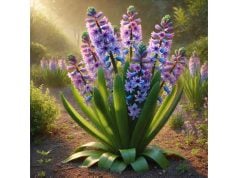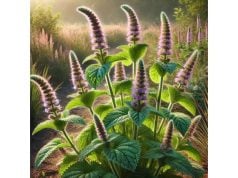
Horny goat weed, most often associated with the species Epimedium sagittatum and several close botanical relatives, is a traditional East Asian herb best known for its reputation in sexual wellness and age-related vitality. Its leaves contain a distinctive group of prenylated flavonoids, especially icariin, which has made the plant a frequent subject of research on libido, erectile function, bone metabolism, and healthy aging. At the same time, it is one of those herbs that is often marketed more confidently than it is clinically proven.
That tension matters. Horny goat weed is not useless, but it is also not a natural stand-in for prescription treatment. The strongest signals so far point to possible support for sexual function and bone health, while the human evidence remains uneven and much thinner than the advertising suggests. Product quality also varies widely, and many supplements labeled “horny goat weed” use mixed Epimedium species rather than clearly standardized E. sagittatum.
A practical guide, then, should do two things at once: explain why this herb remains interesting and explain where caution belongs. That is the goal of the sections below.
Essential Insights
- Horny goat weed may offer mild support for libido and erectile function, but most of that evidence is still preclinical.
- The best human data point toward bone-support effects rather than dramatic sexual-performance results.
- A common supplemental range is 250 to 500 mg once daily, while one 6-week clinical trial used 740 mg daily.
- Avoid routine use during pregnancy, breastfeeding, hormone-sensitive conditions, or alongside blood-pressure or erectile-dysfunction medicines without medical guidance.
Table of Contents
- What is horny goat weed?
- Key ingredients and active compounds
- Does horny goat weed help sexual health?
- Other potential benefits
- How to use horny goat weed
- How much horny goat weed per day?
- Side effects, interactions, and who should avoid it
- What the evidence actually says
What is horny goat weed?
Horny goat weed is the common English name for several plants in the Epimedium genus, a group of perennial herbs in the Berberidaceae family. In everyday supplement language, the name is often used loosely, but in botanical terms the source plant may be Epimedium sagittatum, Epimedium brevicornum, Epimedium koreanum, or a mixed extract of several species. That distinction is important because people usually search for one herb while the science often studies the genus, the leaf drug known as Epimedii Folium, or isolated compounds rather than one exact species.
Traditionally, horny goat weed has been used in Chinese medicine as a warming, “yang”-supporting herb linked with low libido, fatigue, weakness, and age-related decline. In modern supplement culture, it is usually sold as a libido herb, male vitality product, or general performance enhancer. Those uses explain its popularity, but they also create a marketing problem: the herb is often presented as though its benefits are settled fact, when much of the research is still mechanistic, animal-based, or tied to mixed formulas rather than single-ingredient human trials.
Another point readers often miss is that horny goat weed is primarily a leaf herb, not a root tonic. The medicinal interest centers on compounds in the aerial parts, especially the leaves, where the characteristic flavonoids are concentrated. Commercial products may appear as capsules, tablets, powdered leaf, liquid extracts, or blended “male enhancement” formulas. The last category deserves special skepticism because it can include multiple stimulants, undeclared drugs, or poorly standardized herb amounts.
So what is horny goat weed in practical terms? It is a traditional botanical with a strong reputation, a chemically interesting profile, and a plausible biological basis for some of its effects. But it is not a uniform product, and it is not one of those herbs where the common name, the marketed supplement, and the clinical evidence line up neatly. Anyone using it should think in terms of species, extract quality, intended goal, and realistic expectations rather than folklore alone.
Key ingredients and active compounds
The most important compounds in horny goat weed are a family of prenylated flavonoids, with icariin being the best known. Icariin gets most of the attention because it appears to influence nitric oxide signaling, vascular tone, bone metabolism, inflammation, and hormone-related pathways in lab and animal studies. It is often treated as the herb’s flagship constituent, but it is not the whole story.
Other notable compounds include:
- Epimedins A, B, and C, which are major flavonoid glycosides in many Epimedium preparations.
- Icaritin and icariside II, which are metabolites or downstream forms linked to part of the herb’s biological activity.
- Other flavonoids, phenolic compounds, and minor constituents, which may shape how the whole extract behaves compared with purified icariin alone.
This matters because horny goat weed is a classic example of the difference between a whole-herb extract and an isolated compound. A supplement label may advertise the herb broadly, but the physiological effect may depend on whether the product is standardized for total flavonoids, standardized for icariin, or simply ground plant material. Two products with the same front-label herb name can behave very differently if one contains a well-characterized prenylflavonoid extract and the other contains an undefined powder.
Mechanistically, researchers are interested in these compounds for several reasons. Icariin has been studied for mild PDE5-inhibitory activity, which is why horny goat weed is often discussed in the same conversation as erectile-support products. It has also been investigated for osteoblast support, osteoclast regulation, antioxidant activity, and possible phytoestrogen-like effects. That combination explains why the herb shows up in both sexual-health formulas and bone-health discussions.
A more grounded way to read those findings is this: horny goat weed contains compounds with real biological activity, but the strength and direction of that activity depend on preparation, dose, and context. This is not unusual in herbal medicine. Readers who compare it with other libido-oriented plants may notice the same “chemistry matters more than reputation” lesson in herbs used for libido and fertility support.
The key takeaway is simple. Horny goat weed is not interesting because it is mysterious. It is interesting because its flavonoid profile gives researchers a clear chemical starting point. The challenge is that chemistry alone does not guarantee strong, predictable clinical results.
Does horny goat weed help sexual health?
This is the question that drives most searches, and the honest answer is possibly, but not as confidently as the marketing suggests. Horny goat weed’s sexual-health reputation comes from a blend of traditional use, plausible mechanism, and promising preclinical data. What it does not yet have is strong, repeated human evidence showing that it reliably improves libido or erectile dysfunction in the same way established medical therapies do.
Why is the herb even considered here? Mostly because icariin and related compounds appear to influence pathways involved in erection and sexual function. In laboratory and animal models, icariin has shown PDE5-related activity, nitric oxide effects, endothelial support, and neurotrophic actions that could help explain interest in erectile support. Those findings are biologically meaningful. They tell us the herb is not just folklore.
Still, there are three reality checks worth keeping in mind.
- Most sexual-function evidence is preclinical. Much of the excitement comes from cell studies, rat models, or mechanistic reviews rather than robust human trials.
- Libido and erectile performance are not the same outcome. A product may increase subjective desire without producing a reliable erectile response, or vice versa.
- Commercial blends confuse the picture. Many “horny goat weed” products include ginseng, maca, tribulus, or stimulants, so users may attribute blended effects to one herb.
In real-world use, some people describe horny goat weed as a subtle tonic rather than an immediate performance booster. That description is more believable than the “natural Viagra” framing. A mild improvement in interest, confidence, or circulation is plausible. A dramatic, predictable prescription-style effect is much less so.
It is also important to match the herb to the problem. If sexual symptoms are driven by diabetes, vascular disease, medication effects, pelvic surgery, low testosterone, depression, or relationship distress, a plant extract is unlikely to solve the core issue. That does not make the herb irrelevant, but it does mean it belongs in the category of adjunctive support, not primary treatment.
Compared with other popular botanicals, horny goat weed tends to occupy the more stimulating, performance-oriented end of the spectrum, while some users instead gravitate toward broader adaptogenic or fertility-support options such as adaptogenic stress support or other tonics. For horny goat weed specifically, the best practical conclusion is that it may help some users modestly, especially when low drive and mild performance concerns overlap, but the human evidence still lags far behind the enthusiasm.
Other potential benefits
Although sexual wellness dominates the conversation, horny goat weed has a second, and arguably more evidence-backed, area of interest: bone health. Human and review literature suggest that Epimedium extracts, especially prenylflavonoid-rich forms, may help support bone turnover markers and bone mineral density in some settings, particularly around postmenopausal bone loss. That does not mean the herb is a replacement for osteoporosis care, but it does mean bone support is not a side note. In terms of actual human data, it is one of the more credible areas for the plant.
That bone interest is partly connected to the herb’s phytoactive profile. Some Epimedium compounds appear to interact with estrogen-related pathways, osteoblast activity, and osteoclast signaling. This helps explain why the herb sometimes appears in menopause and skeletal-health discussions alongside other plants associated with hormonal transition, including phytoestrogen-rich herbs. The difference is that horny goat weed is typically framed as both a vitality herb and a bone-support herb, which gives it a broader but also more complicated identity.
Other possible benefits are more preliminary:
- Menopause-related support. Some extracts may influence bone markers and hormone-related pathways, but horny goat weed is not yet a first-line menopause herb.
- Fatigue and healthy aging. Traditional use and narrative reviews often describe it as a resilience herb, though this remains a softer claim than bone support.
- Inflammation and oxidative stress. Preclinical work suggests antioxidant and anti-inflammatory actions, but these are best understood as mechanisms, not proven clinical outcomes.
- Circulatory and endothelial support. Because the herb intersects with nitric oxide and vascular pathways, it continues to attract research interest here.
This is where nuance matters. A herb can be promising in more than one body system without being clinically established in any of them. Horny goat weed seems to fit that pattern. It has a pharmacological footprint broad enough to justify continued study, yet the best current use is still targeted, modest, and cautious.
For readers deciding whether the herb is worth trying, bone-related support is often the most underrated part of the story. The sexual-health branding is louder, but the bone literature may be where the herb has the clearest human foothold so far. That does not make it proven medicine. It simply shifts the conversation from hype toward the part of the evidence that currently looks more substantial.
How to use horny goat weed
Horny goat weed is usually used as a capsule, tablet, extract powder, tea, or multi-herb formula. In practice, capsules and standardized extracts are the most sensible options because they offer at least some chance of dose consistency. Loose powders and proprietary blends can work, but they make it much harder to know how much active material you are actually taking.
A practical approach looks like this:
- Choose the form with the clearest label. Look for the plant part, the species if listed, and whether the product is standardized for icariin or total flavonoids.
- Prefer single-ingredient products when testing tolerance. Multi-ingredient “male enhancement” formulas make side effects and benefits harder to interpret.
- Take it with food if you are sensitive. This may reduce stomach upset and makes first-time use easier to judge.
- Use it for a defined goal. Libido support, mild vitality support, or bone-health support are different goals, and they should not all be judged by the same outcome.
- Reassess rather than escalating blindly. If a product does nothing after a reasonable trial, more is not always better.
Tea is a traditional-feeling option, but most modern interest centers on concentrated extracts rather than leaf tea. That matters because a cup of tea may not resemble a capsule standardized for prenylflavonoids. Readers should not assume the forms are interchangeable.
Timing depends on the goal. People using it for daytime vitality or libido usually take it earlier in the day. Those using it in a broader wellness or formula context may take it with breakfast or lunch. It is generally better not to pair it casually with several stimulating or vasoactive supplements at once. For example, stacking horny goat weed with strong pre-workout products, yohimbine-style enhancers, or unknown testosterone boosters can make the experience much less predictable.
Product quality deserves special emphasis. Because sexual-enhancement supplements are one of the most contamination-prone categories in the supplement market, quality matters even more here than it does for a mild digestive herb or basic vitamin. A boring, transparent label is usually a better sign than a flashy promise.
Used well, horny goat weed is best treated as a measured botanical, not a shortcut. That mindset leads to better decisions and usually safer outcomes.
How much horny goat weed per day?
There is no single official dosage for horny goat weed because the products are not standardized in one uniform way. Different supplements may contain raw leaf powder, concentrated extract, total flavonoids, or a stated icariin percentage. That is why dosage questions need two answers: what is common in products, and what has actually appeared in human research.
A practical range for many commercial products is:
- 250 to 500 mg once daily for a basic capsule or tablet product.
- Some extracts are used in higher daily totals depending on concentration and standardization.
- In one human trial, 740 mg daily of an Epimedium prenylflavonoid extract was used for 6 weeks in postmenopausal women.
Those numbers should not be treated as interchangeable. A 500 mg raw herb capsule is not the same thing as 500 mg of a concentrated prenylflavonoid extract. That is one of the biggest reasons people get confused by horny goat weed dosing. Weight on the label tells only part of the story.
A sensible dosing strategy is:
- Start at the low end of the label range.
- Stay there for at least several days.
- Increase only if the product is well tolerated and the purpose is clear.
- Reassess after 4 to 8 weeks instead of using it indefinitely without a reason.
For sexual-health use, some people expect fast effects, but horny goat weed should not be approached like an on-demand pharmaceutical. A few users may notice a same-day shift in warmth, mood, or interest, yet the herb makes more sense as a short-term trial than as a single-dose performance solution.
For bone or menopause-related goals, consistency matters more than immediacy. Even then, this is not a self-managed substitute for calcium, vitamin D, resistance training, medical assessment, or osteoporosis treatment where those are needed.
A useful rule is this:
Dose by extract quality first, milligrams second, and expectations third.
If the label is vague, the product is probably not worth aggressive dosing. If the extract is clearly standardized, a modest daily amount is usually the better starting point. Horny goat weed is one of those herbs where restraint tends to produce a better experience than enthusiasm.
Side effects, interactions, and who should avoid it
Horny goat weed is often described as “generally well tolerated,” but that phrase can be misleading if it makes people forget the context. The herb may be tolerated in modest amounts, yet it still deserves the same safety questions you would ask of any biologically active supplement: What medicine am I taking? What is this product standardized for? Is the goal worth the risk? Am I using a clean single-herb product or a flashy blend?
Reported or plausible side effects include:
- stomach discomfort or nausea
- dry mouth
- dizziness
- headache
- rash or hypersensitivity-type skin reactions
- less predictable adverse effects in concentrated or poorly characterized products
A recent case report adds another cautionary note: severe muscle spasms with elevated creatine kinase and creatinine were linked to Epimedium supplement use in one adult. A single case does not prove that standard products commonly cause this problem, but it is enough to justify a more serious approach to product quality and dose escalation.
The people most likely to need caution or avoidance are:
- pregnant or breastfeeding people
- children and adolescents
- people with hormone-sensitive conditions
- people with unstable cardiovascular disease or unexplained palpitations
- those taking nitrates, erectile-dysfunction medicines, or blood-pressure-lowering drugs
- those using complex multi-herb sexual-enhancement products
- anyone preparing for surgery
Some of these cautions are based on hard outcome data, and some are based on mechanism plus limited human evidence. That distinction is worth being honest about. Horny goat weed is not one of the best-mapped herbs for interactions, which means caution is often the more rational choice.
A particularly practical concern is the supplement category itself. Sexual-performance products are more likely than average to be adulterated, overstated, or combined with undeclared substances. That means a person may react not only to horny goat weed, but to what came with it.
The safest approach is straightforward: buy transparent products, start low, avoid stacking with other vasoactive compounds, and stop immediately if new symptoms appear. If you have erectile dysfunction, severe fatigue, low libido, or postmenopausal bone concerns, those are legitimate reasons to seek medical evaluation rather than relying on a supplement to explain or fix everything.
What the evidence actually says
The best way to understand horny goat weed is to separate traditional reputation, preclinical promise, and human evidence.
Traditional reputation is strong. This herb has long-standing use in Chinese medicine and remains culturally important as a warming, vitality-supporting plant. That matters, but traditional use is not the same thing as modern proof.
Preclinical promise is also strong. Researchers have identified a chemically plausible group of flavonoids, especially icariin and related metabolites, that interact with pathways relevant to erectile function, bone turnover, inflammation, oxidative stress, and hormone signaling. If you read the mechanistic literature alone, horny goat weed looks impressive.
Human evidence is where the picture narrows.
The most meaningful clinical foothold at present is bone-related research, including a randomized trial on prenylflavonoids and systematic reviews or meta-analyses related to osteoporosis. Even there, the language should stay careful. The results are encouraging, not final, and often concern Epimedium extracts or total flavonoids rather than Epimedium sagittatum alone.
For sexual health, the evidence is much thinner than the herb’s reputation suggests. There is a biologically plausible rationale, and animal work is supportive, but direct, high-quality human trials for erectile dysfunction or libido remain limited. That is why the herb continues to be described as promising rather than proven.
There is also a species issue that readers rarely hear about. Many papers discuss Epimedium generically, while commercial products and consumer articles often imply species-level precision. If you are reading about E. sagittatum specifically, that matters. Some evidence reflects the genus, some reflects mixed extracts, and some reflects purified compounds. Those are related, but they are not identical.
So what should a careful reader conclude?
- Horny goat weed is not an empty folk remedy.
- Its active compounds are pharmacologically interesting.
- Its clearest human signal so far appears to be in bone-related outcomes, not dramatic sexual-performance results.
- Product variability and limited human trial depth still keep it in the promising but not definitive category.
That is a useful place to land. The herb deserves respect, but not exaggeration. It may be worth trying in selected cases and with realistic goals, yet it still falls short of the evidence standard people often assume it already has.
References
- Randomized, double-blind, placebo-controlled trial to examine the safety, pharmacokinetics and effects of Epimedium prenylflavonoids, on bone specific alkaline phosphatase and the osteoclast adaptor protein TRAF6 in post-menopausal women 2021 (RCT). ([PubMed][1])
- Epimedium for Osteoporosis Based on Western and Eastern Medicine: An Updated Systematic Review and Meta-Analysis 2022 (Systematic Review and Meta-Analysis). ([PMC][2])
- Comprehensive review of the traditional uses and the potential benefits of epimedium folium 2024 (Review). ([PMC][3])
- Pharmacological actions of the bioactive compounds of Epimedium on the male reproductive system: current status and future perspective 2025 (Review). ([PMC][4])
- Herba Epimedium (Horny Goat Weed) Toxicity With Severe Muscle Spasms and Elevated Creatine Kinase and Creatinine: A Case Report 2025 (Case Report). ([PMC][5])
Disclaimer
This article is for educational purposes only and is not a diagnosis or a substitute for medical care. Horny goat weed may affect sexual-health, vascular, hormonal, or bone-related pathways, which means it is not a casual choice for everyone. If you have erectile dysfunction, postmenopausal bone loss, heart disease, hormone-sensitive conditions, or take prescription medicines, speak with a qualified clinician before using it. Herbal supplements can vary in strength, purity, and species identity, and results from one product should not be assumed to apply to another.
If you found this guide useful, please share it on Facebook, X, or your preferred platform so others can find a more careful, evidence-based view of horny goat weed.