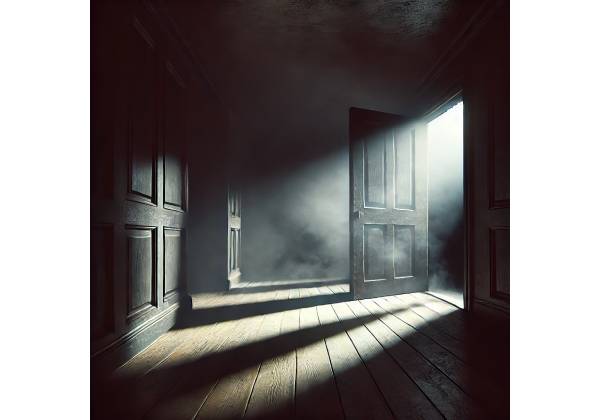
Achluophobia is an intense fear of darkness that goes beyond ordinary discomfort with a dark room or an unlit street. Many people dislike darkness because it limits vision and can make the unknown feel close. A phobia is different. The fear is strong, persistent, and disruptive enough to change daily choices, sleep habits, relationships, or routines. For some people, the reaction begins in childhood and fades. For others, it remains active for years and shapes how they move through the world after sunset.
This article explains what achluophobia looks like, how it differs from normal fear, why it may develop, and how clinicians evaluate it. It also covers treatment, self-management, and the signs that point to professional help. The goal is practical clarity: not to pathologize ordinary fear, but to help readers recognize when fear of the dark has become a treatable mental health problem.
Table of Contents
- What Achluophobia Means
- Signs and Symptoms
- Causes and Risk Factors
- How Diagnosis Is Made
- Effects on Daily Life
- Treatment and Recovery
- Management and When to Seek Help
What Achluophobia Means
Achluophobia is the persistent and excessive fear of darkness or dark places. People often describe it as fear of what darkness might contain, what might happen when vision is limited, or what they might not be able to control once the lights are off. In practice, clinicians usually understand achluophobia within the broader category of specific phobia, which refers to a marked fear tied to a particular object or situation.
That distinction matters. Darkness itself is not unusual to fear under certain conditions. A person walking alone at night in an unsafe area is responding to real risk. A child who briefly wants a hallway light on may be showing a normal developmental fear. Achluophobia becomes more clinically significant when the fear is out of proportion to the actual danger, persists over time, and leads to avoidance or major distress.
For example, someone with achluophobia may:
- refuse to sleep without multiple lights on
- avoid evening events, movie theaters, basements, tunnels, or power outages
- panic when a room suddenly becomes dark
- need another person present to move through dim spaces
- organize work, travel, and social life around not being in darkness
The problem is not simply “being nervous in the dark.” The core issue is a cycle of fear, bodily arousal, and avoidance. Darkness triggers alarm. The body reacts as if danger is immediate. Avoidance then brings short-term relief, which teaches the brain that darkness truly must be dangerous. Over time, that learning can make the fear stronger and more automatic.
Fear of darkness can begin early. Ordinary childhood fear may fade as a child gains a clearer sense of safety and more control over the environment. In some people, though, the fear becomes entrenched and travels into adolescence or adulthood. When that happens, it can interfere with sleep, independence, relationships, and mental well-being.
A final point is worth keeping in view: achluophobia is treatable. Even when the fear has been present for years, improvement is possible. The most effective care does not depend on forcing someone into terrifying situations. It usually involves a structured, step-by-step approach that helps the brain relearn that darkness, by itself, is not the emergency it feels like in the moment.
Signs and Symptoms
The symptoms of achluophobia often show up in three layers at once: emotional distress, physical anxiety, and avoidance behavior. Some people mainly feel dread before entering a dark space. Others experience fast, intense body symptoms that resemble a panic attack. In children, the fear may appear as bedtime resistance, crying, clinging, or repeated requests for reassurance.
Common emotional and mental symptoms include:
- intense fear when lights are dimmed or turned off
- anticipatory anxiety before nighttime or dark settings
- racing thoughts about intruders, accidents, ghosts, being trapped, or losing control
- a strong need for reassurance from family, partners, or friends
- embarrassment about the fear, especially in older adolescents and adults
Physical symptoms can be just as striking. They may include:
- rapid heartbeat
- sweating
- shaking
- shortness of breath
- dizziness
- nausea
- chest tightness
- a sense of unreality or impending doom
These reactions are not imagined. They are the body’s alarm system switching on. The problem is that the alarm is activated in situations that are not truly dangerous, or not dangerous enough to justify the intensity of the response.
Behavioral signs are often the clearest clue that a normal fear has crossed into phobia. A person may:
- sleep with several lamps, a television, or a phone screen on
- avoid bedrooms, hallways, garages, attics, or outdoor spaces at night
- decline travel, sleepovers, camping, or evening social events
- insist that another person accompany them in low light
- repeatedly check locks, doors, or corners before trying to sleep
In children, symptoms may be confused with simple bedtime stalling. What raises concern is persistence and impairment. A child who occasionally asks for a night-light is not unusual. A child who cannot sleep alone, panics during every power outage, avoids rooms without bright light, and becomes exhausted or irritable from ongoing sleep disruption may need assessment.
Adults often hide the problem better than children do, but the pattern can still be serious. Some structure their whole routine to avoid darkness and tell themselves it is just a preference. Others recognize that the fear is irrational yet still feel powerless when the trigger appears.
Two features especially suggest a phobia rather than ordinary discomfort: predictability and avoidance. If darkness reliably provokes intense fear and a person consistently reorganizes life to escape it, the symptom pattern is more than a passing worry. When sleep, work, school, or relationships start bending around that fear, professional treatment becomes worth serious consideration.
Causes and Risk Factors
Achluophobia does not usually have a single cause. Like many phobias, it tends to emerge from a mix of temperament, learning history, family patterns, and stressful experience. One person may trace the fear to a frightening event in childhood. Another may have no single memory but still developed a strong association between darkness and danger over time.
Several factors can raise risk.
Temperament and biology. Some people are naturally more sensitive to threat, uncertainty, or bodily sensations. A nervous system that reacts quickly can make a fear response more intense from the start. Family history may also matter. People with close relatives who have anxiety disorders or phobias appear more likely to develop similar patterns, though not always the same trigger.
Childhood learning. Fear of darkness is common in childhood, but how adults respond can shape whether it fades or hardens. Repeated messages that the dark is dangerous, frequent exposure to frightening stories, or strong parental reassurance rituals can unintentionally reinforce the idea that darkness must be escaped rather than tolerated.
Direct frightening experiences. Some cases follow a memorable event, such as being locked in a dark room, getting lost at night, experiencing a home break-in, watching violence in the dark, or waking in darkness during a medical emergency. The brain learns quickly from high-emotion events, especially when the person felt helpless.
Indirect learning. A person does not always need direct trauma. Watching someone else panic in the dark, hearing repeated warnings, or consuming frightening media at a young age can also build fearful associations.
Stress and sleep problems. Exhaustion, chronic stress, grief, and major life change can lower resilience and make nighttime fear feel sharper. Sleep deprivation also intensifies anxiety. That creates a feedback loop: fear of darkness disrupts sleep, poor sleep lowers coping ability, and the fear grows stronger.
Other mental health conditions. Achluophobia can exist on its own, but it may overlap with broader anxiety, panic symptoms, trauma-related problems, obsessive checking, or separation concerns. In those cases, darkness may become the setting that activates a larger anxiety pattern.
It is also important to separate realistic caution from phobic fear. A person who feels uneasy in an unsafe neighborhood at night is reacting to context. Achluophobia persists even in objectively safe settings, such as one’s own bedroom, a trusted home, or a familiar hallway with no sign of danger.
Risk does not equal destiny. Many children with fear of the dark outgrow it. Many adults with long-standing fear improve substantially with treatment. The goal of understanding causes is not to assign blame. It is to identify the forces that keep the fear in place so those forces can be addressed directly and compassionately.
How Diagnosis Is Made
Diagnosis begins with a careful clinical conversation rather than a lab test or brain scan. A doctor, psychologist, psychiatrist, or other qualified mental health professional will usually ask when the fear began, what situations trigger it, how intense it feels, how long it has lasted, and what the person does to cope or avoid it.
In general, clinicians look for several core features:
- a marked fear tied to darkness or dark environments
- anxiety that appears quickly when the trigger is present or anticipated
- avoidance, endurance with intense distress, or heavy reliance on safety behaviors
- fear that is out of proportion to actual danger
- meaningful impact on sleep, school, work, family life, or independence
- a pattern that is persistent rather than brief or situational
The clinician will also try to understand the exact shape of the fear. Is the person afraid of darkness itself, of being unable to see, of intruders, of supernatural ideas, of panic symptoms, or of losing contact with a caregiver? Those distinctions help guide treatment.
For children, developmental stage matters. A mild fear of the dark can be normal in younger kids. The concern rises when the reaction is unusually intense, lasts well beyond what would be expected for age, or causes frequent sleep disruption, school fatigue, family conflict, or social limits. Parents may be asked detailed questions about bedtime patterns, reassurance rituals, and accommodations at home.
Diagnosis also involves ruling out other problems that can look similar. These may include:
- trauma-related reactions after a frightening event
- panic disorder, if fear centers on sudden physical symptoms
- obsessive-compulsive symptoms, if the main issue is checking or ritual
- separation anxiety, especially in children who fear being alone at night
- psychotic disorders, if fear is driven by fixed false beliefs or hallucinations
- sleep disorders, such as severe night terrors or parasomnias
A clinician may use questionnaires to track severity, but these tools support the interview rather than replace it. The most useful information often comes from specific examples: what happened during the last power outage, how bedtime unfolds, or why evening plans are avoided.
A good assessment is not just about labeling the problem. It creates a treatment map. It shows which thoughts, body sensations, and avoidance habits need the most work. It also identifies practical obstacles, such as family accommodation, poor sleep, trauma history, or depression. In that sense, diagnosis is less about a name alone and more about building an accurate picture of how the fear operates in real life.
Effects on Daily Life
Achluophobia can seem narrow from the outside. It is “only” fear of the dark. In daily life, though, that single trigger can affect many parts of functioning because darkness is built into sleep, travel, work schedules, social events, and ordinary home routines.
Sleep is often the first area to suffer. A person may delay bedtime, keep bright lights on late into the night, fall asleep with screens running, or avoid sleeping alone. These habits may reduce fear in the moment, but they can also fragment sleep and lower sleep quality. Poor sleep then increases irritability, concentration problems, and anxiety the next day.
Children may become dependent on long reassurance routines. Parents might sit beside the bed for extended periods, leave every hallway light on, repeatedly check closets, or allow the child to move into the parents’ room. These steps often come from care and exhaustion, but when they become the only way a child can sleep, they can unintentionally strengthen the fear.
Adults may experience a quieter form of impairment. They might:
- avoid late shifts or evening commutes
- skip restaurants, theaters, concerts, or outdoor events after dark
- refuse travel that includes unfamiliar hotels or nighttime driving
- feel ashamed about needing lights on or company at bedtime
- create rigid home rules around lighting and never discuss the reason openly
Relationships can be affected as well. Partners or relatives may feel confused, burdened, or frustrated by the accommodations the fear demands. At the same time, the person with the phobia may feel misunderstood, childish, or guilty, which can deepen isolation.
The fear can also generalize. It may begin with a dark bedroom and expand to basements, elevators, parking garages, tunnels, cloudy evenings, or brief power interruptions. Once the brain starts linking low visibility with danger, more and more situations may feel unsafe.
Complications can include:
- chronic insomnia or poor sleep hygiene
- increased general anxiety
- reduced independence
- school or work fatigue
- social withdrawal
- overreliance on alcohol, sedatives, or constant distraction to get through nighttime
Another important consequence is the loss of confidence. Many people with phobias begin to doubt their ability to handle discomfort. They stop trusting that anxiety can peak and fall on its own. That loss of self-trust can matter as much as the fear trigger itself.
The encouraging part is that this impairment is often reversible. When treatment breaks the cycle of avoidance, people commonly regain sleep, flexibility, and confidence. Even small gains matter. Being able to walk down a dim hallway, tolerate a short power cut, or sleep with one less light on is not trivial. Those steps are often the beginning of broader recovery.
Treatment and Recovery
The most effective treatment for achluophobia is usually a form of cognitive behavioral therapy, especially exposure-based work. The basic idea is simple but powerful: the brain learns fear through association, and it can also relearn safety through guided, repeated experience. Treatment is not about throwing someone into the darkest possible situation and hoping they adjust. It is about building tolerance in steps.
A typical treatment plan may include:
- education about how fear, body symptoms, and avoidance reinforce each other
- identifying triggers from least upsetting to most upsetting
- gradual exposure to dimmer or darker situations in a planned order
- reducing safety behaviors such as excessive checking or keeping every light on
- coping skills to stay in the situation long enough for anxiety to decline naturally
- practice between sessions so progress transfers to real life
Exposure can be very practical. Early steps might include sitting in a softly lit room, walking through a hallway with one lamp off, or staying in bed with a lower light level for a few minutes longer than usual. Later steps may involve tolerating a fully dark bedroom, stepping outdoors at dusk, or managing a brief period without reassurance. The pace should be challenging but workable.
Cognitive work can also help. Many people with achluophobia overestimate danger and underestimate their ability to cope. Therapy helps test those assumptions. Instead of “If the room goes dark, I will lose control,” the person learns to say, “My body will surge with anxiety, but that feeling will pass, and I know how to stay with it.”
For children, treatment often includes parents. Parents can learn how to support progress without accidentally feeding the phobia through repeated rescue, long reassurance rituals, or growing accommodation. The goal is warm support with clearer limits.
Medication is usually not the main treatment for a specific fear tied to darkness. It may sometimes be considered when the phobia exists alongside broader anxiety, panic, depression, or severe sleep disruption, but medication alone does not usually teach the brain to tolerate the feared situation. That is why therapy remains central.
Some clinics also use virtual reality exposure for selected phobias, though access varies and standard real-world exposure remains important. Recovery is rarely linear. Anxiety may spike during treatment before it falls. That does not mean treatment is failing. It often means the brain is finally practicing a new response instead of taking the familiar escape route.
With consistent work, many people improve significantly. Recovery usually means less fear, less avoidance, and more freedom, not necessarily never feeling uneasy in darkness again.
Management and When to Seek Help
Daily management works best when it supports gradual confidence instead of strengthening avoidance. The key question is not “How can I make sure I never feel fear in darkness?” It is “How can I respond to fear in a way that helps it shrink over time?”
Helpful self-management strategies include:
- keeping a regular sleep schedule so fatigue does not amplify anxiety
- reducing stimulating media before bed, especially horror content
- practicing slow breathing or grounding before entering a feared setting
- building a fear ladder from easiest to hardest darkness-related situations
- repeating easier steps until they become manageable, then moving upward
- tracking wins, even small ones, to show the brain that progress is happening
A practical example of a fear ladder might look like this:
- dim one lamp for two minutes
- sit in a room with curtains closed at dusk
- walk through a familiar hallway without turning on every light
- spend five minutes in a darkened bedroom with the door open
- spend ten minutes in the same room without checking behavior
- sleep with one less source of light than usual
The details should fit the individual. A plan that is too easy does not teach much, but a plan that is too extreme can backfire. Steady repetition matters more than dramatic bravery.
Family members can help by being calm, predictable, and encouraging. What helps least is arguing about whether the fear is logical, mocking it, or instantly rescuing the person from every wave of anxiety. Supportive language is more useful: “I know this feels intense, and I know you can take the next step.”
Professional help is a good idea when achluophobia:
- causes regular sleep loss or bedtime battles
- limits school, work, travel, or social life
- leads to panic-like episodes
- persists for months without improvement
- requires increasing accommodation from family or partners
- appears alongside depression, trauma symptoms, substance use, or other anxiety problems
Seek urgent mental health support right away if fear is accompanied by self-harm thoughts, severe hopelessness, unsafe behavior during panic, or substance misuse that feels hard to control.
The outlook is generally favorable, especially when treatment starts before avoidance becomes deeply entrenched. People often improve by learning one core lesson: anxiety can be faced without obeying it. That lesson, practiced repeatedly and with support, is what turns darkness from a threat that controls life into a manageable experience that no longer decides the day.
References
- Specific Phobia – National Institute of Mental Health (NIMH) current official statistics page. ([National Institute of Mental Health][1])
- Anxiety Disorders in Children and Adolescents – PubMed 2022 (Review). ([PubMed][2])
- Virtual Reality Exposure Treatment in Phobias: a Systematic Review – PubMed 2021 (Systematic Review). ([PubMed][3])
- Absolute and relative outcomes of psychotherapies for eight mental disorders: a systematic review and meta-analysis – PubMed 2024 (Systematic Review and Meta-analysis). ([PubMed][4])
- Cognitive Behavior Therapy for Mental Disorders in Adults: A Unified Series of Meta-Analyses – PubMed 2025 (Meta-analyses). ([PubMed][5])
Disclaimer
This article is for educational purposes only and is not a medical diagnosis or a substitute for care from a qualified clinician. Fear of darkness can be part of a specific phobia, but similar symptoms may also occur with trauma-related conditions, panic, sleep problems, or other mental health disorders. If symptoms are persistent, worsening, or interfering with sleep, school, work, or safety, seek evaluation from a licensed healthcare professional or mental health specialist.
If you found this article useful, please consider sharing it on Facebook, X, or another platform you prefer.