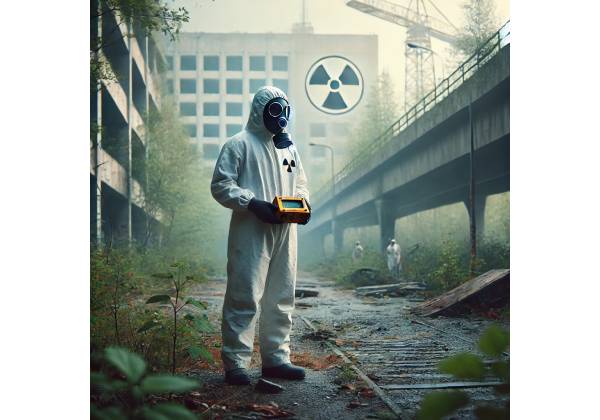
Radiophobia is the intense fear of radiation or radiation exposure. For some people, the fear centers on medical imaging such as X-rays, CT scans, mammograms, or nuclear medicine tests. For others, it is linked to radiation therapy, workplace exposure, news about nuclear accidents, or worries about contamination that feel hard to switch off. The reaction may begin with a real concern and then grow into something broader, more persistent, and more disruptive.
That distinction matters. Radiation is not imaginary, and caution around genuine high-dose exposure is sensible. But fear becomes a clinical problem when it is out of proportion to the actual situation, difficult to control, and strong enough to interfere with medical care, daily life, or peace of mind. In clinical practice, radiophobia is often understood through specific phobia, health anxiety, trauma-related stress, or related anxiety patterns rather than as a separate formal diagnosis.
Table of Contents
- What Radiophobia Means
- Signs and Symptoms
- Causes and Risk Factors
- How It Is Diagnosed
- Daily Life and Complications
- Treatment Options
- Coping and Self-Management
- When to Seek Help
What Radiophobia Means
Radiophobia means an intense fear of radiation, but the term is used in more than one way. In everyday speech, it often refers broadly to fear of radiation in society, especially after nuclear accidents or public debate about medical imaging. In personal mental health terms, it describes a fear response that feels immediate, repeated, and hard to control. A person may know that a planned chest X-ray, dental X-ray, or medically justified CT scan is being done under safety standards and still feel strong panic, dread, or refusal.
The trigger can vary. For some people, it is the thought of ionizing radiation itself. For others, the fear is tied to particular settings or events, such as:
- an imaging department or radiation oncology clinic
- a doctor recommending a CT scan or nuclear medicine test
- stories about radiation poisoning or cancer
- living near a place associated with nuclear risk
- worries about contamination after an accident or alarm
- repeated thoughts about cumulative exposure
This is where nuance matters. Radiation can cause real harm at sufficiently high doses, and informed caution is appropriate in genuine emergencies or in situations of unnecessary exposure. Routine diagnostic imaging and carefully planned medical exposures are different from uncontrolled high-dose events. A phobic pattern develops when fear no longer tracks the actual level of risk and instead becomes a repeated alarm response that drives avoidance, reassurance seeking, or constant checking.
Clinically, radiophobia may fit under specific phobia when the fear is centered on radiation-related situations and produces immediate anxiety and avoidance. In other people, it may overlap more with health anxiety, especially if the main concern is hidden illness, future cancer, or invisible internal damage. After a radiation incident or disaster, the picture can also include trauma-related stress. The label depends on the full pattern.
A helpful way to think about it is this: ordinary caution asks, “Is this exposure necessary and safe?” Radiophobia often sounds more like, “Any exposure is dangerous,” or “I will not be safe unless I avoid this completely.” That shift turns a rational question into an ongoing fear system.
The condition can be narrow or broad. One person may fear only CT scans. Another may fear X-rays, radiation therapy, airport settings, industrial equipment, or places associated with contamination. Some react only to direct exposure. Others feel distressed by words, symbols, news stories, or even discussions of dose.
Radiophobia is treatable. The goal is not to dismiss legitimate safety concerns but to help the person distinguish real risk from exaggerated threat and regain the ability to make informed, flexible decisions.
Signs and Symptoms
The symptoms of radiophobia often appear before any actual exposure happens. A person may begin to feel tense as soon as a scan is scheduled, when a doctor mentions radiation therapy, or when news coverage raises fears about contamination. In some cases, the strongest reaction comes not from the event itself but from anticipation and the images the mind builds around it.
Emotional symptoms often include fear, dread, helplessness, irritability, and a strong sense that danger is being underestimated by others. Some people feel angry or mistrustful. Others feel embarrassed, especially when they know the recommendation is medically reasonable but still cannot calm their reaction.
Physical symptoms can resemble a panic response and may include:
- rapid heartbeat
- sweating
- shaking
- nausea
- dizziness
- shortness of breath
- tightness in the chest
- stomach upset
- tingling
- trouble concentrating
The person may also experience racing thoughts such as:
- “This exposure will cause permanent harm.”
- “I cannot risk this, even once.”
- “Doctors are minimizing the danger.”
- “What if this causes cancer years from now?”
- “What if I contaminate my family?”
Behavioral signs are often the clearest. These may include:
- refusing or delaying medically necessary imaging
- canceling appointments at the last minute
- requesting repeated reassurance from doctors or family
- compulsively reading about radiation risk
- avoiding hospitals, imaging centers, or certain workplaces
- asking for multiple alternative tests even when they are less useful
- checking symptoms repeatedly after exposure
- avoiding places or news associated with nuclear incidents
Some people become highly focused on numbers, units, and cumulative dose without feeling reassured by the information. Others avoid all discussion because the topic itself is activating. In both cases, the fear begins to control behavior more than the facts do.
Radiophobia can also show up in subtle ways. A patient may agree to an exam but become extremely distressed during the process, lose sleep beforehand, or spend weeks worrying afterward. Another person may avoid treatment planning discussions because hearing the word “radiation” is enough to trigger physical symptoms.
Children may not explain the fear clearly. Instead, they may cry, refuse appointments, cling to caregivers, or become oppositional when taken to medical settings. Adults sometimes hide their distress and appear calm outwardly while internally spiraling.
A key sign is disproportion. It is normal to ask about risks, especially with repeated imaging or a child’s medical care. The concern becomes phobic when anxiety is intense, persistent, and difficult to reset even after appropriate explanation. At that point, the fear is no longer helping the person make careful choices. It is narrowing those choices.
Causes and Risk Factors
Radiophobia usually develops through a mix of learning, personal vulnerability, and context. The fear may begin after a direct experience, such as a stressful medical test, a cancer diagnosis, a family member’s illness, or a confusing conversation about imaging risk. In other cases, it grows through repeated exposure to alarming stories, unclear communication, or a long-standing tendency toward anxiety and catastrophic thinking.
One strong driver is the nature of radiation itself. Radiation is invisible. It cannot be seen, smelled, or felt in the ordinary way, which can make it harder for people to judge danger accurately. Invisible risks often provoke more imagination than visible ones. When the topic is linked with cancer, nuclear accidents, or contamination, the mind can quickly move from possibility to certainty.
Common risk factors include:
- a personal or family history of anxiety disorders
- health anxiety or obsessive checking tendencies
- prior traumatic medical experiences
- a history of panic attacks
- exposure to frightening media coverage
- confusion about medical risk and dose
- mistrust of institutions or healthcare systems
- living through or near a radiation-related emergency
- repeated illness experiences in the family
Past disasters can have a lasting psychological effect even on people who were not physically exposed to dangerous doses. Public fear after major nuclear events is shaped not only by actual exposure but also by uncertainty, evacuation, social disruption, grief, and prolonged worry about long-term health. For some individuals, those experiences evolve into persistent radiation anxiety that affects decisions for years.
Medical settings can also reinforce the fear. A rushed explanation, a technical consent form, or hearing staff use unfamiliar words can leave the person with the impression that serious danger is being minimized. Even when a recommended test is appropriate, poor communication can deepen fear instead of reducing it.
The cycle is often self-reinforcing:
- The person hears about a scan, treatment, or exposure.
- Anxiety rises sharply.
- They avoid, cancel, or search for reassurance.
- Relief follows for a short time.
- The brain learns that avoidance was protective.
This pattern makes the next trigger feel more dangerous, not less. The fear may then spread from one type of imaging to others, or from medical settings to broader worries about environmental exposure.
It is also important to distinguish radiophobia from informed caution. A thoughtful patient may ask whether a test is necessary, whether alternatives exist, or how risk is balanced against benefit. That is not pathological. The problem arises when the fear becomes rigid and global, such as believing that any radiation exposure is intolerable regardless of context or benefit.
People with perfectionistic thinking can be especially vulnerable because they may want absolute certainty that no future harm will result. But medicine rarely offers absolute zero risk. Learning to tolerate well-explained uncertainty is often part of recovery.
Radiophobia is not caused by lack of intelligence. Many well-informed people still struggle with it. What sustains it is not simply lack of facts, but the way fear attaches to those facts and turns them into repeated threat signals.
How It Is Diagnosed
Diagnosis begins with a careful interview, not a radiation meter. A clinician will want to understand what the person fears, how intense the reaction is, what situations trigger it, how long it has been present, and whether it interferes with medical care or ordinary life. Because radiophobia is not usually listed as a stand-alone formal diagnosis, the assessment often focuses on whether the problem fits specific phobia, health anxiety, panic, trauma-related symptoms, or a combination.
Questions often include:
- What kinds of radiation-related situations trigger fear?
- Does anxiety begin immediately or mainly in anticipation?
- Is the fear strongest around medical imaging, cancer treatment, environmental exposure, or nuclear events?
- What behaviors follow the fear?
- Has the person delayed or refused tests or treatment?
- How much time is spent researching, checking, or seeking reassurance?
- Is the reaction greater than the actual, explained level of risk?
A clinician will also look at function. The fear becomes clinically important when it affects decisions, sleep, concentration, relationships, work, or health care. A patient who repeatedly refuses recommended imaging for serious symptoms presents a different level of concern than someone who simply asks extra questions before a scan.
Another key part of diagnosis is differentiating the fear from reasonable caution. In some cases, the patient’s concern may be medically grounded. For example, cumulative exposure can be relevant in certain settings, and children are generally more sensitive to ionizing radiation than adults. Clinicians therefore should not dismiss concerns automatically. The assessment asks whether the person’s response matches the actual context and whether the fear remains flexible when information is provided.
Differential diagnosis may include:
- specific phobia
- illness anxiety disorder
- obsessive-compulsive disorder
- panic disorder
- post-traumatic stress disorder
- generalized anxiety disorder
Trauma history matters. Someone who lived through a nuclear emergency or a chaotic cancer treatment experience may not have a simple phobia at all. Their fear may be part of a broader post-traumatic pattern involving intrusive memories, hypervigilance, and strong avoidance.
Medical assessment may also be needed if the person has been avoiding necessary care. The clinician may need to evaluate symptoms that went uninvestigated because of fear, or review prior exposure history to correct misunderstandings.
Children often need a family-based evaluation. A child may repeat things heard from adults or the internet without grasping the context. Parents may unintentionally reinforce fear through their own anxiety, repeated warnings, or reassurance rituals.
A good diagnosis does more than assign a label. It maps the fear structure. It clarifies what the person believes, what they avoid, how they seek relief, and what the real-life cost has become. That map is what makes treatment practical and focused.
Daily Life and Complications
Radiophobia can affect life in ways that are easy to underestimate. The most obvious impact is medical avoidance. A person may postpone an X-ray after an injury, decline a CT scan after concerning symptoms, or delay radiation therapy despite clear benefit. In some cases, the fear is so strong that the person would rather live with uncertainty than face the exposure.
This can lead to real consequences. Delayed diagnosis, incomplete treatment, and repeated missed appointments may follow. The fear can also complicate family care. A parent with strong radiation anxiety may become highly distressed when a child needs imaging, even when the exam is well justified and time-sensitive.
Beyond medical decisions, daily life can narrow in several ways:
- persistent worry after even minor exposures
- constant checking for symptoms of imagined harm
- conflict with loved ones who want the person to seek care
- avoidance of hospitals, clinics, or health discussions
- distress after news about nuclear accidents or contamination
- loss of trust in professionals and institutions
- difficulty concentrating because of ongoing threat monitoring
The emotional toll can be heavy. Because radiation is associated in the public mind with cancer, mutation, contamination, and disaster, the fear often carries a moral or existential weight that other phobias do not. People may feel they are protecting themselves or their families from something invisible and irreversible. That belief can make the fear feel especially urgent and difficult to challenge.
After nuclear disasters, the burden may be broader than a simple phobia. Communities can experience prolonged stress, displacement, stigma, and worry about future health effects. In those settings, radiation anxiety may coexist with depression, trauma symptoms, sleep problems, and social isolation. Even when actual exposure is limited or declining, the psychological effect can persist for years.
Medical settings can create another complication: the person may begin to see every recommendation through a lens of hidden harm. A doctor suggesting a test may be interpreted as careless or uninformed. The patient may turn increasingly to online sources, forums, or worst-case scenarios, which often deepens fear rather than resolving it.
Children and adolescents may miss treatment or evaluation because adults around them are fearful. Older adults may avoid follow-up imaging for chronic disease. Cancer patients may struggle with radiation therapy planning even when the treatment offers a major benefit. The consequences can therefore be psychological, social, and medical all at once.
Another complication is generalization. A fear that begins with CT scans may spread to X-rays, mammography, dental care, airport security, buildings near industrial sites, or foods imagined to be contaminated. The wider the fear network becomes, the more effort daily life requires.
Radiophobia becomes especially costly when it shifts from a concern about safety to a framework that governs all decisions. At that point, the problem is not simply fear of one exposure. It is loss of trust, flexibility, and access to care.
Treatment Options
Treatment depends on the form radiophobia takes, but psychotherapy is usually central. When the fear fits a specific phobia pattern, cognitive behavioral therapy with exposure-based work is often the most effective approach. When health anxiety, trauma, or obsessive checking plays a larger role, treatment may need to be broadened accordingly.
A careful treatment plan often begins with psychoeducation. The goal is not to bombard the person with technical detail or to argue them out of fear. It is to clarify the difference between real high-dose danger, medically justified exposure, and catastrophic overestimation. Many people need help understanding that appropriate medical decisions involve balancing risk and benefit, not pretending risk is zero.
Exposure-based treatment is often gradual and tailored. Depending on the trigger, steps might include:
- discussing feared scenarios without escaping the conversation
- looking at images of radiology departments or equipment
- reading clear, balanced information about a recommended exam
- practicing sitting with uncertainty without repeated checking
- visiting an imaging center without undergoing a test
- working toward completing a medically indicated procedure
For some patients, the main target is not the machine or room, but the stream of catastrophic thoughts that follows. In those cases, therapy may focus on reducing reassurance seeking, internet searching, symptom monitoring, and all-or-nothing beliefs such as “any exposure is unacceptable.”
Other treatment components may include:
- cognitive restructuring for exaggerated threat beliefs
- behavioral experiments
- trauma-focused treatment when relevant
- work on intolerance of uncertainty
- support for shared decision-making with medical teams
- family involvement if relatives are reinforcing avoidance
Medication may help in selected cases, especially when the fear is part of broader anxiety, panic disorder, or trauma-related symptoms. But medication usually does not solve the underlying avoidance pattern on its own. It is often most useful as support rather than as the whole treatment.
The medical team also matters. Clear communication can reduce fear significantly. Patients often do better when clinicians explain why a test is recommended, what alternatives exist, what the likely benefit is, and how exposure is minimized. Fear tends to escalate when information is vague, rushed, or overly technical.
Virtual reality or imaginal exposure may be useful when direct exposure is hard to arrange. For some people, beginning with a simulation or guided imagery helps bridge the gap between discussion and real-world action.
Treatment should never shame a person for being afraid. The aim is not to label them irrational and push them forward. It is to help them think more clearly under stress, make decisions based on context rather than panic, and tolerate the discomfort that comes with uncertainty. In many cases, that leads not only to reduced fear but also to better medical care and greater trust in their own judgment.
Coping and Self-Management
Self-management can help, especially when fear is mild to moderate or when it supports formal treatment. The most important step is learning to separate three questions that often get tangled together: “Is this exposure real?” “How large is the risk in this specific situation?” and “What is my anxiety making me imagine?” When those questions are merged, the mind tends to treat possibility as certainty.
A practical approach starts with naming the trigger more precisely. Is the fear centered on CT scans, X-rays, radiation therapy, contamination, or long-term cancer risk? Is the hardest part the machine, the word “radiation,” the consent process, or the days afterward? Better precision makes coping more useful.
Helpful strategies include:
- Write down the exact fear.
Instead of “radiation is dangerous,” write the full thought, such as “This dental X-ray will cause serious long-term harm.” Specific thoughts are easier to examine than vague dread. - Ask for contextual information once, not repeatedly.
A focused conversation with a qualified clinician can help. Endless reassurance usually strengthens anxiety. - Limit compulsive searching.
Online searching often skews toward worst cases and extreme anecdotes. It tends to raise distress rather than clarify real risk. - Notice safety behaviors.
Canceling appointments, demanding repeated substitutions, or checking symptoms every hour may provide quick relief but keep the fear alive. - Use balanced self-talk.
Statements such as “I can ask careful questions without assuming catastrophe” are more helpful than “I must be certain nothing bad can happen.” - Practice tolerating uncertainty in small ways.
Medicine often involves informed decision-making rather than absolute guarantees. Building tolerance for that fact is an important skill. - Keep perspective on benefit.
When a test is indicated, the question is not only what the exposure is, but what might be missed by avoiding it.
It can also help to prepare for appointments in a structured way. Bring a short written list of questions. Decide in advance whose information you will rely on. Set a time limit for reading about the issue afterward. Without these boundaries, fear can take over the whole day.
Family support should be calm and grounded. Helpful support sounds like, “Let us ask your doctor the key questions and then make a plan.” Unhelpful support often comes in two forms: dismissing the fear completely or joining the panic and multiplying the checking.
For some people, mindfulness techniques are useful, especially when the body is reacting strongly. The aim is not to make the fear disappear on command, but to notice the alarm response without obeying every urge it creates.
Self-help has limits. If radiophobia is leading to missed care, major distress, or a widening pattern of avoidance, professional treatment is usually the better next step. Still, even before therapy starts, reducing fear-driven rituals can begin to loosen the pattern.
When to Seek Help
It is time to seek help when fear of radiation is doing more than making you cautious. If it is interfering with medical decisions, disturbing sleep, straining relationships, or keeping you in a near-constant state of vigilance, the problem deserves attention. Many people wait because they think their fear is logical and therefore not a mental health issue. In reality, a fear can begin with a real concept and still become clinically impairing.
Consider professional help if:
- you have delayed or refused medically recommended imaging or treatment
- you experience panic-like symptoms when radiation is discussed
- you spend large amounts of time researching, checking, or seeking reassurance
- you feel unable to make decisions even after clear explanation
- the fear has lasted 6 months or longer
- the fear is spreading to more settings or situations
- family life, work, or health care is being affected
Help is especially important when the fear is causing harmful medical delays. A broken bone, cancer workup, stroke evaluation, severe infection, or other urgent problem should not go unassessed because panic has taken over the decision. In those cases, both the medical issue and the anxiety need attention.
People who have lived through a nuclear accident or evacuation may need support even if they do not think of themselves as having a phobia. Persistent radiation anxiety can be part of trauma, grief, or chronic stress. That history deserves sensitive evaluation rather than dismissal.
Children should be assessed early when fear is influencing care, especially if a parent’s own radiation anxiety is shaping the child’s response. Early support can prevent the fear from becoming a fixed pattern.
Urgent help is needed if fear is leading to dangerous behavior, such as refusing essential treatment, fainting from panic in medical settings, severe insomnia, depression, or thoughts of self-harm. Emergency mental health support is also needed for suicidal thoughts or inability to function.
The outlook is often better than people expect. Specific phobias and health anxiety patterns can improve meaningfully with structured treatment, and many patients learn to ask better questions without becoming trapped in endless fear. The goal is not blind trust and not reckless exposure. It is informed judgment, emotional steadiness, and the ability to make decisions without panic taking over.
A useful measure of progress is not “I never worry about radiation again.” It is “I can understand the context, ask reasonable questions, and choose based on evidence rather than fear.” That is a realistic and worthwhile goal.
References
- Specific Phobia – StatPearls – NCBI Bookshelf 2024 (Clinical Review)
- Ionizing radiation and health effects 2023 (WHO Fact Sheet)
- Patient experiences and anxiety related to medical imaging: challenges and potential solutions 2024 (Review)
- Social and Mental Health Impact of Nuclear Disaster in Survivors: A Narrative Review 2021 (Narrative Review)
- Virtual Reality Exposure Treatment in Phobias: a Systematic Review 2021 (Systematic Review)
Disclaimer
This article is for educational purposes only and is not a diagnosis or a substitute for care from a qualified medical or mental health professional. Fear of radiation can overlap with specific phobia, health anxiety, trauma-related stress, and medically appropriate safety concerns, so proper evaluation depends on the full context. Seek prompt medical advice if you are considering refusing a recommended imaging test or treatment, and seek urgent mental health support if fear is causing severe panic, inability to function, or thoughts of self-harm.
If this article helped, please consider sharing it on Facebook, X, or another platform you prefer.