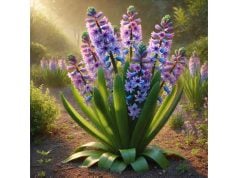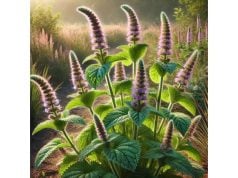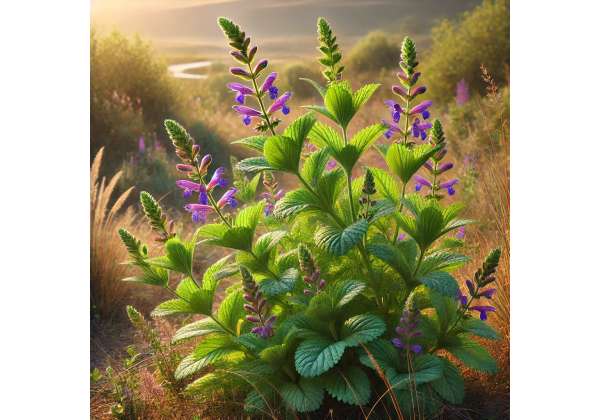
Huang Qin, the dried root of Scutellaria baicalensis, is one of the classic herbs of East Asian medicine and one of the more chemically studied roots in traditional practice. It is often called Chinese skullcap, though that common name can be confusing because other Scutellaria species are used differently. In traditional formulas, Huang Qin is valued for clearing heat, drying dampness, easing irritated mucous membranes, and calming inflamed states that affect the lungs, gut, skin, or liver-related patterns. Modern research has focused on its signature flavones, especially baicalin, baicalein, wogonin, and wogonoside, which help explain its antioxidant, anti-inflammatory, antimicrobial, and immune-modulating reputation.
What makes Huang Qin especially compelling is that it has both a long clinical history and a modern pharmacology story, yet the two do not overlap perfectly. Laboratory data are rich, but strong stand-alone human trials are still limited. That means the herb deserves serious interest, but also disciplined expectations. The practical questions are what it may actually help with, how it is used, how much is reasonable, and where safety needs to come first.
Essential Insights
- Huang Qin is best known for cooling inflammatory patterns involving the gut, lungs, skin, and upper digestive tract.
- Its main flavones may help reduce oxidative stress, inflammatory signaling, and irritation in mucosal tissues.
- A common traditional adult range is about 3 to 10 g of dried root per day in decoction.
- Standardized extracts and isolated compounds are not interchangeable with crude root doses.
- Avoid unsupervised use if you are pregnant, have liver disease, or take multiple prescription medicines.
Table of Contents
- What Huang Qin is and what it contains
- Does Huang Qin help with inflammation
- Liver, gut, and respiratory uses
- How to use Huang Qin
- How much Huang Qin per day
- Side effects, interactions, and who should avoid it
- What the evidence actually says
What Huang Qin is and what it contains
Huang Qin is the dried root of Scutellaria baicalensis, a perennial plant in the mint family. The medicinal part is the root, not the aerial herb, and that matters because the root has the flavone-rich profile that gives Huang Qin its best-known medicinal identity. In traditional Chinese medicine, the herb is classified as bitter and cold. In practice, that means it is usually chosen when symptoms suggest heat, irritation, redness, thick secretions, inflammatory pressure, or damp-heat patterns rather than weakness, dryness, or cold intolerance.
Its traditional use is wide but surprisingly coherent. Huang Qin has been used for diarrhea, dysentery, jaundice-like patterns, sore throat, cough with thick phlegm, feverish irritability, skin eruptions, and some forms of bleeding connected to heat. It is also present in classical formulas used during pregnancy, but that historical fact should not be translated into casual self-use during pregnancy. Traditional use and modern supplement practice are not the same thing.
Chemically, Huang Qin stands out because its root is rich in flavones and flavone glycosides. The main compounds most often discussed are:
- Baicalin.
- Baicalein.
- Wogonin.
- Wogonoside.
- Oroxylin A.
- Scutellarin and related minor constituents.
These compounds are interesting because they do not act in only one way. They appear to affect inflammatory signaling, oxidative stress, enzyme activity, and cellular defense pathways. Baicalin and baicalein are usually treated as the headline molecules, but the root is better understood as a coordinated chemical system rather than as a single-compound herb.
That distinction helps explain why Huang Qin is still used as a whole root in decoctions and formulas. A standardized extract may target one or two marker compounds, but traditional preparations rely on the broader profile of the herb. This is also why product labels can be misleading. A capsule that says “baicalin” is not necessarily the same as a root extract, and a root extract is not the same as crude sliced root simmered in water.
The root’s chemistry also helps explain its modern reputation. Huang Qin is often discussed as an anti-inflammatory herb, but that phrase can sound too broad. A better description is that it is a flavone-rich root that may help regulate overactive inflammatory responses, especially in tissues such as the gut, liver, respiratory tract, and skin. Compared with lighter, more culinary anti-inflammatory herbs such as turmeric and its bioactive compounds, Huang Qin is more bitter, more cooling in traditional terms, and often used in more targeted formula logic.
So the best starting point is this: Huang Qin is a root medicine with a long East Asian clinical history, a distinctive cooling and drying reputation, and a flavone-rich composition that makes its traditional uses biologically plausible, even when modern clinical proof remains incomplete.
Does Huang Qin help with inflammation
This is the question behind most modern interest in Huang Qin, and the answer is cautiously positive. Huang Qin does appear to have meaningful anti-inflammatory potential, but the strength of evidence depends heavily on what kind of claim is being made. If the claim is that its flavones influence inflammatory signaling in laboratory and animal models, the support is strong. If the claim is that Huang Qin reliably treats a specific inflammatory disease in the average person, the evidence becomes much thinner.
The herb’s most plausible modern actions include:
- Modulating inflammatory mediators such as cytokines and signaling pathways.
- Reducing oxidative stress that can worsen tissue injury.
- Influencing immune responses in ways that may calm overreaction rather than simply “boost immunity.”
- Helping protect barrier tissues, including intestinal and respiratory mucosa.
That profile fits well with the traditional language around heat and toxicity. In older systems, a red, swollen, irritated tissue state might be described differently, but the pattern often overlaps with what modern medicine would call inflammation. Huang Qin’s value is that it may reduce that inflammatory pressure without being purely symptomatic.
Still, realistic outcomes matter. Huang Qin may be helpful when inflammation is part of the picture, especially in:
- Irritated throat or upper respiratory patterns.
- Inflammatory digestive complaints.
- Heat-type skin flare patterns.
- Some liver and metabolic research contexts.
- Formula-based support in chronic inflammatory states.
It is less convincing when used as a stand-alone answer for complex autoimmune disease, advanced liver disease, or severe infection. This is where supplement marketing often gets ahead of the science. A compound that lowers inflammatory markers in a cell model is not automatically a clinically proven treatment.
One helpful way to think about Huang Qin is that it may be a regulator rather than a brute-force suppressor. It seems especially suited to inflammatory states with heat, redness, swelling, bitterness in the mouth, thicker secretions, irritability, or digestive discomfort. In traditional practice, it is not used randomly just because a person wants “less inflammation.” It is chosen because the pattern fits.
There is also a modern tendency to separate inflammation from infection too sharply. Huang Qin sits right at the overlap. Many traditional uses involve irritated, inflamed tissues that may also be dealing with microbial burden. That may be one reason the herb continues to attract research in respiratory, intestinal, and hepatic contexts.
The practical takeaway is that Huang Qin is credible as an anti-inflammatory herb, but mainly in the sense of tissue regulation and formula-based support. It is not a general cure-all, and it should not be treated like a substitute for diagnosis. A person with mild recurring inflammatory symptoms may find it useful. A person with high fever, jaundice, black stools, chest pain, or severe abdominal pain needs medical evaluation before thinking about herbs.
In other words, Huang Qin may help with inflammation, but the best use of that idea is specific, pattern-based, and realistic. The herb looks most useful when inflammation is active, hot, and irritating, not when it is invoked as a vague explanation for everything.
Liver, gut, and respiratory uses
Huang Qin’s traditional reputation becomes easier to understand when you group its uses into three big practical areas: gut, respiratory tract, and liver-related patterns. These are the domains where the herb feels the most coherent, both historically and mechanistically.
For the gut, Huang Qin is often used when diarrhea, cramping, burning, foul-smelling stools, or inflammatory digestive discomfort suggest excess heat and dampness rather than simple weakness. In modern language, that often points to irritated intestinal tissue. The herb is not a replacement for diagnosing inflammatory bowel disease, infection, or ulcer risk, but it fits the pattern of a bitter root chosen to cool and calm a hot digestive state. When compared with a more soothing digestive herb such as peppermint for digestive and respiratory comfort, Huang Qin is less about spasm relief and more about inflammatory heat.
For the respiratory system, Huang Qin has a long history in formulas for cough, thick yellow phlegm, sore throat, chest irritation, and febrile upper-body complaints. That pattern matters. It is not the classic herb for dry, depleted lungs. It is the herb for irritated, congested, or inflamed lungs where heat seems to dominate. In practice, it often appears in multi-herb formulas rather than alone, which makes sense because cough and throat conditions usually involve mucus, barrier irritation, and immune reactivity all at once.
The liver category is more complex. Traditionally, Huang Qin has been used in patterns associated with damp-heat in the liver-gallbladder system, including bitter taste, irritability, rib-side discomfort, and jaundice-like presentations. Modern research has also looked at its flavones in metabolic liver injury, oxidative stress, steatosis, and inflammatory liver models. This does not make Huang Qin a proven liver treatment for the public, but it does explain why the herb is so frequently mentioned in liver-support discussions.
The most realistic uses are:
- Short-term support in inflammatory gut or respiratory formulas.
- Formula-based support for heat and dampness patterns.
- Practitioner-guided use where liver-gut inflammation is part of a broader clinical picture.
- Adjunctive use when symptoms fit its cooling, drying, bitter profile.
Less realistic uses include:
- Self-treating chronic hepatitis.
- Assuming it can reverse fatty liver on its own.
- Using it as a stand-alone answer for ulcerative colitis or Crohn’s disease.
- Replacing antibiotics, inhalers, or other standard care in serious conditions.
There is also a useful formulation insight here. Huang Qin rarely works in isolation in traditional practice because its bitterness and cold nature can be too harsh or incomplete by itself. It is often balanced with harmonizing herbs. One of the most common conceptual companions is Chinese licorice in traditional formulas, which helps soften bitterness, support mucous membranes, and broaden formula tolerance.
That combination logic is important for modern readers. Huang Qin is not a lifestyle herb in the casual sense. It is better understood as a purposeful root used when a tissue pattern is hot, thick, and reactive. Once you frame it that way, the classic gut, respiratory, and liver uses make much more sense.
How to use Huang Qin
Huang Qin can be used as a crude dried root, sliced decoction herb, powder, capsule, tincture, or standardized extract. The traditional and most instructive form is the decoction, because that is how the herb has historically been matched to a clinical pattern and balanced with other roots, barks, seeds, or harmonizing herbs.
Common forms include:
- Dried root slices simmered in a decoction.
- Powdered crude root.
- Capsules containing root extract.
- Tinctures or fluid extracts.
- Formula products in tablets, granules, or powders.
- Isolated constituent products focused on baicalin or baicalein.
The decoction is the most faithful to traditional use. In that form, Huang Qin is usually simmered with other herbs and taken for a defined reason, often for several days to a few weeks. Capsules and extracts are more convenient, but they can create the illusion that the herb is simple and generic. It is not. Huang Qin is a fairly specific herb, and how it feels in the body depends greatly on whether it is used alone or within a formula.
A few practical rules can make use safer and more effective:
- Match the herb to the pattern.
Huang Qin is usually better for hot, irritated, damp, or congested states than for cold, depleted, or very dry constitutions. - Respect its bitterness.
A strongly bitter herb often works well in the right context and poorly in the wrong one. If it worsens nausea, cold digestion, or loose stool from weakness, the fit may be wrong. - Prefer formulas when the issue is complex.
Many classic uses of Huang Qin involve pairings that protect digestion, direct the herb to the lungs or gut, or soften its intensity. - Distinguish root from isolated flavones.
A baicalein tablet is not the same as Huang Qin root, even if the two are related. - Avoid improvising with high-potency extracts for long periods.
This is not the kind of herb that benefits from casual escalation.
For people who work with herbal combinations, Huang Qin often fits best in formulas that include harmonizing or warming elements so the overall preparation remains balanced. For example, pairing cooling herbs with a more familiar digestive helper such as ginger and its active compounds can make sense conceptually, though a real formula should still be pattern-based rather than improvised from popular ingredients.
Topical use is possible, but it is less central than oral use. Most people looking at Huang Qin are dealing with internal inflammatory or mucosal issues, not surface-only applications.
In real life, the best use of Huang Qin usually looks like this: a defined goal, a measured dose, a set duration, and a preparation that fits the reason for use. It is not usually a daily tonic taken indefinitely “just in case.”
How much Huang Qin per day
Huang Qin dosing depends on whether you are using crude root, a traditional formula, a concentrated extract, or an isolated compound such as baicalein. This is where many readers get tripped up, because the numbers can look small in one format and large in another.
For traditional root use, one of the most commonly cited adult ranges is:
- About 3 to 10 g of dried root per day.
That range usually refers to decoction-style use and is a reasonable anchor for understanding traditional practice. In some formulas, the dose may lean toward the lower end because the herb is one part of a broader prescription. In other cases, it may be pushed higher for a short time when heat, dampness, or inflammatory pressure is more pronounced.
This crude-root range should not be treated as interchangeable with extract doses. A capsule standardized for baicalin or a baicalein tablet is a different preparation. Extract ratios, marker compounds, and solvent methods matter. Two products labeled “Scutellaria baicalensis” can behave quite differently depending on how they were made.
A sensible practical breakdown looks like this:
- Crude root or decoction: commonly 3 to 10 g daily, usually split across doses after preparation.
- Traditional formulas: follow the formula directions rather than trying to reverse-calculate the Huang Qin portion.
- Standardized extracts: follow the product label and the brand’s stated standardization.
- Baicalein or baicalin products: treat these as constituent products, not as interchangeable root substitutes.
Timing depends on the goal. For acute inflammatory or respiratory support, the herb is often taken for a short course. For digestive patterns, it may be taken with or after meals if bitterness aggravates the stomach. For formula use, timing is usually determined by the whole prescription.
Duration also matters:
- Several days to a few weeks is a common practical window in acute use.
- Longer use should have a clear reason and some monitoring.
- Indefinite, unsupervised use is rarely the smartest plan.
A useful modern detail is that human phase I work with oral baicalein has tested doses in the hundreds of milligrams and found short-term administration to be generally well tolerated in healthy adults. That is informative, but it should not be confused with proof that whole-herb long-term use is risk-free. Isolated constituent safety does not erase whole-herb variability, drug interactions, or idiosyncratic liver reactions.
Three dosing mistakes are especially common:
- Treating a crude-herb dose as if it applies directly to a concentrated extract.
- Stacking multiple products that all contain skullcap-related compounds.
- Using a high-strength product for months without reassessing benefit.
The safest practical advice is simple: use traditional gram ranges only for the crude root, follow extract labels carefully, and remember that stronger is not always better. Huang Qin is one of those herbs where precision is more useful than enthusiasm.
Side effects, interactions, and who should avoid it
Huang Qin is often presented as a clean, research-friendly herbal flavone source, but the safety story is more nuanced. Most people who tolerate it do so reasonably well, especially with short-term use and appropriate dosing. Still, the herb is not free of risk, and the main concerns are digestive intolerance, drug interactions, and rare but important liver injury reports.
Possible side effects may include:
- Nausea or stomach upset.
- A feeling of excessive coldness in digestion.
- Loose stools in people who already run cold or depleted.
- Headache or dizziness in sensitive users.
- Rash or allergic reaction.
The herb’s bitterness and cooling nature explain some of this. Huang Qin is not ideal for everyone. A person with poor appetite, cold hands and feet, chronic loose stool from weakness, or a drained constitution may feel worse rather than better, especially if the herb is used alone.
Interactions deserve even more attention. Research reviews suggest that Scutellaria baicalensis and its flavones may affect drug handling through cytochrome P450 enzymes, transporters, and related pathways. In plain terms, the herb may change how other substances are absorbed, metabolized, or cleared. That does not mean every interaction is clinically significant, but it is enough reason to avoid careless stacking with prescription drugs.
Caution is especially wise with:
- Anticoagulants and antiplatelet medicines.
- Immunosuppressive therapies.
- Diabetes medicines in complex regimens.
- Sedative-heavy or multi-supplement protocols.
- Drugs with narrow therapeutic windows.
- Products intended for long-term liver support or detox that already contain multiple botanicals.
The liver question deserves special mention. Huang Qin and skullcap-containing products have been linked to rare cases of liver injury, sometimes in mixed supplements and sometimes in products where attribution is complicated. The practical lesson is not panic; it is respect. A rare event is still important when the herb may be taken by people who already have liver stress.
People who should avoid unsupervised use include:
- Pregnant or breastfeeding people.
- Children unless guided by a qualified clinician.
- Anyone with known liver disease or prior herb-related liver injury.
- People taking multiple prescription drugs.
- Those with severe digestive weakness or cold-type symptoms.
- Anyone preparing for surgery or recovering from major acute illness.
For readers who think in comparative terms, Huang Qin is not the same kind of “liver support” herb as milk thistle in liver-support discussions. The two plants have different traditional roles, different chemistry, and different safety profiles.
The safest takeaway is that Huang Qin can be a useful herb, but only when the form, dose, and person all match. If it causes digestive worsening, unusual fatigue, dark urine, jaundice, or itching, stop and seek medical guidance. Safety with this herb is not about fear. It is about good fit and good judgment.
What the evidence actually says
Huang Qin is a strong example of a herb with deep traditional use, rich chemistry, and uneven clinical proof. That combination can mislead people in two opposite directions. Some assume that thousands of years of use mean everything claimed for it must be true. Others assume that if there are not many modern stand-alone trials, the herb is basically unproven. Both views miss the more useful middle ground.
What the evidence supports fairly well:
- The root is rich in flavones such as baicalin, baicalein, wogonin, and wogonoside.
- These compounds have strong preclinical evidence for anti-inflammatory, antioxidant, antimicrobial, and tissue-protective activity.
- Research consistently points to relevance in gut, liver, respiratory, immune, and inflammatory models.
- Drug-interaction potential is plausible and worth taking seriously.
- Short-term baicalein dosing in controlled human safety studies appears generally well tolerated.
What the evidence does not support strongly:
- Broad disease-treatment claims for the whole herb in the general population.
- A universal extract dose that applies across products.
- Long-term unsupervised use as clearly safe.
- Using isolated compound data as if it proves the same outcomes for crude root.
- Treating Huang Qin as a stand-alone answer for major chronic disease.
There are a few human data points worth noticing. One randomized trial of baicalin in patients with both coronary artery disease and rheumatoid arthritis reported improvements in inflammatory and lipid-related markers over 12 weeks. That is interesting, but it involved an isolated constituent in a specific patient group, not crude Huang Qin root used in routine herbal practice. Likewise, phase I baicalein studies show useful short-term safety information, but they do not prove broad long-term clinical efficacy.
This is why the herb is best described as promising rather than settled. Its biology is convincing enough that continued interest makes sense. Its traditional uses are coherent enough that modern pharmacology does not feel arbitrary. Yet the human evidence remains patchy, and many of the most exciting claims still rest on cell, animal, or constituent-level data.
For the average reader, that leads to a clear conclusion:
- Huang Qin is not hype with no substance behind it.
- It is also not a universally proven clinical tool.
- Its best uses are targeted, formula-based, and pattern-specific.
- It belongs in thoughtful herbalism more than in trend-driven self-experimentation.
That may sound modest, but it is actually a strong position. An herb does not need to cure everything to be valuable. Huang Qin has real medicinal logic, credible chemical depth, and a meaningful place in traditional and modern herbal practice. The key is to use it with the same discipline its history suggests: for the right person, in the right form, for the right reason.
References
- Recent advances in Scutellariae radix: A comprehensive review on ethnobotanical uses, processing, phytochemistry, pharmacological effects, quality control and influence factors of biosynthesis 2024 (Comprehensive Review)
- Potential therapeutic effects of baicalin and baicalein 2024 (Review)
- Drug-herb interactions between Scutellaria baicalensis and pharmaceutical drugs: Insights from experimental studies, mechanistic actions to clinical applications 2021 (Review)
- Safety, tolerability, and pharmacokinetics of oral baicalein tablets in healthy Chinese subjects: A single-center, randomized, double-blind, placebo-controlled multiple-ascending-dose study 2021 (Clinical Trial)
- Drug-induced liver injury secondary to Scutellaria baicalensis (Chinese skullcap) 2019 (Case Report)
Disclaimer
This article is for educational purposes only and is not medical advice. Huang Qin is a traditional medicinal root with promising pharmacology, but many of its claimed benefits still rely on preclinical research, constituent studies, or formula-based use rather than robust stand-alone human trials. It should not be used to self-treat severe infection, chronic liver disease, inflammatory bowel disease, unexplained bleeding, or urgent symptoms such as jaundice, breathing difficulty, chest pain, or black stools. Because Huang Qin may interact with medicines and has rare liver safety concerns, people who are pregnant, breastfeeding, taking prescription drugs, or managing chronic illness should speak with a qualified clinician before using it.
If you found this article helpful, please share it on Facebook, X, or your preferred platform so more readers can find clear, evidence-aware herbal guidance.