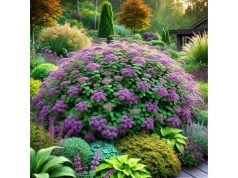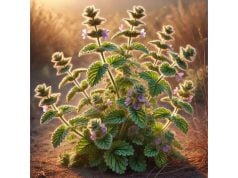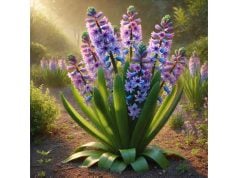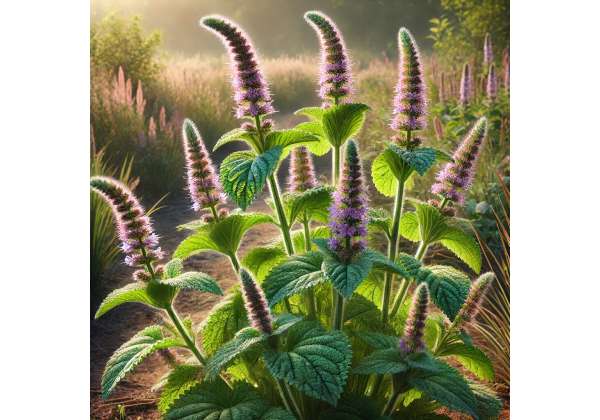
Huo Xiang, here referring specifically to Agastache rugosa, is an aromatic East Asian herb best known for easing nausea, bloating, poor appetite, loose stools, and the heavy, foggy feeling that often comes with humid weather or digestive upset. It belongs to the mint family, but its medicinal character is more warming, penetrating, and moisture-moving than many common culinary mints. In traditional practice, it is used to transform dampness, refresh the middle digestive tract, and stop vomiting. Modern research points in a compatible direction: the herb contains volatile compounds and flavonoids with antimicrobial, anti-inflammatory, antioxidant, and gastroprotective activity.
What makes Huo Xiang especially interesting is that it sits between kitchen herb and formal medicine. A light tea can be gentle and practical, while concentrated extracts and essential oils are much stronger and deserve more caution. It is also a herb where species and chemotype matter. Not every product labeled “Huo Xiang” behaves the same way. The most useful way to understand it is as a focused aromatic herb for short-term digestive and dampness-related complaints, not as a catch-all daily tonic.
Quick Summary
- Huo Xiang is most often used for nausea, bloating, poor appetite, and loose stools linked to damp, heavy digestive patterns.
- Its volatile oils and flavonoids support antimicrobial, anti-inflammatory, and gastroprotective effects.
- A traditional decoction range is often about 5 to 10 g of dried aerial parts daily.
- Avoid unsupervised use of concentrated oils during pregnancy, in young children, and in people with liver-sensitive medication plans.
Table of Contents
- What is Huo Xiang
- Key ingredients and actions
- What benefits is it used for
- How to use Huo Xiang
- How much should you take
- Side effects and warnings
- What the evidence really says
What is Huo Xiang
Huo Xiang is the dried aerial herb of Agastache rugosa, an aromatic plant in the mint family with a long history in Chinese and Korean traditional medicine. It is also known as Korean mint, though that common name can make it sound milder and more culinary than it really is. In practice, Huo Xiang is a working herb. It is used when digestion feels sluggish, the stomach is unsettled, the body feels heavy or sticky, and symptoms seem worse in humid weather, after greasy food, or during a summer cold.
The traditional profile of Huo Xiang is aromatic, slightly warm, and damp-transforming. In plain language, that means it is chosen less for dryness, weakness, or depletion and more for conditions marked by fullness, nausea, thick coating on the tongue, loose stools, poor appetite, chest oppression, and a sense of internal “stagnation.” This gives the herb a very practical identity. It is not simply a fragrant tea. It is a plant selected for a specific pattern of digestive and environmental discomfort.
One important detail is that Huo Xiang can be confused with related naming in East Asian herbal trade. Some modern products distinguish Agastache-based Huo Xiang from Guang Huo Xiang, which is typically linked to Pogostemon cablin rather than Agastache rugosa. That matters because people often assume all “patchouli-like” aromatic digestive herbs are interchangeable. They are not. This article stays focused on Agastache rugosa, whose chemistry and traditional use are similar in some ways to other aromatic damp-transforming herbs, but not identical.
Historically, the herb has been used for:
- Nausea and vomiting.
- Diarrhea and abdominal discomfort.
- Summer heat with dampness.
- Poor appetite and bloating.
- Common cold symptoms with chest and stomach heaviness.
- Bad breath or a stale taste in the mouth.
Another reason Huo Xiang stands out is that it bridges food and medicine. In some settings it is used as a culinary aromatic, yet in clinical herbal practice it is handled with more precision. That difference is important. A few leaves in food are not the same as a concentrated extract, a decoction, or an essential oil. The whole herb has a broader, softer, more traditional profile than its most concentrated preparations.
The best way to think about Huo Xiang is as a targeted aromatic herb for damp, heavy, unsettled digestion and seasonal discomfort. It is not meant to do everything. It works best when the reason for using it is clear, the preparation matches the goal, and the user respects the difference between whole herb and concentrated products.
Key ingredients and actions
Huo Xiang gets much of its medicinal personality from two chemical families: volatile oil constituents and polyphenolic compounds. Together, they give the herb its scent, its warming and moving character, and much of its modern pharmacological interest.
The volatile fraction is where things become especially interesting. Agastache rugosa is not chemically uniform. Different populations can express different essential-oil chemotypes, with estragole, pulegone, menthone, isopulegone, methyl eugenol, limonene, and related aromatic compounds appearing in different proportions. That means two products labeled with the same plant name may not smell identical, taste identical, or behave identically. This is one of the most important practical insights about Huo Xiang and one reason concentrated oils deserve more caution than a simple tea.
Beyond the aromatic fraction, the herb contains important nonvolatile compounds, especially tilianin, acacetin, and rosmarinic acid. These are often the main compounds people point to when discussing antioxidant, anti-inflammatory, and gastroprotective activity. Tilianin is particularly well known in Agastache rugosa research, while rosmarinic acid adds the kind of polyphenol support also seen in other mint-family herbs. If you know the gentler digestive and nervine side of peppermint, you already have a useful comparison point, although Huo Xiang is generally more damp-moving and less cooling in feel.
From a practical herbal perspective, the main actions of Huo Xiang are:
- Aromatic carminative, meaning it can help reduce gas, bloating, and stagnant fullness.
- Antiemetic support, especially when nausea comes with heaviness or damp digestive signs.
- Mild antimicrobial action, particularly at the level of volatile compounds.
- Anti-inflammatory and antioxidant activity, supported by both flavonoids and phenolic acids.
- Gastroprotective potential, suggested by preclinical work on irritated gastric tissue.
- Damp-transforming and surface-refreshing action in traditional pattern language.
This mix of compounds explains why Huo Xiang is not simply a “minty stomach herb.” The volatile compounds make it active, penetrating, and fast-moving. The flavonoids and phenolic acids add depth and longer-lasting biochemical interest. The result is a herb that can feel immediately aromatic in the mouth and stomach while still showing broader preclinical effects in inflammatory models.
The chemistry also explains the herb’s limits. Volatile-rich herbs can lose potency when overboiled, oxidized, or stored poorly. Concentrated oils can be much harsher than the dried herb. Chemotype variation means one batch may lean more sweet and anise-like, while another is more pungent or more sharply minty. For a casual tea drinker, that may only affect flavor. For therapeutic use, it can affect tolerance and safety.
So the chemistry of Huo Xiang is not just background detail. It is the reason the herb can be helpful, the reason product quality matters, and the reason concentrated preparations should never be treated as interchangeable with the whole aerial herb.
What benefits is it used for
Huo Xiang is best known for digestive relief, but the most useful way to talk about its benefits is to stay close to the kind of problems it has traditionally handled well. This is not a general “wellness booster.” It is a symptom-focused herb with a strong track record in nausea, bloating, poor appetite, loose stools, and the discomfort that comes when the stomach feels sluggish and the body feels burdened by humidity or rich food.
Its most classic use is for nausea and vomiting. In traditional practice, that includes simple stomach upset, travel-related queasiness, and the kind of vomiting that comes with damp summer illness or a greasy, overfull digestive tract. Huo Xiang is especially valued when nausea comes with heaviness, bad taste in the mouth, low appetite, or abdominal distention rather than with dry irritation alone. In this sense it often complements better-known nausea herbs such as ginger, though Huo Xiang tends to be chosen when dampness and fullness are more prominent.
A second major benefit area is bloating and poor digestion. Many people describe the Huo Xiang pattern as “food just sitting there.” The person may burp, feel foggy, lose interest in meals, or have loose stools with a sense of incomplete digestion. In those situations, the herb’s aromatic and moving quality makes good practical sense. It helps refresh the digestive tract rather than heavily stimulating it.
Loose stools and mild summer diarrhea are another traditional fit. This is not because Huo Xiang is simply drying. Rather, it is used when diarrhea comes with dampness, nausea, mild chills, abdominal fullness, or contaminated-food type digestive unrest. That is very different from using it for chronic diarrhea due to inflammatory bowel disease, severe dehydration, or unexplained gastrointestinal disease.
Huo Xiang also appears in formulas for early seasonal illness, especially when a cold overlaps with digestive symptoms. The person may feel achy, nauseated, foggy, and heavy rather than sharply feverish. In those situations the herb is valued because it addresses the chest and stomach together. That dual action helps explain why it appears in several famous East Asian formula traditions.
Other realistic benefit areas include:
- A stale or coated taste in the mouth.
- Mild halitosis linked to digestive stagnation.
- Humid-weather headaches with nausea and body heaviness.
- Recovery after a heavy meal when appetite has vanished.
The key phrase here is “realistic benefit.” Modern preclinical work supports anti-inflammatory, antioxidant, antimicrobial, and gastric-protective effects, but the everyday user will notice Huo Xiang most clearly as a digestive aromatic. It may reduce the sense of internal dampness, lighten the stomach, and make the body feel less bogged down. That is where its reputation is strongest and where its traditional identity still feels most convincing.
How to use Huo Xiang
Huo Xiang can be used in several forms, and the best form depends on the job you are asking it to do. The gentlest and most traditional options are infusion and short decoction. More concentrated options include powders, granules, tinctures, and essential oil products, but these are not interchangeable.
A light tea or covered infusion is a good starting point for mild bloating, poor appetite, stale taste in the mouth, or minor nausea. Because the herb contains valuable aromatic compounds, covering the cup while it steeps helps keep more of those volatile constituents in the liquid. This form is practical for home use and often enough for ordinary post-meal discomfort or humid-weather sluggishness.
A short decoction is more traditional when the herb is being used as medicine rather than as a casual tea. In classic practice, aromatic herbs are often added late in the decoction process or simmered only briefly so their fragrance is not driven off. This is a crucial practical detail. Overboiling Huo Xiang can leave you with a flatter, less aromatic result and a weaker match to the herb’s intended action.
Granules and powders are common in East Asian herbal practice and can be more convenient than raw herb. They are especially useful when Huo Xiang is part of a broader formula for digestive upset or seasonal damp-cold complaints. Capsules and standardized extracts are also available, but here label quality matters much more. A product may emphasize flavonoids, essential oil, or general extract ratio, and that changes both the feel and the likely effect.
Common ways to use Huo Xiang include:
- Covered infusion
Best for mild digestive discomfort and light aromatic support. - Short decoction
Better for traditional medicinal use and formula-based preparation. - Granules
Practical for travel or more formal herbal programs. - Powdered herb
Sometimes used in formula practice, but not always ideal for sensitive stomachs. - Essential oil or strongly concentrated extract
Best treated with caution and not as a casual internal remedy.
In formula use, Huo Xiang is often paired with other aromatic, digestive, or damp-transforming herbs. It combines naturally with perilla and similar herbs when the picture includes nausea, chills, and digestive stagnation. It can also be used in culinary contexts, but medicinal use usually calls for a more intentional dose and preparation style than food seasoning does.
The biggest practical rule is simple: match the form to the need. Use tea for light digestive support, short decoction for more traditional medicinal use, and be much more careful with concentrated products. Huo Xiang is a plant that rewards gentle extraction and thoughtful handling rather than maximum intensity.
How much should you take
Huo Xiang dosing depends on the form, the reason for use, and whether the herb is being taken alone or inside a formula. For the dried aerial herb in traditional decoction practice, a practical range is often around 5 to 10 g daily. Some formula-based uses may go a bit lower or slightly higher, but this range is a sensible anchor for ordinary adult use of the crude herb.
For a mild household infusion, the dose can be smaller. About 1.5 to 3 g of dried herb per 240 mL cup is often enough for a light digestive tea. That is roughly 1 to 2 teaspoons, depending on how finely the herb is cut. One cup after a heavy meal or up to 2 or 3 cups across a day is a common practical pattern when the goal is easing nausea, gas, or appetite loss rather than following a formal East Asian prescription.
A useful way to think about dosing is by level of intensity:
- Light support: 1.5 to 3 g per cup as tea.
- Traditional single-herb range: about 5 to 10 g per day in decoction.
- Granules or extracts: follow the crude-herb equivalent, not just capsule weight.
- Essential oil: do not treat it like tea or raw herb, because it is much more concentrated.
Timing also matters. Huo Xiang is often most useful before or after meals, at the start of nausea, or early in a damp-season illness when appetite drops and the stomach feels unsettled. Because it is aromatic, it tends to work best when the herb still smells lively. Very old, stale material is rarely worth keeping for medicinal use.
Two practical details are easy to miss. First, aromatic herbs are often better prepared briefly than heavily boiled. Second, longer use is not always better. Huo Xiang is usually a short-term herb for an active complaint, not a permanent daily tonic. If someone is still relying on it after many weeks, the more important question is why the digestion remains disturbed.
Dose adjustments make sense in a few situations:
- Lower doses for people with small appetite, frailty, or strong sensitivity to aromatic herbs.
- Shorter, milder preparations for people prone to reflux or mouth irritation.
- Formula-based dosing rather than single-herb self-use when symptoms are complicated.
The bottom line is that Huo Xiang is not difficult to dose, but it does need context. A tea, a traditional decoction, and a concentrated extract are not the same thing. Staying near the low-gram traditional range for the whole herb is the safest and most practical starting point for most adults.
Side effects and warnings
Whole-herb Huo Xiang is generally milder than its chemistry might suggest, but “mild” does not mean risk-free. The dried herb as tea or short decoction is usually well tolerated in healthy adults when used for a clear short-term purpose. The concentrated oil and high-potency extracts are a different story.
The most common side effects are digestive. A person may notice stomach irritation, a hot or sharp feeling in the mouth, mild nausea if the preparation is too strong, or a sense that the herb is too fragrant and stimulating for their body. This is more likely with concentrates than with a simple tea. Some people with reflux or a very sensitive upper digestive tract may also find that strong aromatic herbs make symptoms worse rather than better.
Potential side effects include:
- Stomach irritation.
- Burping or reflux aggravation.
- Headache from strong aroma in sensitive individuals.
- Mouth or throat irritation from concentrated preparations.
- Skin irritation from essential oil products.
Pregnancy and breastfeeding are areas where caution is appropriate, especially with concentrated extracts and essential oils. There is not enough good human safety data to support casual internal use of strong preparations. Young children also deserve extra caution, particularly with essential oils around the face or in undiluted topical products.
A more specific concern involves the volatile chemistry. Because Agastache rugosa can express estragole-rich and pulegone-rich chemotypes, concentrated oils should not be treated as interchangeable household remedies. Estragole and pulegone both raise more safety questions in concentrated form than in a simple whole-herb tea. That does not make the dried herb unsafe in ordinary traditional use. It does mean essential-oil products deserve more respect than a friendly mint-family scent might suggest.
People who should be especially careful include:
- Pregnant or breastfeeding people.
- Young children.
- People with liver disease.
- People with seizure disorders or strong neurological sensitivity to essential oils.
- Anyone taking multiple prescription drugs.
- People with known allergies to mint-family herbs.
Drug interaction data for Huo Xiang itself are not as well mapped as they are for more famous herbs, but caution still makes sense with concentrated products. When a plant is chemically aromatic and variable by chemotype, it is wise to avoid assumptions. A tea is one thing. A standardized extract or volatile oil product may behave quite differently.
This is also not an herb for self-treating serious infections, persistent vomiting, blood in the stool, severe abdominal pain, or unexplained weight loss. Huo Xiang is at its best as a short-term aromatic digestive medicine. Once symptoms become severe, prolonged, or medically complex, the herb should move into a supporting role rather than a leading one.
What the evidence really says
The evidence base for Huo Xiang is promising, but uneven. The strongest modern support comes from phytochemistry, preclinical pharmacology, and traditional consistency rather than from large human clinical trials of the single herb. That distinction is important because it keeps the herb in the right lane: plausible, useful, and interesting, but not fully clinically settled.
At the chemistry level, the case is strong. Researchers have documented the herb’s nonvolatile compounds, including tilianin, acacetin, and rosmarinic acid, as well as major chemotype differences in the volatile fraction. That supports the idea that Huo Xiang is a real medicinal species with meaningful biochemical diversity. It also explains why different products can feel different.
At the preclinical level, the evidence is also respectable. Animal and cell studies suggest anti-inflammatory, antioxidant, antimicrobial, gastroprotective, anti-photoaging, and metabolic effects. The gastritis research is especially relevant because it connects well with traditional digestive use. In those studies, Agastache rugosa extracts reduced inflammatory signaling and improved markers of gastric mucosal injury. That does not prove the herb cures gastritis in people, but it does give the traditional stomach-soothing reputation more weight than mere folklore.
The weaker part of the evidence is human monotherapy data. There are not many strong clinical trials testing Huo Xiang alone in clearly defined patient groups. Much of the real-world clinical literature comes from formulas, especially traditional combinations where Huo Xiang is one part of a larger treatment strategy. This matters because formulas may work differently than a single-herb tea or capsule. It also means many claims made online about Huo Xiang are really borrowed from formula experience, not proven for the isolated herb.
A fair reading of the evidence looks like this:
- Best supported: chemistry, traditional digestive use, and preclinical anti-inflammatory and gastroprotective effects.
- Reasonably plausible: short-term support for nausea, bloating, poor appetite, damp-weather digestive upset, and mild upper-digestive heaviness.
- Less certain: broad antimicrobial claims in people, long-term metabolic benefits, and disease-specific treatment claims.
- Most overstated online: essential-oil claims and the idea that any Huo Xiang product will behave the same way.
That last point may be the most useful of all. Chemotype research and genome work show that Agastache rugosa is not chemically flat. One sample may lean toward estragole, another toward pulegone, and others toward additional aromatic patterns. That makes quality control and preparation style more important than casual supplement marketing suggests.
So where does that leave the everyday reader? Huo Xiang is probably worth knowing as a traditional aromatic digestive herb with real pharmacological potential. It is not a miracle cure, and it is not yet backed by the kind of human evidence that would justify sweeping claims. But used in its traditional lane, for a clear short-term reason, it remains one of the more coherent and practical herbs in the aromatic digestive category.
References
- Agastache Species: A Comprehensive Review on Phytochemical Composition and Therapeutic Properties 2023 (Comprehensive Review)
- Pharmacological Effects of Agastache rugosa against Gastritis Using a Network Pharmacology Approach 2020
- Comparison of Pulegone and Estragole Chemotypes Provides New Insight Into Volatile Oil Biosynthesis of Agastache rugosa 2022
- Metabolites identification for major active components of Agastache rugosa in rat by UPLC-Orbitap-MS: Comparison of the difference between metabolism as a single component and as a component in a multi-component extract 2022
- Haplotype-resolved genome of Agastache rugosa (Huo Xiang) provides insight into monoterpenoid biosynthesis and gene cluster evolution 2025
Disclaimer
This article is for educational purposes only and is not medical advice, diagnosis, or treatment. Huo Xiang is a traditional herb with meaningful pharmacology, especially in concentrated extract or essential-oil form. It should not replace medical care for persistent vomiting, severe diarrhea, dehydration, abdominal pain, fever, or suspected infection. Speak with a qualified healthcare professional before using this herb internally if you are pregnant, breastfeeding, giving herbs to a child, managing a chronic illness, or taking prescription medicines.
If this article helped you, please share it on Facebook, X, or your preferred platform so more readers can find careful, practical information about Huo Xiang.