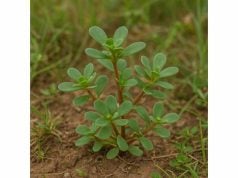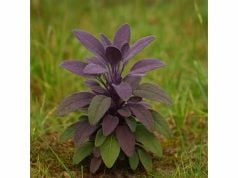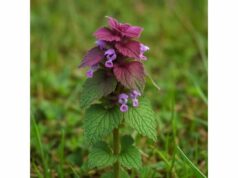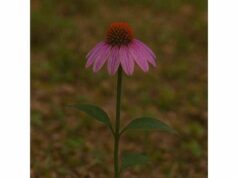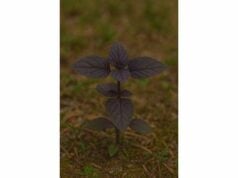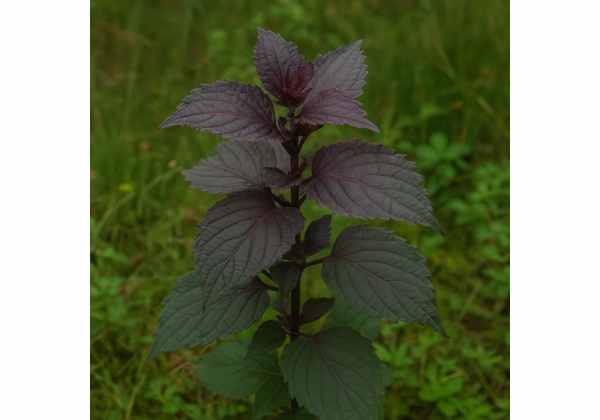
Perilla, also known as Perilla frutescens, is an aromatic mint-family plant used across East Asia as a culinary herb, traditional remedy, seed crop, and source of medicinal extracts. Depending on the form, it may appear as fresh green or purple leaves, dried leaf tea, seed oil, or a standardized extract rich in rosmarinic acid and related polyphenols. That variety matters, because perilla’s benefits are not all tied to the same part of the plant. The leaves are best known for their aromatic, digestive, and anti-allergic traditions, while the seeds and seed oil stand out for their high alpha-linolenic acid content, a plant omega-3 fat.
Modern research gives perilla a stronger footing than many culinary herbs. It contains rosmarinic acid, luteolin, apigenin, perillaldehyde, and other bioactive compounds linked with anti-inflammatory, antioxidant, and allergy-modulating effects. Even so, the herb is not a cure-all. The most useful way to think about perilla is as a food-and-medicine bridge: versatile, promising, and reasonably well studied, but still dependent on the right form, dose, and safety context.
Essential Insights
- Perilla leaf extracts rich in rosmarinic acid may help reduce mild seasonal allergy symptoms, especially itchy nose and watery or itchy eyes.
- Perilla seed oil is a useful plant omega-3 source and may support antioxidant status and some aspects of cognitive aging in selected adults.
- Human studies have used about 50 to 200 mg/day of rosmarinic-acid-enriched perilla extract or 7.0 mL/day of perilla seed oil, depending on the preparation.
- People with known seed allergies, prior reactions to perilla, pregnancy, breastfeeding, or plans to use essential oil or concentrated extracts should be cautious.
Table of Contents
- What Perilla Is and Why the Form Matters
- Key Ingredients and Medicinal Properties
- Perilla Health Benefits for Allergy, Inflammation, and Omega3 Support
- What Human Studies Actually Show
- Culinary, Traditional, and Modern Uses
- Dosage and How Much to Use
- Safety, Side Effects, and Who Should Avoid It
What Perilla Is and Why the Form Matters
Perilla is an annual herb in the mint family, Lamiaceae, and is closely related to familiar aromatic plants such as basil, lemon balm, and mint. In Japan it is often called shiso, while in Korea it may refer to both leaves and seeds used in cooking. In traditional Chinese, Japanese, and Korean practice, the plant has long been used for digestion, nausea, cold-related discomfort, seafood-associated stomach upset, and certain allergy-like symptoms. Yet one of the easiest mistakes in a perilla article is treating every part of the plant as if it does the same job.
Perilla leaves, perilla seed oil, perilla seeds, and rosmarinic-acid-enriched extracts are not interchangeable. The leaf is rich in aromatic compounds and phenolics, especially rosmarinic acid, luteolin, and apigenin derivatives. This is the form most strongly tied to anti-allergic and anti-inflammatory discussions. The seed and seed oil are different. They stand out for their high alpha-linolenic acid content, which places them closer to plant omega-3 foods than to classic aromatic leaf herbs. Concentrated extracts are different again, because they can deliver much higher and more consistent amounts of selected compounds than a meal or tea can provide.
That is why asking “What are the health benefits of perilla?” needs a follow-up question: which form? A fresh leaf tucked into a meal, a seed oil capsule, a leaf infusion, and a standardized extract are likely to produce different effects. This matters more with perilla than with many herbs, because the plant spans several categories at once:
- Culinary herb
- Traditional medicinal leaf
- Functional seed crop
- Plant omega-3 oil source
- Standardized extract ingredient
That range is part of what makes perilla interesting. It is not just a spice and not just a supplement. It is a plant whose chemistry changes enough across its parts that the intended use should guide the choice of form.
There is also a geographic and cultural dimension. In East Asian traditions, perilla is often used as both food and medicine without a rigid separation between the two. This fits the broader food-as-supportive-therapy model, where a plant helps through repeated low-level use rather than through a dramatic one-time dose. Readers who like to compare aromatic kitchen herbs may notice some overlap with basil and other culinary mint-family plants, but perilla has a more developed seed-oil and anti-allergy identity than basil does.
So the best starting point is simple: identify the part, match it to the goal, and avoid assuming that all perilla products are equivalent. That one step makes the rest of the evidence much easier to understand.
Key Ingredients and Medicinal Properties
Perilla’s medicinal value comes from several different compound groups, and the balance shifts depending on whether you are looking at the leaf, seed, or oil. The most widely discussed constituents are rosmarinic acid, luteolin, apigenin, perillaldehyde, and alpha-linolenic acid. Together, these compounds help explain why perilla attracts attention in allergy, inflammation, metabolism, and functional-food research.
The best-known leaf compound is rosmarinic acid. This phenolic compound is strongly associated with antioxidant and anti-inflammatory activity and has the clearest human evidence in perilla-based allergy studies. Rosmarinic acid is not unique to perilla, but perilla is one of the herbs most often discussed for it in a clinical context. If that pathway interests you, rosmarinic acid and its broader benefits and risks gives helpful context beyond this plant alone.
Perilla leaf also contains important flavonoids, especially luteolin and apigenin. These compounds are frequently studied for inflammation-modulating and antioxidant effects. In lab and animal models, they have been linked with reduced cytokine signaling, better oxidative balance, and protection against inflammatory tissue changes. Those are mechanistically interesting findings, even if they do not automatically translate into strong clinical claims.
The volatile oils in perilla leaf contribute another layer. These include perillaldehyde, limonene, and other aromatic molecules that shape the plant’s smell, taste, and traditional “surface-releasing” role in East Asian herbal practice. Aromatic compounds often support digestive and sensory uses, and in perilla they likely contribute to the herb’s reputation for easing nausea, food-related discomfort, and stagnation after heavy meals.
The seed oil is chemically distinct because it is rich in alpha-linolenic acid, a plant omega-3 fatty acid. In some analyses, perilla seed oil contains over 60% alpha-linolenic acid, which places it among the richer plant sources of omega-3 fat. The oil may also contain tocopherols and phytosterols, which add to its nutritional appeal.
Taken together, perilla’s most realistic medicinal properties are:
- Anti-inflammatory
- Antioxidant
- Potentially anti-allergic
- Digestive-supportive
- Mildly antispasmodic
- Potentially antimicrobial
- Nutritionally supportive through plant omega-3 intake
There is also a safety-related side to its chemistry. Certain volatile components, especially in concentrated essential-oil-style preparations, are much less food-like than ordinary leaves or culinary seed oil. That is one reason culinary use and concentrated extract use should not be treated as the same exposure.
This is the main theme of perilla chemistry: it is unusually versatile, but that versatility requires precision. The leaf is not the oil. The oil is not the extract. The extract is not the fresh garnish on a plate. Knowing which compounds dominate in each form is the key to using the herb sensibly.
Perilla Health Benefits for Allergy, Inflammation, and Omega3 Support
Perilla’s health benefits are strongest when grouped into three practical areas: allergy support, inflammation and oxidative stress, and plant omega-3 nutrition. Each area is real, but each belongs to a slightly different form of the plant.
1. Mild seasonal allergy support
This is the best-known clinical niche for perilla leaf extract, especially when it is enriched for rosmarinic acid. Human studies suggest that rosmarinic-acid-rich perilla preparations may help reduce symptoms such as itchy nose, watery eyes, itchy eyes, and overall mild seasonal allergic rhinoconjunctivitis. This does not make perilla a replacement for prescribed allergy care, but it does give the herb more direct human evidence than many anti-allergy botanicals receive.
2. Anti-inflammatory and antioxidant support
Perilla leaf extracts and their major polyphenols show a broad anti-inflammatory pattern in experimental research. They have been linked with lower cytokine activity, reduced oxidative stress, and better control of inflammatory signaling pathways. This area has stronger mechanistic support than hard clinical outcome data, but it helps explain why perilla shows up in traditional uses for airway irritation, inflammatory skin tendencies, and food-related discomfort.
3. Plant omega-3 support from the seed oil
Perilla seed oil is one of the more interesting edible plant oils because of its very high alpha-linolenic acid content. For people seeking a non-fish omega-3 source, that alone makes it nutritionally notable. In human research, perilla seed oil has been linked with improved antioxidant potential and some favorable trends in cognitive and mental-health measures in healthy older adults. These findings are promising, though still limited and not strong enough to turn perilla oil into a brain-treatment product. For broader context, omega-3 fatty acids and their usual evidence base help show where perilla seed oil fits among more familiar omega-3 options.
4. Digestive and food-tolerance support
This is an older, more traditional benefit. Perilla leaves have been used with seafood, heavy foods, and nausea-prone meals, partly because of their aromatic chemistry and partly because of their place in East Asian medicine. This benefit is plausible and practical, though not one of the areas with strong modern clinical trials.
5. Respiratory and skin-interest potential
Preclinical studies suggest benefits in allergic airway inflammation and dermatitis-like models. These findings support the anti-allergic reputation of the plant, but they should still be treated as exploratory unless tied to a specific human formulation.
So what should readers take from all this?
- The best human evidence is for allergy-oriented leaf extract use.
- The best nutritional argument is for seed oil as a plant omega-3 source.
- The broadest traditional use is for digestion and food-related discomfort.
- The most inflated claims are the ones that jump from lab results straight to disease treatment.
Perilla is a genuinely useful herb. It just works best when the benefit claim matches the form being used.
What Human Studies Actually Show
Perilla has one advantage over many herbs in this category: there are at least a few human studies worth discussing. The downside is that these studies examine different preparations for different goals, so they cannot be blended into one simple “perilla dose works for everything” message.
The clearest clinical study involves rosmarinic-acid-enriched perilla extract for mild seasonal allergic rhinoconjunctivitis. In a randomized, double-blind, placebo-controlled trial lasting 21 days, adults with mild seasonal allergy symptoms took either placebo or perilla extract enriched for rosmarinic acid at 50 mg or 200 mg daily. The active groups showed improvements in itchy nose, watery eyes, itchy eyes, and total symptoms, along with reductions in inflammatory cells in nasal lavage fluid. This is not a huge trial, but it is meaningful because it directly studies a perilla-derived preparation in humans.
A second clinically relevant area is perilla seed oil. In a 12-month study in healthy elderly Japanese adults, participants taking 7.0 mL of perilla seed oil daily, equivalent to about 4 g alpha-linolenic acid per day, showed higher biological antioxidant potential and favorable trends in cognitive and mental-health measures compared with controls. This is interesting and encouraging, but it still sits in the “supportive functional food” category rather than the “established therapy” category.
Clinical-practice reviews also discuss combination products that include perilla alongside other compounds such as quercetin and vitamin D, especially for allergic rhinitis. These formulas may show benefit, but they complicate interpretation because the effect cannot be assigned to perilla alone. That is why direct perilla-only or perilla-dominant studies matter more. Readers curious about common add-on ingredients in allergy formulas may recognize some overlap with quercetin and supplement-style allergy support.
There is also human interest around topical rosmarinic acid for atopic dermatitis, but here the effect is really about rosmarinic acid rather than perilla as a whole culinary herb. It still matters, because perilla is one practical source of that compound, but the preparation is much more specialized than an ordinary tea or meal.
The main lessons from the human evidence are:
- Leaf extract and seed oil are not the same intervention.
- The strongest symptom evidence is in mild seasonal allergy.
- The strongest nutritional-intervention evidence is in seed oil.
- Most studies are still modest in size and not enough to justify broad disease claims.
In other words, human research supports the idea that perilla has real therapeutic promise, but only in selected forms and settings. That is a solid position for a functional herb. It is not yet a reason to treat perilla as a general-purpose remedy for asthma, depression, metabolic disease, or chronic inflammatory illness without stronger evidence.
Culinary, Traditional, and Modern Uses
Perilla is one of the easiest medicinal herbs to integrate into daily life because it has a long culinary history. This matters. Herbs that can be used in food often become more practical than herbs that only live in capsules or tinctures.
Culinary use
Fresh perilla leaves are commonly used as wraps, garnishes, condiments, or chopped herbs. Purple perilla may also be used in pickling, while green forms often appear raw or lightly cooked. The leaves have a distinctive aroma that can seem minty, basil-like, spicy, or slightly anise-like depending on the variety. They pair especially well with rice, noodles, fish, grilled foods, tofu, fermented vegetables, and summer dishes.
This food use supports some of the herb’s gentlest goals:
- Light digestive support
- Aromatic stimulation of appetite
- Addition of polyphenols to meals
- A practical way to use the herb repeatedly without turning it into a medicine-only product
Traditional herbal use
In East Asian practice, perilla leaf has been used for exterior wind-cold patterns, nausea, seafood-related digestive upset, cough with phlegm, and constrained digestion. Modern readers do not need to adopt those exact traditional frameworks to understand the broad theme: perilla was often used where digestion, upper-airway discomfort, and mild reactive symptoms overlapped.
Seed and seed oil use
Perilla seeds and seed oil belong to a different lane. Their main modern appeal is nutritional. The oil can be used in small amounts as a plant omega-3 source, usually in cold or low-heat applications. This is the most sensible way to compare it with flaxseed oil as another plant omega-3 option. Both are better thought of as nutritional oils than as quick-acting symptom herbs.
Extract and supplement use
Standardized perilla extracts, especially rosmarinic-acid-enriched products, are the forms most relevant to allergy-support research. These can make sense when the goal is specific and the product is standardized. They make less sense when used casually without a clear reason, because perilla’s benefits vary too much by preparation for vague “immune support” labeling to be very informative.
Tea and simple home use
Dried leaf tea or light infusions can be a middle ground between food and supplement. They are gentler than extracts and more intentional than garnish use. This may suit people interested in traditional digestive or respiratory comfort, though the research is less precise here than it is for standardized products.
So the most practical perilla-use hierarchy looks like this:
- Fresh or cooked leaves for regular culinary support
- Leaf infusions for mild traditional-style use
- Seed oil for plant omega-3 intake
- Standardized extracts for selected allergy-oriented goals
That range is exactly why perilla is easy to overstate. It has many legitimate uses, but they belong to different categories. The herb is most useful when those categories stay distinct.
Dosage and How Much to Use
There is no single “perilla dose” because the leaf, oil, and extract forms differ too much. The safest way to discuss dosage is by preparation type.
Fresh leaves
As a food herb, perilla is usually dosed by portion rather than by milligrams. A practical amount is a small handful of fresh leaves, often 2 to 6 leaves in a meal, depending on size and tolerance. In this form, perilla acts like a strong culinary herb rather than a medical product.
Dried leaf infusion
For a simple tea-style use, a cautious range is about 1 to 2 g dried leaf per cup of hot water, taken once or twice daily if tolerated. This is a traditional-style amount, not a rigorously validated clinical dose. It is best suited to light digestive or aromatic support, not to high-confidence therapeutic use.
Rosmarinic-acid-enriched extract
This is the form with the clearest human allergy data. Clinical work has used 50 to 200 mg per day of a rosmarinic-acid-enriched perilla extract for around 21 days in mild seasonal allergic rhinoconjunctivitis. These numbers should not be casually transferred to a homemade tea or random capsule, because they depend on standardization.
Perilla seed oil
Human studies have used 7.0 mL per day of perilla seed oil, which is roughly equivalent to 4 g alpha-linolenic acid daily, over a long period in healthy older adults. That is more like a nutritional intervention than a short herbal course. It also means that a few drops used as a garnish are not the same thing as the amounts studied.
Practical dosing principles
- Match the dose to the form.
- Start lower if you are new to the herb.
- Do not assume a culinary portion equals a supplement dose.
- Do not assume the seed oil and leaf extract solve the same problem.
- Prefer short, defined trials of a new perilla product rather than indefinite casual use.
This is especially important because perilla is often sold in blended products. If a supplement includes perilla alongside vitamin D, quercetin, probiotics, or other botanicals, the effective dose of perilla may be unclear.
For many people, the best first step is not a concentrated product at all. It is regular culinary use plus a careful decision about whether there is a clear reason to add either a seed oil or a standardized extract. That approach usually gives better results than jumping straight to the most concentrated form.
Safety, Side Effects, and Who Should Avoid It
Perilla is broadly safe as a food, especially in normal culinary amounts, but “safe as food” is not the same thing as “risk-free in concentrated form.” The main safety issues involve allergy, contact reactions, seed sensitivity, and the gap between food use and extract use.
The most important caution is allergy, especially to the seeds. Perilla seed allergy and even severe reactions have been reported, and this matters more in regions where the seeds are commonly eaten. Contact dermatitis has also been documented in occupational exposure to the plant. That means people who already react to seeds, fragrant herbs, or repeated plant handling should be cautious. The plant can be both anti-allergic in one context and allergenic in another, depending on the person and the form.
A second concern is concentrated extracts and essential-oil-style products. Perilla leaf in food is one thing. Concentrated volatile compounds are another. Certain perilla constituents, particularly in non-food-style preparations, deserve more caution than ordinary culinary use. This is why concentrated oil or essential-oil use is not a good place for casual self-experimentation.
A third issue is pregnancy and breastfeeding. Perilla leaf as food is generally less concerning, but there is not enough high-quality safety data to recommend medicinal-dose extracts casually in pregnancy or lactation. In those situations, it is wiser to stay with normal food use unless a clinician advises otherwise.
Possible side effects include:
- Mild stomach upset
- Oral or throat irritation from strong preparations
- Rash or dermatitis after handling
- Seed-triggered allergic reactions in sensitive individuals
- Unpredictable responses to concentrated supplements
Who should be especially cautious?
People with known seed allergies
Perilla seed is not the same as sesame or flax, but the pattern of seed allergy risk is worth respecting. Anyone with a history of food-triggered seed reactions should not assume perilla seed or perilla seed oil is automatically safe.
People with prior reactions to perilla or shiso
A past rash, throat reaction, or breathing problem after perilla is a reason to avoid experimentation.
People planning to use concentrated extracts
The evidence for perilla is form-specific. Stronger is not always better, and concentrated forms narrow the safety margin.
Pregnant or breastfeeding people
Culinary use is more reasonable than supplement-style dosing, but even then, simplicity is usually best.
People on complex treatment plans
Perilla is not famous for major drug interactions, but that mostly reflects limited study, not guaranteed absence of risk. Caution is appropriate if you are using multiple supplements or managing allergic, inflammatory, or respiratory disease with prescription treatment.
A sensible rule captures the whole safety picture: food use first, standardized products only for clear reasons, and extra caution with seeds and concentrated oils. Perilla is a good herb, but it works best when its many forms are not confused with one another.
References
- Comprehensive Review of Perilla frutescens: Chemical Composition, Pharmacological Mechanisms, and Industrial Applications in Food and Health Products – PMC 2025 (Review)
- Applications of Perilla frutescens Extracts in Clinical Practice – PMC 2023 (Review)
- Perilla Seed Oil: A Review of Health Effects, Encapsulation Strategies and Applications in Food – PMC 2024 (Review)
- Extract of Perilla frutescens enriched for rosmarinic acid, a polyphenolic phytochemical, inhibits seasonal allergic rhinoconjunctivitis in humans – PubMed 2004 (RCT)
- Perilla Seed Oil Enhances Cognitive Function and Mental Health in Healthy Elderly Japanese Individuals by Enhancing the Biological Antioxidant Potential – PubMed 2021 (Clinical Trial)
Disclaimer
This article is for educational purposes only and is not medical advice, diagnosis, or treatment. Perilla is used both as a food and as a medicinal plant, and the safety and effects of its leaves, seeds, seed oil, and extracts are not identical. Do not use perilla supplements or concentrated preparations to replace professional care for allergies, asthma, eczema, digestive disease, or other persistent symptoms. Seek qualified medical advice before using perilla therapeutically if you are pregnant, breastfeeding, have a seed allergy, or take regular medications for allergic, inflammatory, or metabolic conditions.
If this article was helpful, please share it on Facebook, X, or another platform you prefer.