Purple dead-nettle, or Lamium purpureum, is one of those early spring plants that many people notice before they learn its name. It grows quickly in lawns, field edges, and garden beds, with soft triangular leaves and small purplish-pink flowers that make it easy to mistake for a nuisance weed. Yet this humble mint-family herb has a long history as a wild edible and a folk remedy. Traditional use has linked it with mild astringent, soothing, and supportive actions for minor skin complaints, seasonal teas, and simple spring foods. Modern lab research adds another layer, showing that purple dead-nettle contains phenolic compounds, glycosides, flavonoids, and other plant chemicals with antioxidant and antimicrobial potential.
Still, this is not a heavily studied clinical herb. Its strongest modern appeal lies in being a gentle, accessible wild plant with promising preclinical activity and practical culinary value. The most helpful way to understand purple dead-nettle is to see it as a supportive spring herb rather than a proven treatment. That balanced view helps separate realistic benefits from exaggerated claims.
Essential Insights
- Purple dead-nettle may offer mild antioxidant and antimicrobial support, especially in traditional teas and topical preparations.
- Young leaves and flowering tops are also used as seasonal edible greens with modest nutritive value.
- A practical folk range is about 1 to 2 g dried aerial parts in 240 mL of hot water, up to 1 to 3 cups daily.
- Avoid medicinal use if you are pregnant, breastfeeding, highly allergy-prone, or taking blood thinners without professional guidance.
Table of Contents
- What Purple Dead-Nettle Is and How to Identify It
- Key Ingredients and Medicinal Properties of Purple Dead-Nettle
- Potential Health Benefits and Where the Evidence Is Strongest
- Purple Dead-Nettle as Food Folk Herb and Topical Plant
- How to Prepare Purple Dead-Nettle and Common Mistakes to Avoid
- Dosage Forms Serving Sizes and Practical Guidelines
- Safety Side Effects Interactions and Who Should Avoid It
What Purple Dead-Nettle Is and How to Identify It
Purple dead-nettle is an annual or sometimes winter annual herb in the mint family, Lamiaceae. Botanically, it belongs to the genus Lamium, which includes several “dead-nettles.” The word “dead” in the common name refers to the fact that the plant resembles a nettle but does not sting. That distinction matters because people often confuse it with stinging nettle or even with unrelated garden weeds. Purple dead-nettle is a gentle, fuzzy plant, not a plant that causes the sharp skin irritation associated with true nettles.
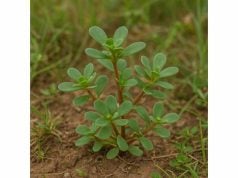
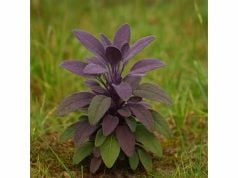
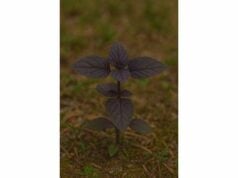
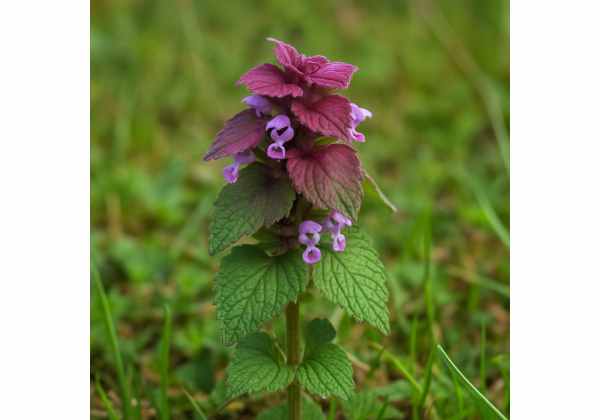
Its identifying features are fairly distinctive once you know what to look for. The stems are square, which is typical of the mint family. The leaves are soft, opposite, and heart- to triangular-shaped, with toothed margins. The upper leaves often take on a reddish-purple tone, especially in cool weather. Small tubular flowers cluster near the top of the plant and range from pink to purple. It grows close to the ground or slightly upright and often forms loose patches in disturbed soil, lawns, paths, and garden borders.
For foragers and gardeners, safe identification is essential. Purple dead-nettle is often found growing beside henbit, chickweed, speedwell, and young nettles. Most of these are not highly dangerous, but misidentification is still a poor habit when a plant is going to be eaten or used medicinally. The safest approach is to identify several traits together rather than relying on flower color alone.
Purple dead-nettle can be understood in three practical ways:
- as an edible spring green,
- as a traditional folk herb,
- as a plant with interesting but still limited modern research.
That middle point is important. Unlike heavily commercialized herbs, purple dead-nettle has not become a mainstream supplement with standardized extracts and large human trials. It lives in a more modest category: useful, historically interesting, and biologically active, but not fully defined by modern clinical science.
The aerial parts are the main portion used. Young leaves, tender stems, and flowering tops are the parts people most often harvest for tea, fresh preparations, or topical use. The plant is especially valued in early spring, when its fresh growth is abundant and tender. As it ages, the stems can become tougher and less appealing for food use.
Anyone interested in wild spring greens often compares it with plants such as dandelion as a classic spring foraging herb. That comparison is helpful because both plants are approachable, seasonal, and often overlooked, yet they differ in flavor, texture, and phytochemistry. Purple dead-nettle is milder, less bitter, and more subtle in both taste and medicinal tradition.
Key Ingredients and Medicinal Properties of Purple Dead-Nettle
Purple dead-nettle earns its herbal reputation through a broad group of plant compounds rather than one dominant chemical. That usually means its effects are gentle and layered, not dramatic. For readers, the most useful idea is that this herb behaves more like a mild phytochemical-rich spring plant than a potent single-target remedy.
One important group is phenylethanoid glycosides. These are plant compounds often linked with antioxidant activity, and purple dead-nettle has attracted interest in part because several such compounds have been isolated from the whole plant. Their presence helps explain why the herb is often described as protective, mildly anti-inflammatory, and chemically active even though it is small and common.
A second major group is flavonoids and other phenolic compounds. These include plant antioxidants that can help scavenge free radicals in laboratory models. While that does not automatically translate into a major clinical effect in humans, it does support the idea that purple dead-nettle has real biochemical activity rather than being just an edible weed with folklore attached to it.
The herb also appears to contain iridoid-related compounds, tannin-like constituents, and volatile components in smaller or more variable amounts, depending on the plant material and extraction method. This combination may help explain several of its traditional properties:
- mild astringency,
- surface-soothing action,
- antimicrobial potential,
- antioxidant support,
- possible assistance with minor tissue repair.
These properties line up well with the way folk herbalists have used the plant. A mildly astringent plant is often chosen for simple external uses such as minor cuts, insect bites, or irritated skin. A phenolic-rich plant with antioxidant activity is more likely to be valued in teas, salves, or seasonal tonics. Purple dead-nettle seems to fit both patterns.
That said, there is an important limit here. Most modern findings come from laboratory and preclinical studies, not from strong human trials. So while it is fair to say the plant has promising chemistry, it is not fair to claim that it has proven medical effects for major disease states.
The plant’s chemical profile also helps distinguish it from the better-known true nettles. Stinging nettle has its own mineral-rich, histamine-related, and protein-rich identity. Purple dead-nettle shares the “nettle” name only in appearance. Its more relevant comparison is with other gentle Lamiaceae herbs rich in polyphenols and soothing compounds, including lemon balm and related mint-family herbs that tend to work through broad supportive actions rather than narrow drug-like effects.
From a practical point of view, the chemistry of purple dead-nettle supports four careful takeaways. First, the plant has credible antioxidant potential. Second, it may have mild antimicrobial and anti-biofilm activity in laboratory settings. Third, it may justify some traditional topical use. Fourth, its medicinal profile is promising but still preliminary. In other words, the plant’s compounds are interesting enough to respect, but not strong enough to justify extravagant health promises.
Potential Health Benefits and Where the Evidence Is Strongest
Purple dead-nettle is often praised online for everything from allergy relief to immune strength, but the evidence is much narrower than those broad claims suggest. The most responsible way to discuss benefits is to separate traditional use, preclinical evidence, and proven human outcomes. Most of the current support falls into the first two categories.
1. Antioxidant support
This is probably the plant’s most defensible modern claim. Purple dead-nettle contains phenolic compounds and glycosides that show free-radical scavenging activity in laboratory studies. This makes the herb chemically interesting and supports its use as a phytochemical-rich spring plant. Still, antioxidant activity in a test tube is not the same as a clear health outcome in a person. It is best viewed as a supportive property rather than a guarantee of measurable disease prevention.
2. Mild antimicrobial and anti-biofilm potential
Laboratory work suggests that purple dead-nettle extracts may inhibit certain bacteria, yeasts, and biofilm-forming organisms. This helps explain why folk practitioners sometimes reach for it in simple washes, salves, or topical compresses. It also supports the plant’s reputation as a useful field herb for minor skin situations. However, these findings do not mean it should be used in place of appropriate care for infections.
3. Topical support for minor skin concerns
Traditional herbal use has long linked dead-nettle species with minor wounds, irritated skin, and light astringent applications. More recent research on Lamium species, including purple dead-nettle, gives this tradition some credibility. The plant may help with mild surface irritation and may be suited to simple poultices or infused oils for non-serious skin concerns. For more established topical support, many people compare it with plantain as a traditional wound and skin herb, which has a broader and more familiar herbal record.
4. Gentle food-based nourishment
Purple dead-nettle is also a spring edible. Young tops can be used in soups, pestos, cooked greens, and blended infusions. This is less a “medical” benefit and more a nutrition and seasonal food benefit. As with many edible weeds, the value lies in variety, freshness, and phytonutrient content rather than in one standout nutrient.
5. Possible haemostatic or tissue-tightening activity
This is a more tentative area, but it is worth mentioning carefully. Some work involving Lamium purpureum suggests haemostatic potential in experimental models. Combined with its astringent reputation, this gives some support to very modest folk claims for minor topical use. It does not justify using the plant for significant bleeding or serious injury.
What the evidence does not strongly support is equally important. Purple dead-nettle is not well proven for chronic inflammatory disease, serious allergies, metabolic conditions, or major immune disorders. It also does not have robust clinical research showing clear oral therapeutic effects in humans.
That makes the overall benefit picture fairly balanced. Purple dead-nettle looks most promising as:
- a mild antioxidant herb,
- a simple topical support plant,
- an edible spring green,
- a folk herb with laboratory-backed antimicrobial interest.
It looks least convincing when marketed as a cure-all or a clinically established medicinal plant. Its strength is modest usefulness, not dramatic intervention.
Purple Dead-Nettle as Food Folk Herb and Topical Plant
One reason purple dead-nettle remains appealing is that it crosses three worlds easily: foraging, folk medicine, and topical home care. Each use tells a different story, and together they make the plant more interesting than its reputation as a lawn weed suggests.
As a food plant, purple dead-nettle is usually harvested young. Tender tops can be added to soups, omelets, blended greens, pestos, smoothies, or sautéed spring dishes. The flavor is mild, slightly earthy, and sometimes faintly sweet or green, without the sting or harshness of true nettles. The plant is not usually eaten in large volumes, but it works well as part of a mixed spring harvest. In Mediterranean and regional folk food traditions, plants of this type have often been used as seasonal vegetables rather than as formal medicines.
As a folk herb, purple dead-nettle has traditionally been associated with mild external care, spring tonics, and simple herbal teas. People have used it for minor cuts, scrapes, bug bites, and general “cooling” or cleansing spring preparations. It is not one of the grand classical herbs of formal European phytotherapy, but it has survived in practical household herbalism because it is accessible, gentle, and easy to gather.
As a topical plant, it has some clear appeal. Fresh bruised leaves or lightly infused preparations are sometimes used on irritated skin. The logic is straightforward: an herb with mild astringent character and antimicrobial potential may be helpful for small, uncomplicated skin annoyances. In this space, purple dead-nettle often sits beside plants like calendula for gentle skin-soothing use, though calendula is much better established in everyday herbal preparations.
There are a few common ways people use it:
- fresh in mixed spring greens,
- dried in mild herbal tea,
- infused in vinegar or oil,
- crushed as a quick field poultice,
- included in simple salves.
The most practical of these are food use and very simple topical use. Tea can also be worthwhile, especially for those who prefer gentle herbs, but it is best understood as a traditional infusion rather than a clinically standardized remedy.
A nice feature of purple dead-nettle is that it invites a slower, more ecological kind of herbalism. It grows readily, appears early, and encourages close attention to the season. That can be valuable in itself. A person harvesting a handful of clean, well-identified tops for soup or tea is engaging with the plant in a realistic way. By contrast, trying to turn it into a high-powered treatment for major symptoms usually pushes beyond what the evidence supports.
In short, purple dead-nettle is most useful when it stays close to its nature: a small, versatile, mild herb that can nourish, soothe, and support without pretending to do more than it can.
How to Prepare Purple Dead-Nettle and Common Mistakes to Avoid
Purple dead-nettle is simple to prepare, but simplicity can hide common mistakes. Since the plant is widely available and easy to gather, people sometimes assume any patch is suitable and any preparation is safe. A few practical rules make a big difference.
For tea, the aerial parts are the usual choice. The tops can be used fresh or dried. A mild infusion is the most common internal preparation. Many herbalists prefer the flowering tops because they are tender and aromatic, while tougher lower stems are often left out. The tea is usually light, herbal, and not strongly bitter.
For fresh food, harvest young tops before the stems become fibrous. These can be chopped into egg dishes, soups, or mixed greens. Brief cooking softens the texture and suits the plant well. Purple dead-nettle is rarely the only green in a recipe; it performs best as part of a spring blend. People who enjoy wild greens may pair it with other bitter or leafy spring herbs to balance flavor and function.
For topical use, fresh bruised leaves can be applied briefly as a field remedy, or the plant can be infused into oil for later use in salves. A strong tea can also be cooled and used as a wash or compress for minor, non-serious skin irritation.
Common mistakes include:
- Harvesting from contaminated ground
Avoid roadsides, sprayed lawns, industrial edges, dog-walking strips, and unknown urban sites. The plant is a small ground-level herb and can easily collect contaminants from poor locations. - Misidentification
Purple dead-nettle is usually easy to learn, but confusion with other low-growing mint-family plants is still possible. Do not harvest a plant unless several identifying features match. - Using old, coarse growth for food
Mature plants become stringy and less pleasant. Young tops are better for both taste and handling. - Expecting fast, strong medicinal effects
This is a gentle plant. If someone wants dramatic symptom relief, purple dead-nettle is probably the wrong herb. - Applying it to serious skin problems
It may help with mild irritation, but it is not a treatment for infected wounds, deep cuts, or expanding rashes.
Another subtle mistake is overprocessing. Purple dead-nettle does not need complicated extraction to be useful in everyday practice. In fact, its best uses are often the simplest: a tea, a cooked green, or a gentle fresh topical application. Overcomplicating the herb can make it seem more powerful than it is.
The right mindset is practical. Clean plant, correct identification, modest preparation, realistic goal. If those four pieces are in place, purple dead-nettle can be an enjoyable and worthwhile seasonal herb rather than just another exaggerated internet remedy.
Dosage Forms Serving Sizes and Practical Guidelines
Purple dead-nettle does not have a well-established clinical dosage standard. That is one of the clearest signs that it is better understood as a traditional herb and edible plant than as a fully standardized modern supplement. Still, practical ranges can be discussed if they are framed honestly.
For fresh food use, a small handful of young tops in a mixed dish is a sensible starting point. In practice, that may mean adding the plant to soups, cooked greens, pesto, or egg dishes rather than eating large bowls of it alone. The plant is mild enough for culinary use, but most people use it as part of a blend.
For tea, many folk herbalists use roughly 1 to 2 g of dried aerial parts in about 240 mL of hot water, steeped for 10 to 15 minutes. This can be taken once to three times daily for short periods when someone wants a gentle spring infusion or mild herbal support. A comparable fresh amount would be somewhat larger by volume, since fresh herbs contain more water.
For tinctures, there is no single universally accepted clinical range. Small traditional doses are usually preferred, especially because the plant is mild and because concentrated products are not standardized in the way mainstream botanical extracts often are. If using a commercial tincture, the label should be followed rather than improvising.
For topical use, dosing is less about milligrams and more about method. A cooled infusion can be used as a wash or compress, while infused oil or salve can be applied in thin layers to intact skin. The herb is best used for small, uncomplicated situations rather than repeated heavy application.
A few practical guidelines help keep use realistic:
- Use food amounts for food goals.
- Use tea for gentle internal support, not for severe symptoms.
- Keep topical use limited to minor, non-urgent concerns.
- Start with smaller amounts if you have sensitive digestion or a history of plant sensitivities.
The duration of use also matters. Purple dead-nettle makes the most sense as a short-term or seasonal herb. A few days to a few weeks of tea or culinary use is reasonable. There is little reason to take it intensively for months, especially when stronger evidence for long-term medicinal use is lacking.
One useful principle is proportion. A plant with limited human clinical data should generally be used in modest ways. Purple dead-nettle fits that principle well. It is reasonable as a spring food, a mild tea, or a gentle topical helper. It is less reasonable as a daily high-dose extract meant to manage major health concerns.
That is why its dosage section is necessarily conservative. The best “dose” for purple dead-nettle depends on the use, but in all cases the plant is most appropriate when its role stays modest, seasonal, and supportive.
Safety Side Effects Interactions and Who Should Avoid It
Purple dead-nettle is generally considered a low-risk herb when it is correctly identified, gathered from a clean place, and used in moderate amounts. Even so, low risk does not mean no risk. The plant deserves the same thoughtful handling as any wild edible or folk herb.
The most likely problem is allergic sensitivity. Since purple dead-nettle belongs to the mint family, people who react strongly to other aromatic or fuzzy herbs should be cautious. Skin reactions are possible, especially with fresh plant material applied topically. If someone has a history of plant-triggered dermatitis, a small test is wiser than broad application.
A second concern is contamination from where it grows. This is often more important than the plant’s own chemistry. Purple dead-nettle frequently grows in places that look convenient but are not ideal for harvest: roadside strips, chemically treated lawns, pet-frequented areas, and compacted urban soils. A clean harvest site matters as much as the herb itself.
Digestive side effects are usually mild if they occur at all. Some people may notice slight stomach upset when drinking strong tea or eating larger quantities of raw plant material. Cooking and moderate use usually reduce that issue.
There is little strong evidence for major drug interactions, but caution is still sensible. Because the plant has mild astringent, phenolic, and possible haemostatic activity, people taking blood thinners, multiple prescription medications, or using the herb around surgery should be conservative. The evidence does not prove a dangerous interaction pattern, but lack of proof is not the same as proof of safety.
Pregnancy and breastfeeding deserve special caution. Purple dead-nettle is not well studied in these settings, especially in concentrated medicinal forms. Food-level incidental use is one thing; repeated medicinal use is another. Without good data, the prudent course is to avoid regular medicinal dosing during pregnancy and breastfeeding.
People who should be especially cautious include:
- anyone with known plant or mint-family allergies,
- pregnant or breastfeeding people,
- people on anticoagulants or complex medication regimens,
- those with significant skin conditions needing medical care,
- anyone planning to use wild plants from uncertain locations.
There is also one practical safety point specific to herbal expectations. Purple dead-nettle should not delay needed care. A minor scratch, bug bite, or gentle spring tea is within its lane. Persistent bleeding, spreading redness, infected wounds, worsening rash, fever, or major respiratory symptoms are not.
Used well, purple dead-nettle is a mild, useful, and generally approachable herb. Used carelessly, especially through misidentification or poor harvest sites, it becomes much less appealing. The safest view is simple: it is a supportive wild herb, not a substitute for diagnosis, treatment, or careful clinical judgment.
References
- Ethnobotanical Survey of Culturally Important Plants and Mushrooms in North-Western Part of Croatia – PMC 2024. (Ethnobotanical Survey)
- Antimicrobial, Anti-quorum sensing and Antibiofilm Potentials of Lamium galeobdolon (L.) L. and Lamium purpureum L. Ethanolic Extracts 2024. (In Vitro Study)
- Edible Flowers Used in Some Countries of the Mediterranean Basin: An Ethnobotanical Overview – PMC 2022. (Ethnobotanical Overview)
- Haemostatic activity of butanolic extracts of Lamium album and Lamium purpureum aerial parts – PubMed 2019. (Preclinical Study)
- Five new phenylethanoid glycosides from the whole plants of Lamium purpureum L – PubMed 2006. (Phytochemical Study)
Disclaimer
This article is for educational purposes only and is not medical advice. Purple dead-nettle is a traditional edible and folk herb with promising laboratory findings, but it does not have strong human clinical evidence for treating disease. Do not use it as a substitute for professional care for infection, significant bleeding, allergic reactions, worsening skin problems, or persistent symptoms. Always confirm plant identity before foraging, and speak with a qualified healthcare professional before using purple dead-nettle medicinally if you are pregnant, breastfeeding, taking prescription medicines, or managing a chronic condition.
If you found this article useful, please consider sharing it on Facebook, X, or another platform you prefer.