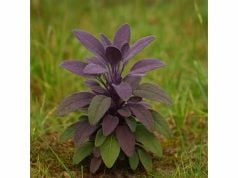
Purple basil is one of the most striking members of the basil family: deeply colored, highly aromatic, and more nuanced than many people expect. Usually classified within sweet basil types, it combines the familiar warm, clove-like, and slightly peppery notes of basil with purple pigments that signal a richer anthocyanin content than many green forms. That makes it interesting not only in the kitchen, but also in discussions of antioxidant value, herbal tradition, and gentle wellness use.
What makes purple basil especially useful is the overlap between culinary pleasure and practical health support. It can add flavor without heaviness, brighten sauces and infusions, contribute antioxidant compounds such as anthocyanins and rosmarinic acid, and offer the digestive and calming qualities long associated with basil leaves. At the same time, it should be understood realistically. Much of the research applies to Ocimum basilicum broadly, not to the purple cultivar alone, and concentrated oils or extracts require more caution than fresh leaves. Used thoughtfully, purple basil is best seen as a functional culinary herb with promising medicinal properties, moderate evidence, and a strong case for everyday use in food-first wellness.
Essential Insights
- Purple basil may support antioxidant intake through anthocyanins, rosmarinic acid, and other polyphenols.
- Mild culinary or tea use may help support digestion, appetite, and overall sensory calm.
- A practical starting range is about 1 to 2 tablespoons fresh chopped leaves, or 1 cup tea made from about 1 to 2 g dried leaf.
- Concentrated essential oil and long-term high-dose extract use are not appropriate for everyone.
- People who are pregnant, breastfeeding, highly sensitive to aromatic herbs, or using concentrated basil products with medications should avoid self-prescribing it.
Table of Contents
- What Purple Basil Is and What Makes It Different
- Key Ingredients and Medicinal Properties
- Potential Health Benefits and What the Evidence Suggests
- Purple Basil Uses in Food, Tea, and Home Herbal Practice
- Dosage, Preparation, Timing, and Common Mistakes
- Safety, Interactions, and Who Should Avoid It
- A Practical Bottom Line on Purple Basil
What Purple Basil Is and What Makes It Different
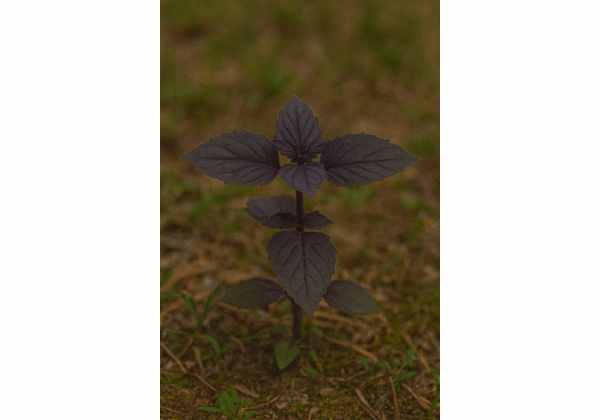
Purple basil belongs to the broader sweet basil group, but it stands apart visually and chemically. The leaves may range from reddish purple to deep burgundy, sometimes with green undertones depending on light, variety, and maturity. In the garden, it is valued as much for beauty as for flavor. In food and herbal use, that color matters because it usually reflects the presence of anthocyanins, a class of flavonoid pigments that are far less prominent in most green basil types.
The botanical naming around purple basil can vary somewhat depending on cultivar and horticultural tradition. In practical use, however, most readers are dealing with a purple-leaved form of Ocimum basilicum. That matters because much of the available research focuses on Ocimum basilicum as a species rather than on one purple cultivar alone. So when people ask whether purple basil has health benefits, the most accurate answer is yes, probably, but the evidence is partly species-wide and partly cultivar-specific.
Compared with green basil, purple basil often tastes slightly sharper, more peppery, and sometimes a little less sweet. Some types lean toward clove-like or anise-like notes; others are more floral or cinnamic. The exact aroma depends on the volatile oil profile, which can shift with cultivar, growing conditions, harvest timing, and drying method. This explains why one purple basil may seem mellow and decorative while another feels distinctly strong and medicinal.
Its practical appeal comes from that overlap of color, scent, and chemistry. Purple basil can be used fresh in salads, pestos, infused vinegars, compound butters, teas, and garnishes. It also fits naturally into the long herbal tradition of basil as a warming aromatic plant associated with digestion, mild nervous system support, and everyday vitality. Unlike harsher medicinal herbs, it enters the routine through cooking first.
That food-first identity is important. Purple basil is not best approached as a miracle remedy or a stand-alone treatment. It is more realistic to view it as a multifunctional herb: flavorful, phytochemically interesting, and potentially supportive when used regularly in small to moderate amounts. In that sense, it has more in common with other aromatic kitchen herbs such as oregano in daily food use than with heavily standardized supplement extracts. Its greatest strength is that it is easy to use, pleasant to repeat, and well suited to consistent low-dose wellness rather than dramatic intervention.
Key Ingredients and Medicinal Properties
Purple basil’s medicinal value begins with its chemistry. The most distinctive compounds in purple forms are anthocyanins, the pigments responsible for the leaves’ dark red-purple color. These are not just decorative plant dyes. Anthocyanins are a well-studied subclass of flavonoids associated with antioxidant activity, oxidative stress defense, and broader protective effects in plant foods. In purple basil, these pigments are often highly acylated, which helps explain both the depth of color and the interest in the plant as a concentrated source of stable natural pigments.
Beyond anthocyanins, purple basil contains phenolic acids and related compounds, especially rosmarinic acid and members of the salvianolic acid family. These compounds are common in aromatic plants from the mint family and are frequently discussed for their antioxidant and anti-inflammatory potential. Rosmarinic acid is particularly relevant because it helps connect basil’s culinary identity with its medicinal reputation. It is one of the reasons basil is often described as soothing, balancing, and supportive rather than merely flavorful.
Purple basil also contains volatile aromatic compounds that shape its scent and some of its physiological effects. Depending on cultivar and chemotype, these may include linalool, eugenol, methyl cinnamate, 1,8-cineole, and estragole. This is where purple basil becomes more complex than people assume. It is not one chemically fixed plant. One batch may lean floral and soft; another may be more spicy, clove-like, or even slightly licorice-like. The aroma tells you something important about the chemistry, but not everything.
Medicinally, these compounds point to several likely properties. Purple basil can reasonably be described as aromatic, carminative, mildly stimulating to digestion, antioxidant-rich, and potentially anti-inflammatory in a broad supportive sense. It may also have mild antimicrobial and soothing topical potential, especially in concentrated forms studied in laboratory settings. Still, those properties exist on a spectrum. Fresh leaves in food are not equivalent to essential oil, and essential oil is not equivalent to a standardized clinical extract.
That distinction is essential for clear thinking. When readers see a list of basil compounds, it can be tempting to assume that every leaf behaves like a concentrated medicinal dose. In reality, purple basil’s value is cumulative and context-dependent. A handful of leaves brings aroma, color, and a modest input of active compounds. A carefully prepared extract concentrates some of those effects. An essential oil alters the balance again. The herb is most useful when its chemistry is respected, not exaggerated.
This is also why purple basil invites comparison with other Lamiaceae herbs. Its rosmarinic acid and polyphenol profile places it in conversation with rosemary’s antioxidant compounds, though the flavor, potency, and best uses differ. Purple basil is gentler in food, more colorful in presentation, and especially valuable when freshness and visual appeal matter as much as medicinal theory.
Potential Health Benefits and What the Evidence Suggests
Purple basil is often promoted for everything from immunity to mood to blood sugar control. Some of those claims have a biochemical basis, but the evidence is uneven. The most balanced position is that purple basil likely offers modest real benefits as a functional herb, while the stronger medical claims remain better supported for basil extracts in general, animal models, or laboratory research than for fresh purple basil leaves in everyday life.
The clearest likely benefit is antioxidant support. Purple basil combines anthocyanins with phenolic acids and flavonoids, which together may help support the body’s response to oxidative stress. In practical terms, that means regular use in meals may contribute to a more diverse intake of plant compounds associated with long-term wellness. This is a meaningful but moderate benefit. It is not a shortcut or a detox cure. It is simply one more high-value herb that can improve the quality of a diet.
A second likely benefit is support for digestive comfort. Basil has long been used as an aromatic digestive herb, and this fits both traditional practice and modern sensory logic. Its warm fragrance, mild bitterness, and volatile compounds may stimulate appetite, improve the eating experience, and help reduce the heavy, stagnant feeling that can follow dense meals. Some people find basil tea or basil-rich dishes especially helpful after rich or oily foods.
There is also a plausible anti-inflammatory role. Reviews on Ocimum basilicum describe antioxidant, immunomodulatory, and anti-inflammatory effects across a range of experimental settings. Purple basil may share these properties, especially where anthocyanins and rosmarinic acid are abundant. Still, the article would be misleading if it treated that as proof that eating purple basil treats inflammatory disease. The evidence supports interest, not overstatement.
Human studies on basil preparations are beginning to emerge, particularly with oral leaf extract or topical basil formulations, but these do not establish purple basil as a clinically proven remedy. What they do suggest is that basil as a species may have broader potential than many kitchen herbs, especially in mood-related, topical, or symptom-management contexts. Even so, the purple cultivar itself remains under-studied in humans.
One especially useful insight is that purple basil may be more valuable as a repeatable daily herb than as a high-dose intervention. A fresh garnish used often, a mild infusion after meals, or a small amount blended into dressings may deliver more sensible benefit over time than sporadic aggressive dosing. Readers looking for a dramatic medicinal effect may be disappointed. Readers looking for a beautiful, antioxidant-rich herb that supports digestion and overall plant diversity will probably find it rewarding.
That makes purple basil similar in spirit to peppermint for gentle digestive support, though the chemistry and sensory profile are different. Peppermint cools and relaxes more obviously, while purple basil tends to feel warmer, sweeter, and more culinary. The health value of purple basil lies less in intensity and more in frequent, food-based use.
Purple Basil Uses in Food, Tea, and Home Herbal Practice
Purple basil is one of the easiest medicinal herbs to use because it does not ask you to step outside ordinary cooking. In fact, its best uses often begin in the kitchen. The leaves are excellent in salads, sandwiches, herb oils, vinegars, soft cheeses, yogurt sauces, infused honey, pesto-style spreads, and fruit-forward dishes where the color can shine. They also work well in warm foods, but long cooking tends to mute both the purple color and the more delicate aromatic notes.
Fresh use is usually the most rewarding. When chopped into food at the end of cooking, purple basil contributes volatile compounds more effectively than when simmered for a long time. The same is true for appearance. If the goal is color plus aroma, late addition is almost always better than long heat exposure. This is one of the easiest practical upgrades readers can make. Treat purple basil more like a finishing herb than a stew herb.
Tea is another useful form. A simple infusion made from fresh or dried leaves can be pleasant after meals or during periods of mild stress and sensory overload. It is not as assertive as peppermint and not as sedating as some calming herbs, but it can occupy a comfortable middle ground: aromatic, warming, and mentally settling. For some people, that makes it a good daytime herb when they want flavor and softness without heaviness.
In home herbal practice, purple basil also lends itself to infused vinegar, infused oil, or simple syrup. An infused vinegar is especially practical because the acidic medium helps preserve color better than plain water. It can then be used in dressings, marinades, or diluted drinks. A basil syrup can be added to sparkling water, fruit desserts, or herbal mocktails. These forms are less “medicinal” in the old-fashioned sense, but they are often more sustainable because people actually use them.
Topical experimentation should be modest. Fresh leaves can be lightly crushed and smelled for aromatic effect, but concentrated topical use belongs mainly to professionally prepared basil oils, creams, or properly diluted essential oils. Homemade essential-oil-style use is where many herbs become less friendly. Purple basil as a leaf is gentle enough for food; purple basil as a concentrated aromatic product deserves more discipline.
A helpful guiding question is this: are you trying to medicate with purple basil, or integrate it? Most people benefit more from integration. A handful in lunch, a cup of tea after dinner, a vinegar infusion for dressings, or a bright herb sauce with other greens is often more realistic than trying to turn it into a daily pharmaceutical substitute. Purple basil works best when it stays close to its strengths: freshness, fragrance, color, and repeatability.
That is also why it pairs well with other gentle culinary herbs. In blended sauces, it can sit beside cilantro in fresh herb blends without losing character, especially when acidity, olive oil, and a little garlic are present. Used this way, purple basil supports both pleasure and consistency, which is often the real foundation of long-term herbal benefit.
Dosage, Preparation, Timing, and Common Mistakes
Because purple basil is usually consumed as food, dosage is less rigid than it is for capsule herbs. Still, practical ranges help. For fresh culinary use, about 1 to 2 tablespoons of chopped leaves per serving is a sensible place to begin. That amount is enough to provide aroma, color, and a useful phytochemical contribution without overwhelming the dish or your digestion. In larger mixed recipes such as pesto, herb sauce, or salad, more can be used as long as the herb is distributed across multiple portions.
For tea, a practical range is about 1 to 2 g dried leaf in a cup of hot water, or a small loose handful of fresh leaves. Steep for about 5 to 10 minutes, depending on how strong you want the infusion. The result should be aromatic and lightly spiced, not harsh. If it tastes flat, use fresher leaves or steep slightly longer. If it tastes sharp or medicinal, reduce the amount and shorten the infusion.
For standardized products, caution is more important than ambition. Human trials on basil leaf extract have used oral doses in the range of roughly 250 to 500 mg daily over about a month, but those studies involved basil extracts rather than purple basil leaf used in food. That means such doses are examples from basil research, not a universal prescription for the purple cultivar. Anyone moving beyond food and tea should prefer clearly labeled products over homemade concentrated extracts.
Timing depends on the goal. For digestive support, use purple basil with or just after meals. For general culinary wellness, timing does not matter much; consistency matters more. For tea, many people prefer it in the late afternoon or evening because it is aromatic and settling without being strongly sedative. Topical products, if used, should follow product directions rather than improvisation.
Several common mistakes reduce value quickly:
- Overcooking the leaves until both aroma and color fade
- Expecting fresh basil leaves to work like essential oil
- Using old, oxidized, poorly stored dried herb
- Taking concentrated basil products casually because the fresh plant feels gentle
- Assuming that purple basil has proven clinical effects simply because it has a dramatic color
Storage makes a real difference. Fresh purple basil loses character quickly when bruised, chilled too hard, or left wet. Dried purple basil also changes with heat and light. Gentler drying and good storage help preserve both phenolics and volatile compounds. If your main interest is color and antioxidant value, preparation matters almost as much as the herb itself.
Readers who want a milder herbal routine may prefer alternating purple basil with gentler calming herbs such as lemon balm in simple evening infusions. That approach reduces monotony and helps keep purple basil in its strongest role: a vivid, versatile herb used well rather than overused poorly.
Safety, Interactions, and Who Should Avoid It
Purple basil is generally safe when used in ordinary food amounts. For most adults, a few leaves in meals, sauces, teas, or garnishes are low-risk and well tolerated. The safety picture changes when the form becomes more concentrated. Extracts, essential oils, and repeated medicinal dosing deserve more attention because basil chemistry includes compounds that are benign in culinary amounts but more complicated in supplemental exposure.
One of the main safety concerns is estragole, a naturally occurring aromatic constituent found in some basil types and preparations. Not every purple basil has the same level, and cultivar chemistry can vary widely. Still, concentrated basil oils and extracts can increase exposure in a way that fresh culinary use usually does not. This is one reason food use is far easier to defend than casual self-dosing with essential oil.
People who are pregnant or breastfeeding should avoid medicinal-style use unless a qualified clinician specifically recommends it. The same applies to children, especially when concentrated products are involved. Small culinary exposure in food is one thing; intentional dosing with extracts or oils is another. These groups are better served by caution, particularly because the evidence for benefit is not strong enough to justify relaxed use.
Anyone with a history of allergy or sensitivity to aromatic herbs should also be careful. Basil can occasionally irritate the mouth or skin, and essential oils are far more likely than leaves to cause problems. Topical basil products should always be diluted appropriately and patch-tested first. Internal use of essential oil without professional supervision is not a sensible starting point.
Medication interactions are another reason to stay conservative with concentrated forms. Basil extracts may theoretically matter more for people using anticoagulants, antiplatelet medications, sedatives, or multiple supplements with overlapping effects. The risk is not usually about a garnish on pasta. It is about a pattern of concentrated intake layered onto medication use without clear oversight.
People with reflux or very sensitive digestion may also notice that strong basil infusions or concentrated aromatic products do not suit them. If that happens, the easiest adjustment is to return to food-level use and avoid stronger preparations. Purple basil should improve the experience of eating, not complicate it.
A practical rule is simple: fresh leaf first, stronger products later if needed, and only with purpose. That is a better safety hierarchy than starting with oils because they seem more “medicinal.” This is similar to the caution used with stronger thyme preparations and essential-oil use, where the herb in food is often much easier to handle than its concentrated aromatic fractions.
In short, who should avoid purple basil medicinally? Pregnant or breastfeeding people, young children, people using concentrated essential oils without guidance, those with significant herb sensitivities, and those taking medications where concentrated extracts may complicate safety. For everyone else, culinary amounts remain the most reasonable and safest form.
A Practical Bottom Line on Purple Basil
Purple basil is best understood as a high-value culinary herb with meaningful medicinal potential, not as a proven cure. That may sound modest, but it is actually a strength. Many herbs are difficult to use consistently, unpleasant at effective doses, or dependent on specialized extracts. Purple basil is different. It is attractive, flavorful, easy to cook with, pleasant in tea, and naturally rich in compounds that justify real interest.
Its strongest practical advantages are threefold. First, it adds anthocyanins and polyphenols that make it more than a decorative basil. Second, it functions well as an aromatic digestive herb that fits naturally into meals. Third, it offers enough research promise to be worth using regularly, even if the human evidence for the purple cultivar specifically is still limited. In other words, it earns a place through repeatable usefulness rather than through hype.
The most sensible expectations are also the healthiest ones. Purple basil may help support antioxidant intake, meal satisfaction, digestive comfort, and herb diversity in the diet. It may also serve as a bridge herb for people who want to begin using medicinal plants without leaving the kitchen behind. That makes it especially attractive for readers who prefer food-based wellness over complicated supplement routines.
What it does not deserve is exaggerated marketing. Purple basil is not a substitute for treatment of anxiety, inflammatory disease, infection, or metabolic illness. Some basil extracts show promise in focused settings, and some topical basil preparations have performed well in early trials, but those findings should guide curiosity, not overconfidence. The gap between promising plant chemistry and proven clinical use still matters.
So how should most people use purple basil? Keep it simple. Use the leaves fresh when possible. Add them late in cooking. Drink a mild tea when it suits you. Store it carefully. Prefer leaves and gentle preparations over concentrated oils. Treat extract products as a separate category that calls for more precision and more caution.
That approach gives purple basil the role it performs best: a colorful everyday herb with genuine functional value. It can make meals more vivid, herbal practice more accessible, and wellness habits easier to maintain. For many readers, that is exactly the kind of herb worth keeping around. Purple basil does not need to do everything. It only needs to do a few things well, consistently, and safely.
References
- Sweet Basil (Ocimum basilicum L.)―A Review of Its Botany, Phytochemistry, Pharmacological Activities, and Biotechnological Development 2023 (Review)
- Anti-inflammatory, immunomodulatory and anti-oxidant effects of Ocimum basilicum L. and its main constituents: A review 2023 (Review)
- Effects of different drying processes on the quality changes in Arapgir purple basil (Ocimum basilicum L.) leaves and drying‐induced changes in bioactive and volatile compounds and essential oils 2024
- The effect of oral capsule of Ocimum basilicum leaf extract on sleep quality and insomnia severity in menopausal women: A randomized clinical trial 2023 (RCT)
- Public statement on the use of herbal medicinal products containing estragole 2022 (Guideline)
Disclaimer
This article is for educational purposes only and is not medical advice. Purple basil is commonly used as a food herb, but concentrated extracts and essential oils can differ substantially from fresh leaves in strength, safety, and suitability. Do not use purple basil to diagnose, treat, or replace care for any medical condition. Speak with a qualified healthcare professional before using basil extracts or essential oils if you are pregnant, breastfeeding, taking prescription medication, managing a chronic condition, or considering regular medicinal use.
Please share this article on Facebook, X, or any platform you prefer if you found it useful.