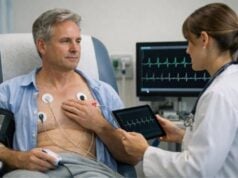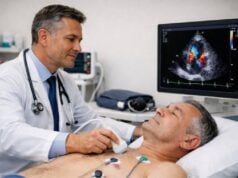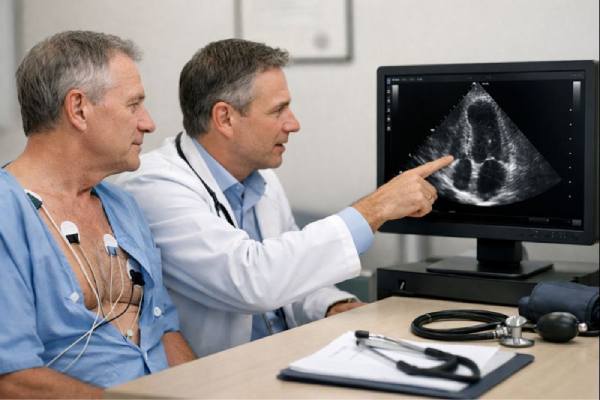
“Hypokinesia of the heart” is not a stand-alone disease. It is a finding that means part of the heart muscle moves less than expected as it pumps. Many people first see the term on an echocardiogram report and worry it automatically means heart failure or a heart attack. Sometimes it does signal a serious problem, but just as often it is a clue that needs context: which area is affected, how large it is, whether it is new, and what else the test showed.
This guide explains what hypokinesia means in plain language, why it happens, how symptoms fit (or don’t), and which tests help pinpoint the cause. Most importantly, it outlines treatment paths that focus on the underlying problem—because the best way to “treat hypokinesia” is to treat what is driving it.
Table of Contents
- What hypokinesia means on a heart test
- Common causes and who is most at risk
- Symptoms and warning signs not to ignore
- How doctors confirm the cause
- Treatments that improve heart motion and function
- Living well, follow-up, and when to seek urgent care
What hypokinesia means on a heart test
Hypokinesia means “reduced movement.” In cardiology, it describes heart muscle that contracts less vigorously than expected during a heartbeat. It is most often reported on an echocardiogram (ultrasound of the heart), but it can also be seen on cardiac MRI, nuclear imaging, or ventriculography.
To understand the term, it helps to know how the left ventricle normally works. The left ventricle is the main pumping chamber. During each beat, the walls thicken and move inward in a coordinated way. When one area moves less, clinicians call it a wall motion abnormality. Hypokinesia is one type, usually considered “mild to moderate” reduction. Related terms you may see include:
- Normokinesia: normal movement.
- Hypokinesia: reduced movement.
- Akinesia: no meaningful movement.
- Dyskinesia: paradoxical movement, such as bulging outward during contraction.
Hypokinesia can be regional or global:
- Regional hypokinesia affects a specific segment or wall (for example, the anterior wall). This pattern often points toward a problem in the blood supply to that area or a localized injury.
- Global hypokinesia means most of the ventricle contracts weakly. This pattern often suggests a more diffuse problem, such as cardiomyopathy, myocarditis, severe valve disease, uncontrolled high blood pressure over time, or toxic injury.
Why reports can feel confusing is that hypokinesia is partly a description and partly an interpretation. The same heart can look different depending on:
- Image quality (body size, lung disease, rib spacing)
- Heart rate and rhythm during the test
- Blood pressure at the time of imaging
- Whether the patient was resting or stressed (exercise, medication stress test)
Clinicians also connect hypokinesia to overall pumping performance using ejection fraction (EF), a percentage estimate of how much blood the left ventricle pumps out with each beat. Hypokinesia can exist with a normal EF if it is small or compensated by other segments, and it can be severe when EF is reduced.
A practical way to interpret the term is this: hypokinesia is a signal that the heart muscle is not contracting normally in a specific pattern. The next step is not panic—it is precision. The most important questions are whether it is new, why it is happening, and what risk it carries for you.
Common causes and who is most at risk
Hypokinesia is a “final common pathway” for many heart conditions. The cause often becomes clearer once you know whether the pattern is regional (one territory) or global (most of the ventricle).
Regional hypokinesia: common causes
- Coronary artery disease (CAD): Reduced blood flow from narrowed coronary arteries can weaken contraction, especially during exertion or stress. If a coronary artery suddenly blocks, the affected area may become hypokinetic or akinetic quickly.
- Prior heart attack (myocardial infarction): Scar tissue does not contract normally, so older infarcts often leave a persistent regional wall motion abnormality.
- Stunned myocardium: After a brief period of reduced blood flow that is restored, the muscle can remain temporarily weak for hours to days.
- Hibernating myocardium: Chronically under-perfused muscle may downshift its function to survive. It can sometimes improve after restoring blood flow.
- Stress cardiomyopathy (Takotsubo): Often produces a distinctive pattern of regional dysfunction that does not follow a single coronary artery distribution.
Global hypokinesia: common causes
- Dilated cardiomyopathy: From genetic causes, long-standing high blood pressure, viral injury, alcohol, certain drugs, or unexplained (idiopathic) causes.
- Myocarditis: Inflammation from infection or immune causes can reduce contraction across broad areas.
- Severe valvular disease: For example, long-standing aortic stenosis or severe mitral regurgitation can eventually reduce overall contractility.
- Tachycardia-induced cardiomyopathy: Persistent fast rhythms (often atrial fibrillation with rapid rate) can weaken the heart over time and improve after rate or rhythm control.
- Metabolic and systemic causes: Severe thyroid dysfunction, advanced kidney disease, uncontrolled diabetes, nutritional deficiencies, or severe anemia can contribute to global weakness.
Risk factors: who is more likely to have clinically important hypokinesia?
Risk factors mainly reflect the underlying drivers:
- For CAD-related hypokinesia: smoking, diabetes, high blood pressure, high LDL cholesterol, chronic kidney disease, older age, sedentary lifestyle, and strong family history of premature heart disease.
- For cardiomyopathy-related hypokinesia: heavy alcohol use, prior chemotherapy or cardiotoxic drugs, uncontrolled hypertension, sleep apnea, uncontrolled tachyarrhythmias, and genetic predisposition.
- For inflammatory causes: recent viral illness, autoimmune disease, and some medication exposures.
One original insight that helps in real-world care: the “risk story” is often hidden in the timeline. Regional hypokinesia that appears suddenly with chest pain is approached very differently than global hypokinesia discovered after months of fatigue and swelling. When you look at your own case, try to map symptoms and triggers to weeks and months, not just days.
Also remember that some echo findings can mimic hypokinesia. For example, poor ultrasound windows can make a segment look less mobile than it is, and electrical conduction problems (like left bundle branch block) can create dyssynchrony that looks like reduced movement even when the muscle is viable. That is why clinicians often confirm significant findings with repeat imaging, contrast echo, stress testing, or cardiac MRI when decisions are high stakes.
Symptoms and warning signs not to ignore
Hypokinesia itself does not cause symptoms directly. Symptoms come from what hypokinesia represents: reduced pumping performance, reduced blood flow to the heart muscle, rhythm instability, or a combination. Some people have no symptoms and learn about hypokinesia incidentally during an evaluation for a murmur, high blood pressure, or an abnormal ECG. Others feel unwell because the underlying condition is active.
Symptoms that can fit with hypokinesia-related problems
- Shortness of breath with exertion or when lying flat
- Reduced exercise tolerance and unusual fatigue
- Swelling in ankles, legs, or abdomen
- Chest pressure, tightness, or burning (especially with exertion)
- Palpitations (racing, fluttering, or skipped beats)
- Lightheadedness or fainting, especially with exertion
- Persistent cough or waking up breathless at night
Symptoms often cluster into two common patterns:
Pattern 1: ischemia-driven symptoms
This pattern points toward reduced coronary blood flow.
- Chest discomfort that appears with exertion and improves with rest
- Shortness of breath that is effort-related and new for you
- Symptoms triggered by cold weather, heavy meals, or emotional stress
People sometimes describe “angina equivalents,” such as jaw discomfort, nausea, or sudden fatigue instead of classic chest pain.
Pattern 2: pump-failure symptoms
This pattern points toward weakened overall function or elevated filling pressures.
- Increasing breathlessness over weeks to months
- Swelling and weight gain from fluid retention
- Needing more pillows to sleep comfortably
- Early fullness or abdominal bloating from congestion
Warning signs that should prompt urgent evaluation
Seek urgent medical care if you have:
- Chest pain or pressure that is new, severe, or lasts more than a few minutes at rest
- Sudden shortness of breath at rest, especially with sweating or nausea
- Fainting, near-fainting, or new confusion
- Rapid palpitations with dizziness, chest discomfort, or shortness of breath
- New neurologic symptoms such as facial droop, arm weakness, or trouble speaking
A nuanced point many patients miss: new regional hypokinesia can be an early sign of a heart attack even before blood tests fully rise, and it can also appear with severe supply-demand mismatch (for example, severe anemia or sepsis). That is why clinicians take new wall motion abnormalities seriously, especially when symptoms are evolving.
If you are symptom-free but your report mentions hypokinesia, your next best step is to understand the “context markers” on the report: ejection fraction, which segments are affected, whether the finding is new compared with prior studies, and whether there are notes about image quality. Those details determine whether this is a watch-and-follow finding or a time-sensitive clue.
How doctors confirm the cause
When a report shows hypokinesia, the core clinical task is to identify the driver: ischemia, scarring, inflammation, cardiomyopathy, rhythm issues, valve disease, or imaging artifact. Because the same word can describe many situations, a structured evaluation prevents both overreaction and under-treatment.
Step 1: Clarify the pattern and severity
Clinicians often start with the imaging details:
- Regional vs global hypokinesia
- Which walls or segments are involved
- Ejection fraction and chamber size
- Valve function, pulmonary pressures, and right ventricular function
- Whether the study notes “suboptimal images” or recommends contrast
If image quality is limited and decisions depend on accuracy, repeating the echo with contrast or obtaining cardiac MRI can change the picture.
Step 2: Look for coronary artery disease when the pattern suggests it
When regional hypokinesia aligns with a coronary territory or symptoms suggest angina, typical next tests may include:
- ECG to look for ischemic changes, prior infarct patterns, or conduction issues
- Blood tests including cardiac troponin (when acute injury is suspected)
- Stress testing (stress echo, nuclear perfusion, or MRI stress) to detect inducible ischemia
- Coronary CT angiography for noninvasive anatomic assessment in selected patients
- Invasive coronary angiography when risk is high or symptoms are unstable
The goal is to decide whether reduced blood flow is present now and whether restoring flow would likely improve function and reduce risk.
Step 3: Evaluate non-ischemic causes when global hypokinesia is present
A broader workup may include:
- Blood tests for thyroid function, iron studies when indicated, kidney function, electrolytes, and natriuretic peptides (to assess heart failure severity)
- Rhythm monitoring (Holter or patch monitor) to detect persistent tachycardia, atrial fibrillation, or frequent ectopy
- Cardiac MRI to assess inflammation, scarring patterns, and infiltrative disease
- Review of exposures: alcohol, stimulants, chemotherapy, or other cardiotoxic agents
- Blood pressure history and sleep apnea screening when clinically relevant
Step 4: Identify reversible contributors
Clinicians actively hunt for drivers that can be corrected:
- Rapid atrial fibrillation causing tachycardia-induced cardiomyopathy
- Severe uncontrolled hypertension
- Severe valve disease
- Medication effects or substance exposure
- Nutritional or endocrine problems
One practical “patient-facing” insight is that diagnosis often unfolds over two visits, not one. The first goal is to rule out emergencies and define the likely category. The second is to complete targeted testing and start a treatment plan that can be monitored for improvement. Improvement itself becomes diagnostic: if hypokinesia and EF improve after rhythm control or blood pressure optimization, that strongly supports the cause.
Treatments that improve heart motion and function
There is no single medication that “treats hypokinesia.” Treatment is aimed at the underlying problem and at reducing the heart’s workload while it heals. The treatment plan looks different depending on whether hypokinesia reflects ischemia, cardiomyopathy, inflammation, rhythm disorders, or valve disease.
If coronary artery disease is the driver
Treatment often includes a combination of:
- Antiplatelet therapy when appropriate (especially after acute coronary syndromes or stenting)
- Cholesterol lowering therapy, typically high-intensity statins when indicated
- Blood pressure control and diabetes optimization
- Anti-anginal therapy for symptom control
- Revascularization (PCI or bypass surgery) when anatomy, symptoms, and risk assessment support benefit
If the muscle is stunned or hibernating, improving blood supply can lead to partial or substantial improvement in wall motion over time.
If heart failure with reduced ejection fraction is present
Guideline-directed medical therapy commonly includes medication classes that reduce mortality and improve remodeling. Depending on your blood pressure, kidney function, potassium, and clinical status, clinicians may use:
- ARNI, ACE inhibitor, or ARB therapy
- Evidence-based beta blockers
- Mineralocorticoid receptor antagonists
- SGLT2 inhibitors
- Diuretics to control congestion
As symptoms stabilize, cardiac rehabilitation and carefully titrated activity can improve functional capacity and quality of life.
If rhythm problems are contributing
When tachycardia-induced cardiomyopathy is suspected, correcting rhythm or rate can be transformative. Options may include:
- Rate control medication plans
- Rhythm control strategies including antiarrhythmic therapy in selected patients
- Catheter ablation for atrial fibrillation or other arrhythmias when appropriate
In many cases, clinicians recheck heart function after 8 to 12 weeks of stable rhythm control to quantify recovery.
If myocarditis or inflammatory injury is suspected
Treatment is individualized and may include:
- Rest from high-intensity exercise during the healing period
- Heart failure therapy if function is reduced
- Targeted anti-inflammatory or immunosuppressive therapy in select, well-defined cases
- Close follow-up with imaging and rhythm monitoring
If valve disease or structural problems are driving weakness
Treating the valve problem can improve symptoms and, in some cases, heart function. Options include surgical repair or replacement, or catheter-based procedures depending on the valve and patient risk profile.
Device therapy when appropriate
Some patients benefit from:
- ICD placement for prevention of sudden cardiac death in certain high-risk profiles
- Cardiac resynchronization therapy when dyssynchrony contributes to poor function and criteria are met
A useful expectation-setting point: segmental wall motion may not normalize fully if there is scar, but symptoms and overall function can still improve substantially. Clinicians focus on the outcomes that matter: reduced hospitalization, better exercise capacity, lower arrhythmia risk, and longer-term heart protection.
Living well, follow-up, and when to seek urgent care
When an echo report mentions hypokinesia, people often want a simple rule: “Can I exercise?” “Is this permanent?” “Will I have a heart attack?” The honest answer depends on the cause, but there are practical steps that help almost everyone.
Follow-up that protects you
A good follow-up plan usually answers five questions:
- What is the most likely cause of the hypokinesia?
- Is it new or long-standing?
- What is my ejection fraction and symptom status?
- What is the plan to confirm the cause (stress test, CT, MRI, monitoring)?
- When will we re-image to document improvement or stability?
Repeat imaging is common because it shows whether treatment is working and whether the finding was transient, reversible, or fixed.
Daily habits that support recovery and reduce risk
These are high-yield changes that compound over time:
- Blood pressure control: aim for a consistent, clinician-recommended range.
- Cholesterol and diabetes management: treat these as heart-protective therapy, not just lab targets.
- Activity with guardrails: many people benefit from walking or moderate aerobic exercise, but intensity should match diagnosis and stability. When myocarditis or unstable ischemia is suspected, clinicians may temporarily restrict vigorous exercise.
- Sleep and breathing: treat sleep apnea when present; it can worsen blood pressure, rhythm stability, and heart remodeling.
- Substance awareness: limit alcohol and avoid stimulants or illicit drugs that can trigger arrhythmias or cardiomyopathy.
- Medication consistency: heart medications work best when taken steadily; abrupt stops can destabilize symptoms and risk.
A practical weekly target many stable cardiac patients use is about 150 minutes of moderate activity spread across the week, but your clinician may raise or lower this based on your diagnosis, EF, symptoms, and rhythm history.
How to use symptoms as data
Track what changes and when:
- Weight changes over 2 to 3 days (fluid retention signal)
- Shortness of breath at night or when lying flat
- Palpitations frequency and triggers
- Chest discomfort pattern with exertion
This kind of tracking helps clinicians adjust medication and decide whether the next step is imaging, rhythm monitoring, or coronary evaluation.
When to seek urgent care
Do not wait if you develop:
- Chest pain or pressure that is new, severe, or persistent at rest
- Sudden shortness of breath at rest or fainting
- Rapid palpitations with dizziness or chest discomfort
- New weakness, facial droop, trouble speaking, or severe confusion
If symptoms are milder but clearly new—like a noticeable drop in exercise tolerance over 1 to 2 weeks—contact your clinician promptly rather than “training through it.” Many treatable causes of hypokinesia improve most when addressed early.
The most reassuring long-term message is this: hypokinesia is a clue, not a verdict. When you and your care team identify the driver and follow a clear plan, many people stabilize well, and many improve.
References
- 2022 AHA/ACC/HFSA Guideline for the Management of Heart Failure 2022 (Guideline)
- 2023 AHA/ACC/ACCP/ASPC/NLA/PCNA Guideline for the Management of Patients With Chronic Coronary Disease 2023 (Guideline)
- 2024 ESC Guidelines for the management of chronic coronary syndromes 2024 (Guideline)
- Guidelines for the Standardization of Adult Echocardiography Reporting 2025 (Guideline)
Disclaimer
This article is for educational purposes only and does not provide medical advice, diagnosis, or treatment. Hypokinesia of the heart is an imaging finding with many possible causes, including conditions that require urgent evaluation. If you have chest pain, fainting, sudden shortness of breath, stroke-like symptoms, or sustained rapid palpitations, seek emergency medical care. For non-urgent concerns, work with a qualified clinician to interpret your imaging results in context and to choose testing and treatment that fit your specific situation.
If you found this guide helpful, please share it on Facebook, X (formerly Twitter), or any platform you prefer, and follow us on social media. Your support helps our team continue producing clear, trustworthy health content.