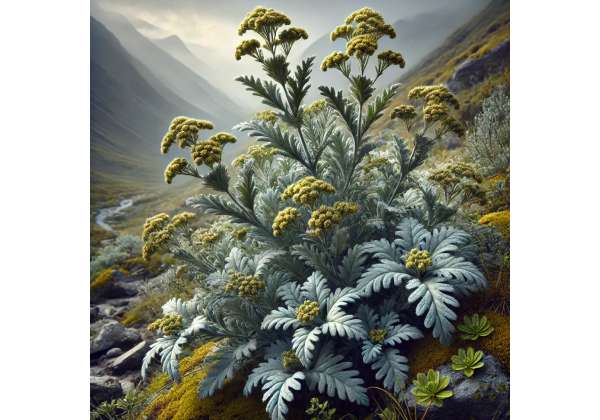
Indian wormwood, or Artemisia indica, is a fragrant bitter herb from the vast Artemisia family, a group known for strong aromas, volatile oils, and long use in traditional medicine. In South Asia and nearby regions, it has been valued as a warming digestive, a support for discomfort linked to intestinal upset and sluggish appetite, and a practical household herb for topical, aromatic, and seasonal use. What makes it especially interesting today is not one headline compound, but a broad chemistry that includes terpenes, flavonoids, phenolic acids, and plant sterols.
That said, Indian wormwood is also a herb that benefits from precision. It is not the same as absinthe wormwood, and it should not be treated as interchangeable with every other Artemisia species. Its traditional uses are real, but modern evidence still sits mostly in laboratory and animal research rather than large human trials. The most useful way to understand it is through clear questions: what the plant is, what is in it, what it may help with, how to use it conservatively, and where caution matters most. This guide stays grounded in that practical middle path.
Quick Overview
- Indian wormwood is most plausibly used for digestive sluggishness, inflammatory discomfort, and broad antimicrobial support rather than as a cure-all.
- Its main activity appears to come from aromatic terpenes, flavonoids, phenolic acids, and sterols that vary by region and extract type.
- A cautious tea-style range is about 1 to 2 g of dried aerial parts per cup, usually once daily to start.
- Concentrated essential oil should not be taken internally without expert supervision.
- Pregnancy, breastfeeding, seizure disorders, and Asteraceae allergy are strong reasons to avoid self-prescribed medicinal use.
Table of Contents
- What is Indian wormwood?
- Key compounds and medicinal actions
- What can it realistically help with?
- How Indian wormwood is used
- How much is enough?
- Side effects, interactions, and who should avoid it
- What the research actually shows
What is Indian wormwood?
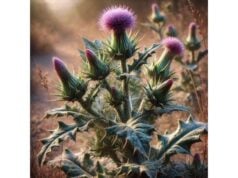
Indian wormwood is a perennial aromatic herb in the Asteraceae family. It is one of several Artemisia species used across Asian traditional medicine, food culture, and household herbal practice. The leaves and flowering aerial parts are the most commonly used portions, and they are recognized by their bitter taste, resinous aroma, and gray-green appearance. Depending on region, the plant may also be described as Indian mugwort, and that naming overlap is one reason it is often misunderstood.
The first thing worth clearing up is identity. Artemisia indica is not the same as Artemisia absinthium, the classic European wormwood associated with absinthe and stronger thujone-focused safety conversations. It is also not simply a substitute for Artemisia annua, which is known for artemisinin. In fact, one detailed study of Artemisia indica extracts found no artemisinin in the tested preparations. That single fact helps reset expectations: Indian wormwood belongs to a famous genus, but its medicinal profile is its own.
Traditionally, the herb has been used for patterns that sound familiar even now:
- Poor appetite or a heavy feeling after meals.
- Abdominal discomfort with gas or cramping.
- Feverish states or recovery after illness.
- Topical cleansing or application for irritated skin.
- Aromatic household use for the air, bedding, or storage spaces.
The herb’s bitter-aromatic character explains a lot about these uses. Bitter plants often stimulate digestive secretions and appetite, while aromatic plants are often chosen for discomfort linked to microbes, stagnation, or dampness. Indian wormwood sits at that overlap. It is not merely bitter, and not merely fragrant. It is both, which makes it feel more functional than delicate.
Another important point is that Artemisia indica is chemically variable. A plant grown in one region can smell and behave somewhat differently from a plant grown elsewhere. Some samples are more camphor-like, others more sweet-herbal, and some show stronger resinous or cooling notes. This matters because readers often expect all products labeled with the same herb name to behave identically. With Indian wormwood, that is not always realistic.
In practical terms, Indian wormwood is best thought of as a traditional aromatic bitter herb with digestive, antimicrobial, and inflammation-related relevance. It is not a first-line modern medicine, and it is not a standardized clinical botanical. But it does deserve serious attention because it occupies a useful niche: a herb that has long been used in everyday care, has plausible chemistry behind those uses, and still has room for much better modern study.
Key compounds and medicinal actions
Artemisia indica does not depend on one famous molecule. Its value comes from a layered phytochemical profile that changes with geography, harvest stage, and extraction method. That variability is not a weakness by itself, but it does mean that different products may emphasize different actions.
The volatile fraction is especially important. Essential-oil studies of Artemisia indica have identified compounds such as camphor, borneol, caryophyllene oxide, davanone, germacrene-type sesquiterpenes, beta-pinene, and artemisia ketone in different regional samples. These are not trivial details. They help explain why the plant has such a penetrating smell, why it has been used for aromatic cleansing, and why researchers continue to test it for antimicrobial and anti-inflammatory effects.
Beyond the volatile oil, Artemisia indica also contains flavonoids and phenolic acids. More recent work on aqueous extract has highlighted 4,5-dicaffeoylquinic acid as an important constituent in one tested preparation. Other studies point to compounds such as quercetin, luteolin, and kaempferol-related chemistry in the broader phytochemical picture. These molecules matter because they often support antioxidant activity, inflammatory signaling control, and tissue protection under metabolic stress.
Sterols and triterpenes add another dimension. Research on isolated compounds from Artemisia indica has drawn attention to stigmasterol, ursolic acid, oleanolic acid, and carnosol-related activity. Those compounds are especially interesting because they may help explain why the herb sometimes appears in discussions about nervous system modulation, inflammatory balance, and broader cell-protective effects.
A functional summary of its chemistry looks like this:
- Volatile terpenes help shape aroma, antimicrobial potential, and topical relevance.
- Flavonoids and caffeoylquinic acids contribute antioxidant and inflammation-modulating activity.
- Sterols and triterpenes may support neuroactive and membrane-related effects.
- Bitter principles likely help explain digestive stimulation and post-meal usefulness.
What makes Indian wormwood especially interesting is that water extracts and volatile extracts do not behave the same way. An infusion or mild decoction will not deliver the same profile as an essential oil. A lipid-rich or alcohol-based extract may pull different compounds than a cup of tea. This is a major reason herbal results sometimes seem inconsistent. Two people may both say they used Artemisia indica, while in reality they used chemically different preparations.
Readers who enjoy comparing how plant chemistry shapes practical use may notice a similar pattern in ginger’s active compounds and applications. The broader lesson is the same: the herb name alone does not tell the whole story. Preparation matters.
The most balanced conclusion is that Indian wormwood has a strong enough chemical profile to justify traditional interest. The aroma is not ornamental. The bitterness is not accidental. Both reflect the underlying compounds that likely drive its digestive, antimicrobial, antioxidant, and signaling effects. At the same time, chemical diversity is also why cautious use and good product selection matter so much.
What can it realistically help with?
The strongest practical case for Indian wormwood is not that it does everything. It is that it fits a small set of common herbal needs rather well. The most realistic benefit areas are digestive support, mild antimicrobial support, inflammatory balance, and selected topical or aromatic uses.
Digestive support comes first for good reason. Artemisia indica is a classic bitter-aromatic plant, and that combination is often chosen when appetite feels flat, meals sit heavily, or digestion feels sluggish rather than sharply inflamed. People who describe a lack of hunger, heaviness after rich meals, or abdominal discomfort with gas may be the ones most likely to understand why this herb has endured. It seems less suited to severe reflux or a highly irritated stomach and more suited to bland appetite, slow digestion, and discomfort linked to stagnation.
There is also a reasonable traditional case for occasional intestinal support. Artemisia species have long been used where microbial burden, parasites, or low-grade digestive contamination were part of the traditional framework. Modern readers should translate that carefully. This does not mean Indian wormwood replaces proven treatment for infection. It means the herb has a plausible role as a supportive digestive aromatic with antimicrobial activity in laboratory settings.
A second realistic lane is inflammatory balance. Experimental work suggests antioxidant and inflammation-modulating potential, and this may help explain the herb’s use for generalized discomfort, recovery after illness, and certain stomach-related complaints. Still, this is support, not substitution. It may help soften a pattern; it does not erase the need to diagnose persistent pain, fever, bleeding, or unexplained weight loss.
Topical and aromatic use is another practical category. Traditionally, Artemisia herbs have been applied or used around the home for cleansing, odor control, insect-related nuisance, or minor skin concerns. Indian wormwood fits that historical pattern. A mild wash or carefully diluted external preparation may make sense for some people, though essential oil use requires caution and patch testing. For broader skin-soothing strategies, some readers may prefer the gentler profile of calendula for topical skin support.
A newer but still preliminary area is metabolic support. Animal work suggests possible effects on glucose handling, lipid balance, oxidative stress, and inflammatory signaling. That is promising, but it is also the kind of evidence that can be oversold. Indian wormwood is not a proven diabetes herb in humans. The realistic takeaway is narrower: it may contain compounds worth studying for metabolic resilience.
A grounded benefit summary would be:
- Most practical traditional use: low appetite and heavy digestion.
- Plausible modern use: antimicrobial and antioxidant support.
- Worth watching but not proven in humans: glucose and lipid modulation.
- Secondary traditional role: topical and aromatic household herb.
This is also where expectations matter. Indian wormwood is not a comfort herb in the same way as peppermint or chamomile. It is more assertive, more bitter, and more purpose-driven. People who want soothing digestive support without much bitterness may do better with peppermint for digestive discomfort. People who want an aromatic bitter for sluggishness may find Indian wormwood more appropriate.
Used honestly, the herb can be useful. Marketed as a miracle, it quickly becomes misleading.
How Indian wormwood is used
Indian wormwood is usually used as the dried aerial parts: leaves, tender stems, and flowering tops. Because it is aromatic, preparation strongly influences the experience. A light infusion, a short decoction, a powdered herb blend, or a concentrated extract can all feel meaningfully different.
For home use, the mild infusion is usually the most sensible starting point. This keeps the herb in a familiar food-like or tea-like form and lowers the chance of overshooting tolerance. A brief steep captures aroma and moderate bitterness without turning the cup harsh. This is often the best format for testing whether the plant suits your digestion.
A slightly stronger decoction is less common than with roots, but some traditional users do simmer the herb briefly when they want a more forceful bitter effect. The downside is that longer heating can intensify bitterness and change the aroma. Not everyone tolerates that well, especially if they are already sensitive to pungent herbs.
Powdered herb is another option, though it is often more difficult for modern users to dose well. Powders can be useful in traditional formulas and in small capsule form, but they are easy to overdo. Because Indian wormwood is bitter and chemically active, this is not a herb that benefits from casual spoonful dosing.
Essential oil deserves its own warning. The volatile oil is where many of the plant’s strongest aromatic compounds sit, but that does not make it an ideal do-it-yourself internal remedy. Internal essential-oil use is significantly more concentrated and much less forgiving than tea or culinary-style herb use. For most readers, the oil belongs in professional hands or very restrained external use only.
Practical ways people use the herb include:
- Mild infusion for appetite and heavy digestion.
- Short-course use after overeating or bland appetite periods.
- External wash or compress, carefully prepared and tested first.
- Aromatic use around the home, depending on local tradition.
- Inclusion in broader traditional formulas rather than alone.
One overlooked detail is timing. Indian wormwood often makes more sense before or just after food than late at night. Because it is bitter and aromatic, it tends to fit meal-related use better than bedtime use. It is also better used intentionally than habitually. Many traditional bitters work best when they are chosen for a reason, not taken endlessly out of routine.
Quality matters, too. Buy products that clearly state Artemisia indica, the plant part used, and whether the preparation is a whole herb, extract, or oil. Artemisia is a crowded genus, and name confusion is common. A label that says only “mugwort” or “wormwood” is not precise enough for confident use.
For people drawn to strongly bitter digestive herbs in general, it can also be helpful to compare Indian wormwood with gentian for classic bitter support. Gentian is usually more straightforward as a bitter, while Artemisia indica brings a more aromatic and multifunctional character.
In practice, the best use rule is simple: start with the least concentrated form that matches your goal. That keeps the herb readable. If a mild preparation helps, you learn something useful. If a strong extract overwhelms you first, you learn much less.
How much is enough?
This is where honesty matters most. There is no well-established, evidence-based human dosage for Artemisia indica supported by large clinical trials. That means any dosing discussion has to separate traditional use from research dosing and from commercial supplement claims.
For ordinary self-care, the safest approach is to think in preparation strength rather than in aggressive daily totals. A mild tea made from about 1 to 2 g of dried aerial parts per cup is a conservative place to begin. Many people would start with one cup daily, ideally around a meal, and only increase if the herb feels clearly helpful and well tolerated. That is not a prescription. It is a cautious traditional-style entry point.
Some herbal users go beyond that and prepare stronger infusions or use powdered herb. The problem is that bitterness, aromatic intensity, and gastrointestinal effects all rise quickly. More is not automatically better. With herbs in the Artemisia family, pushing dose too fast often produces aversion before it produces benefit.
A practical self-use framework looks like this:
- Start with a mild infusion, not an extract.
- Use it once daily for several days before changing anything.
- Stop if it causes nausea, reflux, headache, agitation, or stomach discomfort.
- Avoid making essential oil part of home internal dosing.
Animal studies on Artemisia indica often use much higher extract doses, such as 100 to 400 mg/kg in rodents, and these should not be translated directly into human use. Cell studies using microgram-per-milliliter concentrations are even less useful for home dosing. This is one of the biggest mistakes readers make with herbal research: they see a number in a paper and assume it is a practical human dose. It usually is not.
Timing also changes tolerability:
- Before meals may suit poor appetite and digestive sluggishness.
- After meals may suit heaviness or post-meal discomfort.
- Long-term daily use is harder to justify when the desired effect is only occasional.
Duration matters as much as amount. Indian wormwood is better treated as a targeted herb than a permanent daily tonic. A short trial over several days to a few weeks makes more sense than taking it indefinitely without reassessment. If it has not clearly improved appetite, digestive ease, or the specific reason you chose it, the answer is probably not to keep increasing the dose.
People often ask whether capsule products are easier. They are more convenient, but convenience can obscure feedback. A cup of bitter tea tells you immediately how assertive the herb is. A capsule may delay that lesson. For cautious users, visible and tasteable preparations are often safer.
The most useful dosage principle is restraint: keep the form simple, the amount modest, and the reason specific. That approach respects both the herb’s potential and the limits of current evidence.
Side effects, interactions, and who should avoid it
Indian wormwood is not among the most notorious herbs for toxicity, but it still deserves real caution. The main safety issue is not that the herb is universally dangerous. It is that Artemisia plants contain potent aromatic chemistry, product quality varies, and people often confuse gentle whole-herb use with concentrated extract or oil exposure.
The most likely side effects with whole-herb use are digestive. These include nausea, stomach irritation, bitter aftertaste, reduced appetite in people who already run dry or sensitive, and occasional headache from strong aromatic exposure. In many cases, the problem is less the herb itself and more the dose or concentration. A mild infusion may be tolerated well, while a stronger extract or powder is not.
Allergy is another clear issue. Artemisia belongs to the Asteraceae family, so people with known sensitivity to ragweed, mugwort, chrysanthemum, or related plants should be cautious. Reactions may involve skin irritation, sneezing, oral itching, or more generalized intolerance.
Pregnancy and breastfeeding are strong reasons to avoid self-prescribed medicinal use. This is partly a data problem and partly a genus-level caution. When reliable human safety data are limited, and when volatile aromatic compounds may be biologically active, the conservative choice is to avoid routine medicinal dosing.
People with seizure disorders should also be careful, especially with concentrated products and essential oils. Artemisia species are chemically diverse, and some can contain neuroactive terpenes in amounts that make concentrated preparations a poor fit for vulnerable individuals. This does not mean one mild cup of tea is equivalent to an essential oil exposure. It means the whole category deserves respect.
Other groups who should avoid casual use include:
- Children, unless supervised by a qualified clinician.
- People taking multiple medications for diabetes, epilepsy, or psychiatric illness.
- Anyone with active ulcer pain or marked stomach irritation.
- People using essential oils internally without expert guidance.
Interaction concerns are mostly theoretical or based on preclinical mechanisms, but they are reasonable enough to respect. If a herb shows glucose-modulating effects in animal studies, people on diabetes medication should monitor carefully rather than assume it is neutral. If a plant contains neuroactive or GABA-related compounds, combining it casually with sedative medication is not ideal. And if a preparation is strongly bitter, it may aggravate rather than help some acid-sensitive stomachs.
The form matters enormously for safety. Whole herb is not the same as tincture, and tincture is not the same as essential oil. Essential oil is the form most likely to create trouble when used aggressively. For external antimicrobial or cleansing traditions, some people instead gravitate toward herbs with a simpler modern safety image, such as neem in topical herbal care.
A practical bottom line is this: Indian wormwood can be reasonable in cautious, low-dose, whole-herb use for selected adults, but it becomes much less predictable when concentrated, mislabeled, or used by people with clear risk factors. The safest users are the ones who treat it as a biologically active herb, not as a harmless kitchen extra.
What the research actually shows
The evidence for Artemisia indica is promising, but it is still mostly preclinical. That single sentence captures both the opportunity and the limit. There are multiple studies showing meaningful biological activity, but there are not yet strong human clinical trials that let us speak with the same confidence used for better-studied botanicals.
The chemistry evidence is solid enough to take seriously. Essential-oil and extract studies consistently show a complex volatile and phenolic profile, though the dominant compounds vary by region. That variability is important because it means researchers are not repeatedly finding one identical product. Instead, they are studying a species with multiple chemotypes. From a scientific standpoint, that is fascinating. From a consumer standpoint, it means standardization remains a challenge.
The pharmacology evidence is also broader than many readers would expect. Researchers have reported antioxidant, antimicrobial, cytotoxic, antiprotozoal, immunomodulatory, anxiolytic, anticonvulsant, and metabolic effects in laboratory, cell, and animal models. A 2025 animal study on aqueous extract linked the herb to improved glucose and cholesterol handling, lower oxidative stress, and changes in inflammatory and lipid-related pathways. A 2021 study on stigmasterol isolated from Artemisia indica suggested GABA-related anxiolytic and anticonvulsant activity. A 2022 comparative study with Artemisia argyi pointed toward shared anti-inflammatory and gastritis-related potential. These are serious signals, not empty folklore.
But the limit is just as important. None of that amounts to strong proof that Indian wormwood reliably treats diabetes, anxiety, infection, gastritis, or epilepsy in humans. Cell work is not clinical care. Mouse behavior work is not a prescription guide. In vitro antimicrobial activity does not mean a tea will cure infection.
What the evidence allows us to say confidently is narrower:
- The herb has real pharmacological activity.
- Different extracts likely emphasize different benefits.
- Metabolic, digestive, and neuroactive pathways deserve more study.
- Human dosing, long-term safety, and product standardization remain incomplete.
This is where comparison can be useful. Some herbs already have a stronger clinical bridge between tradition and modern trials. When readers want that kind of evidence depth, it can help to look at boswellia’s more developed research profile as a contrast. Indian wormwood is not there yet.
The most honest research conclusion is that Artemisia indica is a high-interest herb in an early-to-middle evidence stage. It is more than a traditional curiosity, but less than a clinically settled botanical. For researchers, that makes it exciting. For readers, it means the right stance is measured optimism. The herb may be useful, especially in carefully chosen traditional-style contexts, but it should be used with clear limits, modest dosing, and no disease-level hype.
References
- Metabolic and Antioxidant Modulation by Artemisia indica Willd. Aqueous Extract in Glucose and Cholesterol Dysregulation 2025
- The pharmacophylogenetic relationships of two edible medicinal plants in the genus Artemisia 2022
- Stigmasterol can be new steroidal drug for neurological disorders: Evidence of the GABAergic mechanism via receptor modulation 2021
- Antiprotozoal Effect of Artemisia indica Extracts and Essential Oil 2015
- Chemical composition, antimicrobial, cytotoxic and antioxidant activities of the essential oil of Artemisia indica Willd 2013
Disclaimer
This article is for educational purposes only and is not medical advice. Indian wormwood is a biologically active herb, and its effects can vary by preparation, dose, and individual sensitivity. Medicinal use should be discussed with a qualified healthcare professional if you are pregnant, breastfeeding, have a seizure disorder, take regular medication, manage blood sugar problems, or are treating ongoing digestive or skin symptoms. Seek prompt medical care for severe abdominal pain, fever, bleeding, persistent vomiting, rash with swelling, or any symptom that is worsening or unexplained.
If this guide helped you, please share it on Facebook, X, or any other platform where thoughtful herbal education can reach the right readers.