Indigo bush, also known as false indigo-bush and botanically named Amorpha fruticosa, is better known as an ornamental and invasive shrub than as a household remedy. Yet its leaves, flowers, fruits, and roots have attracted growing interest because they contain unusual bioactive compounds, especially amorfrutins, rotenoids, flavonoids, stilbenoids, and essential-oil components. Traditional uses in parts of Asia and Eastern Europe have included topical care for burns and eczema, along with folk use for neuralgia, bruising, and circulation-related complaints. Modern research adds a more cautious but intriguing picture: extracts and isolated compounds show antioxidant, anti-inflammatory, antinociceptive, anticholinesterase, antihyperglycemic, and antihypertensive effects in cell and animal studies.
That does not make indigo bush a proven medical treatment. Human studies are still missing, product quality varies, and the plant contains chemically active compounds that deserve respect. For that reason, the best way to understand indigo bush is as a promising but early-stage medicinal plant. This guide explains what is actually in it, what benefits seem most plausible, how it has been used, where dosage guidance stops, and why safety matters more here than marketing hype.
Key Insights
- Indigo bush contains amorfrutins, rotenoids, and flavonoids that may support antioxidant and anti-inflammatory activity.
- Early research also suggests possible blood sugar, blood pressure, and pain-related effects.
- No standardized human dose exists; animal studies have used about 100 mg/kg extract and 100 to 400 mg/kg essential oil.
- Pregnant or breastfeeding people and anyone using diabetes, blood-pressure, or neurologic medicines should avoid self-prescribing it.
Table of Contents
- What is indigo bush?
- Key compounds and medicinal properties
- Does indigo bush help with blood sugar and blood pressure?
- Can indigo bush reduce inflammation and pain?
- Other potential benefits and uses
- How to use indigo bush
- How much indigo bush per day?
- Safety, side effects, and who should avoid it
- What the evidence actually says
What is indigo bush?
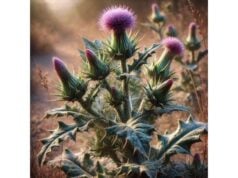
Indigo bush is a deciduous shrub in the legume family, native to North America and now widely naturalized in Europe and Asia. It grows fast, forms dense stands, and is often planted for erosion control, bee forage, and ornamental value. The plant is easy to recognize when flowering: it produces upright spikes of deep violet to purple flowers with bright orange anthers. That showy appearance partly explains why it spread so successfully beyond its native range.
Its medicinal story is more complicated. Indigo bush has never reached the mainstream status of familiar herbs, but several parts of the plant have been used in traditional practice. Ethnomedicinal reports describe its use for burns, eczema, bruising, contusions, neuralgia, stomach discomfort, and in some traditions hypertension-like complaints. This broad folk profile is one reason researchers began looking closely at the shrub’s chemistry. When they did, they found a plant far richer in pharmacologically active compounds than its reputation as a landscaping shrub would suggest.
Another reason indigo bush stands out is that it sits at an unusual intersection of ecology and medicine. In many countries it is considered invasive and environmentally disruptive, yet that same abundance has made it an accessible source of bioactive compounds. Researchers have even suggested that harvesting the biomass for controlled medicinal or industrial use could help reduce ecological pressure in invaded areas. That does not automatically make the plant safe or effective, but it does explain why the literature on Amorpha fruticosa is growing.
For readers, the most important point is that indigo bush is not a simple food-like herb. It contains potent classes of compounds, including rotenoids and prenylated stilbenoids, that deserve careful interpretation. This is not a plant to treat casually as a tea-garden tonic. It belongs in the category of promising medicinal shrubs with real chemical complexity and limited human evidence.
That is also why indigo bush should be approached more like a specialist botanical than a general wellness herb. Its strongest claims come from pharmacology and experimental models, not from well-established human clinical use. People drawn to it usually fall into one of three groups:
- Readers interested in unusual medicinal plants
- Herbal researchers focused on metabolic or anti-inflammatory compounds
- Consumers who see early claims online and want to know what is real
A realistic answer is that indigo bush is scientifically interesting, traditionally varied, and clinically underdeveloped. Its future value may be real, but its current role is still exploratory rather than settled.
Key compounds and medicinal properties
The main reason indigo bush has medicinal appeal is its chemistry. Researchers have identified several groups of compounds that help explain why extracts from the plant keep showing antioxidant, anti-inflammatory, metabolic, and neuroactive effects in early studies. Among the most discussed are amorfrutins, rotenoids, flavonoids, stilbenoids, phenolic compounds, volatile terpenes in the essential oil, and some polyamine-related derivatives in the flowers.
Amorfrutins are perhaps the most famous. These prenylated stilbenoids are often discussed because they can interact with metabolic signaling pathways, including PPAR gamma-related mechanisms, which has made them interesting in diabetes and metabolic-syndrome research. They are not the whole story, though. Indigo bush also contains rotenoids, a chemically important group that helps explain some of the plant’s insecticidal and biologically active profile. That same point is also a warning sign: pharmacologic activity is not automatically a benefit, and compounds in this class can demand caution.
The flowers and fruits add more complexity. Flower extracts have shown strong acetylcholinesterase and butyrylcholinesterase inhibition in laboratory testing, suggesting possible neuroactive relevance. Fruit and essential-oil preparations have shown antinociceptive and antioxidant effects in animal models. Leaves and pods have also yielded iminosugars, hydroxylated pipecolic acids, pinitol, and other molecules that may contribute to glucosidase inhibition and antihyperglycemic activity.
From a practical herbal perspective, the plant seems to express several medicinal properties at once:
- Antioxidant
- Anti-inflammatory
- Antinociceptive
- Anticholinesterase
- Antihyperglycemic
- Mild antihypertensive potential in animal models
That broad profile is part of the attraction, but it is also why indigo bush should not be oversimplified. It is not just “good for blood sugar” or “good for inflammation.” It is a multi-compound shrub whose extracts may behave differently depending on the plant part, solvent, and concentration. A flower extract is not equivalent to a fruit extract. An essential oil is not equivalent to a water infusion.
For readers who already know polyphenol-rich plants such as green tea for antioxidant support, the comparison is useful up to a point. Like green tea, indigo bush contains multiple phenolic compounds that may act on oxidative stress and cell signaling. Unlike green tea, however, its use is less standardized, its chemistry is less familiar to consumers, and its human evidence is far thinner.
The most accurate way to summarize its medicinal properties is this: indigo bush is chemically rich and pharmacologically promising, but its benefits depend heavily on which extract is used and whether the effect has been shown only in a lab, in animals, or eventually in people. At present, most of the evidence sits in the first two categories.
Does indigo bush help with blood sugar and blood pressure?
This is one of the most interesting parts of the indigo bush literature, because the plant’s metabolic potential is better developed than many people expect. The strongest rationale comes from amorfrutins and related compounds, which have attracted attention for their influence on pathways involved in glucose handling, insulin sensitivity, and metabolic stress. More recent work has also identified glucosidase-inhibiting activity in pod and leaf extracts, which gives the plant another plausible mechanism for blood sugar support.
Still, the key word is plausible. Indigo bush has not yet been validated by human clinical trials for diabetes, prediabetes, or hypertension. Most evidence comes from cell assays, animal models, and compound-level studies. One well-cited animal study used a purified fruit extract in spontaneously hypertensive rats with induced type 2 diabetes. At an oral dose of 100 mg/kg for 35 days, the extract lowered systolic blood pressure, blood glucose, and oxidative-stress markers. That is impressive as a preclinical signal, but it is not enough to treat the plant as a proven metabolic therapy.
The pod and leaf research is also important. A 2025 study found potent selective glycosidase inhibition and identified iminosugars, pinitol, and hydroxylated pipecolic acids as possible contributors to the plant’s antihyperglycemic potential. In plain language, this suggests indigo bush may influence how carbohydrates are processed and how glucose-related enzymes behave. That gives the plant a more layered metabolic profile than one based on amorfrutins alone.
Even so, people should be careful not to leap from “interesting mechanism” to “effective treatment.” Metabolic herbs often look promising in early research because they act on several biological targets at once. The real test is whether those effects hold up safely and consistently in human beings. Indigo bush has not reached that stage yet.
A useful way to rank the current evidence is:
- Most plausible: experimental support for glucose and blood-pressure-related effects
- Promising: metabolic signaling through amorfrutins and glucosidase inhibition
- Not established: safe and effective human use for diabetes or hypertension
That last point matters the most. Indigo bush should not be used instead of evidence-based care for high blood sugar or high blood pressure. It also should not be stacked casually with prescription medicines. A shrub with experimental antihyperglycemic and antihypertensive activity may add to the effect of existing treatment in unpredictable ways.
Compared with much better studied options such as berberine for blood sugar support, indigo bush is still far behind in human evidence. Right now it makes more sense as a research herb than as a self-care staple. Its metabolic promise is real enough to watch, but not mature enough to rely on.
Can indigo bush reduce inflammation and pain?
Indigo bush also shows meaningful potential in inflammation and pain models, and in some ways this may be easier to understand than its metabolic effects. Several extracts and isolated compounds appear to reduce inflammatory signaling, oxidative stress, or pain behavior in preclinical settings. This fits the plant’s traditional use for bruises, contusions, burns, eczema, and neuralgia, even if traditional use does not prove modern efficacy.
One line of evidence comes from essential oil research. A 2024 study on fresh-fruit essential oil tested antinociceptive activity in a rat writhing model and found a dose-related reduction in pain behavior at 100, 200, and 400 mg/kg, with the highest dose showing the strongest effect. The researchers suggested that inhibition of prostaglandin-related inflammatory pathways may help explain the result. That matters because it gives a mechanistic bridge between folk use for pain and a measurable laboratory outcome.
Compounds such as amorfrutin A also support the anti-inflammatory story. Experimental studies suggest this molecule can reduce inflammatory cytokines and oxidative damage while affecting signaling pathways linked to tissue protection. Some of that work extends into neuroinflammation and ischemia-reperfusion models, which adds interest but also widens the gap between lab promise and human practical use.
From a reader’s perspective, indigo bush is best understood as a shrub with credible anti-inflammatory and pain-related pharmacology, but not yet as a clinically proven pain remedy. That distinction keeps expectations realistic. A preclinical pain signal is useful, especially when it matches traditional patterns of use, but it is not equivalent to proven benefit for arthritis, neuropathy, back pain, or chronic inflammatory disease.
The plant’s likely strengths in this area include:
- Modulating inflammatory pathways
- Reducing oxidative stress linked to inflammation
- Showing measurable antinociceptive activity in animals
- Supporting topical traditional use for irritated or injured tissue
The likely limits are just as important:
- No standardized human product
- No clear human pain dose
- No long-term safety data for repeated self-treatment
- No evidence that it outperforms established therapies
This is where comparison can help. Indigo bush sits closer to the experimental side of anti-inflammatory botanicals than well-known options such as boswellia for joint and inflammation support. Boswellia is not perfect, but it has a clearer human evidence base. Indigo bush, by contrast, still belongs to the “watch this plant” category.
That does not make it unimportant. It simply means the plant may eventually contribute valuable compounds or specialized extracts rather than becoming a simple over-the-counter herb. For now, the inflammation and pain story is promising, coherent, and still early.
Other potential benefits and uses
Beyond metabolism and inflammation, indigo bush has several other research angles that make it more than a one-topic plant. These include neuroactive effects, antimicrobial and topical uses, wound-related interest, and experimental anticancer activity. None of these areas is fully developed, but together they show why the plant keeps attracting attention.
The neuroactive angle comes largely from the flowers. A 2024 study found that a methanolic flower extract showed strong acetylcholinesterase and butyrylcholinesterase inhibition in vitro, and researchers isolated rotenoids along with putrescine and spermidine derivatives that may contribute to this effect. This is relevant because cholinesterase inhibition is one of the classic pharmacologic strategies used in symptomatic treatment of cognitive decline. That does not mean indigo bush treats memory disorders, but it does suggest the flowers contain compounds worth further exploration.
Topical use is another traditional theme. Folkloric and Chinese medicinal uses include burns, eczema, and skin irritation. That makes sense when you look at the plant’s anti-inflammatory, antimicrobial, and oxidative-stress-related properties. Still, topical tradition should not be confused with proof. We do not yet have good human trials showing that indigo bush salves or gels outperform better-known skin herbs.
The plant has also shown antimicrobial and wound-related relevance in older experimental work, which may help explain why damaged-skin uses persisted. For readers, the practical takeaway is that indigo bush seems to have a surface-soothing logic, but it is not yet a first-choice home topical for everyday use. A better-known herb such as plantain for skin-soothing applications remains easier to use confidently.
Another recurring theme is antitumor interest. Certain indigo bush compounds and essential-oil fractions have shown anti-proliferative or tumor-related activity in cell and animal models. This is scientifically important, but it also attracts the most misleading marketing. Lab anticancer activity is common among plant compounds; successful cancer treatment in humans is far rarer. Indigo bush should never be presented as a cancer therapy based on current evidence.
Potential secondary uses people may encounter include:
- Cognitive-pathway research
- Experimental antimicrobial applications
- Topical support for irritated skin
- Wound-related folk use
- Cancer-related compound discovery
Taken together, these uses suggest that indigo bush is best viewed as a pharmacologically active reservoir rather than a finished consumer herb. It may eventually contribute extracts, compounds, or even drug leads for more targeted uses. Today, though, these benefits remain exploratory. Interesting does not yet mean established.
How to use indigo bush
Using indigo bush is not as straightforward as using a familiar tea herb. The plant has been studied in different forms, and those forms are not interchangeable. Fruits, flowers, pods, leaves, roots, and essential oils each show different chemistry. That means “indigo bush extract” can refer to products with very different effects.
Traditional use has mainly involved topical application of fresh plant material or simple preparations for skin complaints, bruises, burns, and neuralgia-like discomfort. Internal use is discussed in folk and historical sources, especially around circulation and metabolic themes, but modern consumer products are not standardized enough to treat those traditions as a safe guide.
In research settings, the most common forms are:
- Purified fruit extract
- Flower methanolic extract
- Pod or leaf extracts
- Essential oil from fresh fruits
- Isolated compounds such as amorfrutins
From a practical consumer angle, that creates a challenge. A flower extract studied for cholinesterase inhibition is not the same as a fruit extract studied for blood pressure or a fruit essential oil studied for pain. If someone buys an indigo bush product online without knowing the plant part and extraction method, they may have little idea what they are actually taking.
For that reason, the safest general use guidance is conservative:
- Prefer professionally identified products with the full Latin name Amorpha fruticosa.
- Check which part of the plant was used.
- Avoid homemade internal preparations unless guided by a qualified practitioner.
- Treat essential oil as a concentrated preparation, not as a casual oral supplement.
- Use topical preparations only after patch testing.
Because of its pharmacologic complexity, indigo bush is a poor candidate for random self-experimentation. Someone looking for a general antioxidant or calming herb has many better-known choices. Someone interested specifically in indigo bush should ideally be working from a research purpose, a practitioner recommendation, or a carefully sourced product with clear labeling.
Topical use may be the most reasonable entry point because it aligns with traditional practice and avoids some of the uncertainty around oral metabolic dosing. Even then, it should be handled as a limited trial rather than a daily routine. If irritation appears, use should stop.
Compared with a more familiar external herb such as witch hazel for topical soothing and astringent care, indigo bush is much less standardized. That is why simple use advice matters here more than bold benefit claims. This is a plant where preparation, source, and concentration matter at least as much as the herb name itself.
How much indigo bush per day?
There is no standardized human dose for indigo bush. That is the single most important dosage fact. No well-designed human clinical trials define a safe daily amount for blood sugar, blood pressure, pain, cognitive support, or topical skin use. Any article that gives a confident human dose without saying that first is oversimplifying the evidence.
What we do have are experimental doses from animal and laboratory studies:
- Purified fruit extract: 100 mg/kg orally for 35 days in diabetic spontaneously hypertensive rats
- Essential oil from fresh fruits: 100, 200, and 400 mg/kg in a rat pain model
- Flower extract: tested in vitro at 1 mg/mL for cholinesterase inhibition
These figures are useful for understanding what researchers studied, but they are not safe do-it-yourself conversion points for human use. Animal dosing does not translate directly to human supplementation, and essential oils require even more caution because they are chemically concentrated.
This leaves readers with a more limited but more honest answer:
- No evidence-based human daily dose exists
- Product labels, if used at all, should be treated as product-specific
- Stronger extracts should not be equated with dried whole plant
- Essential oil should never be assumed safe for oral use without expert guidance
If a clinician with botanical expertise recommends indigo bush, dosing should reflect the exact preparation, the reason for use, and the person’s medicines and health status. For self-care, the more sensible approach is to avoid internal use unless the product has unusually strong quality control and the goal is narrow and well defined.
A practical framework looks like this:
- Do not begin with multiple forms at once.
- Avoid oral use before activities requiring full alertness.
- Never assume more is better because the plant is “natural.”
- Stop at the first sign of stomach upset, dizziness, rash, or unusual sedation.
- Do not combine it casually with blood-pressure or blood-sugar medicines.
For topical use, the “dose” is usually the smallest amount needed for a limited skin area, once or twice daily, after patch testing. Again, this is cautious because the product types differ so much.
In short, dosage is one of the clearest limitations of indigo bush as a modern herb. We have experimental ranges in animals, but not validated human dosing. That makes this plant suitable for careful research interest, not broad self-prescribing. If a product pretends otherwise, skepticism is warranted.
Safety, side effects, and who should avoid it
Safety is where indigo bush requires the most restraint. One 2022 study found that a purified fruit extract showed slight oral toxicity in mice, with an oral LD50 of 2121 mg/kg and much greater toxicity when given intraperitoneally. That does not tell us exactly how humans will respond, but it does tell us something important: this is not an inert plant. It contains bioactive compounds with real physiologic effects.
Because the plant may influence blood sugar, blood pressure, inflammation, pain signaling, and cholinesterase activity, interaction risk is the biggest concern. Indigo bush is not a good self-care herb for people already taking medication in those areas. Even if a direct interaction has not been fully mapped, the potential overlap is enough to justify caution.
Possible side effects may include:
- Stomach upset
- Nausea
- Dizziness
- Headache
- Skin irritation with topical use
- Excess physiologic effect when combined with medications
Who should avoid indigo bush without professional supervision:
- Pregnant people
- Breastfeeding people
- Children
- Anyone with diabetes using glucose-lowering medicine
- Anyone on blood-pressure medicine
- People taking cholinesterase-targeting neurologic drugs
- People undergoing cancer treatment
- Anyone with multiple medication use or serious chronic illness
Another safety issue is plant-part variability. Flowers, fruits, pods, leaves, and essential oils do not behave the same way, which makes generalized safety claims unreliable. A low-strength topical product may be relatively mild, while a concentrated internal extract could be far more active. This is one reason indigo bush remains a specialist herb rather than a general supplement.
Product quality is also a real issue. Because the plant is better known in ecology than in mainstream herbal commerce, products may vary widely in identification, purity, and standardization. Poor sourcing could introduce contamination or mislabeling, especially when material is harvested from polluted or disturbed environments where the shrub often grows.
A final safety point is psychological: early pharmacology often makes plants sound more advanced than they are. Indigo bush is promising, but promise can tempt people into treating a research herb like a validated therapy. It is better to approach it with the same seriousness you would give any potent experimental botanical.
That means using it, if at all, in a narrow and careful way, with more respect for uncertainty than for marketing. In the case of indigo bush, caution is not a weakness in the evidence. It is the evidence-based position.
What the evidence actually says
Indigo bush has enough scientific activity to deserve attention, but not enough human evidence to deserve confidence as a general-use medicinal herb. That is the cleanest summary.
What appears reasonably well supported in preclinical research:
- The plant contains several classes of biologically active compounds, including amorfrutins, rotenoids, flavonoids, and essential-oil constituents.
- Some extracts show antioxidant, anti-inflammatory, antinociceptive, antihyperglycemic, antihypertensive, and anticholinesterase effects in cell or animal models.
- Different plant parts have different activity profiles, which means the chemistry is not superficial or generic.
What remains uncertain:
- Which preparation is best for any specific use
- What a safe human oral dose would be
- Whether metabolic and pain-related effects in animals translate to meaningful human outcomes
- Which interaction risks matter most in real-world practice
- Whether benefits can be separated cleanly from toxicity concerns in more concentrated extracts
What is not justified right now:
- Treating indigo bush as a proven remedy for diabetes, hypertension, dementia, or chronic pain
- Converting animal doses into self-prescribed human doses
- Assuming topical use is automatically safe
- Using the plant alongside complex medication regimens without guidance
In other words, indigo bush sits in the promising-preclinical zone. That is not a dismissal. Many important medicinal plants begin there. But it does mean readers should rank claims carefully. A compound that works in a cell line is not yet a therapy. A result in hypertensive diabetic rats is not yet a recommendation for people. A topical folk use is not yet a modern dermatologic standard.
This herb is also a reminder that unusual plants can be both ecologically troublesome and pharmacologically valuable. Indigo bush may eventually be most useful not as a traditional supplement sold broadly to consumers, but as a source of specific compounds for more targeted development.
For now, the best reader takeaway is balanced:
- Indigo bush is chemically and pharmacologically interesting.
- Its most credible areas are metabolic signaling, inflammation, pain, and cholinesterase-related research.
- Human evidence is still absent or very thin.
- Safety and dosing remain too uncertain for routine self-treatment.
That makes indigo bush a plant worth watching, not a plant worth overselling. In the herbal world, that is often the difference between good guidance and wishful thinking.
References
- Amorpha fruticosa – A Noxious Invasive Alien Plant in Europe or a Medicinal Plant against Metabolic Disease? 2017 (Review)
- A Study on the Safety and Effects of Amorpha fruticosa Fruit Extract on Spontaneously Hypertensive Rats with Induced Type 2 Diabetes 2022 (Preclinical Study)
- Anticholinesterase Activity of Methanolic Extract of Amorpha fruticosa Flowers and Isolation of Rotenoids and Putrescine and Spermidine Derivatives 2024 (Preclinical Study)
- Chemodiversity and Antinociceptive Activity of Amorpha fruticosa L. Essential Oil 2024 (Preclinical Study)
- Iminosugars of the Invasive Arboreal Amorpha fruticosa and Glycosidase Inhibition Potential 2025 (Preclinical Study)
Disclaimer
This article is for educational purposes only and does not replace medical advice, diagnosis, or treatment. Indigo bush is a chemically active plant with promising but mostly preclinical evidence, and it may interact with medicines that affect blood sugar, blood pressure, inflammation, cognition, or pain. Speak with a qualified healthcare professional before using this herb, especially if you are pregnant, breastfeeding, taking prescription medication, or managing a chronic illness.
If this article was helpful, please share it on Facebook, X, or your preferred platform.