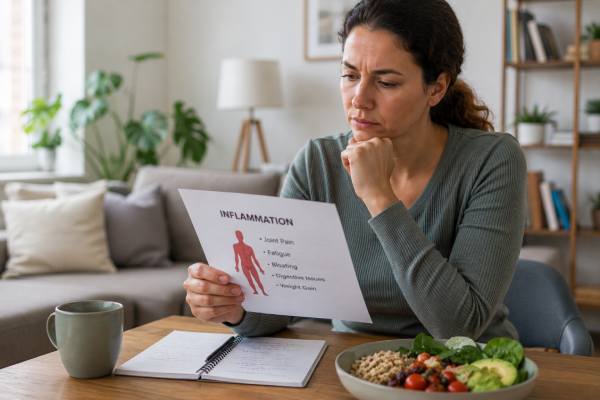
Inflammation can affect body weight, but not always in the way people assume. A flare of inflammation can make the scale jump from fluid retention, constipation, poor sleep, pain, or medication changes. Chronic low-grade inflammation is also closely tied to insulin resistance, appetite regulation, fatigue, and metabolic health.
That does not mean inflammation “breaks” weight loss or makes fat gain happen out of nowhere. Body fat still changes over time according to energy balance. But inflammation can make that balance harder to manage, make progress harder to see on the scale, and signal an underlying medical issue that needs more than a stricter diet.
Table of Contents
- The Short Answer
- How Inflammation Affects Body Weight
- Fat Gain, Water Weight, or Both?
- Conditions and Medications to Consider
- What Helps Lower Inflammation
- How to Track Progress Clearly
- When to Seek Medical Advice
The Short Answer
Inflammation can contribute to weight gain or slower weight loss indirectly, especially through water retention, insulin resistance, appetite changes, fatigue, pain, sleep disruption, and medications. It is rarely the only reason weight changes, but it can be an important missing piece.
There are two broad patterns to understand.
Acute inflammation happens when the body responds to infection, injury, surgery, intense exercise, allergies, or a disease flare. In this setting, weight can rise quickly because the body holds more fluid, stress hormones shift, activity drops, digestion slows, or appetite changes. This may look like fat gain, but a sudden jump over a few days is usually not mostly body fat.
Chronic low-grade inflammation is a slower, ongoing inflammatory state linked with excess visceral fat, insulin resistance, sleep problems, smoking, chronic stress, some autoimmune conditions, and certain metabolic diseases. This type of inflammation can make weight management more difficult over months and years.
The relationship also works both ways. Higher levels of body fat, especially fat stored around the abdomen and organs, can increase inflammatory signals. Inflammation can then worsen insulin resistance and other metabolic issues that make hunger, cravings, fatigue, and weight regain more likely.
A useful way to frame it is this: inflammation may not “cancel out” a calorie deficit, but it can make a calorie deficit harder to create, harder to sustain, and harder to measure on the scale. That distinction matters because the solution is not usually an extreme detox, a very low-calorie crash diet, or a stack of anti-inflammatory supplements. It is usually a combination of steady nutrition, adequate protein, fiber-rich foods, movement, sleep, stress management, medical review when needed, and realistic tracking.
How Inflammation Affects Body Weight
Inflammation can influence weight through several overlapping pathways, most of which affect hunger, fluid balance, energy levels, and metabolic health rather than directly creating fat overnight. The more persistent the inflammation, the more likely it is to interact with insulin, appetite hormones, and daily activity.
One key pathway is insulin resistance. When cells respond less effectively to insulin, the body has to work harder to manage blood sugar. This can be associated with higher hunger, energy dips, cravings, and easier fat storage in some people, especially when calorie intake is also high. If this sounds familiar, it may help to understand the basics of insulin resistance and weight loss rather than assuming willpower is the only issue.
Inflammation may also affect appetite signaling. Fat tissue is not just storage; it acts like an endocrine organ, sending hormonal and immune signals. In people with more visceral fat, inflammatory markers often rise along with changes in leptin, adiponectin, and other appetite-related hormones. Leptin is involved in fullness and energy balance, while ghrelin is involved in hunger. These signals do not determine behavior by themselves, but they can make a plan feel easier or harder to follow. For a deeper explanation, see leptin and ghrelin.
Inflammation can also reduce non-exercise activity, sometimes without you noticing. Joint pain, fatigue, headaches, poor sleep, or a disease flare can lower step count, household movement, posture changes, and workout intensity. This matters because daily movement can make up a meaningful part of total energy use. A person may still “work out,” but move much less during the rest of the day.
Other effects include:
- Fluid retention: inflammatory chemicals can affect blood vessels and tissue fluid balance.
- Poor sleep: pain, congestion, reflux, itching, stress, and inflammatory conditions can fragment sleep.
- Higher stress load: chronic symptoms can increase mental strain and make eating patterns less consistent.
- Digestive changes: constipation, bloating, and gut symptoms can increase scale weight.
- Medication effects: some treatments for inflammatory or related conditions can increase appetite, fluid retention, or fat storage.
This is why “just eat less” can feel incomplete for someone dealing with chronic pain, autoimmune flares, asthma exacerbations, depression, poor sleep, or new medication side effects. Energy balance still matters, but the barriers to managing it may be medical, behavioral, and biological at the same time.
Fat Gain, Water Weight, or Both?
A fast scale increase is often water, glycogen, food volume, or constipation rather than sudden fat gain. True fat gain usually requires a sustained calorie surplus over time, while fluid changes can happen in hours or days.
This distinction is especially important when inflammation is involved. A flare of arthritis, a sinus infection, a hard training week, a high-sodium meal, poor sleep, menstrual cycle changes, or a new medication can all push scale weight up without representing a meaningful change in body fat.
| Pattern | What it may suggest | What to do first |
|---|---|---|
| 2–6 lb increase over a few days | Fluid, glycogen, constipation, sodium, menstrual cycle changes, illness, or inflammation flare | Watch the 7-day trend, hydrate normally, keep meals steady, and avoid panic dieting |
| Swelling in ankles, hands, face, or abdomen | Fluid retention, medication effect, circulation issue, kidney/liver/heart concern, or inflammatory condition | Check symptoms and seek medical advice if swelling is new, one-sided, severe, or persistent |
| Slow gain over several months | Gradual calorie surplus, reduced activity, medication effect, sleep loss, hormonal changes, or chronic symptoms | Review food intake, activity, sleep, medications, and health changes together |
| Scale stuck but waist shrinking | Fat loss may be hidden by water retention, muscle gain, or normal weight fluctuation | Use waist measurements, photos, clothing fit, and trend weight |
A helpful rule: if the scale changes dramatically in less than a week, think “water and contents” before thinking “fat.” One pound of body fat represents stored energy accumulated over time; it does not appear overnight from one inflammatory flare.
That said, repeated inflammation-related disruptions can still lead to real fat gain over time. For example, knee pain may reduce walking for months, prednisone may increase appetite and fluid retention, poor sleep may increase snacking, and fatigue may make meal planning harder. The first few pounds might be water, but the longer-term pattern can include fat gain if eating and movement shift consistently.
If you often feel confused by scale swings, reviewing water retention versus fat gain can help you avoid overreacting to temporary changes.
Conditions and Medications to Consider
Persistent inflammation, unexplained weight gain, or unusually difficult weight loss can sometimes point to a medical condition, medication effect, or disease flare. This does not mean every plateau is medical, but it does mean symptoms and timing matter.
Inflammatory and metabolic conditions that may affect weight include:
- Autoimmune diseases: rheumatoid arthritis, lupus, inflammatory bowel disease, psoriasis, psoriatic arthritis, Hashimoto’s thyroiditis, and others can affect pain, fatigue, appetite, digestion, activity, and treatment needs.
- Insulin resistance, prediabetes, and type 2 diabetes: these can make hunger, cravings, and abdominal weight gain more likely.
- Polycystic ovary syndrome: PCOS commonly overlaps with insulin resistance and irregular cycles.
- Hypothyroidism: untreated overt hypothyroidism can cause modest weight gain, fatigue, constipation, and fluid retention.
- Cushing syndrome: uncommon, but important to rule out when there is rapid central weight gain, easy bruising, muscle weakness, purple stretch marks, and high blood pressure.
- Sleep apnea: poor sleep quality can worsen hunger, fatigue, insulin resistance, and blood pressure.
- Fatty liver disease: often overlaps with insulin resistance, abdominal fat, and inflammation.
For people with known immune or inflammatory disease, weight gain may come from the condition itself, reduced activity, sleep disruption, emotional strain, or treatment. An overview of autoimmune disease and weight gain may be useful if symptoms flare alongside changes on the scale.
Medication timing is also important. Some drugs can increase weight by raising appetite, changing satiety, causing fluid retention, lowering energy, or making activity harder. Examples include some corticosteroids, insulin and some diabetes medications, certain antidepressants, antipsychotics, mood stabilizers, beta blockers, antihistamines, gabapentin, pregabalin, and some hormonal therapies.
Do not stop a prescribed medication on your own because of weight concerns. Instead, track when the medication started, the dose, appetite changes, swelling, sleep, and weight trend. Then discuss alternatives, dose timing, monitoring, or supportive strategies with the prescribing clinician. If you suspect a treatment is involved, it may help to review whether a medication may be slowing weight loss before your appointment.
Useful questions to bring to a clinician include:
- Did my weight change soon after starting or increasing this medication?
- Is the gain likely to be fluid, appetite-driven, or metabolic?
- Are there weight-neutral alternatives for my condition?
- Should we check thyroid, glucose, A1c, lipids, kidney function, liver markers, CBC, CRP, ESR, or other labs based on my symptoms?
- Would treating sleep apnea, pain, inflammation, or insulin resistance make weight management easier?
The goal is not to blame every weight change on inflammation. The goal is to avoid missing a treatable factor when symptoms, timing, or the pattern of weight change suggests there may be one.
What Helps Lower Inflammation
The most useful anti-inflammatory weight-loss approach is not a short cleanse or a perfect “clean eating” plan. It is a sustainable pattern that lowers excess body fat when appropriate, improves metabolic health, supports sleep and movement, and reduces inflammatory triggers where possible.
Food quality matters, but so does consistency. An anti-inflammatory eating pattern usually includes:
- Protein at each meal: fish, poultry, eggs, Greek yogurt, tofu, tempeh, beans, lentils, lean meats, or protein-rich dairy.
- High-fiber carbohydrates: oats, beans, lentils, berries, vegetables, potatoes, fruit, and whole grains.
- Unsaturated fats: extra-virgin olive oil, avocado, nuts, seeds, and fatty fish.
- Colorful plants: leafy greens, peppers, tomatoes, berries, citrus, herbs, spices, and cruciferous vegetables.
- Fewer ultra-processed foods: especially sugary drinks, frequent fried foods, refined snacks, and large portions of sweets or alcohol.
This pattern can fit a Mediterranean-style, DASH-style, higher-protein, higher-fiber, plant-forward, or flexible meal plan. The best version is the one you can repeat while maintaining an appropriate calorie deficit. For practical food structure, an anti-inflammatory diet for weight loss is usually more useful than trying to eliminate long lists of foods without a clear reason.
A calorie deficit still matters for fat loss. Anti-inflammatory foods can help because they tend to be more filling, nutrient-dense, and easier to portion than highly processed foods. But olive oil, nuts, granola, smoothies, and “healthy” snacks can still be calorie-dense. The goal is not to eat unlimited anti-inflammatory foods; it is to build satisfying meals that reduce hunger while keeping total intake appropriate.
Movement is another powerful tool. Regular aerobic exercise and resistance training can improve insulin sensitivity, cardiovascular health, strength, function, and inflammatory markers. The best starting point is often simple: walk more, reduce long sitting periods, and build strength gradually. If pain or fatigue is present, low-impact options such as walking, cycling, swimming, resistance bands, or short movement breaks may be more realistic than intense workouts. A steady plan for walking for weight loss can be especially helpful when inflammation makes high-impact exercise difficult.
Sleep and stress also matter. Poor sleep can increase hunger, reduce impulse control, and make pain feel worse. Chronic stress can push eating toward convenience foods and lower activity. Stress is not a magic fat-gain hormone, but it can change the daily behaviors and recovery patterns that control weight over time. If symptoms worsen after short nights or stressful weeks, resources on stress hormones and weight loss may help you separate real physiology from exaggerated cortisol claims.
Other practical anti-inflammatory steps include:
- Treat infections, dental issues, skin inflammation, reflux, or chronic pain rather than “pushing through.”
- Stop smoking or seek help to quit.
- Limit alcohol if it worsens sleep, appetite, reflux, inflammation, or calorie intake.
- Manage constipation with fluids, fiber, movement, and medical guidance if persistent.
- Keep protein high enough during weight loss to protect lean mass.
- Avoid repeated crash diets, which can worsen fatigue, cravings, and rebound overeating.
How to Track Progress Clearly
When inflammation is present, progress should be judged by trends, symptoms, measurements, and consistency—not by one weigh-in. A single scale reading can be misleading when fluid retention, soreness, illness, or medication changes are in the picture.
Start by using a 2- to 4-week view. Daily weight can be useful for some people, but only if you focus on the average, not the single number. If daily weighing feels stressful, use three weigh-ins per week or one consistent weekly weigh-in. The key is comparing similar conditions: morning, after using the bathroom, before food, and with similar clothing.
Track at least two other markers:
- Waist measurement every 2–4 weeks
- Progress photos monthly
- Clothing fit
- Step count or movement minutes
- Strength or workout performance
- Hunger and fullness
- Sleep duration and quality
- Pain, swelling, digestion, or flare symptoms
This wider view helps distinguish a true stall from “scale noise.” For example, if weight is up three pounds after poor sleep, salty meals, and sore legs from a workout, that does not mean the plan failed. If the 4-week average is flat, waist is unchanged, and intake has drifted upward, then it may be time to adjust. Guidance on identifying a true weight loss plateau can prevent unnecessary calorie cuts.
A simple weekly review can include:
- Weight trend: Is the average moving down, flat, or up?
- Waist trend: Is abdominal measurement changing?
- Symptoms: Any swelling, constipation, pain, poor sleep, or flare?
- Nutrition: Was protein consistent? Were portions realistic?
- Movement: Did steps or workouts drop because of symptoms?
- Medication or cycle changes: Any new dose, steroid course, menstrual phase, travel, or illness?
- Next adjustment: Keep going, improve consistency, increase movement, or ask for medical help?
Avoid responding to every inflammatory flare with aggressive restriction. Eating much less may produce a short-term drop, but it can also worsen fatigue, increase cravings, reduce training quality, and make the next rebound more likely. In many cases, the better move is to hold the plan steady, reduce sodium-heavy meals, prioritize sleep, manage symptoms, and wait for the trend to clarify.
When to Seek Medical Advice
Seek medical advice when weight gain is sudden, unexplained, linked with swelling, or accompanied by symptoms that suggest more than normal fluctuation. Inflammation-related weight changes are common, but some patterns need prompt evaluation.
Get urgent care right away if weight gain or swelling comes with:
- Shortness of breath
- Chest pain or pressure
- Fainting, confusion, or severe weakness
- Rapid heartbeat or irregular heartbeat
- Sudden one-sided leg swelling, redness, warmth, or pain
- Severe allergic symptoms, facial swelling, or trouble breathing
Make a non-urgent medical appointment if you notice:
- Rapid weight gain over days to weeks without a clear reason
- New swelling in the legs, feet, hands, face, or abdomen
- Persistent fatigue, fever, night sweats, or unexplained pain
- New constipation, cold intolerance, hair loss, or menstrual changes
- Increased thirst, frequent urination, blurred vision, or recurrent infections
- Easy bruising, muscle weakness, purple stretch marks, or new high blood pressure
- Weight gain after starting or increasing a medication
- Repeated “plateaus” despite consistent intake and activity
- Symptoms of sleep apnea, such as loud snoring, gasping, morning headaches, or severe daytime sleepiness
If you are unsure whether your pattern warrants evaluation, a guide on when to see a doctor for weight gain can help you prepare what to track and what to ask.
When you meet with a clinician, bring specifics rather than a general statement that you “can’t lose weight.” Useful details include your weight trend, waist trend, medications and doses, recent infections or flares, sleep pattern, appetite changes, swelling, bowel changes, menstrual pattern if relevant, and what your eating and movement have looked like for the past few weeks.
The most effective plan may involve more than one lever: adjusting a medication, treating sleep apnea, managing insulin resistance, improving pain control, addressing thyroid disease, strengthening a nutrition plan, or changing the pace of weight loss. Inflammation does not make progress impossible, but it can be a sign that your body needs a more thoughtful strategy than simply cutting calories harder.
References
- The effect of dietary weight-loss interventions on the inflammatory markers Interleukin-6 and TNF-alpha in adults with obesity: A systematic review and meta-analysis of randomised controlled clinical trials 2025 (Systematic Review and Meta-analysis)
- Effects of different exercise modalities on inflammatory markers in the obese and overweight populations: unraveling the mystery of exercise and inflammation 2024 (Systematic Review and Meta-analysis)
- Obesity: A Chronic Low-Grade Inflammation and Its Markers 2022 (Review)
- Consequences of Obesity 2025 (Government Resource)
- European Society of Endocrinology Clinical Practice Guideline: Endocrine work-up in obesity 2020 (Clinical Practice Guideline)
- Edema – Symptoms and causes 2023 (Medical Reference)
Disclaimer
This article is for general educational purposes only and is not a substitute for professional medical advice, diagnosis, or treatment. If you have sudden weight gain, swelling, chest pain, shortness of breath, a suspected medication reaction, or symptoms of an inflammatory or hormonal condition, seek guidance from a qualified healthcare professional.
If this article was helpful, consider sharing it on Facebook, X, or your preferred platform so others can better understand the link between inflammation, weight changes, and safe next steps.