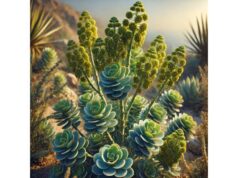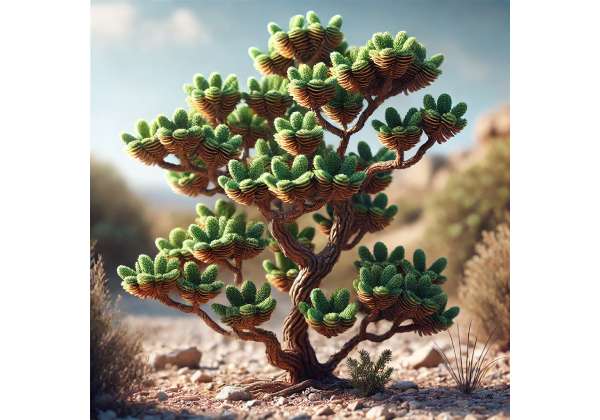
The plant referred to here as Italian camphor is Tetraclinis articulata, a resinous Mediterranean conifer more commonly known as sandarac tree or Barbary thuya. It is not a standard camphor tree, yet its essential oil can contain notable amounts of camphor along with bornyl acetate, alpha-pinene, and other aromatic compounds. That chemistry helps explain why the plant has long been used in North African folk practice for skin complaints, digestive discomfort, cough, fever, rheumatic pain, and topical care.
Modern interest in Tetraclinis articulata comes mostly from the leaves, resin, wood distillates, and essential oil. Laboratory and animal studies suggest antioxidant, anti-inflammatory, antimicrobial, and possible antidiabetic effects, with growing attention to skin protection and wound-related applications. At the same time, the evidence is still uneven. Most benefits have not been confirmed in large human trials, and the plant’s stronger preparations deserve caution. This guide looks closely at what Italian camphor is, which compounds matter most, what it may realistically help with, how it is traditionally used, and why safe use matters as much as potential benefit.
Key Takeaways
- Italian camphor shows the strongest early promise for antimicrobial and anti-inflammatory activity.
- Traditional use also points to possible digestive, respiratory, and topical skin support.
- No standardized human dose exists; animal essential-oil studies have used about 100 to 300 mg/kg, which is not a self-care dose for people.
- Pregnant or breastfeeding people, children, and anyone using diabetes, blood-pressure, or skin medicines should avoid self-prescribing it.
Table of Contents
- What is Italian camphor?
- Key ingredients and medicinal properties
- Does Tetraclinis articulata help with inflammation?
- Antimicrobial, skin, and wound uses
- Metabolic and other potential benefits
- How to use and dose it
- Safety, side effects, and who should avoid it
- What the evidence actually says
What is Italian camphor?
Italian camphor, in the sense used here, refers to Tetraclinis articulata, an evergreen conifer in the Cupressaceae family. It is native to the western Mediterranean, especially Morocco, Algeria, Tunisia, Malta, and a small area of southeastern Spain. In botanical and ethnomedical sources, it is far better known as sandarac tree, Araar, or Barbary thuya than as Italian camphor. That naming point matters because people sometimes assume it is the same species as true camphor tree or that it works like purified medicinal camphor. It is neither. It is a distinct plant with its own resin, wood, leaves, and essential oil chemistry.
Historically, the tree has had three main identities. First, it has been valued for wood and resin, especially in craft traditions and varnish making. Second, it has been used ritually as an aromatic plant. Third, it has a real place in folk medicine, particularly in North Africa. Ethnobotanical records describe decoctions, infusions, powders, cataplasms, fumigations, and wood distillates used for digestive complaints, cough, colds, fever, diabetes, hypertension, rheumatic pain, burns, eczema, and wound care. That breadth does not prove all of those uses work, but it does show that the plant is more than an aromatic timber tree.
One of the most interesting aspects of Tetraclinis articulata is that different parts are used differently. Leaves are common in infusions, decoctions, powders, and poultices. Fruits and cones sometimes appear in mixed preparations. Resin and wood distillates are more closely tied to incense, skin care, and external applications. Essential oil studies usually focus on leaf material, though other parts have also been analyzed. This is important for readers because a leaf infusion, a resinous distillate, and a commercial essential oil are not interchangeable.
The plant also stands out because it sits at the edge of two traditions: aromatic medicine and modern natural-product research. Like some other resinous Mediterranean trees, it draws attention not only for what traditional healers did with it, but also for what chemists now find in it. That bridge between old practice and modern pharmacology is why the plant keeps appearing in studies on inflammation, microbes, wound-associated bacteria, skin protection, and metabolic pathways.
If you want a point of comparison, its overall profile is closer to other resinous conifers such as juniper in traditional aromatic medicine than to a soft food herb. It is pungent, chemically active, and generally more appropriate for targeted use than for casual daily supplementation. That is the right mindset for understanding the rest of the article.
Key ingredients and medicinal properties
The medicinal reputation of Tetraclinis articulata comes mainly from its volatile oil and polyphenol-rich extracts. Across studies, the essential oil is frequently dominated by compounds such as bornyl acetate, camphor, alpha-pinene, borneol, limonene, and other monoterpenes or oxygenated terpenes. The exact profile shifts by plant part, season, geography, and extraction method, which is one reason product effects can vary so much in practice.
Camphor is the constituent that makes the user’s chosen common name understandable, even if the plant itself is not the standard camphor tree. In some samples, camphor is a major component, while in others bornyl acetate leads. This matters because the biological feel of an essential oil can shift depending on which compounds dominate. Camphor-rich profiles tend to feel more sharply aromatic and more strongly associated with topical stimulation and antimicrobial interest. Bornyl acetate-rich profiles often pull attention toward anti-inflammatory and skin-related discussions. Alpha-pinene and borneol add to the plant’s broader antimicrobial and anti-inflammatory logic.
Beyond the essential oil, Tetraclinis articulata also contains phenolic acids, flavonoids, sterols, fatty acids, and other secondary metabolites. These nonvolatile compounds matter because they broaden the plant’s potential beyond aroma alone. Review work on the species highlights correlations between these compounds and antioxidant, antimicrobial, anti-inflammatory, antidiabetic, neuroprotective, and cytotoxic findings in experimental systems. That does not mean every tea, oil, or extract delivers all of those effects. It means the plant is chemically richer than its common-name simplicity suggests.
A practical way to understand its medicinal properties is to separate them into likely categories:
- Aromatic and antimicrobial: mostly tied to essential-oil constituents.
- Anti-inflammatory: supported by essential-oil studies and broader extract work.
- Antioxidant: present, though often modest and assay-dependent.
- Topical and dermatologic: linked to antimicrobial, anti-inflammatory, and enzyme-modulating actions.
- Metabolic and enzyme-related: more experimental, often driven by in vitro work.
This is also where expectations need to stay grounded. A plant can contain active chemistry without becoming a proven therapeutic. For example, Tetraclinis articulata may be chemically comparable in richness to better-known aromatic plants, but it is far less standardized than something like green tea as a widely studied antioxidant herb. That means consumers should place more weight on preparation type and less on generic marketing language.
The best summary is that Italian camphor is pharmacologically interesting because it combines a conifer-style aromatic profile with biologically active nonvolatile compounds. Its chemistry supports why people use it for inflammation, microbes, and topical care. It also explains why the plant deserves more respect than a casual “natural camphor” label might imply.
Does Tetraclinis articulata help with inflammation?
Inflammation is one of the strongest and most consistent themes in the Tetraclinis articulata literature. Traditional medicine already hinted at this through its use for rheumatic pain, burns, skin irritation, feverish discomfort, and inflammatory-looking wounds. Modern research gives that tradition some biological plausibility, especially through essential-oil and leaf studies.
A key preclinical study on Moroccan Tetraclinis articulata leaf essential oil found meaningful anti-inflammatory effects in rat paw-edema models. In that work, the oil reduced swelling in both chemical and mechanical inflammation tests, with especially notable effects at 200 mg/kg. The same study also reported no mortality in mice at oral doses up to 5 g/kg, although that should not be misread as proof of routine human safety. What it does suggest is that the plant is active enough to produce measurable anti-inflammatory outcomes in vivo, not just in cell assays.
Mechanistically, researchers often point to the essential oil’s oxygenated monoterpenes, especially bornyl acetate, camphor, and borneol, along with hydrocarbons such as alpha-pinene. These compounds are thought to influence inflammatory mediators, free-radical production, and possibly cyclooxygenase-related pathways. That fits the broader essential-oil pattern seen in other aromatic plants, though each plant has its own chemical balance and intensity.
What should a reader do with that information? The most honest interpretation is that Tetraclinis articulata has credible anti-inflammatory promise, but the strongest data are still experimental rather than clinical. In practical terms, the plant seems more plausible for short-term topical or adjunctive support than for becoming a primary treatment for inflammatory disease.
A sensible hierarchy looks like this:
- More plausible: topical or localized inflammatory uses, especially in traditional practice.
- Plausible but not established: adjunctive support for mild inflammatory discomfort.
- Not established: treatment of arthritis, autoimmune disease, or chronic inflammatory disorders in humans.
This distinction matters because plants with interesting anti-inflammatory chemistry often get pulled too quickly into broad consumer claims. That is not justified here. Tetraclinis articulata is not a replacement for therapies with real human trial support. It is better understood as a plant with preclinical anti-inflammatory strength and a long tradition of external and mixed internal use.
If you compare it with a more clinically familiar anti-inflammatory herb such as boswellia for inflammation support, the difference becomes clearer. Boswellia still has limitations, but it has a more developed human evidence base. Italian camphor remains more exploratory, more variable, and more dependent on extract type.
So yes, Tetraclinis articulata does appear to help with inflammation in experimental models, and that supports some of its traditional reputation. But the jump from promising research to confident medical use has not yet been made. That is the right level of confidence to keep.
Antimicrobial, skin, and wound uses
If inflammation is one of the plant’s strongest themes, antimicrobial and skin-related use is the other. These areas overlap, because many skin problems involve both microbial pressure and inflammatory signaling. That is one reason Tetraclinis articulata has attracted growing interest in dermatologic and wound-focused research.
Traditional practice already used the plant externally for burns, pimples, sprains, inflamed wounds, scabies in animals, and various skin complaints. Leaves could be powdered or decocted. Distilled wood preparations were used as creams or disinfecting agents. In modern terms, that sounds like an herbal attempt to combine antiseptic, drying, and anti-inflammatory functions in one material.
Recent essential-oil research gives that tradition some support. Studies have found activity against a range of bacteria, including skin-associated species, and some work has shown inhibition of wound-related biofilm behavior at certain concentrations. A 2024 study also explored enzyme-related effects relevant to wound remodeling and skin appearance, including elastase and tyrosinase inhibition, alongside biofilm suppression in common wound-associated pathogens. These are still laboratory findings, but they make the plant particularly interesting for topical development.
This does not mean the herb is a proven wound healer in people. It means it has several traits that make it a strong candidate for further skin-related investigation:
- Antimicrobial action against selected bacteria and fungi
- Anti-inflammatory support
- Possible activity against biofilm formation
- Aromatic compounds suited to topical formulations
- Traditional precedent for burns and irritated skin
There is also a cosmetic angle here. Some researchers discuss the oil’s possible role in dermatoprotective products because of antioxidant, tyrosinase, and surface-level microbial effects. This fits the way many essential oils move from folk medicine into cosmetic and dermocosmetic spaces. But the gap between a promising cosmetic ingredient and a clinically validated treatment is large. Consumers should resist assuming that a plant with wound-related assays automatically performs well on real chronic wounds.
Another practical point is that topical use is often more plausible than casual internal use for this plant. The folk record and the mechanistic studies line up better for external care than for self-prescribed oral supplementation. Even then, dilution and skin sensitivity matter. Essential oils can irritate, especially on damaged skin.
Compared with a milder botanical such as witch hazel for basic topical support, Italian camphor looks more resinous, more aromatic, and more experimental. That can be an advantage in specialist formulations, but it also means it deserves more careful handling.
So the most evidence-aware conclusion is that Tetraclinis articulata has real promise for antimicrobial and skin-related applications, especially in topical products. It just has not yet earned the kind of clinical certainty that would justify treating it like a first-line wound herb.
Metabolic and other potential benefits
One reason Tetraclinis articulata keeps appearing in newer research is that its biological profile is broader than people expect from a coniferous aromatic plant. Beyond inflammation and skin support, researchers have explored its antidiabetic, antihypertensive, neuroprotective, antiurolithiatic, and cytotoxic potential. These are early-stage findings, but they help explain why the plant is increasingly discussed outside classic folk-medicine contexts.
The most prominent of these newer themes is metabolism. Ethnobotanical records already mention the plant in connection with diabetes and, in some communities, hypertension. Modern work has tried to test whether that old use has a mechanistic basis. Some essential-oil studies report inhibition of alpha-glucosidase and modest effects on other enzymes relevant to diabetes and skin-related metabolic complications. Review work also notes broader antidiabetic signals across extracts and plant parts.
This is promising, but it needs careful translation. The current evidence suggests the plant may influence metabolic pathways in vitro and possibly in animal models. It does not prove that drinking a leaf infusion or taking a commercial oil capsule will meaningfully lower blood sugar in people. In this area, the strongest statement is “pharmacologically interesting,” not “clinically established.”
There is also a neuroprotective thread in the review literature, usually based on antioxidant and signaling effects rather than on direct human data. Again, that does not mean the plant is a brain herb in the practical consumer sense. It means its chemistry is broad enough to affect pathways researchers care about.
The same caution applies to cytotoxic or anticancer language. Some plant extracts from Tetraclinis articulata have shown cytotoxic activity in experimental systems. That matters for drug discovery, but not for self-treatment. Many plant extracts can inhibit cells in vitro. Far fewer become safe or useful therapies in humans.
A grounded way to organize these “other benefits” is:
- Most plausible: support for enzyme-related metabolic research and antioxidant pathways
- Interesting but early: antihypertensive and neuroprotective signals
- Too early for consumer claims: anticancer positioning
This is where comparison helps. Readers interested in blood-sugar-related herbs are better served by plants with stronger human evidence, such as bitter melon for traditional metabolic support. Tetraclinis articulata may one day become more important in this area, but it is not there yet.
So while Italian camphor has more pharmacological breadth than its name suggests, the safest way to understand those broader benefits is as research directions. They add depth to the plant’s profile, but they do not replace the need for restraint. In practice, the plant remains strongest as a topical, aromatic, inflammation-linked herb with secondary metabolic interest rather than as a proven metabolic therapy.
How to use and dose it
How you use Tetraclinis articulata matters at least as much as why you use it. Ethnobotanical sources show that traditional users did not rely on a single universal format. They used leaf infusions, decoctions, powders, cataplasms, fumigations, macerations, and even wood distillates for different purposes. That tells us two things: the plant is versatile, and standardized dosing is still a weak point.
For internal use, the leaf appears most often in folk records. It may be infused or decocted for digestive complaints, cough, colds, diabetes-related use, and stomach pain. Powders also appear in some traditions. Leaves and fruits sometimes show up together in infusions or decoctions. This suggests that the gentler, whole-plant preparations matter more in traditional practice than isolated essential oil does.
For topical use, powdered leaves, cataplasms, and wood-derived creams or tar-like distillates are more common. These are used for burns, pimples, eczema, sciatica-related pains, rheumatism, and inflamed wounds. This aligns with the plant’s stronger modern case for antimicrobial and anti-inflammatory external use.
The essential oil is a different category. It is potent, variable, and far less traditional as a casual oral remedy. Most modern essential-oil studies are experimental, and the doses they use are animal doses, not household guidance. That means the essential oil should be treated as a specialist preparation, not a routine supplement.
A practical hierarchy looks like this:
- Traditional internal use: leaf infusion, decoction, or powder for short periods.
- Traditional topical use: leaf powder, poultice, or prepared external product.
- Modern specialist use: essential oil in carefully diluted or professionally formulated products.
The dosage problem is straightforward: there is no validated standard human dose for Tetraclinis articulata that can be responsibly recommended across products. Animal studies on essential oil have used ranges around 100 to 300 mg/kg, but those numbers are not self-care instructions for humans. They are research doses.
That means the safest dosing advice is:
- Use only clearly labeled products.
- Follow the product’s own directions rather than copying doses from a different preparation.
- Treat essential oils as concentrated materials requiring dilution.
- Prefer short-term use over open-ended daily use.
Timing also depends on the preparation. Infusions and decoctions are usually taken through the day in smaller divided servings. Topical products are applied in small amounts to affected areas after checking tolerance. Essential oils should not be applied undiluted and should not be ingested casually.
This is one reason the plant is better approached like other powerful aromatic herbs rather than like a simple tea plant. If your goal is basic external antiseptic support, a more familiar option such as tea tree for topical antimicrobial use is easier to use predictably. Tetraclinis articulata makes more sense when the product is well identified and the purpose is specific.
Safety, side effects, and who should avoid it
Safety is where Italian camphor needs the most realism. Review work on Tetraclinis articulata describes the plant as broadly promising and notes that toxicological data so far do not suggest extreme danger at studied doses. One animal study on leaf essential oil reported no mortality at oral doses up to 5 g/kg. That sounds reassuring, but it should not be overinterpreted. A lack of acute lethality in mice is not the same as complete human safety, especially with repeated use, mixed products, or concentrated oils.
The biggest practical safety issue is essential oil intensity. When a plant oil contains camphor, bornyl acetate, alpha-pinene, and related monoterpenes, it can be irritating to the skin, mucosa, or stomach if used carelessly. External products may sting damaged skin. Internal use of concentrated oil is much harder to justify than internal use of traditional leaf preparations.
Possible side effects include:
- Stomach upset
- Nausea
- Throat or gastric irritation with strong preparations
- Skin irritation or burning with poorly diluted topical use
- Headache or sensory overload from heavy aromatic exposure
There is also a simple but important quality issue: products sold under names like thuya, arar, barbary thuya, or camphor-like tree preparations may not all be equivalent. Misidentification or low-quality distillation can make safety less predictable.
Who should avoid self-prescribing it:
- Pregnant people
- Breastfeeding people
- Children
- People with very sensitive skin or eczema-prone skin
- Anyone taking diabetes or blood-pressure medicine
- People using complex prescription skin treatments
- Anyone tempted to ingest essential oil without professional advice
People sometimes assume that because this plant is traditional, it must be safe in every form. That is exactly the wrong way to think about it. Many traditional uses involve whole leaves, short courses, and locally informed preparation methods. Modern consumers often jump straight to concentrated essential oil or commercial extracts, which changes the risk profile.
Another issue is substitution. Since the plant is better known regionally than globally, not every commercial product is equally transparent about plant part, concentration, or chemotype. That means safety is tied not only to the plant itself, but also to the product’s authenticity.
The most sensible safety rule is simple: use Tetraclinis articulata conservatively, favor topical or traditional leaf preparations over casual essential-oil ingestion, and stop at the first sign of irritation. A plant can be promising and still deserve boundaries. In this case, those boundaries are part of good herbal judgment.
What the evidence actually says
The evidence for Italian camphor, meaning Tetraclinis articulata, is strongest in ethnobotany, phytochemistry, and preclinical pharmacology. It is weakest in controlled human clinical practice. That is the most useful place to begin, because it prevents both dismissal and hype.
What looks reasonably well supported:
- The plant contains a chemically active essential oil, often rich in bornyl acetate, camphor, alpha-pinene, and related compounds.
- Leaf and other extracts show anti-inflammatory, antioxidant, and antimicrobial effects in laboratory and animal studies.
- Ethnobotanical use is broad and well documented, especially for digestive, respiratory, skin, and pain-related complaints.
- Topical and skin-related applications make more mechanistic sense than generalized internal wellness use.
What looks promising but not proven:
- Blood-sugar-related support
- Wound and biofilm-related clinical benefit
- Blood-pressure support
- Neuroprotective or broader systemic benefits
What is not justified at this stage:
- Treating the plant as a proven diabetes herb
- Using it as a replacement for antibiotics or wound care
- Assuming essential oil is safe for routine oral use
- Presenting it as a fully established medicinal camphor equivalent
This is where the plant’s unusual position becomes clear. It is far more interesting than a simple ornamental conifer, yet far less validated than a mainstream medicinal herb. That middle ground is actually useful. It tells you where the plant may matter most in the future: not necessarily as a broad consumer supplement, but as a source of bioactive compounds and specialized topical or aromatic preparations.
The plant’s traditional record is valuable, especially because it points toward the same areas modern studies keep revisiting: inflammation, microbes, skin care, and digestive discomfort. But tradition alone cannot settle questions of human dose, long-term safety, or drug interaction risk. That is why the evidence still asks for restraint.
A careful reader should come away with this balanced picture:
- Tetraclinis articulata is a real medicinal plant with a strong aromatic and topical profile.
- Its most plausible strengths are anti-inflammatory, antimicrobial, and skin-supportive.
- Its metabolic and other systemic benefits remain early-stage.
- Product form matters enormously.
- Human clinical evidence is still too thin for confident broad claims.
That is not a weak conclusion. It is the evidence-based conclusion. Italian camphor is a plant worth watching, worth studying, and worth using carefully when the preparation and goal are both clear. It is not a herb that benefits from exaggeration.
References
- Essential Oils of Tunisian Tetraclinis articulata (Vahl) Mast.: Chemical and Biological Insights 2025
- Tetraclinis articulata (Vahl) Mast.: Volatile constituents, antioxidant, antidiabetic and wound healing activities of its essential oil 2024
- Tetraclinis articulata (vahl) masters: An insight into its ethnobotany, phytochemistry, toxicity, biocide and therapeutic merits 2022 (Review)
- Chemical composition, acute toxicity, antioxidant and anti-inflammatory activities of Moroccan Tetraclinis articulata L 2017
Disclaimer
This article is for educational purposes only and does not replace medical advice, diagnosis, or treatment. Italian camphor, meaning Tetraclinis articulata, has promising laboratory and traditional uses, but its strongest evidence is still preclinical, and concentrated preparations may irritate the skin or digestive tract. Speak with a qualified healthcare professional before using this plant medicinally, especially if you are pregnant, breastfeeding, taking prescription medicines, or managing diabetes, blood-pressure problems, or chronic skin disease.
If this article helped you, please share it on Facebook, X, or any platform your readers use most.