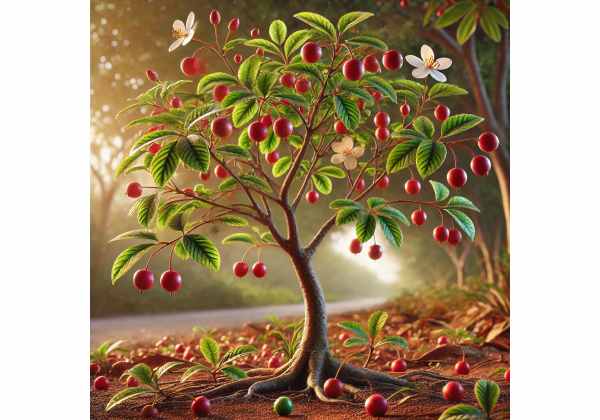
Jamaican cherry is a small tropical tree best known for its soft, sweet red fruit and a long record of traditional use in warm regions of Asia and the Americas. Despite the name, it is not a true cherry in the botanical sense. Its fruit is eaten fresh, while its leaves, bark, and flowers have been used in folk medicine for concerns such as headaches, stomach discomfort, fever, and mild inflammation. What makes this plant especially interesting today is the overlap between food and phytotherapy: the fruit offers fiber, natural sugars, and polyphenols, while the leaves contain flavonoids and other compounds that have drawn attention in lab and animal studies. Jamaican cherry looks promising for antioxidant support, glucose-related research, and anti-inflammatory potential, but that promise needs perspective. Human clinical evidence is still limited, and most stronger health claims come from preclinical work rather than proven medical use. For most readers, the safest and most realistic way to think about Jamaican cherry is as a nutrient-rich edible fruit first, and a possible medicinal plant second.
Quick Overview
- Jamaican cherry fruit is best valued as an edible source of polyphenols, fiber, and antioxidant compounds.
- Leaf extracts show anti-inflammatory and glucose-related potential in laboratory and animal studies, but human proof is still limited.
- A practical food-first serving is about 50 to 100 g of fresh fruit or 120 to 240 mL of unsweetened juice.
- Pregnant or breastfeeding people and anyone taking diabetes medication should avoid concentrated leaf products unless a clinician approves them.
Table of Contents
- What is Jamaican cherry
- Key compounds and nutrients
- Does Jamaican cherry help
- How to use Jamaican cherry
- How much per day
- Safety and who should avoid it
- What the evidence really shows
What is Jamaican cherry
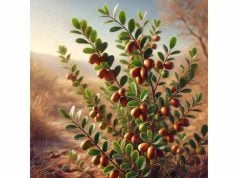
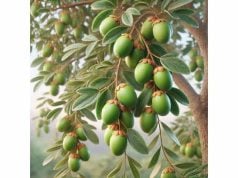
Jamaican cherry, botanically known as Muntingia calabura, is a fast-growing tropical tree native to parts of Central and South America and now widely grown across the Caribbean, Southeast Asia, and other warm regions. It is also known by names such as Panama berry, Singapore cherry, aratiles, and cotton candy berry. The tree is easy to recognize once it fruits: it carries small, round berries that ripen from green to red, with a delicate skin, tender flesh, and many tiny edible seeds. The taste is mild and sweet, often described as jammy, honeyed, or fig-like rather than sharply tart.
One useful point for readers is that Jamaican cherry belongs to a very different botanical group from common cherries in the genus Prunus. So when people expect the flavor, texture, or nutrition of a supermarket cherry, they are often surprised. Jamaican cherry is softer, more perishable, and less structured. That matters for both eating quality and practical use. The fruit is best when fresh and ripe, often eaten straight from the tree or used quickly in drinks, jams, or sauces.
Traditional medicine has focused more on the leaves and bark than on the fruit itself. In folk use, leaf preparations have been taken for headaches, colds, mild digestive discomfort, feverish states, and inflammatory complaints. In some regions the leaves are consumed as a decoction or tea-like drink, especially when people are looking for a low-cost plant remedy rather than a daily culinary food. That history explains why modern researchers have spent so much time studying leaf extracts.
Still, Jamaican cherry has two very different identities. The first is as a food: a sweet, edible fruit with polyphenols and modest fiber. The second is as a medicinal plant with leaf compounds that may affect inflammation, oxidative stress, and carbohydrate-digesting enzymes. Mixing those two identities too casually creates confusion. Eating a handful of ripe fruit is not the same thing as using a concentrated leaf extract, and those uses should not be treated as interchangeable.
That distinction is especially important because the fruit is relatively approachable, while medicinal claims around the leaves remain under active investigation. For most people, Jamaican cherry makes the most sense as a tropical food with added phytochemical interest. The plant may eventually gain a stronger role in evidence-based herbal practice, but today the fruit is better understood than any standardized medicinal product made from it.
Key compounds and nutrients
Jamaican cherry is chemically interesting because the fruit and leaves offer different strengths. The fruit behaves like a polyphenol-rich tropical berry, while the leaves act more like a medicinal leaf source packed with flavonoids and related compounds. That split helps explain why food scientists and phytochemistry researchers are both drawn to the plant.
Recent nutritional analysis of the fruit found a notably rich free-phenolic fraction, with especially relevant compounds including ellagitannins, gallotannins, ellagic acid derivatives, and quercetin-related molecules. These are the kinds of compounds often associated with antioxidant activity, gut-level interactions, and protection against oxidative damage in food and biological systems. That does not automatically mean dramatic clinical effects in humans, but it does mean the fruit has more going on than simple sweetness. In practical terms, Jamaican cherry is not just sugary tropical produce. It is a fruit with a meaningful phytochemical profile.
Earlier composition work also highlighted gallic acid, cyanidin-type pigments, catechin-family compounds, caffeic acid, and quercetin among the fruit’s notable phenolics. That mix matters because it gives the fruit both color and biological character. Gallic acid and quercetin are often discussed in relation to antioxidant and inflammation-related pathways, while anthocyanin-type pigments contribute to the red hue and may add their own protective effects. Readers interested in other polyphenol-rich tropical fruits will notice a similar pattern here: the value lies less in one magic ingredient and more in the combined effect of multiple plant compounds.
The leaves are different. A recent study profiling leaf extracts identified dozens of metabolites, with geniposide, daidzein, quercitrin, kaempferol, formononetin, and related compounds standing out. These molecules are important because several have recognized enzyme-modulating, antioxidant, or inflammation-related actions in broader plant science research. Newer flavone work has gone even further by isolating specific leaf flavones and testing them for alpha-glucosidase inhibition, a mechanism relevant to post-meal blood sugar control. That does not prove Jamaican cherry treats diabetes in humans, but it does explain why the plant keeps appearing in metabolic-health research.
From a nutrition perspective, the fruit is easier to interpret than the leaf. It contributes natural carbohydrates, water, some fiber, and a collection of phenolic compounds that make it more interesting than a standard sweet snack. The leaf is pharmacologically more provocative, but also less straightforward to use responsibly. This is why Jamaican cherry is best understood through a two-part lens:
- The fruit is a food with functional potential.
- The leaf is a phytochemical source with early medicinal promise.
That distinction may sound simple, but it protects against a common mistake. People often assume that if a plant is rich in bioactives, every form of it must be equally helpful. In reality, the whole fruit, a homemade leaf tea, and a lab-standardized extract can behave very differently. With Jamaican cherry, the chemistry is promising, but form still matters as much as content.
Does Jamaican cherry help
Yes, but the honest answer depends on what kind of help you mean. Jamaican cherry is most convincing as a helpful food and a promising research plant. It is much less convincing as a proven treatment for disease. That distinction is where many articles go wrong.
The clearest practical benefit is nutritional. The fruit offers polyphenols, natural sweetness, and some fiber in a low-complexity food that can widen fruit diversity in the diet. For people who already enjoy tropical fruit, Jamaican cherry can be a pleasant way to add antioxidant-rich produce without relying on heavily processed snacks. Its fruit chemistry suggests potential support for oxidative balance and general diet quality, especially when eaten whole rather than as a sugar-heavy preserve.
A second likely benefit is inflammation-related support, but here the evidence becomes more indirect. Leaf extracts and fruit fractions have shown antioxidant and anti-inflammatory effects in lab and animal settings. These results are biologically interesting because they suggest the plant can interact with pathways tied to oxidative stress, tissue irritation, and inflammatory signaling. Still, readers should be careful not to overread that. “Anti-inflammatory in a model” is not the same as “clinically proven anti-inflammatory remedy.”
A third area of interest is blood sugar management. Jamaican cherry leaf extracts have shown alpha-glucosidase and alpha-amylase inhibitory activity in laboratory work, which means they may slow the breakdown of carbohydrates under certain conditions. This is one reason the plant appears so often in early antidiabetic discussions. But there is a big gap between enzyme inhibition in a study and real-world glucose control in people. At the moment, Jamaican cherry is better described as a plant under metabolic-health investigation than as a validated glucose-lowering herb.
There are also antimicrobial and anticancer claims in the literature, but these need the most restraint. Extracts have shown antimicrobial effects and some cytotoxic activity in research settings, yet that should not be translated into claims that the fruit or leaf tea can treat infections or cancer. Those are the kinds of leaps that sound impressive but collapse under closer scrutiny.
A more realistic way to frame benefits is this:
- The fruit may support a better-quality diet and contribute antioxidant compounds.
- The leaf appears pharmacologically active and worth further study.
- The strongest medicinal claims are still mostly preclinical.
Readers who already use fiber-rich tropical fruits for gentle digestive support may find Jamaican cherry fits the same food-first pattern as other soft, antioxidant-rich tropical fruits. But if the goal is a dependable medicinal outcome, expectations should stay modest. Jamaican cherry can help most as a nutritious fruit and a scientifically promising plant, not as a shortcut therapy.
How to use Jamaican cherry
The best way to use Jamaican cherry depends on whether you are treating it as a food or as a folk remedy. For most people, the fruit is the smarter place to start. It is easier to understand, easier to tolerate, and far less likely to create the confusion that comes with concentrated leaf use.
Fresh fruit is the simplest option. Ripe Jamaican cherries can be eaten straight from the tree or bowl, added to fruit mixes, folded into yogurt, spooned over oats, or blended into smoothies. Because the berries are soft and fragile, they do not travel or store as well as firmer fruits. That means they are best used quickly, ideally the same day or within a short refrigerated window. Their softness is not a flaw. It is part of why they work well in jams, syrups, sauces, and fresh-pressed drinks.
Unsweetened juice is another practical option. A modest serving can capture the fruit’s flavor and color while fitting more easily into a meal. This works especially well for people who enjoy tropical fruit but do not want added sugar from commercial preserves. If using juice, keeping it unsweetened matters. The fruit is already naturally sweet, and heavy added sugar undermines many of the reasons to choose it in the first place.
Leaf use is more cautious territory. Traditionally, the leaves have been consumed as a decoction or tea-like preparation, especially for headache, cold-like symptoms, stomach discomfort, or general inflammation-related complaints. But traditional use is not the same as standardized evidence. Leaf potency can vary, and extracts used in research are not the same as what most people prepare at home. That is why Jamaican cherry leaf tea is better approached as an occasional, low-intensity traditional preparation rather than an everyday tonic.
A practical way to think about forms is this:
- Fresh fruit is the most food-like and lowest-risk option.
- Juice is useful when kept simple and unsweetened.
- Preserves are enjoyable, but more like treats than health foods.
- Leaf preparations are the least standardized and should be used carefully.
There is also a culinary advantage that many health articles ignore: Jamaican cherry combines well with tangier plant ingredients. Its sweetness can balance sour infusions, making it a good match in simple homemade preparations built around tart, polyphenol-rich herbal drinks. That kind of use keeps the plant in a food context, which is usually the safest and most realistic setting.
One final practical point: Jamaican cherry products are not widely standardized in the supplement market. If you see capsules, powders, or concentrated liquids, read the label closely. A product that does not clarify the plant part used, the extraction method, or the amount of active compounds gives you very little to work with. With this plant, vague labeling is a reason to step back, not lean in.
How much per day
There is no established clinical dose for Jamaican cherry as a medicinal herb in humans. That is the single most important dosage fact to understand. You can find many confident claims online, but the plant does not yet have a well-validated human dosing framework comparable to better-studied herbs or drugs. So the most honest dosage advice has to separate food use from medicinal use.
For the fruit, a practical serving is about 50 to 100 g at a time, which is roughly a small handful to about 1 cup, depending on fruit size and packing. For juice, about 120 to 240 mL of unsweetened juice is a sensible range. These are food-first amounts rather than medicinal doses. Most people who tolerate the fruit well can use one or two servings in a day as part of a balanced diet without treating it like a supplement.
That approach has advantages. It respects the evidence, keeps intake realistic, and avoids the common problem of turning every promising fruit into a quasi-drug. If your goal is dietary variety, antioxidant intake, or a naturally sweet snack, these food-sized portions are enough. You do not need concentrated products to get value from the plant.
Leaf use is less clear. Research on Jamaican cherry leaves often uses extracts under controlled experimental conditions, not home preparations with agreed human equivalents. Because of that, there is no dependable human dose for leaf tea, powdered leaf, or extract capsules. If someone still chooses to try a traditional leaf infusion, the safer principle is not “take more for stronger results.” It is the opposite: keep the preparation mild, use it infrequently, and stop if any unwanted effects appear.
Timing also matters. Fruit generally fits best:
- With meals or snacks
- Earlier in the day if you prefer lighter fruit intake
- In place of sugary desserts or processed sweets
Juice usually works better with food than on an empty stomach, especially for people who are sensitive to sweet drinks. Preserves should be treated as occasional foods rather than daily health tools.
For leaf products, the lack of standardization should shape every decision. Avoid stacking Jamaican cherry leaf extracts with other glucose-lowering or strong botanical products, and avoid prolonged daily use without clinical guidance. A short, cautious trial is safer than assuming a traditional plant is harmless just because it is natural.
In plain language, dosage for Jamaican cherry is straightforward only when you use the fruit as food. Once you move into leaf-based medicinal territory, certainty drops sharply. The smartest range is the one that matches the evidence: ordinary servings for the fruit, and restraint for everything more concentrated.
Safety and who should avoid it
Jamaican cherry appears far safer as a fruit than as a concentrated herbal product. That is the core safety message. The ripe fruit is generally approached like other edible tropical fruits, while leaf extracts raise more unanswered questions because human data remain limited.
As food, the fruit is likely well tolerated by most healthy adults. The main practical issues are ordinary ones: large portions may be too sweet for some people, soft ripe fruit can ferment or spoil quickly, and preserves may add enough sugar to cancel out the fruit’s lighter nutritional appeal. Anyone with a very sensitive stomach may do better starting with a small portion rather than a large bowl.
Leaf products deserve more caution. Animal safety work is somewhat reassuring, but it does not establish real-world human safety. A preparation that looks safe in rats over a defined period is not automatically safe for long-term self-treatment, and it tells us even less about pregnancy, breastfeeding, children, older adults with multiple medications, or people with chronic illness. That gap is exactly why concentrated leaf use should stay conservative.
The groups that should be most careful include:
- Pregnant or breastfeeding people, because there is no solid human safety framework for medicinal use
- Children, who may tolerate the fruit but should not be given concentrated leaf extracts casually
- People using diabetes medication, because leaf compounds may influence carbohydrate-digesting enzymes and potentially shift glucose responses
- People with complex medical conditions who are already taking several medicines
- Anyone with a history of strong reactions to herbal products or tropical fruits
It is also wise to avoid treating Jamaican cherry as a substitute for standard care. This matters especially in areas where it is traditionally used for pain, fever, ulcers, or metabolic problems. A traditional plant can be culturally valuable and still be insufficient as a primary treatment.
One subtle safety issue is expectation. Many people think the risk comes only from toxicity, but with herbs, risk often comes from delay, substitution, or overconfidence. If someone uses Jamaican cherry leaf tea instead of seeking care for repeated high blood sugar, persistent stomach pain, or fever, the plant has become unsafe not because it is poisonous, but because it displaced a better response.
For readers who simply want a calmer, better-known herbal drink, gentler everyday infusions with clearer traditional boundaries may be a wiser starting point. Jamaican cherry is interesting, but it is not yet a well-mapped self-care herb in concentrated form.
The short version is simple: fruit is the safer lane, concentrated leaf use is the uncertain lane, and vulnerable groups should not self-experiment casually.
What the evidence really shows
The evidence for Jamaican cherry is promising but uneven. That is the most balanced conclusion. The plant is rich in bioactive compounds, the fruit has genuine nutritional interest, and the leaves show pharmacological activity in several models. But the overall evidence base is still much stronger for chemistry and preclinical effects than for confirmed human outcomes.
The fruit has the clearest foundation. It is edible, analytically rich in phenolics, and plausible as a valuable addition to a diverse diet. That is a meaningful strength, even if it sounds less dramatic than disease-treatment claims. A fruit does not need to function like a drug to be useful. Jamaican cherry’s contribution may be modest but worthwhile: diet diversity, pleasant sweetness, and a useful phytochemical profile in a whole-food form.
The leaves are where the more exciting headlines come from. Studies have reported anti-inflammatory, antioxidant, enzyme-inhibiting, gastroprotective, and other interesting effects. Yet most of this work lives in cell systems, isolated compounds, or animal models. That kind of evidence is valuable for discovery, but it is not enough to justify confident clinical promises. It helps explain why Jamaican cherry keeps showing up in scientific papers, but it does not justify marketing it as a proven remedy.
A practical way to rank the evidence is:
- Strongest confidence: the fruit is edible and phytochemically rich
- Moderate confidence: leaf compounds have real biological activity worth more study
- Low confidence: strong therapeutic claims for routine human use
- Very low confidence: using Jamaican cherry as a stand-alone treatment for serious illness
That ranking may feel conservative, but it is actually useful. It tells readers where the plant fits today instead of where enthusiasts hope it will fit tomorrow. Jamaican cherry belongs in the category of promising botanical with a good food story and an unfinished medicinal story.
This is also where comparison helps. Better-known plant beverages and polyphenol-rich foods, such as more extensively studied antioxidant-rich botanicals, have broader human evidence for regular use. Jamaican cherry may eventually join that conversation more fully, but it is not there yet. At the moment, its best-supported role is still closer to functional fruit than established herbal therapy.
So what should a careful reader take away? Jamaican cherry is worth knowing, worth eating if available, and worth watching in future research. It is not hype-free because it is natural, and it is not weak just because its clinical story is still developing. It sits in the honest middle: a useful fruit, a scientifically interesting plant, and a medicinal candidate that still needs stronger human evidence before bold claims can be trusted.
References
- Comprehensive Nutritional Analysis and Bioactive Potential of Muntingia calabura Fruits 2025
- Flavones from Muntingia calabura leaves: structural elucidation and SAR for α-glucosidase inhibition by in vitro and in silico evaluation 2025
- In Vitro Anti-Diabetic Activities and UHPLC-ESI-MS/MS Profile of Muntingia calabura Leaves Extract 2022
- Safety evaluation of orally-administered methanol extract of Muntingia calabura Linn. leaves: A sub-chronic toxicity study in Sprague Dawley rats 2020
- Muntingia calabura: a review of its traditional uses, chemical properties, and pharmacological observations 2014 (Systematic Review)
Disclaimer
This article is for educational purposes only and is not medical advice, diagnosis, or treatment. Jamaican cherry fruit is generally approached as a food, but medicinal use of the leaves or concentrated extracts is not well standardized and may not be safe for everyone. Do not use Jamaican cherry to self-treat diabetes, persistent pain, infection, ulcers, or any ongoing medical condition without guidance from a qualified clinician.
If you found this article useful, please share it on Facebook, X, or another preferred platform to help more readers find balanced, evidence-aware information.