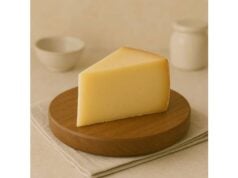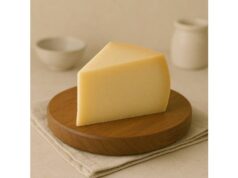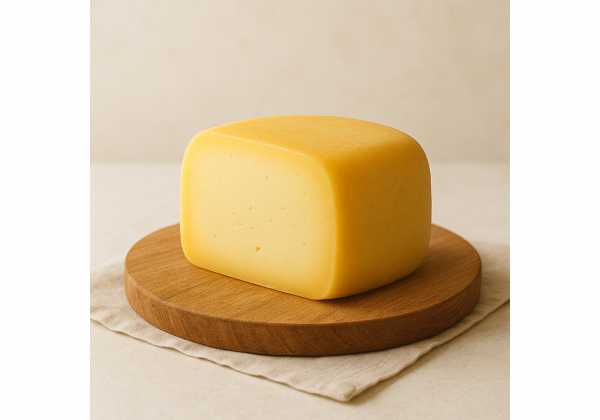
Kashkaval is a smooth, semi-hard yellow cheese cherished across the Balkans, Eastern Mediterranean, and parts of the Middle East. Traditionally made from sheep’s milk (with popular cow’s milk and mixed-milk versions today), it sits in the same family as pasta-filata cheeses like Caciocavallo and Provolone. That technique gives Kashkaval its elastic curd, dependable melt, and clean sliceability—equally at home on a mezze board, grated over baked dishes, or tucked into pastries and sandwiches. Nutritionally, Kashkaval delivers complete protein, bioavailable calcium, and fat-soluble vitamins in a compact serving. Compared with fresher cheeses, it’s lower in lactose and higher in savor; compared with very aged cheeses, it’s mellow rather than sharp. This guide walks you through what Kashkaval is, how it’s made, what a typical 100-gram portion provides, evidence-based health angles, and smart ways to buy, store, and cook it to keep flavor high and waste low. You’ll also find portion guidance, common substitutions, and answers to frequent questions so you can use Kashkaval confidently in everyday cooking.
Top Highlights
- Offers ~25–27 g complete protein and ~700–800 mg calcium per 100 g, supporting muscle and bone health.
- Aged and typically low in lactose (<1 g/100 g), often better tolerated than fresh milk.
- Stick to ~30 g (1 oz) per serving, enjoyed 3–5 times weekly within your calorie and sodium limits.
- Contains tyramine and histamine; people on MAOIs or with histamine intolerance should limit or avoid.
- Choose pasteurized versions during pregnancy; avoid unpasteurized unless cooked thoroughly.
Table of Contents
- Kashkaval Cheese: Detailed Overview
- Kashkaval Nutrition Profile (per 100 g)
- Evidence-Based Health Benefits of Kashkaval
- Risks, Allergies and Interactions
- Selecting, Quality, Sustainability and Storage
- Preparation, Cooking and Nutrient Retention
- Portions, Comparisons and FAQs
Kashkaval Cheese: Detailed Overview
What it is. Kashkaval is a semi-hard, straw-to-golden cheese with a supple, closed paste and a thin, natural or waxed rind. The name likely shares roots with “Caciocavallo.” In the Balkans you’ll see regional names—cașcaval (Romania), kaşkaval (Türkiye), kashkaval (Bulgaria, North Macedonia, Serbia). Traditional variants include:
- Sheep’s milk (often labeled “Balkan” or “ovče”): richer, more buttery, lingering finish.
- Cow’s milk (often labeled “Vitosha” or simply “cow”): milder, slightly lactic-sweet.
- Mixed milk: balance of aroma and melt.
How it’s made. Kashkaval is typically a pasta filata (stretched-curd) cheese: the curd is heated in hot whey or water and stretched before molding. This yields a fine, elastic protein network that melts evenly and browns attractively. It is then salted (dry-salted or brined) and aged from 2 to 12 months. Shorter aging keeps flavors buttery and youthful; longer aging deepens nuttiness and concentrates salt.
Flavor and texture. Expect a clean dairy aroma, gentle nuttiness, and a subtle peppery edge in sheep’s milk versions. The texture slices neatly when cool, grates readily when firm, and softens evenly when heated—ideal for stuffed breads, casseroles, and grilled dishes.
Culinary uses.
- Everyday cooking: grated over pasta or roasted vegetables; cubed into salads; layered in pies (burek, banitsa); in toasties and panini.
- High-heat techniques: sears and browns well on flat tops, pizza, and casseroles.
- Pairings: tomatoes, roasted peppers, olives, honey, stone fruit, crusty breads, lager beers, dry rosé, or young reds.
How it compares. Kashkaval sits between Provolone and young Kefalotyri in firmness and salt. It’s more melt-friendly than very hard grating cheeses (e.g., Grana Padano) and less sharp than long-aged Cheddar. Lactose content is generally low due to fermentation and aging.
Label cues. Look for pasteurization status, milk type, regional name, age statement, and whether colorings (e.g., annatto) were used. Pre-shredded products may include anti-caking agents; blocks are purer and often taste fuller.
Kashkaval Nutrition Profile (per 100 g)
Notes on values. Kashkaval varies by milk, region, and time aged. The tables below reflect typical semi-hard Kashkaval-style composition. %DV values use current U.S. Daily Values for adults and children ≥4 years.
Macros and Electrolytes (per 100 g)
| Nutrient | Amount | %DV |
|---|---|---|
| Energy | 380 kcal | — |
| Protein | 26.0 g | 52% |
| Total Fat | 31.0 g | 40% |
| Saturated Fat | 18.0 g | 90% |
| Carbohydrate (total) | 2.0 g | 1% |
| Total Sugars | 1.0 g | — |
| Dietary Fiber | 0 g | 0% |
| Sodium | 700 mg | 30% |
| Potassium | 90 mg | 2% |
| Water | ~37 g | — |
Fats and Fatty Acids
| Nutrient | Amount | %DV |
|---|---|---|
| Monounsaturated Fat | ~9.0 g | — |
| Polyunsaturated Fat | ~1.0 g | — |
| Trans Fat | ≤0.5 g (naturally occurring) | — |
| Cholesterol | ~95 mg | — |
Naturally occurring trans fats in ruminant dairy (vaccenic acid) differ from industrial TFAs; labeling DVs do not apply to cholesterol or trans fat.
Protein and Amino Acids
| Metric | Amount |
|---|---|
| Complete protein | 26.0 g |
| Notable AAs | Leucine ~2.4 g; Lysine ~2.2 g; Methionine ~0.8 g |
Vitamins
| Vitamin | Amount | %DV |
|---|---|---|
| Vitamin A (RAE) | 250 µg | 28% |
| Vitamin B2 (Riboflavin) | 0.3 mg | 23% |
| Vitamin B12 (Cobalamin) | 1.5 µg | 63% |
| Vitamin D | 0.5 µg (20 IU) | 3% |
| Vitamin K (as K1; K2 varies) | ~2–8 µg | 2–7% |
Vitamin K2 (menaquinones) occur in variable amounts in aged cheeses and may be higher in long-ripened, culture-rich wheels. Labels rarely list K2; composition depends on starter cultures and aging.
Minerals
| Mineral | Amount | %DV |
|---|---|---|
| Calcium | 750 mg | 58% |
| Phosphorus | 500 mg | 40% |
| Zinc | 3.0 mg | 27% |
| Iodine | 30 µg | 20% |
| Selenium | 20 µg | 36% |
| Magnesium | 25 mg | 6% |
Carbohydrates and Glycemic Metrics
| Metric | Value |
|---|---|
| Lactose | ~0.0–1.0 g |
| Starch | 0 g |
| Glycemic Index | Not applicable (very low carbohydrate) |
Allergens and Intolerance Markers
- Milk proteins: casein and whey are present (major allergens).
- Biogenic amines: tyramine, histamine can accumulate with aging.
- Lactose: typically low; individual tolerance varies.
Additives and Fortification
- Some producers color with annatto or paprika extract.
- Pre-shredded forms may include anti-caking agents (e.g., cellulose).
Values are representative of semi-hard Kashkaval-style cheese; check your brand’s Nutrition Facts panel for specifics.
Evidence-Based Health Benefits of Kashkaval
1) High-quality protein for muscle and satiety. With ~26 g complete protein per 100 g, Kashkaval supplies all essential amino acids, supporting muscle repair after activity and promoting fullness. A 30 g serving delivers ~8 g protein—useful in snacks where protein is often lacking.
2) Dense, bioavailable calcium and phosphorus for bone. Dairy calcium is well absorbed and paired with phosphorus—both vital for bone mineralization. For adults aiming at ~1,300 mg calcium DV, 30 g Kashkaval contributes ~17% DV, and 60 g approaches one-third of daily needs. Pair with vitamin D sources (eggs, fatty fish, sunlight, or fortified foods) to support absorption.
3) Fermented dairy patterns and cardiometabolic markers. Population research consistently links fermented dairy (including semi-hard cheeses) with neutral to favorable cardiometabolic profiles when eaten in moderate portions within balanced diets. Mechanisms proposed include calcium-mediated fat binding in the gut, bioactive peptides from fermentation that can affect blood pressure, and the food-matrix effect that modulates lipid handling compared with isolated saturated fat.
4) Vitamin B12 and iodine for energy metabolism and thyroid. Kashkaval provides meaningful B12—important for red blood cell formation—and iodine—a cofactor for thyroid hormone synthesis. In reduced-meat diets, modest cheese portions can help cover gaps.
5) Potential contribution of vitamin K2 (menaquinones). While specific K2 data vary by culture and aging, many hard and semi-hard cheeses contain menaquinones (especially MK-8 and MK-9). K2 participates in the activation of proteins involved in calcium handling (e.g., osteocalcin), suggesting a plausible bone-health contribution as part of overall dietary patterns.
6) Low lactose versus fresh dairy. Aging and fermentation reduce lactose to trace levels. People with lactose intolerance often tolerate aged cheeses better than milk or soft fresh cheeses—though individual responses differ.
7) Culinary benefits that support healthy patterns. Kashkaval melts evenly and carries flavor, so small amounts can create high satisfaction—an advantage if you’re managing calories or sodium. Think: 20–30 g finely grated over a tray of roasted vegetables or a whole-grain pita; you get vivid flavor with modest quantity.
How to put it to work.
- Add thin slices to a whole-grain sandwich with tomato and greens.
- Grate 20–30 g over steamed broccoli, beans, or lentil pasta.
- Cube 25 g into a salad with olives and roasted peppers for a balanced, higher-protein lunch.
- Use as a finishing cheese—a little goes a long way.
Risks, Allergies and Interactions
Milk allergy. Kashkaval contains casein and whey proteins—major allergens. Even tiny amounts can trigger reactions in sensitive individuals (hives, wheeze, anaphylaxis). If you have a diagnosed milk allergy, avoid Kashkaval and products prepared with it.
Lactose intolerance. Aged Kashkaval is typically very low in lactose, but not always zero. Start with ~10–15 g to assess tolerance. Consider pairing with other foods to slow gastric emptying.
Sodium load. Semi-hard cheeses commonly contain 600–800 mg sodium per 100 g. If you manage hypertension or fluid retention, keep portions small (20–30 g) and balance the rest of the meal with low-sodium foods (vegetables, beans, unsalted grains). Rinsing grated cheese is not effective; instead, reduce quantity and frequency.
Saturated fat. At ~18 g saturated fat per 100 g, portion control matters if your LDL cholesterol is elevated. Distribute cheese across meals rather than using large single servings; emphasize fiber-rich sides (beans, oats, fruit, vegetables) that can improve lipid profiles.
Biogenic amines (tyramine, histamine). Aged cheeses can contain tyramine, which can interact with monoamine oxidase inhibitor (MAOI) medications. If you take an MAOI, avoid or strictly limit aged cheeses unless your clinician advises otherwise. Histamine intolerance may also cause flushing, headache, or hives.
Pregnancy and immune compromise. Choose pasteurized Kashkaval and avoid unpasteurized versions unless heated thoroughly (piping hot) in cooked dishes. Proper pasteurization and good hygiene practices help reduce the risk of Listeria and other pathogens.
Infants and young children. For children under one year, avoid unpasteurized cheeses and those high in salt; after one year, offer small portions of pasteurized cheese alongside fruit, vegetables, or whole grains to balance salt.
Food safety at home.
- Keep cold at ≤4 °C / 40 °F; minimize time at room temperature.
- Use clean knives and boards; rewrap tightly to reduce moisture loss and odor transfer.
- If surface mold appears on a firm, unshredded block, trim at least 2.5 cm (1 inch) around and below the spot; discard heavily contaminated or pre-shredded products.
Who should limit or avoid?
- People with milk allergy, MAOI therapy, histamine intolerance, or uncontrolled hypertension.
- During pregnancy or if immunocompromised, stick to pasteurized cheese and use prudent portions.
Selecting, Quality, Sustainability and Storage
What to look for at purchase.
- Pasteurization status: choose pasteurized unless you seek traditional raw-milk flavor and understand the risks.
- Milk type: sheep (richer), cow (milder), or mixed; match to your recipe.
- Age statement: “young” (2–4 months) for melting and mild flavor; “aged” (6–12 months) for sharper taste and grating.
- Rind and packaging: natural/waxed rinds indicate wheel-matured cheese; vacuum-packed blocks are commonplace and convenient. Avoid cracked wax, bloating, or weepy packages.
Flavor and quality cues.
- Aroma: clean buttery or nutty; avoid sharp ammonia or rancid notes.
- Paste: uniform straw-yellow; minimal mechanical openings; no slimy surface unless freshly cut.
- Slice/grate test: should cut cleanly when cold and grate without crumbling.
Sustainability angles.
- Local and regional producers can reduce transport emissions and often provide better transparency on animal welfare.
- Sheep’s milk cheeses sometimes come from extensive grazing systems that support rural economies; practices vary—look for credible certifications or producer detail.
- Packaging: choose larger blocks to reduce plastic per serving; rewrap in breathable paper plus a loose layer of foil or compostable wrap.
Storage and shelf life.
- Unopened block: follow date; typically 1–2 months refrigerated.
- After opening: 2–3 weeks tightly wrapped at ≤4 °C / 40 °F.
- Freezing: possible for cooking use (texture becomes crumbly). Freeze ≤2 months in well-wrapped pieces; thaw under refrigeration and use melted or in cooked dishes.
- Cheese drawer zone: stable temperature and humidity minimize drying and cracking.
Handling tips to reduce waste.
- Portion into 100–150 g pieces and wrap separately so you only open what you’ll use in a week.
- If edges dry, grate and save for baked dishes; if the flavor concentrates, use as a grating cheese rather than table slices.
- Keep a “ends jar”: mix small trimmings with olive oil and herbs for instant pasta topping.
Preparation, Cooking and Nutrient Retention
How heat affects nutrients.
- Protein remains complete after typical cooking; browning forms flavorful peptides.
- Calcium and phosphorus are stable under kitchen temperatures.
- B vitamins (e.g., riboflavin, B12) are somewhat heat-labile; retention is higher with quick melts than prolonged high heat.
- Fat-soluble vitamins (A, D, K) tolerate moderate oven or pan heat.
Best techniques for flavor and retention.
- Quick melt finishing. Add grated Kashkaval in the final 2–3 minutes of baking or under a broiler for a golden top without overcooking.
- Gentle pan-melt. For toasties, cook over medium-low heat with a lid to trap steam; the interior melts before the exterior scorches.
- Layering in pies or pastries. Distribute thin slices so each layer needs less total cheese for full coverage.
- Shaving and tossing. Shave 10–20 g over hot vegetables or grains; residual heat softens the cheese without direct flame.
- Breading and searing. Chill slices first for clean edges; a light breadcrumb crust browns while protecting the interior.
Salt-smart and calorie-aware swaps.
- Combine half Kashkaval + half fresh cheese (e.g., ricotta) in fillings to reduce sodium while keeping creaminess.
- Use umami partners (roasted mushrooms, anchovy, miso-glazed vegetables) to enhance savor so you can use less cheese.
Food safety in cooking.
- Heat to steaming hot if using raw-milk cheese in cooked dishes.
- Do not keep melted dishes in the danger zone (5–60 °C / 41–140 °F) for more than 2 hours; refrigerate leftovers promptly.
Pairings that add nutrition.
- Fiber: whole-grain breads, bulgur, barley, beans, lentils.
- Colorful produce: tomatoes, peppers, leafy greens, roasted squash.
- Acid and freshness: lemon, pickled peppers, crunchy cucumbers—balance richness and help portion control.
Portions, Comparisons and FAQs
Recommended serving. Aim for ~30 g (1 oz) per serving—about 2 thin slices, a small matchbox-size block, or a loosely packed ¼ cup grated. Enjoy 3–5 times weekly if it fits your energy, sodium, and saturated fat goals.
How Kashkaval compares to similar cheeses.
- Provolone: closest cousin in texture and melt; Provolone can be smokier when “affumicato.” Nutritionally comparable.
- Kefalotyri / Kasseri: typically saltier and firmer; great for grating or pan-searing (saganaki).
- Caciocavallo: often aged longer, developing deeper caramelized notes.
- Cheddar (young): crumblier, sharper; Kashkaval melts more elastically and tastes milder.
Substitutions. If a recipe calls for Kashkaval, you can substitute Provolone, Caciocavallo, or a mild Asiago for similar melt and flavor.
Is it lactose-free? Not strictly. Many Kashkaval wheels test under 1 g lactose per 100 g, but results vary. If you’re highly sensitive, start with 10–15 g and assess.
Is Kashkaval good for weight management? It’s energy-dense, but flavor-dense too. Use small, well-placed amounts (20–30 g) to bring satisfaction to high-volume, lower-calorie meals (vegetables, soups, grain bowls).
Can I eat Kashkaval if I have high cholesterol? You can include modest portions within a diet rich in fiber (oats, legumes, fruit, vegetables) and unsaturated fats (olive oil, nuts, fish). If your LDL is high, emphasize smaller servings and less-aged cheese, and discuss targets with your clinician or dietitian.
What about kids? From age one onward, pasteurized Kashkaval can be offered in small pieces alongside fruit and vegetables. Avoid large salted portions; toddlers have low sodium limits.
How long does it last in the fridge? An opened block keeps 2–3 weeks tightly wrapped and refrigerated; quality is best in the first 10–14 days. If mold appears on a firm block, trim generously; discard if the texture turns slimy or sour throughout.
Why does some Kashkaval look brighter yellow? Some producers use annatto or paprika extract for color; others rely on milk carotenoids (seasonal diet of the animals). Color is not a reliable quality indicator.
Does Kashkaval contain vitamin K2? Many aged cheeses contain menaquinones (K2) in varying amounts depending on cultures and aging. Kashkaval likely contains some K2, but values vary and are rarely labeled.
Best budget tip. Buy blocks rather than pre-shredded. Grate what you need and freeze the rest for cooking; texture changes are fine in baked dishes.
References
- FoodData Central 2024
- Electronic Code of Federal Regulations 2024
- Fermented dairy foods rich in probiotics and cardiometabolic risk factors: a narrative review from prospective cohort studies 2021 (Narrative Review)
- Dietary vitamin K: the case for supplementation beyond current guidelines? 2022 (Review)
- Monoamine oxidase inhibitors (MAOIs) 2023 (Guidance)
Disclaimer
This article provides general nutrition and food-safety information about Kashkaval cheese and is not a substitute for individualized medical advice, diagnosis, or treatment. Dietary needs and health risks vary. If you have a medical condition (e.g., cardiovascular disease, hypertension, food allergies, MAOI therapy, pregnancy, or immune compromise), consult a qualified healthcare professional or registered dietitian about your specific situation. Product labels and local regulations may differ; always follow your clinician’s guidance and the instructions on the foods you purchase.
If you found this guide helpful, please consider sharing it with friends and colleagues on Facebook, X (formerly Twitter), or any platform you prefer. Your support helps us continue creating clear, trustworthy nutrition resources.