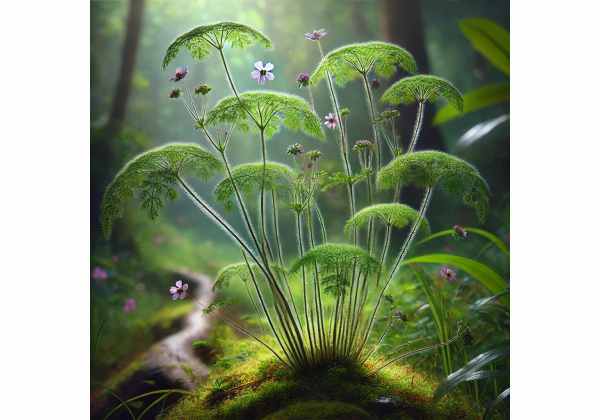
Kenikir, the Indonesian name for Cosmos caudatus, is a leafy edible herb that sits at an interesting intersection between food and medicine. In Indonesia it often appears in fresh vegetable platters and traditional dishes, while in Malaysia it is widely known as ulam raja, or “king’s salad.” Its leaves are prized for their bright, slightly resinous taste, but also for their concentration of polyphenols, flavonoids, vitamin C, carotenoids, and minerals.
What makes kenikir especially appealing is that it does not fit the usual herbal pattern of being taken only as a pill, tea, or extract. It is commonly eaten as a vegetable, which means its health value may come as much from regular dietary use as from concentrated supplementation. Early research suggests potential benefits for antioxidant defense, glucose handling, mood, cognition, and bone health. At the same time, the strongest claims still outrun the evidence. Kenikir looks promising, but it is best understood as a nutrient-rich functional herb with emerging medicinal potential, not as a proven stand-alone treatment for chronic disease.
Quick Overview
- Kenikir may help support antioxidant defenses and reduce oxidative stress markers.
- Small human studies suggest potential support for insulin sensitivity, mood, and cognitive function.
- Research has used about 15 g fresh leaves daily or 250 mg capsules twice daily, depending on the preparation.
- People with Asteraceae allergy, pregnancy concerns, or glucose-lowering medication use should avoid concentrated extracts without guidance.
Table of Contents
- What Kenikir Is
- Key Kenikir Ingredients
- What Kenikir May Help
- How to Use Kenikir
- How Much Kenikir per Day
- Kenikir Safety and Interactions
- What the Evidence Shows
What Kenikir Is
Kenikir is an annual leafy plant in the daisy family, Asteraceae, and is known botanically as Cosmos caudatus. It grows well in warm climates and is especially familiar across Indonesia, Malaysia, and other parts of Southeast Asia. Unlike many herbs that enter daily life through tinctures or capsules, kenikir is first and foremost a food plant. The tender leaves and shoots are eaten fresh, lightly blanched, or mixed into sambal, rice dishes, salads, and regional vegetable platters.
That food-first identity is one of the most important things to understand about kenikir. It helps explain why people often describe it as both a vegetable and a medicinal herb. In traditional use, it has been associated with general vitality, circulation, healthy aging, bone strength, and relief from inflammatory stress. Modern research has tried to translate those traditional ideas into measurable mechanisms such as antioxidant activity, enzyme inhibition, anti-inflammatory signaling, and metabolic support.
Kenikir is also known by different local names, which can cause confusion in online searches. Malaysian readers may know it as ulam raja, while Indonesian readers commonly call it kenikir. The plant name stays the same, but the cultural use may vary slightly. In some homes it is a daily leafy herb used like a fresh condiment. In others it is treated more intentionally as a functional food.
A practical way to think about kenikir is to place it in the “edible medicinal herb” category. That means it is not just a seasoning, but it is also not yet a highly standardized medical botanical. It behaves more like a nutrient-dense traditional leaf with targeted research interest. This makes it similar in spirit to culinary herbs that are valued both for food use and traditional wellness support, though kenikir has a more distinct research profile around antioxidant and metabolic activity.
Its leaves are typically the most used part. Fresh consumption remains important because taste, aroma, and texture are part of the herb’s identity, but extracts and powders have become more common in research settings. That shift from kitchen herb to supplement ingredient is where many misunderstandings begin. Eating kenikir as part of a meal is not the same as taking a concentrated extract designed for a trial.
In simple terms, kenikir is best seen as a traditional edible herb with promising bioactive chemistry, modest but real early human data, and much stronger evidence as a food than as a fully proven medicinal supplement.
Key Kenikir Ingredients
Kenikir’s health interest comes largely from its polyphenol and flavonoid content. Among the compounds most often discussed are quercetin, quercitrin, rutin, catechin, chlorogenic acid, and other phenolic derivatives. These compounds are associated with antioxidant effects, modulation of inflammatory signaling, and possible support for vascular, metabolic, and cellular health.
One of the most important marker compounds in kenikir is quercitrin, a quercetin glycoside that appears repeatedly in phytochemical studies. Quercitrin matters because it helps explain why kenikir is often described as a strong antioxidant herb. It has also been linked in experimental work with antimicrobial and tissue-protective activity. Quercetin, a related flavonoid, adds to this profile and is one reason kenikir gets attention in cognition, skin, and metabolic research.
Beyond flavonoids, kenikir contains:
- Vitamin C, which supports antioxidant recycling and collagen-related functions
- Carotenoids, which may contribute to antioxidant and eye-related benefits
- Minerals, including calcium, potassium, magnesium, and iron in varying amounts
- Phenolic acids, which may contribute to the plant’s bitter-green medicinal taste and redox activity
- Fiber, especially when eaten as a whole food rather than taken as an extract
The chemistry of kenikir also changes with preparation. Fresh leaves, dried powders, ethanolic extracts, and laboratory fractions are not chemically identical. Some extraction methods concentrate quercitrin and total phenolics more effectively than others, which means a capsule used in a study may behave differently from a handful of raw leaves served with a meal.
This point matters because many herbal readers assume that plant name alone tells the whole story. With kenikir, the form changes the likely effect. A fresh serving emphasizes food value, fiber, and a broad nutrient pattern. A concentrated extract emphasizes phenolics and flavonoids. That is why stronger health claims usually come from extract studies, while safer daily use usually comes from culinary practice.
Kenikir is often grouped with other antioxidant-rich greens, but its chemistry is more distinctive than a generic leafy vegetable. Compared with better-known polyphenol-rich plant foods, kenikir is less standardized and less widely studied, yet it shows a similar research logic: interest begins with flavonoids, antioxidant behavior, and enzyme-related effects, then expands into metabolic and tissue-level questions.
The most practical translation of kenikir chemistry is this:
- The plant is rich in polyphenols.
- Quercitrin and related flavonoids are central to its identity.
- Whole-leaf use gives a broader nutritional effect.
- Extract use may give a stronger but less predictable physiological effect.
These ingredients explain why kenikir is being explored for glucose handling, oxidative stress, skin aging pathways, and bone metabolism. They do not prove all those benefits in humans, but they do make the herb scientifically plausible in a way that many lesser-known edible plants are not.
What Kenikir May Help
Kenikir may help in several overlapping areas, but the realistic benefits are narrower than promotional summaries often suggest. The strongest current case is for antioxidant support and modest metabolic benefit, with additional early signals in cognition, mood, and bone health.
The most grounded benefit area is oxidative stress support. Kenikir has repeatedly shown high antioxidant activity in laboratory work, and this has practical relevance because oxidative stress is linked with aging, metabolic dysfunction, and inflammatory tissue damage. That does not mean kenikir is a cure for oxidative stress, but it does support its role as a protective plant food rather than a neutral leafy garnish.
A second promising area is glucose handling and insulin sensitivity. In one human trial, regular consumption of fresh Cosmos caudatus improved markers related to insulin resistance and insulin sensitivity in adults with type 2 diabetes. The effect was not dramatic enough to make kenikir a replacement for standard care, but it suggests the herb may be useful as a supportive dietary addition. For readers interested in botanicals used around post-meal glucose control, other traditional plants used for glycemic support can help put kenikir in context. Kenikir appears gentler and more food-based, but also less extensively studied.
A third area is cognition and mood. A small placebo-controlled trial in older adults with mild cognitive impairment found improvements in global cognition, tension, mood disturbance, and oxidative stress markers after 12 weeks of supplementation. This is one of the most interesting human findings on kenikir, but it is still preliminary. It points to possible neuroprotective potential rather than proving a reliable treatment for memory decline.
A fourth area is bone support. Traditional use has long linked kenikir with stronger bones, and animal studies have explored this seriously. The proposed mechanism is not simply mineral content. Researchers also suspect that antioxidant and flavonoid actions may protect bone remodeling under stress. That said, human evidence remains too limited to present kenikir as a proven bone remedy.
There are also early data for:
- anti-inflammatory effects
- antimicrobial activity
- enzyme inhibition relevant to carbohydrate digestion
- skin-aging related pathways in cell studies
These areas are scientifically interesting, but they are further away from everyday clinical use.
The best way to summarize kenikir’s benefits is to separate likely, possible, and speculative effects.
Likely:
- antioxidant support as a whole food
- contribution to a polyphenol-rich diet
Possible:
- support for insulin sensitivity
- modest mood and cognition benefits
- support for bone metabolism
Speculative:
- meaningful anti-aging, antimicrobial, or disease-modifying effects in humans
Kenikir seems most useful when it is treated as a functional edible herb that may gently improve health patterns over time. It is much less convincing when marketed as a strong medicinal fix.
How to Use Kenikir
Kenikir is one of those herbs that makes the most sense when it stays close to food. The leaves and tender shoots can be eaten raw, lightly steamed, blanched, or mixed into traditional dishes. This food-based use is probably the safest and most culturally grounded way to benefit from the plant.
Fresh kenikir is often paired with rice, chili sauces, coconut-based dishes, tofu, tempeh, or simple vegetable platters. Its flavor is green, aromatic, and slightly sharp, so it usually works best as part of a meal rather than in large quantities on its own. Light blanching can soften the texture and mellow the taste without erasing the herb’s identity.
Common practical forms include:
- Fresh leaves in salads or traditional vegetable plates
- Lightly blanched leaves served with sambal or rice dishes
- Dried powder added to smoothies or functional food blends
- Capsules or extract products used in research or supplement settings
For most readers, a food-first approach is the best place to begin. That means using kenikir regularly in modest culinary amounts rather than jumping straight to extracts. Fresh use offers several advantages:
- The dose is naturally moderate.
- The herb is taken alongside food.
- Whole-leaf fiber and micronutrients remain part of the experience.
- The risk of overconcentrating the active compounds is lower.
This is an important distinction. A raw or lightly cooked leafy herb behaves differently from a concentrated extract. Once the plant is extracted, the relationship between benefit and dose becomes less intuitive. That is not automatically unsafe, but it does move kenikir out of the simple-food category.
For readers who enjoy edible herbs with both culinary and wellness value, kenikir can fit into the same broad routine as other nutrient-dense leafy herbs used beyond garnish. The difference is that kenikir has a more specific traditional identity and a more unusual research profile, especially around antioxidant and metabolic outcomes.
A few practical tips improve its use:
- Start with small servings if the taste is unfamiliar.
- Wash fresh leaves thoroughly.
- Use it as part of a meal, not as a stand-alone “detox” food.
- Choose reputable supplement brands if using capsules.
- Prefer products that clearly identify Cosmos caudatus rather than vague “herbal greens.”
One of the more helpful ways to think about kenikir is not as a supplement that happens to be edible, but as an edible herb that may offer supplemental value. That shift in mindset tends to lead to better choices: more food, less hype, and lower risk of using an emerging herb too aggressively before the evidence is ready.
How Much Kenikir per Day
There is no single standardized daily dose for kenikir, and that is one of the clearest signs that it is still an emerging herbal ingredient rather than a fully standardized supplement. The best dose depends on the form: fresh leaf, dried powder, or extract capsule.
For culinary use, a modest serving is the most practical approach. Human research has used 15 g of fresh Cosmos caudatus daily for 8 weeks in adults with type 2 diabetes. That is a useful reference point because it reflects the food form of the plant rather than a concentrated laboratory extract. Fifteen grams of fresh leaves is not a huge amount. It is closer to a purposeful serving of a leafy herb than a therapeutic megadose.
For supplement use, one controlled trial in older adults with mild cognitive impairment used 250 mg capsules twice daily for 12 weeks. Even here, caution is needed. A 250 mg capsule of a studied preparation does not automatically equal any commercial 250 mg kenikir capsule on the market. Standardization, extraction method, and raw material quality all matter.
A practical dose framework looks like this:
- Fresh leaves: around 5 to 15 g per day as a food-based serving
- Supplement form: around 250 mg twice daily only when using a product intended to match study-style dosing
- Duration in studies: 8 to 12 weeks, not indefinite long-term self-use
This leads to a useful rule: kenikir dose should be matched to the goal.
If the goal is general wellness:
- use it as a food several times per week or in small daily amounts
If the goal is metabolic or cognitive support:
- rely on a clinician-guided or well-labeled supplement approach rather than guessing
If the goal is to test tolerance:
- start at the low end and give the body time to respond
What not to do is just as important:
- Do not combine several kenikir products at once.
- Do not assume dried powder and fresh leaves are interchangeable gram for gram.
- Do not keep increasing the dose simply because it is a vegetable herb.
- Do not treat a promising study dose as proof that higher doses work better.
Unlike well-established nutrient supplements, kenikir still has too much variability for casual escalation. That is why the food form often makes more sense than the extract form. The food gives you a defined plant experience. The supplement gives you a more concentrated and less intuitive one.
In practice, kenikir works best when the dose remains modest, consistent, and realistic. The research doses are helpful guideposts, but they are not a license to improvise large intakes. For most people, regular culinary use is the better long-term strategy, while concentrated supplement use belongs in a more cautious and time-limited category.
Kenikir Safety and Interactions
As a food, kenikir appears reasonably well tolerated. As a concentrated extract, its safety is less certain because long-term human data are limited. This is the main safety distinction that readers should keep in mind. Eating a traditional serving of leaves with a meal is not the same as taking a daily concentrated capsule for months.
The most likely minor side effects with larger food servings or supplements are:
- stomach discomfort
- bloating
- loose stools
- dislike of the strong herbal taste
- mild irritation in people sensitive to bitter greens
A more relevant concern is interaction with glucose-lowering care. Because kenikir may improve insulin sensitivity or influence post-meal glucose handling, people who take diabetes medication should not assume it is metabolically neutral. The risk is not proven to be large, but it is sensible to monitor closely if adding kenikir extract to an existing diabetes plan.
People who should use extra caution include:
- those taking glucose-lowering medication
- pregnant or breastfeeding people
- people with strong plant allergies, especially within the Asteraceae family
- children using concentrated supplements
- anyone with multiple chronic conditions who wants to use kenikir medicinally rather than as food
There is also the quality issue. Kenikir is not a globally standardized herb, which means supplement quality may vary significantly. Labels may not state extraction method, plant part, or marker compound content. This uncertainty matters because many of the interesting effects in research depend on flavonoid-rich preparations, not just generic dried leaf.
For safer use, the best approach is straightforward:
- Prefer fresh food use over concentrated extracts.
- Choose products that clearly identify Cosmos caudatus.
- Start with modest intake.
- Watch for digestive or glycemic changes.
- Stop if symptoms worsen or new reactions appear.
It is also worth remembering that “natural” does not mean “well studied.” Kenikir is a good example of an herb that may be very safe in traditional food use while still being underdefined as a supplement. That is not a reason to avoid it completely. It is a reason to stay proportionate.
One of the most useful safety insights is that kenikir probably belongs in the same category as many traditional leafy herbs: excellent as a food, promising as an extract, but not yet proven enough for casual therapeutic self-experimentation. Readers often make the mistake of moving too quickly from “people have eaten this for a long time” to “therefore the capsule form must be harmless.” Those are not the same conclusion.
Used in meals, kenikir is likely a low-risk herb for most healthy adults. Used in concentrated form for blood sugar, cognition, or anti-aging aims, it deserves a more careful and informed approach.
What the Evidence Shows
The evidence for kenikir is promising but uneven. That is the fairest summary. The plant has a respectable traditional background, good phytochemical plausibility, several interesting animal and cell studies, and a small amount of human trial data. What it does not yet have is a large, mature clinical evidence base.
The best human evidence comes from two areas.
First, there is a randomized controlled trial in adults with type 2 diabetes showing that 15 g of fresh kenikir daily for 8 weeks improved insulin resistance and insulin sensitivity markers. This is one of the most clinically relevant findings because it uses a food-based dose and a meaningful patient population. Still, it was short term and not designed to settle every diabetes-related question.
Second, there is a placebo-controlled trial in older adults with mild cognitive impairment showing that 250 mg twice daily for 12 weeks potentially improved global cognition, tension, mood disturbance, and oxidative stress markers. This is notable because it moves kenikir beyond the usual antioxidant or glucose discussion. But it is still a small early study, not definitive proof of neuroprotection.
Outside those human findings, much of the evidence comes from:
- antioxidant assays
- enzyme inhibition models
- antimicrobial studies
- bone and oxidative stress animal work
- cell-level anti-aging or collagen-related research
These studies are useful for understanding mechanisms, but they do not automatically translate into real-world medical benefit. This is where many herbal summaries go too far. They list every positive lab result as if it were already a clinical outcome. Kenikir does not deserve that kind of inflation.
The current evidence supports several careful conclusions:
- kenikir is rich in relevant bioactive compounds
- it may have useful metabolic and antioxidant effects in humans
- it may support mood and cognition in specific settings
- it shows interesting bone and skin-related potential in preclinical work
- the research is still too small and too varied for broad medical claims
This matters because kenikir is easy to overmarket. It is an edible herb, it has appealing lab data, and it comes from a respected traditional food culture. That combination can make it sound more proven than it is.
A better conclusion is more useful: kenikir looks strongest as a functional edible herb with emerging clinical relevance. It may help certain health patterns, especially oxidative stress and metabolic function, but the evidence is not yet robust enough to treat it like a mainstream therapeutic botanical. The readers who benefit most from kenikir will likely be those who use it consistently, modestly, and as part of a high-quality diet, not those who expect it to act like a fast pharmaceutical substitute.
References
- Potential medicinal benefits of Cosmos caudatus (Ulam Raja): A scoping review 2015 (Scoping Review)
- Eight Weeks of Cosmos caudatus (Ulam Raja) Supplementation Improves Glycemic Status in Patients with Type 2 Diabetes: A Randomized Controlled Trial 2015 (RCT)
- Effects of 12 Weeks Cosmos caudatus Supplement among Older Adults with Mild Cognitive Impairment: A Randomized, Double-Blind and Placebo-Controlled Trial 2021 (RCT)
- Enhancing recovery of bioactive compounds from Cosmos caudatus leaves via ultrasonic extraction 2021
- Development on potential skin anti-aging agents of Cosmos caudatus Kunth via inhibition of collagenase, MMP-1 and MMP-3 activities 2023
Disclaimer
This article is for educational purposes only and is not medical advice. Kenikir is a traditional edible herb with promising research, but it is not a proven replacement for treatment of diabetes, cognitive decline, osteoporosis, or any other medical condition. People who are pregnant, breastfeeding, using glucose-lowering medication, or managing chronic illness should speak with a qualified healthcare professional before using concentrated kenikir supplements or extracts.
If you found this article useful, please share it on Facebook, X, or any platform you prefer.