Knapweed is not one single herb with one single story. The name can refer to several Centaurea species, but two that often come up are black knapweed (Centaurea nigra) and spotted knapweed (Centaurea stoebe). They share a botanical family and some overlapping chemistry, yet they are not interchangeable in practice. Black knapweed has a longer folk-medicine and edible-flower reputation, while spotted knapweed is studied more often for its ecology and root chemistry than for direct human use.
That difference matters. If you are looking for health benefits, the most realistic ones come from antioxidant-rich plant compounds, limited traditional topical use, and possible mild bitter or digestive effects. At the same time, the research is much thinner than the hype that sometimes surrounds wild herbs. There is no well-established clinical dose, and safety depends heavily on correct identification, clean sourcing, and modest expectations.
The best way to approach knapweed is as a cautiously explored traditional plant, not a proven treatment for disease.
Essential Insights
- Black knapweed appears more relevant than spotted knapweed for food-style or folk-herbal use.
- The strongest plausible benefit is antioxidant support from polyphenols and flavonoids, not a proven disease-specific effect.
- A cautious trial range is about 1 to 2 g dried aerial parts in 200 to 250 mL hot water, once daily at first.
- Avoid medicinal use if you are pregnant, breastfeeding, highly allergy-prone to Asteraceae plants, or unsure of the species.
Table of Contents
- What is knapweed exactly
- Knapweed compounds and medicinal traits
- What can knapweed help with
- Best ways to use knapweed
- How much knapweed per day
- Knapweed safety and interactions
- What the research really shows
What is knapweed exactly
“Knapweed” is a common-name shortcut, and that shortcut can mislead people. In herbal writing, common names often hide major differences between species, plant parts, and traditional uses. With knapweed, that problem is especially important because Centaurea nigra and Centaurea stoebe overlap in family traits but diverge in practical relevance.
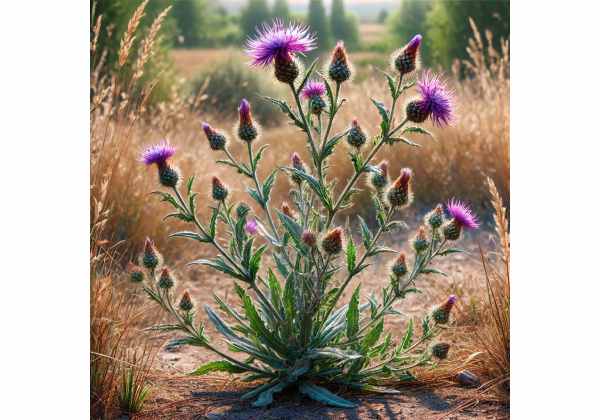
Black knapweed, Centaurea nigra, is a purple-flowered perennial in the daisy family. In older folk traditions, it was used for minor mouth, throat, and skin complaints, and its petals have sometimes been treated as an edible wildflower ingredient. It is the species most likely to appear in discussions of wound-healing lore, gentle astringency, and flower-based extracts.
Spotted knapweed, Centaurea stoebe, is better known as an aggressive field weed in parts of Europe and North America. It is scientifically interesting because of chemicals in its roots, especially catechin-related compounds, but that does not automatically make it a useful or appropriate everyday medicinal herb. In fact, one of the clearest modern lessons about spotted knapweed is that plant chemistry can matter ecologically without translating into a safe home remedy.
This is the first practical point a careful reader should remember: not every knapweed is a kitchen herb, and not every knapweed is a medicine.
The plant parts matter too:
- Flowers and petals are the parts most often discussed for black knapweed’s traditional or food-style use.
- Aerial parts may be used in simple infusions or washes in folk practice.
- Seeds and roots contain different compounds and should not be assumed to behave like the flowers.
- Root chemistry in spotted knapweed is one of the main reasons that species gets attention in laboratory work.
Another important distinction is intention. People often search for “knapweed benefits” expecting a plant with the evidence base of chamomile, peppermint, or ginger. That is not what knapweed is. This is a niche herb with scattered traditional use, species-specific chemistry, and limited direct human data. It sits closer to the edge of herbal practice than to the center.
That does not make it worthless. It means it should be handled with more care. If your main goal is a mild wildflower tea or a traditionally styled topical preparation, black knapweed is the species that makes more sense to discuss. If your main goal is a strong, well-studied medicinal herb, knapweed is usually not the best first choice.
Knapweed compounds and medicinal traits
The medicinal interest in knapweed comes from a mixed chemical profile rather than one famous “active ingredient.” That is both a strength and a limitation. It means the plant may have layered effects, but it also means the exact result depends on species, plant part, harvest timing, and extraction method.
In black knapweed flowers, the most relevant compounds appear to be polyphenols and flavonoids. These are the broad plant chemicals most often linked to antioxidant activity. In practical terms, they are the reason flower extracts may help neutralize free radicals in laboratory assays. That does not prove a clinical effect in humans, but it does explain why the flowers attract interest in food, cosmetic, and herbal research.
Black knapweed flowers also contain reducing sugars and free amino acids. These are not usually the headline ingredients in an herbal article, yet they help explain why a flower preparation is more than color and taste alone. They contribute to the plant’s nutritional and functional profile and may partly shape how the extract behaves in antioxidant testing.
Across the broader Centaurea genus, several classes of compounds come up repeatedly:
- Flavonoids
- Phenolic acids
- Sesquiterpene lactones
- Lignans
- Alkaloid-like constituents in some species
- Serotonin conjugates in certain seeds
For black knapweed specifically, seeds have yielded serotonin-related conjugates and lignan-type compounds in earlier phytochemical work. This is a reminder that seeds and flowers should not be treated as identical raw materials. A flower infusion and a seed extract are not doing the same chemical job.
Spotted knapweed adds another layer. Its roots have been studied for catechin, a polyphenolic compound that has drawn major interest in plant-to-plant and plant-to-soil interactions. This is where an original but important insight helps: the presence of a notable compound does not automatically equal a health benefit for the person drinking the herb. In spotted knapweed, catechin is scientifically interesting largely because of ecological behavior, not because it has established oral therapeutic use in humans.
One more trait deserves attention: bitterness. Many Centaurea species contain bitter constituents, including sesquiterpene lactones, and bitterness often overlaps with traditional digestive use. That does not mean every bitter plant is a digestive tonic of equal value. It means the herb may plausibly stimulate taste receptors and digestive secretions, which is one reason folk medicine sometimes used knapweed before meals or in small infusions.
Taken together, knapweed’s medicinal profile can be summarized as follows: antioxidant-rich flowers, species-dependent bitter compounds, selective seed and root constituents, and a chemistry that is more promising in the lab than proven in the clinic. That is a useful place to start, because it keeps the conversation realistic.
What can knapweed help with
The strongest answer is not “everything.” It is a narrower list with varying levels of confidence.
The most plausible benefit is antioxidant support. Black knapweed flowers have demonstrated measurable phenolic, flavonoid, and radical-scavenging activity in lab-based work. From a practical standpoint, that suggests the flowers may contribute antioxidant compounds when used in a food-like or simple extract form. It does not mean they prevent chronic disease, reverse inflammation, or outperform established medicinal herbs. It simply means they contain bioactives worth noticing.
A second plausible area is mild topical support. Traditional use has linked knapweed, especially black knapweed, with wound washing, gum irritation, and throat discomfort. The logic here is reasonable: flower and aerial-part preparations can combine mild astringent, antioxidant, and antimicrobial tendencies. Still, there is a major difference between a folk rinse for minor irritation and a true medical treatment. Knapweed should never replace proper wound care, and it is not suitable for sterile uses such as eye treatment.
A third possible use is gentle digestive support. Because knapweed belongs to a bitter and chemically active genus, small pre-meal infusions may promote saliva, appetite, and digestive readiness in some people. This is the sort of benefit that feels subtle rather than dramatic. Someone with occasional heaviness after meals might notice more than someone expecting a fast pharmaceutical effect. If digestive-bitter support is your main goal, a better-studied option such as artichoke’s digestive and bile-support profile is usually easier to dose and evaluate.
What knapweed probably does not deserve is broad disease language. Claims about major anti-inflammatory, antidiabetic, anticancer, or antimicrobial effects usually come from cell studies, extract screening, or other Centaurea species. That kind of evidence is useful for hypothesis-building, but it is far from a green light for self-treatment.
A realistic ranking of likely benefits looks like this:
- Antioxidant contribution from flower compounds
- Traditional mild topical use for minor irritation
- Possible gentle bitter support for appetite or digestion
- Culinary value as a wild or ornamental edible flower in selected species
The gap between black knapweed and spotted knapweed matters again here. Black knapweed fits the first three categories better. Spotted knapweed is more of a chemistry story than a folk-kitchen story. It is the wrong species to romanticize as a simple healing tea just because it is common in open land.
In plain language, knapweed may be useful as a modest traditional herb, but it is not a proven high-impact remedy. Its best benefits are likely small, supportive, and context-dependent.
Best ways to use knapweed
If you choose to use knapweed, the safest and most sensible approach is to keep the preparation simple. This is not the kind of herb that benefits from aggressive experimenting with strong homemade extracts.
The most practical forms are these:
Simple infusion
A mild infusion made from dried black knapweed aerial parts or petals is the closest thing to a traditional, low-intensity use. It works best when your goal is gentle tasting, light digestive bitterness, or a cautious trial of the flower’s antioxidant-rich profile.
This kind of preparation suits people who want a food-adjacent herb rather than a concentrated remedy. It also makes it easier to test tolerance because the dose is lower and the chemistry is less compressed than in a tincture or extract.
Topical rinse or wash
A strained infusion can be used externally for minor skin cleansing or as a traditional mouth rinse for non-serious irritation. The key words are strained and external. Any plant wash should be freshly made, used promptly, and applied only to minor concerns. It should not be stored for days, used on deep wounds, or used in the eyes.
Culinary flower use
Black knapweed petals can sometimes be used the way other edible flowers are used: scattered sparingly over salads, soft cheeses, or grain dishes for color and gentle bitterness. This is often the best way to think about knapweed if your interest is wellness rather than herbal therapeutics. You get flavor, color, and some bioactive plant compounds without pretending the plant is a drug.
What to avoid
Avoid home-concentrated alcohol extracts unless you have a clear reason and strong identification skills. Also avoid foraged material from roadsides, sprayed meadows, industrial edges, or invasive-weed control sites. That warning matters more than people think. A clean plant matters as much as the right plant.
A good use checklist is simple:
- Use black knapweed rather than spotted knapweed for food-style experiments.
- Harvest only from unsprayed, confidently identified plants.
- Prefer flowers or aerial parts over roots.
- Start with infusion or culinary use, not concentrated extracts.
- Stop quickly if the herb causes mouth irritation, nausea, rash, or headache.
Readers who already enjoy floral infusions may find it helpful to compare knapweed with chamomile’s more familiar tea-based use. That comparison is useful because it highlights how under-studied knapweed still is.
One final point: the best use of knapweed may be modest use. This is a plant that makes more sense as a small, careful addition to a wellness routine than as the centerpiece of one.
How much knapweed per day
There is no clinically established medicinal dose for Centaurea nigra or Centaurea stoebe. That is the most important sentence in this section. Any dosage advice for knapweed is conservative, experience-based, and provisional rather than trial-proven.
Because of that, the safest framework is to think in terms of food-level or light herbal use, not intensive dosing.
For a cautious first trial of black knapweed as an infusion, a practical range is:
- 1 to 2 g dried aerial parts or petals
- in 200 to 250 mL hot water
- steeped for about 10 minutes
- once daily at first
If the tea is well tolerated, some adults may increase to 2 cups daily for a short period, usually no more than 1 to 2 weeks without guidance. That is not a validated therapeutic standard. It is a conservative ceiling for exploratory use.
Fresh culinary use is easier to manage. A small sprinkle of petals in a meal is enough. More is not automatically better, especially with bitter daisy-family flowers. If a plant is mainly being used for color and gentle phytonutrient value, large amounts do not add much and may increase stomach upset.
Topical use should also stay mild. A fresh infusion for brief external application is more sensible than a highly concentrated decoction. If the goal is gum or skin comfort, stronger is not necessarily smarter.
A few practical dosage rules help prevent common mistakes:
- Start lower than you think you need.
- Change only one variable at a time.
- Do not combine knapweed with several new herbs on the same day.
- Do not use spotted knapweed root as a homemade “stronger” option.
- Stop if symptoms appear instead of trying to push through them.
The lack of standardization matters even more if you are comparing knapweed to better-known bitters. With herbs like gentian, artichoke, or even dandelion in structured tea or extract forms, dosing is easier to estimate because the products and traditions are better defined. Knapweed simply does not offer that level of consistency.
Timing depends on your goal. If you are testing bitter digestive effects, use it 15 to 20 minutes before food. If your interest is mainly culinary or general wellness, timing matters less. If you are using a topical rinse, prepare it fresh and use it the same day.
In short, the best knapweed dose is a small one. The evidence does not support heroic dosing, long continuous use, or high-strength extracts.
Knapweed safety and interactions
Safety is where knapweed needs the most honesty. The problem is not that we know it is highly dangerous. The problem is that we do not have enough direct human evidence to treat it casually.
The first safety issue is species confusion. People often use “knapweed” as though it were one herb. It is not. Misidentification increases the chance of using the wrong species, the wrong plant part, or contaminated plant material. That risk alone is a good reason to avoid casual foraging unless you are experienced.
The second issue is allergy potential. Knapweed belongs to the Asteraceae family, which includes ragweed, daisies, chamomile, calendula, and many other plants that can trigger reactions in sensitive people. Anyone with a history of daisy-family allergies should treat knapweed cautiously or avoid it altogether.
Possible unwanted effects include:
- Mouth or throat irritation
- Stomach upset or nausea
- Bitter-related reflux in sensitive people
- Skin irritation with topical use
- Rash or itching in allergy-prone users
Pregnant and breastfeeding people should avoid medicinal use because safety data are lacking. The same caution applies to children, frail older adults using multiple medicines, and anyone with significant liver, kidney, or gastrointestinal disease.
Interaction data are sparse, which means uncertainty is the main issue. That may sound mild, but it is not. A plant can interact with medicines even when formal studies are missing. If you take anticoagulants, antiplatelet drugs, diabetes medication, diuretics, or immunosuppressive therapy, it is wiser to skip knapweed or use it only with professional guidance.
Food safety matters too. Flowers can carry microbes, molds, dirt, and agricultural residues. Washable does not always mean safe, and edible does not always mean low risk. Foraged blossoms from clean, unsprayed areas are preferable, but purchased edible flowers from reputable sources are usually more predictable.
Two special cautions deserve emphasis:
- Do not use knapweed eye washes. Traditional references to eye use belong to another era and do not meet modern sterility standards.
- Do not apply it to serious wounds, infected skin, or large broken areas.
If you mainly want a topical plant with a clearer modern use pattern, calendula for minor skin support is usually a safer and more familiar first stop.
A good rule of thumb is simple: use knapweed only when the benefit you want is small enough to justify a plant with a limited evidence base. If the condition is serious, the herb is the wrong tool. If the herb causes even mild adverse effects, stop early rather than rationalizing them away.
What the research really shows
The research story on knapweed is interesting, but it is not strong enough to support large medical claims.
For black knapweed, the most concrete findings are chemical and laboratory-based. Flower extracts contain phenolics, flavonoids, free amino acids, and antioxidant activity measurable in common assay systems. That makes the plant relevant as a potential source of bioactive compounds and as an edible-flower candidate. It does not prove a specific human outcome such as lower inflammation, improved immunity, or better cardiovascular health.
For spotted knapweed, the research is even more cautionary. The species is famous in the scientific literature because of root catechin and its ecological effects. That body of work tells us a great deal about plant competition, soil biology, and allelopathy. It tells us far less about safe human use. In other words, a chemically notable weed is not automatically an herbal remedy.
Across the larger Centaurea genus, researchers have identified flavonoids, sesquiterpene lactones, lignans, and other compounds with antioxidant, antimicrobial, anti-inflammatory, antiviral, cytotoxic, and wound-related activity in vitro or in animal models. This gives the genus real pharmacological interest. But genus-level interest is not the same as proof for two specific knapweed species.
That is why the evidence can be ranked like this:
What is reasonably supported
- Knapweed species contain bioactive secondary metabolites.
- Black knapweed flowers have measurable antioxidant-related chemistry.
- Traditional use for mild topical and digestive purposes is historically plausible.
What is promising but unproven
- Meaningful anti-inflammatory effects in people
- Useful antimicrobial effects from home preparations
- Reliable digestive benefit beyond mild bitter stimulation
- Disease-specific therapeutic applications
What is not established
- A standardized medical dose
- Long-term safety
- Major clinical benefit in humans
- Interchangeability between black and spotted knapweed
The best original takeaway is this: knapweed is a plant of potential, not certainty. It is valuable as a reminder that wild and ornamental flowers can contain interesting chemistry, but it has not earned the same confidence as core medicinal herbs with stronger human data.
So does knapweed “work”? In the narrow sense, yes, it appears chemically active and traditionally useful in modest ways. In the clinical sense most readers care about, the honest answer is that we do not know enough. That makes careful, low-dose, species-specific use the only responsible way to talk about it.
References
- Antioxidant Potential of Flower Extracts from Centaurea spp. Depends on Their Content of Phenolics, Flavonoids and Free Amino Acids 2021 (Research Article)
- A Comprehensive Review of Edible Flowers with a Focus on Microbiological, Nutritional, and Potential Health Aspects 2025 (Review)
- Edible flowers’ flavor, safety and their utilization as functional ingredients: a review 2024 (Review)
- Biological Activities of Sesquiterpene Lactones Isolated from the Genus Centaurea L. (Asteraceae) 2017 (Review)
- Catechin is a phytototoxin and a pro-oxidant secreted from the roots of Centaurea stoebe 2010 (Mechanistic Study)
Disclaimer
This article is for educational purposes only and is not medical advice. Knapweed is an under-studied herb, and common-name confusion can lead to incorrect identification or unsafe use. Do not use knapweed to diagnose, treat, or delay care for any medical condition. Avoid medicinal use during pregnancy and breastfeeding, in children, and in anyone with significant allergies or complex medication use unless a qualified clinician or herbal professional has reviewed it with you.
If this article was helpful, please share it on Facebook, X, or your preferred platform.