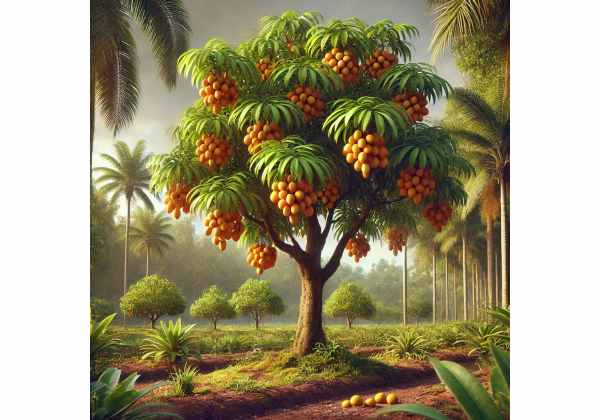
Kundangan, more widely known across Southeast Asia as kundang, maprang, marian plum, or plum mango, is the fruit-bearing tree Bouea macrophylla. Although it is often treated as a fruit first and a medicinal plant second, that distinction can be misleading. Traditional food use, folk medicine, and newer phytochemical research all point to the same idea: this is a nutrient-dense tropical plant whose fruit, leaves, peel, and seeds contain compounds with meaningful biological activity.
The ripe fruit is valued for its pleasant sweet-tart flavor and its supply of fiber, vitamin C, carotenoids, and polyphenols. Less familiar parts of the plant, especially the seed, peel, and leaves, appear to contain even denser phenolic and tannin-like compounds, which helps explain why researchers keep studying it for antioxidant, antimicrobial, glucose-regulating, and skin-related applications. At the same time, most of the stronger medicinal claims still come from laboratory or animal work, not human trials.
For most readers, the best view of Kundangan is practical and balanced: it is a promising medicinal fruit tree with genuine nutritional value, plausible therapeutic potential, and limited clinical evidence. Used as food, it is generally gentle. Used as concentrated extract, it deserves more caution.
Quick Facts
- The edible fruit may support antioxidant defenses and everyday digestive health.
- Leaves, peel, and seeds contain concentrated polyphenols linked to antimicrobial and glucose-related effects in early research.
- A practical food-style serving is about 50 to 100 g of ripe fruit, while no standardized medicinal extract dose has been established.
- People with mango or cashew-family sensitivities, pregnancy, or glucose-lowering medicines should avoid self-prescribing concentrated extracts.
Table of Contents
- What Is Kundangan
- Key Ingredients and Properties
- What Can Kundangan Help With
- How Kundangan Is Used
- How Much to Use
- Safety, Side Effects and Interactions
- What the Evidence Shows
What Is Kundangan
Kundangan is the common regional name for Bouea macrophylla, a tropical tree in the Anacardiaceae family, the same broader family as mango, cashew, and pistachio. It grows widely in Malaysia, Indonesia, Thailand, and neighboring parts of Southeast Asia, where it is valued as both a food tree and a traditional medicinal resource. Depending on the region, the fruit may be called kundang, gandaria, ramania, maprang, mayong, marian plum, or plum mango.
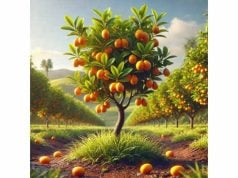
The tree itself is evergreen, medium to large, and productive in warm, humid climates. Its fruit ranges from tart and crisp when unripe to sweeter and softer when ripe. That ripening shift matters because the plant is used differently at each stage. Unripe fruit is often added to savory dishes, pickles, relishes, and sour condiments. Ripe fruit is eaten fresh, juiced, or turned into preserves. In some places, young leaves are also eaten as a fresh accompaniment to meals.
From a medicinal perspective, Kundangan is interesting because it sits between a food plant and a medicinal plant. That means different parts of the same tree play very different roles. The fruit pulp is mostly a food-style source of fiber, organic acids, vitamin C, carotenoids, and polyphenols. The peel and seeds are much more concentrated in tannins and phenolic compounds, which is why researchers often use them in extract studies. The leaves and stems also appear to contain biologically active compounds and have a history of folk use.
One of the most useful ways to understand Kundangan is to avoid treating the whole plant as if every part does the same thing. The sweet ripe fruit people enjoy at the table is not chemically equivalent to the bitter seed or a leaf extract tested in a laboratory. In fact, one of the more important insights from current research is that the strongest measured antioxidant or anticancer signals often come from parts people do not normally eat in large amounts.
That matters for readers because it prevents a common mistake: assuming that because a seed extract shows dramatic results in a cell study, ordinary fruit consumption will produce the same outcome. It probably will not. Everyday fruit use is milder, broader, and safer. Extract-based use is stronger, narrower, and less certain.
If you place Kundangan in the wider world of tropical medicinal foods, it fits best as a nutrient-rich fruit tree with secondary medicinal potential, not as a standardized clinical herb. That makes it valuable, but it also means it should be judged by food-medicine standards first: form, preparation, portion, tolerance, and evidence quality all matter.
Key Ingredients and Properties
Kundangan’s medicinal properties come from a mix of nutrients and phytochemicals rather than one single standout compound. That is one reason the plant attracts interest from both food scientists and pharmacology researchers. The ripe fruit offers a broad nutritional profile, while the seed, peel, stem, and leaves often contain more concentrated bioactive substances.
The fruit pulp contributes several familiar food-based components:
- dietary fiber
- vitamin C
- carotenoids, including beta-carotene-related pigments
- organic acids that shape its tart taste
- small amounts of minerals such as potassium and magnesium
These food-level compounds help explain the gentler side of Kundangan: antioxidant support, digestive value, and everyday nutritional use. But the stronger medicinal discussion comes from its phenolic fraction. Research across different plant parts has identified gallic acid, ellagic acid, gallotannins, flavonoids, tannins, and related polyphenolic compounds. Seeds, in particular, appear to be especially rich in gallotannin-type chemistry, including pentagalloyl glucose and related compounds.
That chemistry matters because polyphenols are often linked to several relevant properties:
- antioxidant action that helps neutralize reactive compounds
- antimicrobial effects against certain bacteria and fungi in laboratory testing
- enzyme inhibition related to carbohydrate digestion
- possible cell-signaling effects relevant to inflammation, skin aging, and abnormal cell growth
A practical insight that many articles miss is that Kundangan’s “food value” and “extract value” are not evenly distributed. Ripe flesh is likely the mildest and safest part for routine use. The bitter seed, peel, and leaf extracts are often where more dramatic lab findings come from. That means the plant behaves a little like other polyphenol-rich fruits: the whole edible portion is good for steady support, but the most concentrated compounds often live in parts usually discarded or only used in specialized preparations.
Readers familiar with other antioxidant-rich plants may notice the same broad pattern seen in polyphenol-rich fruits that combine vitamin activity with tannins and phenolic compounds. The difference is that Kundangan is much less clinically characterized, so the chemistry is ahead of the human evidence.
Another important property is astringency. Tannins and related phenolics can give unripe fruit, seeds, and leaves a drying, puckering sensation. In herbal medicine, astringency often signals tissue-toning or protective potential, but it can also mean digestive irritation in excess. This is one reason concentrated or bitter preparations should not be assumed to be better simply because they are stronger.
In plain terms, Kundangan’s key medicinal properties can be summarized as:
- antioxidant-rich
- mildly nutritive when eaten as fruit
- potentially antimicrobial in extract form
- potentially glucose-modulating in early studies
- more chemically intense in seeds, peel, and leaves than in ripe pulp
That last point is the most useful takeaway. If you eat Kundangan as fruit, expect food-like benefits. If you use extracts, you are moving into a different category of exposure, one with more pharmacological interest and more uncertainty.
What Can Kundangan Help With
Kundangan may help in two different ways, depending on how it is used. As a fruit, it can support general nutrition, antioxidant intake, and digestion. As an extract source, especially from seeds, peel, or leaves, it shows broader medicinal potential in early studies. The mistake is to blur those two uses together.
The most dependable benefit is nutritional support. Like many tropical fruits, Kundangan can contribute fiber, vitamin C, and plant pigments to the diet. That gives it a realistic role in everyday health, especially for people trying to increase fruit variety and whole-food antioxidant intake. Ripe fruit is also typically easier to tolerate than more concentrated medicinal preparations.
A second likely benefit is antioxidant support. Multiple plant parts have shown strong antioxidant potential in laboratory assays. This does not mean Kundangan “cures oxidative stress,” but it does suggest that regular intake of the fruit, and possibly carefully designed extracts, may help buffer everyday free-radical burden. In real life, that matters most as a background effect, not a dramatic symptom change.
Glucose-related benefits are more intriguing but less settled. Some early studies suggest certain Bouea macrophylla extracts may inhibit carbohydrate-digesting enzymes such as alpha-amylase and alpha-glucosidase. In practical terms, that raises the possibility of post-meal glucose support. But the key phrase is possibility. These findings are preliminary, extract-dependent, and not the same as evidence that eating the fruit will treat diabetes.
The same caution applies to antimicrobial and anticancer claims. Leaf and seed extracts have shown activity in vitro against bacteria, fungi, and several cancer cell lines. That is scientifically interesting and worth following, but it remains far from proof of clinical benefit in humans. Cell studies are useful for screening. They are not treatment recommendations.
There is also growing interest in Kundangan for skin-related applications, especially peel extracts. Polyphenols such as gallic and ellagic acid have attracted attention for antioxidant, anti-tyrosinase, and anti-photoaging potential in topical or cosmetic contexts. This is one of the more promising non-food directions, but again, the evidence is early and usually based on extract testing rather than ordinary dietary use.
A realistic benefit map looks like this:
- fresh fruit may support antioxidant intake and digestive regularity
- fruit and whole-food use may contribute to vitamin and carotenoid intake
- extracts may show glucose-enzyme, antimicrobial, and skin-related activity in early studies
- stronger disease-treatment claims remain unproven in humans
For readers, the clearest difference is between “can support health” and “can treat disease.” Kundangan fits the first category well. It does not yet justify confident placement in the second. People looking for broader context on fruit-based wellness patterns may find it helpful to compare it with other nutrient-dense tropical fruits that also bridge food use and medicinal interest.
That balance is important. Kundangan deserves more respect than a novelty fruit, but it also deserves more restraint than a miracle-plant profile. Its most credible role today is as a functional food with promising, but still developing, medicinal applications.
How Kundangan Is Used
Kundangan is used in ways that range from ordinary food preparation to experimental extract work. The form matters because each form changes both the likely benefit and the level of risk.
The simplest and most traditional use is fresh fruit. Ripe Kundangan is eaten out of hand, sliced into fruit plates, blended into juices, or cooked into jams and preserves. Unripe fruit is more tart and often used where acidity is helpful, such as salads, relishes, pickles, sambal-like condiments, and sour dipping sauces. These culinary uses are important because they represent the plant’s safest and most established route of intake.
Young leaves are also eaten in some regional food traditions. They may be served raw with other vegetables or used as a fresh green side. This use suggests the plant is not merely medicinal in local knowledge. It is integrated into food culture, which often gives a clue about tolerability and moderate everyday use.
More concentrated uses move beyond food. Researchers have studied ethanol or aqueous extracts of leaves, seeds, peel, stems, and roots. In these preparations, the goal is usually not flavor or general nourishment, but recovery of phenolics, gallotannins, flavonoids, or other bioactive compounds. These are the preparations most often linked with antioxidant, antimicrobial, antiproliferative, or glucose-related test results.
In practical home use, however, not every experimental extract should be copied. That is especially true for seeds and bitter concentrates. The seed can contain dense phenolic material, and the peel or leaf extracts can be much more astringent than the fruit pulp. A home-made “stronger is better” approach may quickly turn a food plant into a poorly tolerated one.
A grounded use ladder looks like this:
- Food-first use: ripe fruit as part of meals or snacks.
- Culinary-functional use: unripe fruit in tart preparations, chutneys, and relishes.
- Leaf-as-food use: young leaves in traditional fresh side dishes where culturally appropriate.
- Experimental-use category: peel, seed, or leaf extracts for specialized topical or laboratory-style applications.
Topical interest is also rising. Peel and seed extracts are being explored for antioxidant and cosmetic uses, especially in formulations aimed at skin protection or anti-photoaging. This is promising, but it belongs more to product development than home medicine.
The most useful principle is to match the form to the goal. If your goal is better dietary variety, fresh fruit makes sense. If your goal is strong medicinal effects, remember that the evidence usually comes from concentrated extracts that do not behave like the fruit itself. That gap matters as much here as it does with other plants used both as food and medicine, including antioxidant-rich daily beverages where dose, concentration, and preparation change the outcome.
Used thoughtfully, Kundangan can fit beautifully into food and wellness routines. Used carelessly as a concentrated extract, it becomes much harder to predict.
How Much to Use
There is no clinically established medicinal dose for Kundangan. That is the most important dosing fact, and it should shape every recommendation that follows. What we have instead are practical food portions, traditional culinary use patterns, and a growing number of extract studies that are difficult to translate into consumer dosing.
For ordinary fruit use, a practical serving is about 50 to 100 g of ripe fruit at a time. That amount is large enough to function as a real fruit portion without pushing intake into an unnecessarily acidic or fiber-heavy range. For many people, that means a small bowl of cut fruit, one light snack serving, or a moderate side portion with a meal. One or two such servings in a day is a reasonable food-style pattern when the fruit is in season.
Unripe fruit is usually better treated as a condiment food than a high-volume fruit. Because it is more sour and astringent, smaller amounts often make more sense. A few slices in a salad, relish, or pickle-style preparation is a more realistic use than a large standalone serving.
When the plant is used outside its food role, the dosing picture becomes much less clear. Leaf, peel, seed, and root extracts are studied in ways that do not easily translate into home measurements. Some papers report activity at specific concentrations in laboratory systems, while animal work uses mg/kg dosing that cannot be directly turned into a safe human dose. This is why the strongest evidence around Kundangan is still about potential, not standardized therapeutic use.
That leaves a simple and practical dosage framework:
- Fresh ripe fruit: about 50 to 100 g per serving
- Unripe fruit in food: small culinary amounts rather than “doses”
- Leaves as food: modest traditional portions only
- Seed, peel, or leaf extracts: no standardized human medicinal dose
Timing depends on the form. Fruit is easiest to tolerate with or after meals, especially for people prone to acidity or sensitive digestion. Very sour unripe fruit on an empty stomach may worsen stomach discomfort in some people. Concentrated extracts, when used at all, are more sensible with food than without it.
Duration matters too. As a food, Kundangan can fit a normal diet when tolerated. As an extract, it should be treated as a short-term experiment rather than a casual daily habit, unless future human research defines a safer long-term pattern.
A useful rule is that food-like forms allow food-like thinking. Extract-like forms require supplement-like caution. Readers who are primarily seeking vitamin or antioxidant support may also want to compare fruit intake with more defined nutrient strategies such as vitamin C intake and safety considerations, because whole fruit and concentrated nutrients do not behave the same way.
In short, ripe fruit has a practical serving range. Medicinal extracts do not yet have a clinically reliable one. That makes food use the most grounded route for most people.
Safety, Side Effects and Interactions
Kundangan is likely safest when used as food. That is the clearest safety principle. Fresh ripe fruit in moderate amounts is generally the lowest-risk form, while sour unripe fruit, leaf preparations, and concentrated seed or peel extracts deserve more caution.
The most common side effects are likely to be digestive:
- sour stomach or reflux
- mouth irritation from acidic or astringent unripe fruit
- mild cramping or loose stools if large amounts are eaten
- nausea with strong or bitter preparations
These effects are not surprising. Fruits rich in acids, tannins, and fiber often become less comfortable as the amount rises or ripeness decreases. Some people tolerate ripe fruit well but react poorly to tart unripe fruit or bitter seed materials.
Family-level sensitivity is another issue. Kundangan belongs to the same broader family as mango and cashew. That does not automatically mean someone allergic to mango will react to Kundangan, but cross-reactivity or irritation is plausible. People with a history of reactions to mango peel, cashew, or other Anacardiaceae plants should be cautious, especially with the skin, sap, or non-fruit parts.
Concentrated extracts raise a second layer of concern. Because many of the strongest phenolic compounds are concentrated in seed, peel, or leaves, extract products may be more irritating or pharmacologically active than the fruit itself. They may also interact with medicines more readily than ordinary fruit portions.
The most relevant potential interaction concerns include:
- glucose-lowering medicines, because some extracts show carbohydrate-enzyme inhibition in early research
- strong antioxidant supplements, where stacking several products may create an unnecessarily aggressive regimen
- medications taken on an empty stomach, if acidic fruit preparations worsen irritation
- poorly characterized multi-herb formulas containing Kundangan extracts
Pregnancy and breastfeeding deserve a conservative approach. Ordinary food use in customary amounts is one thing. Medicinal use of leaves, bark, seeds, or extracts is another. Because human safety data are sparse, concentrated preparations should generally be avoided in pregnancy, breastfeeding, and young children.
The people most likely to need extra caution are:
- those with mango or cashew-family sensitivities
- people with reflux, gastritis, or a very sensitive stomach
- people on glucose-lowering medication
- pregnant or breastfeeding individuals considering non-food extracts
- anyone tempted to use seed or leaf extracts as self-treatment for disease
There is one encouraging point in the research: a 2023 animal toxicity study using a yogurt formulation containing Bouea macrophylla extract did not find obvious acute or subacute toxicity at the tested doses. But that should not be stretched too far. A rodent study in a prepared product is helpful, not definitive.
The best safety mindset is simple. Eat the fruit like a fruit. Treat non-food extracts like experimental botanicals. Readers comparing this with better-defined botanical risk profiles may find it useful to look at plants with stronger human evidence and dosing clarity, because that contrast shows how early the Kundangan evidence still is.
What the Evidence Shows
The evidence for Kundangan is promising, but it is not mature. Most of what we know comes from phytochemical studies, antioxidant assays, cell-based experiments, antimicrobial screening, and animal research. Human clinical evidence is minimal. That single fact should shape how every benefit claim is interpreted.
The strongest evidence category is compositional. We know the fruit, leaves, peel, and seeds contain meaningful amounts of polyphenols, tannins, flavonoids, and related compounds. We also know the edible parts provide nutritional value as a fruit food. This is the most stable layer of evidence because it is grounded in direct measurement rather than speculative translation.
The second evidence layer is preclinical biological activity. This includes antioxidant assays, antimicrobial tests, enzyme-inhibition studies related to glucose handling, cell-line antiproliferative work, and early cosmetic or skin-related applications. These studies are useful because they identify plausible mechanisms and promising plant parts. They help explain why the plant has a medicinal reputation. But they do not prove human benefit by themselves.
The third layer is safety and formulation research. This is still limited, but it is growing. Early work suggests some formulations may be tolerated in animal models, and it is increasingly clear that seed and peel by-products may have commercial potential in food, topical, or nutraceutical applications. Even so, the route from “interesting formulation” to “proven human benefit” is long.
The weakest layer is clinical evidence. At present, there are no major randomized controlled human trials showing that Kundangan fruit or extracts reliably improve blood sugar, prevent infection, slow aging, or treat cancer. That does not mean the plant is ineffective. It means the current claims are ahead of the current clinical proof.
This leads to a balanced evidence summary:
- nutritional and phytochemical evidence is solid
- antioxidant and antimicrobial potential is well supported in preclinical work
- glucose-related and skin-related activity is plausible but still early
- anticancer findings are mainly laboratory based
- clinically proven medicinal outcomes in humans are still lacking
A useful insight here is that Kundangan may ultimately be more important as a functional food and extract source than as a classic stand-alone herbal remedy. Its most realistic near-term value may lie in fruit nutrition, food-product development, and carefully standardized peel or seed applications rather than in informal self-medicating with homemade extracts.
That makes the plant scientifically interesting and commercially relevant, but it also keeps the clinical message modest. For readers, the most honest conclusion is that Kundangan is a nutritious medicinal fruit tree with real biochemical promise and insufficient human evidence for strong therapeutic claims. That places it in an important middle ground: not folklore alone, but not established medicine either.
References
- The Evolution of Pharmacological Activities Bouea macrophylla Griffith In Vivo and In Vitro Study: A Review 2022 (Review)
- Phytochemical Analysis and Toxicity Assessment of Bouea Macrophylla Yoghurt 2023 (Toxicity Study)
- Phenolic profiles and in vitro biochemical properties of Thai herb ingredients for chronic diseases prevention 2023 (Open Access Study)
- Potential Antimicrobial and Anticancer Activities of an Ethanol Extract from Bouea macrophylla 2020 (Preclinical Study)
- Maprang “Bouea macrophylla Griffith” seeds: proximate composition, HPLC fingerprint, and antioxidation, anticancer and antimicrobial properties of ethanolic seed extracts 2019 (Preclinical Study)
Disclaimer
This article is for educational purposes only and is not a substitute for medical advice, diagnosis, or treatment. Kundangan is best understood as a food plant with promising medicinal potential, not as a proven therapy for diabetes, infection, cancer, or skin disease. Most stronger health claims come from laboratory or animal studies, not human trials. Speak with a qualified healthcare professional before using concentrated extracts of Bouea macrophylla, especially if you are pregnant, breastfeeding, have food allergies, take medicines for blood sugar, or have a sensitive digestive system.
Please share this article on Facebook, X, or any platform your audience prefers.