Silky and tangy, labneh sits between yogurt and cheese: thick enough to swipe on warm flatbread, yet light enough to swirl into soups, dressings, and mezze platters. Made by straining cultured yogurt to remove whey, labneh concentrates protein, calcium, and probiotics while keeping a refreshing, lemony finish. Its versatility is unmatched—you can shape it into balls and preserve them in olive oil, fold it into dips, or use it as a bright, creamy counterpoint to roasted vegetables, grains, and spicy meats. Because straining reduces lactose and watery whey, many people who struggle with milk tolerate modest portions of labneh—though sensitivities vary. The main watch-outs are sodium (especially in labneh balls packed in brine or oil) and saturated fat in full-fat styles; both are manageable with mindful portions and smart pairings. This guide walks through everything you need: how labneh is made and how to choose a quality tub, a precise per-100 g nutrition profile with % Daily Values, research-backed benefits and safety notes, storage and sustainability tips, kitchen techniques that protect nutrients, and practical portion guidance with side-by-side comparisons.
Quick Overview
- Typical serving 45–60 g, 3–5 times weekly, adds ~5–7 g protein and ~150–220 mg calcium per serving.
- Live cultures and straining can support lactose tolerance and digestive comfort for many people.
- Main cautions are sodium (especially in brined or herbed labneh) and saturated fat; choose plain, low-salt varieties and keep portions modest.
- Avoid unpasteurized labneh if you are pregnant, immunocompromised, or over 65 unless it is heated until steaming.
Table of Contents
- Labneh, Defined: Origin, Style, and Taste
- Labneh Nutrition Profile (per 100 g)
- Evidence-Based Health Benefits
- Risks, Allergies and Interactions
- Selecting, Quality, Sustainability and Storage
- Preparation, Cooking and Nutrient Retention
- Portions, Comparisons and FAQs
Labneh, Defined: Origin, Style, and Taste
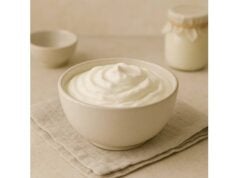
Labneh is a strained yogurt cheese central to Levantine and broader Middle Eastern cuisines. It starts with cultured milk (commonly cow’s, also goat or sheep), incubated with starter cultures—traditionally Streptococcus thermophilus and Lactobacillus delbrueckii subsp. bulgaricus. After fermentation, the yogurt is salted lightly and strained through cloth until it reaches a thick, spreadable consistency. Because straining removes whey and water-soluble components, labneh is denser than regular yogurt, with a velvety texture and bright tang.
Flavor and texture. Fresh labneh tastes creamy, clean, and lightly acidic. When shaped into small balls (labneh “bonbons”) and stored in olive oil with herbs, it develops gentle garlic-herb notes and a richer mouthfeel. Compared with Greek yogurt, labneh is typically thicker and slightly saltier, spreading more like soft cheese; compared with cream cheese, it is tangier, lighter, and offers live cultures if made with active yogurt and not heat-treated afterward.
How it differs from related products.
- Greek yogurt: also strained but usually looser and eaten by the bowl; typically lower in salt.
- Cream cheese: uncultured (or mildly cultured) fresh cheese with higher fat and no characteristic yogurt tang.
- Kefir cheese: made from kefir grains; often more sour with distinct yeasty aromas.
- Labneh balls in oil: a preservation method; texture becomes denser and the nutrition skews higher in fat and sometimes sodium depending on brines and seasonings.
What straining changes. Removing whey raises protein and calcium per bite and lowers lactose and water-soluble minerals like potassium. Salt added before or after straining meaningfully influences sodium content—plain labneh can be relatively modest in sodium, while brined or seasoned styles are much higher.
Culinary roles. Labneh anchors mezze boards, softens spicy dishes, and adds body to dressings and marinades. It can replace sour cream on baked potatoes, lighten cheesecakes, and enrich soups without splitting if tempered properly. Its acidity brightens roasted vegetables and grilled meats, and a quick swipe under poached eggs or braised greens delivers a restaurant-level finish at home.
Labneh Nutrition Profile (per 100 g)
Values below reflect typical plain, full-fat labneh made from cow’s milk yogurt, strained to a spreadable consistency. Variation is normal across brands, fat levels, and salt additions. Percent Daily Values (%DV) use FDA Daily Values for a 2,000 kcal diet.
Macros and Electrolytes
| Nutrient | Amount (per 100 g) | %DV |
|---|---|---|
| Energy | ~210–240 kcal | — |
| Protein | ~10–12 g | 20–24% |
| Total Fat | ~16–18 g | 21–23% |
| Saturated Fat | ~10–11 g | 50–55% |
| Carbohydrate (total) | ~4–6 g | 1–2% |
| Total Sugars | ~3–5 g | — |
| Dietary Fiber | 0 g | 0% |
| Sodium (plain) | ~120–220 mg | 5–10% |
| Sodium (herbed/brined) | ~300–600 mg | 13–26% |
| Water | ~62–70 g | — |
Notes on sodium: Salt added during straining or via spice blends drives big differences. Labneh balls stored in brine or seasoned mixes can double or triple sodium versus plain tubs.
Fats and Fatty Acids
| Component | Amount | Notes |
|---|---|---|
| Saturated Fat | ~10–11 g | Main driver of %DV; portion size matters. |
| Monounsaturated Fat | ~4–5 g | Includes oleic acid; may increase if olive oil is added. |
| Polyunsaturated Fat | ~0.3–0.6 g | Small contributor. |
| Cholesterol | ~45–60 mg | Varies with milk fat percentage. |
| Trans Fat (naturally occurring) | trace | From ruminant milk fat; typically very low. |
Protein and Amino Acids
Labneh concentrates complete dairy protein. Per 100 g, essential amino acids are well represented; leucine typically exceeds ~1.0 g/100 g, with lysine close behind—useful for muscle protein synthesis at breakfast or lunch. A 50 g serving provides ~5–6 g of complete protein.
Vitamins
| Vitamin | Amount (per 100 g) | %DV |
|---|---|---|
| Vitamin A (RAE) | ~90–130 µg | 10–14% |
| Vitamin B2 (Riboflavin) | ~0.25–0.35 mg | 19–27% |
| Vitamin B12 | ~0.6–1.0 µg | 25–42% |
| Vitamin D | trace–low | — |
| Folate (DFE) | ~20–35 µg | 5–9% |
Minerals
| Mineral | Amount (per 100 g) | %DV |
|---|---|---|
| Calcium | ~300–400 mg | 23–31% |
| Phosphorus | ~250–300 mg | 20–24% |
| Selenium | ~8–12 µg | 15–22% |
| Zinc | ~0.8–1.2 mg | 7–11% |
| Potassium | ~120–180 mg | 3–4% |
| Iodine | variable | — |
Allergens and Intolerance Markers
- Milk proteins (casein, whey): present; not suitable for those with dairy protein allergy.
- Lactose: reduced via fermentation and straining; many people with lactose intolerance tolerate small portions, especially with meals.
- Histamine: aged or heavily fermented dairy can contain biogenic amines; labneh is typically fresh, but sensitivity varies.
Footnote on additives/fortification: Plain labneh is usually just cultured milk and salt. Flavored varieties may add herbs, garlic, stabilizers (e.g., pectin), or added oil. Fortified versions are uncommon; always check labels for vitamin additions and sodium.
Practical takeaway: In 50 g (about 3 heaping tablespoons), expect ~5–6 g protein, ~5–6 g saturated fat, and ~150–200 mg calcium, with sodium spanning ~60–300 mg depending on salt level. Choosing plain, low-salt tubs gives you more flexibility across the day.
Evidence-Based Health Benefits
1) Fermented dairy patterns and cardiometabolic risk. Across large cohort syntheses, fermented dairy—especially yogurt—shows neutral to modestly favorable associations with cardiovascular outcomes and all-cause mortality when eaten in moderate amounts. While labneh itself has limited direct trials, it is made from strained yogurt with live cultures; thus, its profile aligns with yogurt’s evidence base when sodium and fat are managed within the day’s totals.
2) Protein, calcium, and phosphorus for bone and muscle. Labneh concentrates high-quality protein with readily absorbed calcium and phosphorus. Small servings can help close calcium gaps without large volumes of milk, which many adults find difficult to digest or incorporate. Including labneh at breakfast or lunch improves the leucine distribution across the day—useful for muscle maintenance, especially in midlife and older adults aiming to meet higher protein targets.
3) Digestive comfort and lactose tolerance. Fermentation consumes lactose and produces lactic acid, while straining removes whey containing dissolved lactose. Many individuals with lactose intolerance handle modest labneh servings without symptoms, particularly alongside other foods. Tolerance is individual; gradual trials (e.g., 1–2 tablespoons) are a sensible starting point.
4) Satiety and culinary “glue.” Labneh’s dense texture and tangy flavor make small amounts satisfying. When used as a spread or dollop on vegetable-heavy dishes, it boosts fullness and can reduce reliance on heavier sauces like mayo or cream. Paired with legumes and whole grains, it creates balanced meals that are both nutrient-dense and flavorful.
5) Nutrient absorption synergy. The fat in labneh enhances absorption of fat-soluble nutrients (e.g., carotenoids) from vegetables and herbs. A spoonful swirled into a warm carrot soup or atop roasted peppers can improve both taste and micronutrient uptake.
What this does not imply. Labneh is not a cure-all. Benefits arise within an overall pattern rich in vegetables, fruits, legumes, whole grains, nuts, and unsaturated fats; watch sodium and saturated fat. People with dairy allergy or in high-risk food safety groups need tailored choices (see next section).
Risks, Allergies and Interactions
Milk protein allergy. Labneh contains casein and whey proteins that can trigger IgE-mediated reactions. Those with confirmed dairy protein allergy should avoid labneh altogether; cross-reactivity across ruminant milks (cow, sheep, goat) is common.
Lactose intolerance. Most plain labneh is lower in lactose than milk and many yogurts, thanks to fermentation and straining. Many people tolerate 1–3 tablespoons without symptoms when eaten with other foods. If highly sensitive, test tolerance gradually and avoid eating on an empty stomach.
Sodium and blood pressure. Sodium content varies widely. Plain labneh can be relatively modest; brined or herbed versions may deliver 300–600 mg sodium per 100 g or more. If you monitor sodium, choose plain tubs, salt the dish rather than the whole batch, and pair with potassium-rich foods (greens, beans, tomatoes).
Saturated fat and LDL cholesterol. Full-fat labneh contains ~10–11 g saturated fat per 100 g. Keep portions modest (45–60 g) and emphasize unsaturated fats elsewhere (olive oil, nuts, fish). Low-fat labneh exists but may be tangier and less creamy—some cooks mix low-fat and full-fat to balance texture and targets.
Food safety and Listeria. High-risk groups—pregnant individuals, older adults, and those who are immunocompromised—should avoid unpasteurized labneh and be attentive to cold-chain handling. Even pasteurized fresh cheeses can be contaminated post-processing if hygiene lapses. At home, keep labneh at ≤4 °C (≤40 °F), use clean utensils, and discard if texture, smell, or flavor seems off. When in doubt, heat until steaming if a recipe allows.
Histamine and migraine sensitivity. While labneh is not aged like hard cheeses, fermentation can still generate biogenic amines in small amounts. Sensitive individuals may need to limit portions or choose freshly made labneh consumed promptly.
Medication and conditions.
- Potassium-restricted diets: Labneh is not particularly high in potassium; still, count it toward daily totals.
- Lipid disorders: Keep portions on the smaller side and distribute dairy fat across the day.
- Sodium-restricted regimens: Use plain, low-salt labneh and season the dish with acids and herbs instead of salt.
Selecting, Quality, Sustainability and Storage
How to choose a good labneh
- Ingredients list: Aim for “cultured milk, salt” and little else. Stabilizers are not strictly necessary but may appear in ultra-smooth styles.
- Live cultures: Look for “live and active cultures” if you want probiotic potential. Heat-treated labneh has longer shelf life but fewer viable cultures.
- Salt level: Taste before seasoning; plain tubs vary. If sodium is a concern, avoid pre-seasoned or brined products.
- Fat level: Full-fat labneh spreads silkily and tolerates heat better; reduced-fat is tangier and lighter, ideal for dips with olive oil.
- Origin and pasteurization: Choose pasteurized milk products unless you plan to fully heat the dish and do not belong to a high-risk group.
Sustainability and sourcing
- Local dairies often sell freshly strained labneh with minimal packaging; buying local can reduce transport emissions and support small producers.
- Food waste reduction: Labneh is perishable. Buy sizes you can finish within 7–10 days of opening. Leftover whey from home-straining can enrich bread dough or soups.
- Plant-rich pairing: Build meals around vegetables and pulses, using labneh as a flavor accent; this pattern lowers environmental impact compared with meat-heavy meals.
Storage and shelf life
- Keep unopened tubs refrigerated at ≤4 °C (≤40 °F) and respect “use by” dates.
- After opening, re-seal tightly and consume within 7–10 days for best quality.
- For labneh balls in oil, ensure the cheese is fully submerged, use clean utensils, and refrigerate; consume within 2–3 weeks.
- Freezing: Not recommended—the texture can turn grainy after thawing. If needed for cooking, freeze small portions and whisk after thawing.
Signs of spoilage
- Off-odors (sharp sourness, yeasty or alcohol notes), visible mold growth on the surface (beyond green herbs), or curdling/watery separation that does not reincorporate with a stir are reasons to discard.
Preparation, Cooking and Nutrient Retention
Core principles for cooking with labneh
- Use gentle heat. Labneh can split if boiled. Temper it: whisk a spoonful of hot liquid into the labneh, then return the mixture to the pot off heat for a silky finish.
- Leverage acidity. Its tang brightens roasted vegetables, braises, and grains, reducing the need for extra salt.
- Portion for impact. A few tablespoons offer creaminess and protein without overpowering a dish.
- Add at the end. Stir into warm dishes just before serving to protect live cultures and preserve texture.
Techniques that work
- Swirled soups and stews: Temper 2–3 tablespoons per serving into lentil, carrot, or tomato soups after cooking.
- Dips and spreads: Whisk labneh with lemon, garlic, olive oil, and herbs. For more body, strain briefly through a coffee filter to thicken further.
- Marinades: Mix labneh with citrus, spices, and a splash of oil for chicken or vegetables; the lactic acid tenderizes while spices perfume.
- Grain bowls: Top bulgur, farro, or barley with a dollop; add roasted peppers, cucumbers, and mint for balance.
- Breakfast builds: Spread on toast with cucumbers and za’atar, or fold into an herbed omelet to replace heavier cheese.
Nutrient-savvy pairings
- Pair with potassium-rich vegetables (spinach, tomatoes, beets) and fiber-dense legumes (chickpeas, lentils) to counterbalance sodium and create filling meals.
- Combine with healthy fats (olive oil, nuts) to deliver satisfaction while staying within saturated fat goals.
Common mistakes to avoid
- Boiling: Causes separation; keep temperatures low.
- Over-salting: Taste first—herbs, citrus, and chili lift flavor without extra sodium.
- Using only as a dip: Explore hot dishes, marinades, and baking swaps (e.g., replace half the sour cream in cakes or quick breads).
Three quick recipes (frameworks)
- Herbed labneh dip: 200 g labneh + 1 tbsp olive oil + lemon zest + chopped dill/mint + pinch of salt.
- Roasted carrot bowl: Roast carrots with cumin; serve over farro with greens, a spoon of labneh, toasted pistachios, and lemon.
- Warm chickpea skillet: Sauté garlic and chili in olive oil, add chickpeas and spinach; off heat, swirl in labneh and finish with lemon.
Portions, Comparisons and FAQs
What is a reasonable serving and how often?
A practical portion is 45–60 g (about 3–4 tablespoons). For many adults, 3–5 servings per week fits comfortably—especially when the rest of the day’s meals emphasize vegetables, legumes, whole grains, and unsalted foods. If you are managing sodium or LDL cholesterol, consider 30–45 g portions and choose plain, low-salt tubs.
How does labneh compare with similar options?
- Versus Greek yogurt: Labneh is thicker and usually saltier per 100 g; protein is similar, but labneh is denser and more spreadable.
- Versus cream cheese: Labneh is tangier, often lower in total fat per serving, and provides live cultures if not heat-treated.
- Versus sour cream: Labneh offers more protein, a fresher flavor, and better stability in cold applications; temper for hot dishes.
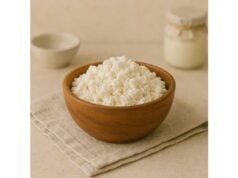
- Versus cottage cheese: Cottage cheese has more sodium (brand-dependent) and a curd texture; labneh spreads smoothly and reads brighter in dressings.
- Labneh balls in oil: Rich and convenient; treat as a cheese and count the added oil toward daily fat intake.
Is labneh lactose-free?
Not entirely, but it’s lower in lactose than milk and many yogurts due to fermentation and straining. Many people with lactose intolerance tolerate 1–3 tablespoons without symptoms, particularly with mixed meals.
Is labneh probiotic?
If the base yogurt contains live and active cultures and the labneh is not heat-treated after straining, it retains live bacteria. Some commercial products list the specific cultures; others do not. Homemade labneh made from active yogurt will typically contain viable cultures.
Can I make labneh at home?
Yes. Salt plain yogurt (½–¾ tsp per 500 g), spoon into a cloth-lined sieve over a bowl, and refrigerate 12–24 hours. For labneh balls, strain longer (up to 36 hours), then roll, season, and store submerged in olive oil under refrigeration.
Budget tips
- Strain your own from a large tub of plain yogurt—cost-effective and customizable in salt and thickness.
- Mix equal parts low-fat and full-fat for a lighter texture without losing creaminess.
- Use herbs, citrus, and chili to reduce added salt in finished dishes.
References
- The characterization of the physicochemical and sensory properties of bovine, caprine, and ovine labneh with different fat levels (2014)
- Labneh: A Retail Market Analysis and Selected Product Insights (2024)
- Role of fermented dairy products in the health benefits of a balanced diet (2024) (Systematic Review)
- Yogurt consumption and risk of mortality from all causes and cardiovascular disease: A systematic review and dose–response meta-analysis (2022) (Systematic Review)
- How Listeria Spread: Soft Cheeses and Raw Milk (2025) (Guidance)
- STANDARD FOR FERMENTED MILKS CXS 243-2003 (2025)
Medical Disclaimer
This guide is for general information only and is not a substitute for professional medical advice, diagnosis, or treatment. Your nutrition, allergy, and safety needs are personal. If you are pregnant, immunocompromised, managing chronic conditions (such as hypertension or high cholesterol), or taking prescription medications, consult a qualified healthcare professional for tailored guidance before making dietary changes.
If this article helped you, please consider sharing it on Facebook, X (formerly Twitter), or any platform you prefer. Your support helps us continue producing accurate, practical nutrition content.