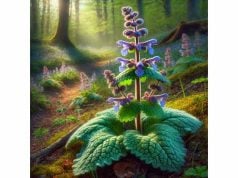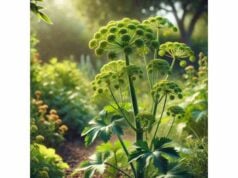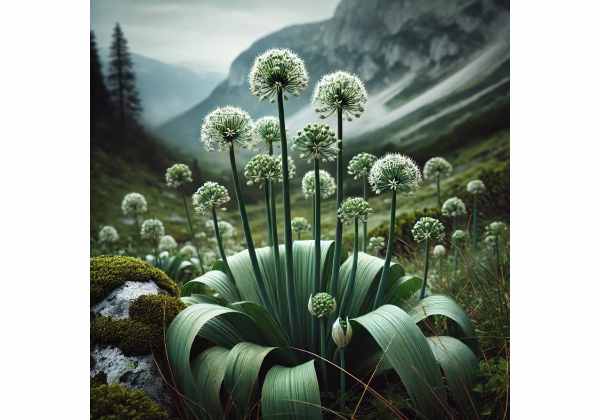
Lady’s Leek, also known as Allium victorialis, is a wild allium valued both as a spring vegetable and as a traditional healing plant in parts of Europe and Asia. It belongs to the same broad family as garlic, onions, chives, and ramsons, which explains its sharp aroma, sulfur-rich taste, and long reputation for supporting digestion, circulation, and recovery after winter. What makes this herb especially interesting is its dual role. It is gentle enough to be used as food, yet chemically active enough to attract serious interest for its flavonoids, sulfur compounds, antioxidant potential, and anti-inflammatory effects.
Most of the modern evidence is still early. Lady’s Leek looks promising for oxidative stress support, liver protection, and metabolic balance, but these findings come mainly from lab and animal research rather than large human trials. That makes it a useful herb to approach with curiosity and realism. Used in sensible amounts, it can be a flavorful, nutrient-dense plant with practical wellness value, especially when safety, preparation, and dosage are handled thoughtfully.
Essential Insights
- Lady’s Leek is best understood as a food-like medicinal herb with antioxidant and anti-inflammatory potential.
- Its most realistic benefits are digestive support, culinary nutrient value, and possible liver or metabolic support in early research.
- A cautious starting range is 5 to 15 g of fresh leaves per day, or one mild 200 to 250 mL infusion.
- Avoid concentrated use if you take anticoagulants, have an allium allergy, or are not fully sure the plant has been identified correctly.
Table of Contents
- What is Lady’s Leek
- Key ingredients in Lady’s Leek
- What can it realistically help with
- How to use it well
- How much per day
- Safety and who should avoid it
- What the evidence really shows
What is Lady’s Leek
Lady’s Leek is a perennial wild plant in the Allium group, a genus known for edible and medicinal species with a strong sulfur aroma. Depending on region, it may also be called victory onion, alpine leek, or a local wild garlic equivalent. It grows in cool, mountainous, or woodland settings and produces broad leaves, a firm underground base, and a taste that sits somewhere between leek, chive, and mild garlic.
For readers, the most useful way to understand it is not as a standard supermarket leek, but as a medicinal wild allium that behaves more like a spring tonic herb. Traditionally, the young leaves and shoots are eaten fresh, lightly cooked, pickled, or fermented. In some regions, they are added to soups, savory pancakes, rice dishes, and preserved vegetable recipes. The flavor is vivid but not usually as aggressive as raw garlic, which makes the plant easy to work into food.
Its importance comes from three overlapping features:
- It is edible and practical.
- It contains chemically active plant compounds common to the allium family.
- It has a long traditional reputation for supporting vitality, digestion, and resilience.
That combination matters. Many herbs are medicinal but not enjoyable as food. Many vegetables are nutritious but not especially concentrated in interesting phytochemicals. Lady’s Leek sits in the middle. It can be part of a meal and still offer more than simple calories or fiber.
It also shares family traits with other sulfur-rich alliums such as onions, though wild species often have their own flavor balance and phytochemical profile. When the leaves are cut or crushed, their chemistry changes quickly, releasing the familiar pungent smell associated with healing alliums. That fresh, cut-plant aroma is one of the easiest signs that the herb is active.
A practical point is seasonality. Lady’s Leek is often at its best in early growth, when the leaves are tender, bright, and aromatic. Older leaves can become tougher or more fibrous, which may reduce both culinary appeal and willingness to use enough of the plant to get a meaningful food-based effect. For most people, that means the herb is best treated as a seasonal wellness food rather than a year-round miracle remedy.
In short, Lady’s Leek is a traditional edible herb with a stronger medicinal identity than many kitchen greens. It belongs in the conversation whenever people ask about spring alliums that may support digestion, antioxidant balance, and general restorative nutrition.
Key ingredients in Lady’s Leek
Lady’s Leek contains a mix of compounds that helps explain both its smell and its potential health value. As with many alliums, the chemistry is not static. The plant’s profile changes when it is chopped, bruised, heated, steeped, or fermented. That means the form you use matters almost as much as the plant itself.
The most important groups to know are these:
- Organosulfur compounds, which give the plant its sharp allium aroma and much of its biological activity.
- Flavonoids, especially kaempferol- and quercetin-related compounds, which are often linked with antioxidant and inflammation-modulating effects.
- Phenolic acids and other polyphenols, which may help buffer oxidative stress.
- Steroidal saponin-like constituents and related secondary metabolites, which may contribute to some of the plant’s broader pharmacologic effects.
- Small amounts of vitamins, minerals, fiber, and chlorophyll-rich leaf nutrients that matter more in culinary use than in extract form.
From a practical point of view, sulfur compounds are the first thing most people notice. They help create the pungent scent released after cutting the leaves. In the broader allium family, sulfur chemistry is central to why these plants are discussed for circulation, microbial balance, and oxidative stress. Lady’s Leek appears to follow that same pattern, although its exact profile is less mapped than garlic’s sulfur compounds.
Flavonoids are the second major story. Compounds related to quercetin, quercitrin, and kaempferol have been identified in studied varieties of this plant. These are often discussed because they can influence inflammatory signaling, free-radical handling, and cell-protective responses in early research models. That does not mean the plant acts like a drug in humans, but it does explain why the herb is repeatedly described as antioxidative and anti-inflammatory in laboratory work.
Another overlooked point is synergy. Lady’s Leek is probably not about one superstar ingredient. Its value seems to come from the way multiple compounds work together. Sulfur molecules may affect reactivity and enzyme pathways. Flavonoids may provide part of the antioxidant backbone. Food-based nutrients support the plant’s value as a seasonal green rather than a narrow supplement.
Preparation changes this balance:
- Fresh chopped leaves emphasize pungency and reactive compounds.
- Light cooking softens flavor and may improve tolerance.
- Infusions pull out some water-soluble constituents but not the full fresh profile.
- Fermentation changes both flavor and digestibility.
This is why people sometimes feel confused after reading herb articles. They ask whether the plant works, when the better question is which compounds are active in which form. A fresh leaf pesto, a hot infusion, and a dried extract are not interchangeable. The ingredients overlap, but their proportions and behavior shift.
For readers trying to use Lady’s Leek intelligently, the key takeaway is simple: this herb is chemically active because it combines allium sulfur compounds with flavonoid-rich leaf chemistry. That is what gives it both culinary depth and medicinal interest.
What can it realistically help with
The most honest answer is that Lady’s Leek may help in modest, supportive ways, but it is not yet backed by the kind of human evidence that would justify strong disease claims. The plant looks promising, especially in experimental settings, yet the real-world value for most people is likely to be gentle and cumulative rather than dramatic.
Its most realistic benefit areas are these:
- Antioxidant support
- Inflammation modulation
- Digestive and appetite support
- General spring nutrition
- Possible liver and metabolic support in early research
Antioxidant support is the easiest place to start. Lady’s Leek contains compounds that appear able to neutralize reactive oxygen species and support the body’s handling of oxidative stress. This does not mean you will feel an immediate effect after one meal. It means regular use may contribute to a healthier internal environment, especially when the herb replaces less nutritious ingredients in the diet.
Inflammation support is similar. Early findings suggest the plant contains molecules that may reduce inflammatory signaling in laboratory models. In plain language, that means it may help calm some of the biochemical noise associated with metabolic strain and chronic irritation. Still, this is an area where people often exaggerate. Lady’s Leek is not a substitute for proper treatment of inflammatory disease. It is better viewed as a supportive plant with biologic plausibility.
Digestive use is more traditional and often more practical. Like other alliums, it can stimulate the palate, wake up appetite, and fit well into meals that feel cleansing after heavy winter food. Some people find it helps them enjoy bitter greens, soups, or simple grain dishes more easily. That culinary effect is valuable in its own right. A herb that makes healthy food more appealing often does more good than a stronger herb no one actually uses.
There is also early interest in liver and metabolic protection. Experimental work suggests Lady’s Leek may influence fat handling, inflammatory pathways, and oxidative damage in ways that could support liver health. Similar logic has driven interest in related wild alliums such as ramsons. The important word, though, is could. These findings are not the same as proven treatment in humans with fatty liver disease, diabetes, or obesity.
What it probably does not deserve is hype. It should not be sold as a detox cure, a proven cancer treatment, a blood sugar replacement therapy, or a universal immune booster. Those claims go far beyond the evidence.
A realistic expectation looks like this:
- You use it regularly as a seasonal herb or food.
- It adds sulfur compounds, polyphenols, and flavor to the diet.
- Over time, it may offer gentle support for digestion, oxidative balance, and metabolic resilience.
- Any stronger therapeutic effect remains uncertain unless future human trials confirm it.
That balanced framing is important. The herb is interesting because it offers enough promise to be worth using, but not enough proof to justify magical thinking.
How to use it well
Lady’s Leek works best when it is treated first as a living food and only second as a medicinal product. That mindset helps people use it safely, enjoy it more, and avoid the common mistake of turning every useful herb into an oversized dose experiment.
The most practical forms are:
- Fresh leaves, chopped into salads, eggs, grain bowls, or savory yogurt
- Lightly cooked leaves in soups, dumplings, broths, or stir-fries
- Pickled or fermented preparations
- Mild herbal infusions
- Standardized extract products, when available, used more cautiously
Fresh use is often the best place to begin. Chop the leaves finely and add them near the end of cooking, or use them raw in spreads, herb pastes, and dressings. This preserves flavor and likely keeps more of the plant’s reactive compounds intact. If the taste is too sharp, combine it with olive oil, soft cheese, potatoes, or eggs. Rich foods soften the bite without burying the herb.
Light cooking is a good second option. Brief heat makes Lady’s Leek easier on the stomach and broadens how it can be used. It works well folded into rice, noodles, vegetable soups, and spring omelets. Long boiling, however, dulls both flavor and character. In most cases, a short simmer or late addition is better than prolonged cooking.
Fermented use has a special appeal. Traditional-style pickles and kimchi-like preparations can make the herb more complex and sometimes easier to digest. Fermentation also lets you preserve a short seasonal harvest. That said, salt-heavy preparations are still condiments, not unlimited health food.
Infusions are gentler than many people expect. A leaf tea or steeped preparation is not usually as potent as eating the fresh herb itself, but it can be useful for people who want a milder introduction. If you are sensitive to raw alliums, a warm infusion may be the easiest place to start.
A few practical rules improve results:
- Wash thoroughly, especially if foraged.
- Chop or bruise just before use to release aroma.
- Start with small amounts to test tolerance.
- Pair with food if you tend to get reflux or stomach irritation.
- Avoid treating wild-harvested plants as interchangeable with cultivated herbs.
It can also help to think of Lady’s Leek as stronger and more assertive than mild allium greens like chives, but usually more food-friendly than swallowing concentrated garlic preparations. That middle ground is part of its charm.
The best use case for most readers is simple: add it to real meals, several times a week during the season, and let it function as both flavor and gentle herbal support. That approach is more sustainable than chasing a perfect preparation.
How much per day
There is no well-established standardized human dose for Lady’s Leek in the way there is for a few heavily studied supplements. That matters. Any dosage advice should be presented as practical guidance, not as a clinically proven prescription.
The safest approach is to think in food-style ranges first.
A reasonable starting range for fresh leaf use is:
- 5 to 15 g fresh leaves per day for beginners
- Up to about 20 to 30 g fresh leaves per day as a culinary amount for people who tolerate alliums well
That may sound abstract, but in practice it is usually a small handful of chopped leaves, enough for a salad addition, egg dish, soup garnish, or herb paste. For a first trial, the low end is smarter. Wild alliums can feel stronger than expected, especially if eaten raw.
For infusion use, a mild approach is:
- About 1 to 2 teaspoons of cut leaf in 200 to 250 mL hot water
- Steep for 5 to 10 minutes
- Use once daily at first, then up to twice daily if well tolerated
For dried herb, dosing is less certain because the strength depends on how the plant was dried, how old it is, and which part was used. That is one reason fresh seasonal use is easier to manage.
For extracts or capsules, do not assume more is better. Follow the product label and favor brands that state what plant part and extraction ratio are used. Since the evidence base is still limited, concentrated extracts deserve more caution than food use.
Timing also matters:
- With meals if you are prone to reflux, nausea, or stomach burning
- Earlier in the day if pungent herbs bother your sleep or digestion at night
- In short self-observation periods, such as 2 to 6 weeks, rather than endlessly escalating intake
Common variables that change your ideal amount include body size, raw versus cooked use, sensitivity to onions or garlic, and whether the goal is culinary nutrition or a more medicinal routine. Raw forms usually feel stronger than cooked ones. Fermented forms may be easier for some people, but salt content becomes a factor.
Useful signs that you may be taking too much include:
- Stomach discomfort
- Loose stools
- Burping or reflux
- Strong body odor that feels excessive
- Mouth irritation from large raw portions
If that happens, reduce the amount, switch to cooked use, or stop entirely. The right dose is the smallest amount that fits comfortably into your routine. With herbs like Lady’s Leek, consistency usually matters more than pushing intensity.
Safety and who should avoid it
Lady’s Leek is best described as generally reasonable in food amounts, but more uncertain in concentrated medicinal use. That is an important distinction. Many plants are well tolerated as ingredients and less predictable when taken as extracts, large raw portions, or repeated strong infusions.
The main safety concerns are these:
- Stomach irritation and reflux
- Allium allergy or intolerance
- Possible interaction concerns with anticoagulant or antiplatelet therapy
- Limited pregnancy and breastfeeding data for concentrated use
- Wild-plant misidentification
Digestive irritation is the most common issue. Because Lady’s Leek belongs to the allium family, it can cause burning, bloating, nausea, or loose stools in sensitive people, especially when eaten raw. People with active gastritis, reflux, ulcer irritation, or very sensitive digestion often do better with small cooked amounts or none at all.
Allergy matters too. Anyone who reacts to onions, garlic, leeks, or chives should approach this herb carefully. Even if the reaction has been mild in the past, cross-reactivity within the allium family is possible.
Interaction risk is not perfectly defined for this specific herb, but caution is still sensible. Strong allium use is often discussed in relation to platelet activity and bleeding risk. That does not mean a small amount in soup is dangerous. It does mean people taking anticoagulants, antiplatelet drugs, or preparing for surgery should avoid aggressive supplement-style use unless a clinician says otherwise.
Pregnancy and breastfeeding raise another common question. Culinary amounts in food are the most defensible choice. Concentrated medicinal use is harder to justify because good human safety data are lacking. The same logic applies to young children. Food use may be fine in small amounts, but strong preparations should not be improvised.
The biggest wild-harvest risk is misidentification. Some toxic plants can resemble edible spring alliums when leaves appear before flowers. That is not a minor detail. It is a real safety issue with potentially severe consequences. Never rely on smell alone, one photo, or vague memory from a walk years ago. If there is any doubt, do not eat the plant.
People who should be especially cautious or avoid concentrated use include:
- Anyone with known allium allergy
- People taking warfarin, direct oral anticoagulants, or antiplatelet medicines
- Those with severe reflux or active stomach irritation
- Pregnant or breastfeeding individuals considering medicinal doses
- Foragers without expert identification skills
- Anyone planning surgery in the near term
Used sensibly, Lady’s Leek can be a safe seasonal herb. Used recklessly, especially from uncertain wild sources, it can become far less benign. With this plant, safety begins long before dosage. It begins with correct identification, modest expectations, and respect for individual tolerance.
What the evidence really shows
This is the section many herb articles skip, but it is where good decisions are made. The evidence on Lady’s Leek is interesting, though still limited. Most of the supportive findings come from three kinds of research:
- Phytochemical work identifying active compounds
- Cell and tissue studies exploring antioxidant, inflammatory, or metabolic effects
- Animal studies looking at liver, cardiometabolic, or cancer-related mechanisms
That is enough to justify scientific interest. It is not enough to promise clear clinical outcomes in humans.
The strongest case for Lady’s Leek today is mechanistic plausibility. The herb contains allium-style sulfur compounds and flavonoids, and those compounds behave in ways that make antioxidant and inflammation-related effects believable. Some studies also suggest meaningful activity in models of liver stress, diabetic complications, and abnormal cell signaling. This makes the plant more than folklore.
Still, there are important limits.
First, human trials are scarce. Without good clinical studies, it is hard to know the right dose, best preparation, ideal duration, or the size of any real benefit. A plant can look impressive in a dish, a test tube, and a mouse model, then turn out to be only mildly useful in everyday human use.
Second, not every study examines the exact same botanical material. Some research focuses on regional varieties, especially East Asian forms of the plant. That does not make the findings irrelevant, but it does mean results cannot always be transferred perfectly from one population of the plant to another.
Third, extraction methods vary widely. Water extracts, methanol extracts, isolated compounds, and whole fresh leaves are not the same intervention. When articles blur these differences, readers assume the results all point to one simple answer. They do not.
So what is the fairest conclusion?
Lady’s Leek appears to be a legitimate medicinal food with promising experimental evidence. It probably deserves a place among useful seasonal alliums. It may support antioxidant balance, inflammatory tone, and aspects of liver or metabolic health. But it has not yet earned the status of a clinically established herbal treatment.
That balanced conclusion is not disappointing. In fact, it is useful. It tells you how to use the plant wisely:
- Value it as a nutrient-dense, bioactive food.
- Use it regularly rather than dramatically.
- Do not expect drug-like results.
- Respect the lack of standardized human data.
- Let future research upgrade the claims, not marketing language.
When readers keep those limits in mind, Lady’s Leek becomes more credible, not less. It is a promising herb precisely because it can be appreciated without exaggeration.
References
- Alliums as Potential Antioxidants and Anticancer Agents 2024 (Review)
- Chemical constituents and medicinal properties of Allium species 2021 (Review)
- Allium victorialis L. Extracts Promote Activity of FXR to Ameliorate Alcoholic Liver Disease: Targeting Liver Lipid Deposition and Inflammation 2021
- Chemopreventive and Anticancer Activities of Allium victorialis var. platyphyllum Extracts 2014
- Beware of accidental ingestion of Colchicum autumnale mistaken for Allium victorialis 2023
Disclaimer
This article is for educational purposes only and is not medical advice, diagnosis, or treatment. Lady’s Leek should not be used as a substitute for professional care, prescribed medicines, or urgent evaluation of serious symptoms. Extra caution is warranted if you are pregnant, breastfeeding, taking blood-thinning medicines, managing a chronic illness, or harvesting wild plants yourself.
If you found this article useful, please share it on Facebook, X, or your preferred platform to help more readers discover evidence-aware herbal guidance.