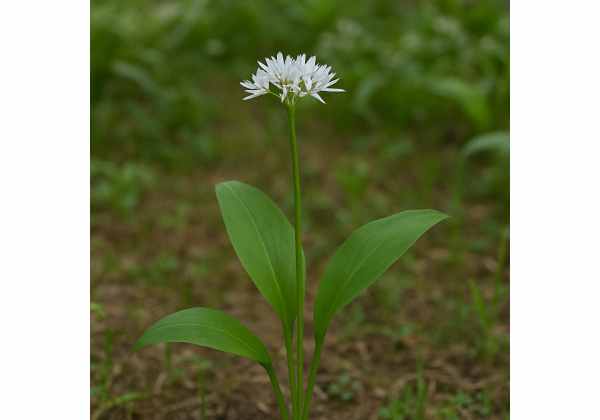
Ramsons, also called wild garlic or bear’s garlic, is one of the most distinctive spring herbs in Europe. Botanically known as Allium ursinum, it belongs to the same broad family as garlic, onions, leeks, and chives, but it behaves more like a tender seasonal leaf than a bulb crop. Its fresh green leaves, white flowers, and unmistakable garlic scent have made it valuable in both woodland cooking and traditional herbal practice.
What makes ramsons especially interesting is the way it combines culinary appeal with functional plant chemistry. It contains sulfur compounds related to those found in garlic, along with vitamin C, polyphenols, and other antioxidants that help explain its long reputation for supporting circulation, digestion, and resistance to everyday microbial stress. At the same time, ramsons is best understood as a food-first medicinal herb, not a cure-all.
This guide looks at what ramsons contains, which benefits are realistic, how people use it in meals and simple preparations, what dosage ranges make sense, and where caution matters most, especially for people who forage it themselves.
Quick Summary
- Ramsons may support cardiovascular wellness and antioxidant defense as part of a plant-rich diet.
- Its sulfur compounds may gently support digestion and give it much of its traditional medicinal value.
- A practical food-first intake is about 5 to 15 g fresh leaves daily, or roughly a small handful.
- People taking anticoagulants, preparing for surgery, or unsure about plant identification should avoid concentrated or foraged use without expert guidance.
Table of Contents
- What ramsons is and why it matters
- Key ingredients and active compounds in ramsons
- Health benefits and medicinal properties of ramsons
- Traditional and modern uses
- Dosage, timing, and best ways to use it
- Foraging, storage, and common mistakes
- Safety, side effects, and who should avoid it
What ramsons is and why it matters
Ramsons is a woodland perennial that emerges in early spring and then largely disappears once the season warms. Unlike common garlic, which is mainly valued for its bulbs, ramsons is prized most of all for its leaves. Those leaves are soft, bright green, and strongly aromatic when crushed, which is why the plant is often treated as a bridge between a leafy herb and a wild allium vegetable.
Its botanical name, Allium ursinum, places it in the same genus as culinary garlic and onion. That family relationship matters because it helps explain why ramsons smells familiar and why many of its traditional uses resemble those of garlic, especially in relation to circulation, digestion, and antimicrobial folklore. Even so, the experience of using ramsons is different. The flavor is fresher, greener, and often less harsh than raw garlic cloves, which makes it easier to use generously in spring dishes.
Ramsons also matters because it sits in an interesting middle ground between nutrition and herbal medicine. In practical terms, most people use it as a fresh seasonal food: chopped into soups, blended into pesto, folded into butter, stirred into eggs, or scattered over potatoes and grain dishes. In traditional medicine, however, it has also been used as a spring tonic, a digestive aid, and a plant associated with “clearing” or “awakening” the body after winter.
That older reputation is not entirely romantic. Seasonal spring greens often earned medicinal status because they were among the first fresh plant foods available after long cold months. A plant like ramsons would have provided flavor, variety, and useful phytochemicals at a time when diets were narrower and preserved foods dominated. In that historical setting, even modest nutritional value could feel distinctly therapeutic.
Today, the real value of ramsons lies in three strengths. First, it increases dietary diversity at a time of year when many people eat too few greens. Second, it provides sulfur-rich compounds that are chemically interesting and biologically active. Third, it encourages a food-based approach to plant medicine. That is an important distinction. Ramsons is at its best when used regularly, skillfully, and in realistic amounts, not when turned into an exaggerated detox trend.
It also deserves respect because it is frequently foraged. That makes ramsons unusually rewarding, but it also raises the stakes. A cultivated herb bought in a store comes with fewer identification risks. Ramsons gathered from the wild can be excellent, but only when the plant is identified with certainty.
Key ingredients and active compounds in ramsons
The chemistry of ramsons is the main reason it has earned a medicinal reputation. Like other alliums, it contains sulfur compounds that are released or transformed when the leaves are chopped, crushed, or chewed. These compounds are central to its aroma and to many of the antioxidant, antimicrobial, and circulation-related effects discussed in the research.
Among the most important substances are sulfur-containing amino acid derivatives such as alliin and related cysteine sulfoxides. When plant tissue is broken, enzyme-driven reactions create more reactive sulfur compounds, including thiosulfinates and other volatile metabolites. This is closely related to what happens in garlic, though the balance of compounds differs. Ramsons is therefore not merely a “leafy garlic substitute.” It has its own phytochemical profile, flavor intensity, and culinary behavior.
Ramsons leaves also provide vitamin C, especially when fresh and early in the season. They contain polyphenols, flavonoids, and pigments that contribute antioxidant capacity. Depending on growing conditions and plant stage, the leaves may also supply useful mineral content and small amounts of carotenoids and chlorophyll-related compounds. These components do not act like a drug, but they do add nutritional depth and help explain why fresh ramsons is more than a flavoring herb.
The main compound groups worth knowing are:
- sulfur compounds linked to aroma and many of the plant’s biological actions
- polyphenols and flavonoids that contribute antioxidant activity
- vitamin C, which supports normal immune and connective-tissue function
- chlorophylls and carotenoid pigments associated with fresh leaf tissue
- trace minerals and supportive plant acids present in whole-leaf foods
Plant stage matters. Younger leaves are usually more tender and pleasant to eat, while later leaves and flowering plants may shift slightly in texture and chemical balance. Harvest timing also affects culinary quality. This is one reason spring cooks often prefer young leaves for pesto, herb butter, and raw finishing applications.
Processing matters too. Fresh ramsons has the liveliest aroma and the brightest chemical profile. Chopping or crushing the leaves just before use helps release the compounds that give the herb its character. Long cooking, by contrast, softens the flavor and reduces some of the sharper sulfur notes. That does not make cooked ramsons useless. It simply changes the experience from pungent and vivid to mild and rounded.
Viewed alongside related alliums such as onion and chives, ramsons stands out because it offers a garlic-like sulfur profile in a leafy, highly seasonal form. That makes it especially useful for people who want the flavor family of garlic without the same bulb texture or intensity. The chemistry is one reason it feels both nourishing and stimulating at the same time.
Health benefits and medicinal properties of ramsons
The most honest way to describe ramsons is to separate likely benefits from proven medical treatment. Ramsons has promising chemistry and supportive early research, but it is still better established as a functional food than as a standardized therapeutic herb. That distinction keeps expectations realistic and makes the plant more useful, not less.
One of the strongest traditional claims around ramsons concerns circulation and cardiovascular support. This makes sense because allium plants are rich in sulfur compounds that may influence oxidative stress, endothelial function, and platelet behavior. Ramsons is often described as heart-supportive in the same general family of ideas that surrounds garlic. The evidence is stronger in preclinical and mechanistic studies than in large human trials, so the best wording is careful: ramsons may support cardiovascular wellness as part of a broader diet and lifestyle pattern.
Antioxidant support is another plausible strength. The leaves contain vitamin C, phenolic compounds, and sulfur-rich metabolites that can contribute to cellular defense. This does not mean eating ramsons “detoxifies” the body in a magical way. It means the plant contains compounds that fit well within a diet designed to reduce oxidative burden and improve overall plant-food quality.
Traditional digestive use is also easy to understand. Pungent herbs often stimulate saliva, appetite, and digestive readiness. A small amount of ramsons in a meal can make rich food feel lighter and more digestible, especially in spring when appetites often shift toward fresher flavors. Its reputation as a cleansing spring herb may reflect this digestive effect as much as any deeper pharmacology.
The antimicrobial story is interesting but should be kept in proportion. Extracts of ramsons and related allium plants show antimicrobial activity in laboratory settings. That helps explain their place in traditional food preservation, savory preparations, and folk medicine. It does not mean ramsons can replace antibiotics or treat infections reliably on its own. Lab activity and clinical effectiveness are not the same thing.
Possible benefits that are often discussed include:
- support for antioxidant defenses
- gentle cardiovascular and vascular support
- mild digestive stimulation
- food-based support for microbial balance
- contribution to a more diverse, nutrient-rich spring diet
Some older and modern herbal descriptions also link ramsons with respiratory wellness, fatigue after winter, and a general tonic effect. These ideas are not irrational, but they should be interpreted through the lens of a fresh, sulfur-rich spring green rather than a pharmaceutical agent. A plant can be worthwhile without needing to do everything.
In practical use, the benefits of ramsons are likely to be cumulative and dietary rather than dramatic and immediate. A handful of fresh leaves in pesto or soup will not transform blood pressure in a week. But regular use of high-quality herbs and vegetables can meaningfully improve the health value of the whole diet. That is where ramsons makes the strongest case for itself.
Traditional and modern uses
Ramsons has long been used in ways that blur the line between kitchen and apothecary. In older European practice, it was valued as one of the first generous spring herbs after winter, often eaten to refresh the palate, encourage appetite, and “wake up” the body. Today, its best uses remain grounded in food, though herbal preparations still exist.
Fresh leaves are the classic form. They are commonly chopped into soups, folded into scrambled eggs, blended into spreads, stirred into soft cheese, mixed into savory doughs, or made into pesto. One reason ramsons is so popular is that it offers strong flavor without needing large amounts. A small bunch can change the character of an entire dish.
Common culinary uses include:
- ramsons pesto with nuts, seeds, cheese, or olive oil
- chopped leaves in soups and spring broths
- herb butter for vegetables, fish, or bread
- blended sauces for potatoes, grains, and pasta
- savory fillings for omelets, dumplings, and pastries
- infused vinegars or salts
- finely cut raw leaves as a finishing herb
Raw use preserves the brightest aroma. This is ideal for pesto, dressings, compound butters, and last-minute garnishes. Gentle cooking is helpful when you want a softer, sweeter flavor or need to use larger amounts. Overcooking, however, can flatten both taste and freshness, so ramsons is often best added near the end of cooking.
Traditional herbal use sometimes includes juices, tinctures, or leaf macerations, but these preparations are less standardized than modern supplements made from common garlic. That matters because it means ramsons is most dependable in the kitchen rather than in self-prescribed extract form. Food use is where safety and usefulness line up most clearly.
There is also a modern “functional food” angle. Ramsons is now added to products such as breads, pasta, savory snacks, and spreads because it boosts flavor while contributing phenolic and sulfur-rich plant compounds. In this sense, it behaves much like parsley and other fresh green herbs: not only decorative, but structurally important to the nutritional character of a meal.
Another valuable use is seasonal rotation. People often eat the same greens repeatedly, yet spring herbs offer a chance to diversify both taste and phytochemical intake. Ramsons can stand in for part of the flavor role usually played by garlic, chives, or leeks while adding a distinctly wild, woodland note. That diversity matters because plant variety is one of the quiet strengths of a high-quality diet.
The most useful modern view is simple. Ramsons is not best used as a heroic dose or harsh cleanse. It shines when woven into everyday food in moderate amounts, where its flavor, freshness, and chemistry all work together.
Dosage, timing, and best ways to use it
Ramsons does not have a universally accepted medicinal dose in the way some standardized herbal extracts do. That is because the plant is used in several forms, the chemistry changes with processing, and most of the real-world use is culinary rather than pharmaceutical. For that reason, dosage makes the most sense when framed as practical intake ranges instead of rigid treatment rules.
For fresh leaves, a realistic daily amount for most adults is about 5 to 15 g, which is roughly a small handful of leaves or about 1/4 to 1/2 cup chopped, depending on density. Some people enjoy more, especially in soups or cooked dishes, but starting modestly is wiser because the sulfur compounds can be stronger than expected.
Useful food-based ranges include:
- fresh leaves: 5 to 15 g daily
- pesto or ramsons paste: 1 to 2 tablespoons with a meal
- chopped leaves in soup or eggs: 2 to 4 tablespoons
- dried leaf powder: small culinary amounts only, often 1/2 to 1 teaspoon
- tinctures or capsules: follow the product label because strength varies widely
Timing depends on the purpose. If you are using ramsons mainly for flavor and general wellness, it fits naturally into lunch or dinner. If you find pungent herbs stimulating to digestion, taking it with or just before a meal may feel best. People with sensitive stomachs often tolerate ramsons better when it is mixed into food rather than eaten alone in a concentrated raw form.
Freshness matters more than people realize. Ramsons loses brightness quickly after harvesting, so the best “dose” is often the freshest one rather than the largest one. A small amount of very fresh leaves can be more satisfying and useful than a larger amount of tired, wilted plant material.
There is also a quality difference between raw and cooked use. Raw ramsons is usually the best choice when you want its signature volatile sulfur character. Cooked ramsons is often better when you want to use more of it or when your digestion is sensitive. This is similar to the way some people tolerate leek more easily when it is softened and cooked rather than eaten aggressively raw.
A sensible progression looks like this:
- Start with a culinary amount, not a supplement.
- Use it in one meal and assess flavor and digestive tolerance.
- Repeat several times per week during the season.
- Increase only if it continues to feel comfortable.
- Avoid combining large raw amounts with other strong allium products at first.
The biggest mistake is treating ramsons like a stronger product just because it is “natural.” Food-first use is the safest and most evidence-aligned approach. Once people move into concentrated tinctures, powders, or homemade extracts, standardization drops and guesswork rises. For most readers, the best dose is the amount that makes meals better while staying easy on the stomach.
Foraging, storage, and common mistakes
Foraging is one of the joys of ramsons, but it is also where the plant becomes genuinely high stakes. The most important practical fact in this entire article is that ramsons can be confused with poisonous lookalikes. This is not a theoretical concern. It is one of the main real-world safety problems associated with the plant.
The leaves are often mistaken for lily of the valley, autumn crocus, or arum species when people harvest too quickly or rely on only one feature. A garlic smell is helpful, but it is not enough on its own. Once your fingers smell strongly of ramsons, every later leaf can seem “garlicky” by transfer. Careful identification should always use multiple features, not scent alone.
Good foraging habits include:
- harvest only when you are completely sure of identification
- examine leaf shape, growth pattern, and habitat together
- pick one leaf at a time rather than scooping mixed handfuls
- avoid damaged, roadside, or contaminated areas
- leave plenty behind so patches can recover
- wash leaves well before using
Another common mistake is collecting too late. Older leaves can be tougher, more fibrous, and less pleasant raw. The freshest culinary quality usually comes before or around early flowering, depending on local conditions. After that point, the plant may still be usable, but the eating quality changes.
Storage is also important because ramsons is delicate. Once picked, it wilts faster than bulb garlic or hardy herbs. For short-term storage, wrap the leaves loosely in a damp towel or keep them in a container in the refrigerator and use them within a few days. For longer use, pesto is one of the best preservation methods because it captures both flavor and freshness. Blanching and freezing can also work, though some aroma is lost.
A few practical preservation options are especially useful:
- make pesto and refrigerate or freeze it in small portions
- blend with butter and freeze as slices or cubes
- chop and freeze for soups and savory dishes
- dry only if you accept a milder, flatter result
- infuse into oil only with careful food-safety practice and refrigeration
People who enjoy spring foraging often rotate ramsons with other seasonal greens such as nettle, but ramsons demands more identification discipline because of its poisonous lookalikes. That is the key difference. It is a rewarding plant, but not a casual one.
The safest rule is simple: when in doubt, do not harvest it. Ramsons is wonderful enough that it does not need risky guesswork.
Safety, side effects, and who should avoid it
In normal food amounts, ramsons is generally well tolerated by healthy adults. Most problems come from one of three situations: overeating large raw amounts, reacting to allium compounds, or confusing the plant with a toxic lookalike during foraging. Those three risks are far more relevant than the dramatic claims often seen in herbal marketing.
The most common side effects are digestive. Because ramsons is rich in sulfur compounds, large raw servings may cause stomach irritation, bloating, belching, nausea, or loose stools in sensitive people. Individuals with reflux, gastritis, or an irritable digestive pattern may do better with smaller amounts or cooked preparations rather than raw pesto or concentrated leaf blends.
Allergy and sensitivity are also possible. People who react to garlic, onion, or related alliums should be cautious with ramsons. The plant belongs to the same family and shares some of the same sulfur chemistry. A mild intolerance may show up as digestive discomfort, while a more serious allergy could involve mouth irritation, rash, swelling, or breathing symptoms. Any strong reaction should be treated as a medical issue, not a sign to “push through.”
Because allium compounds can influence platelet activity, concentrated use deserves caution in people taking anticoagulants or antiplatelet medicines. Culinary amounts are usually less concerning than extracts or heavy daily doses, but it is still wise to be conservative before surgery or in anyone with a bleeding disorder. In that setting, food use is preferable to supplement-style experimentation.
Pregnancy and breastfeeding call for a balanced view. Ramsons used as a normal food is generally more reassuring than medicinal concentrates. A small amount in meals is very different from homemade tinctures, strong juices, or aggressive detox regimens. Food use is the sensible limit unless a qualified clinician advises otherwise.
People who should be especially cautious include:
- anyone unsure about plant identification while foraging
- people with known allium allergy or marked sensitivity
- those taking anticoagulants or antiplatelet drugs
- people with very sensitive digestion or reflux
- pregnant or breastfeeding individuals considering concentrated forms
- anyone preparing for surgery
Pets are another consideration. Like other alliums, ramsons should be kept away from dogs and cats in meaningful amounts, since allium plants can be problematic for animals.
The most serious warning remains misidentification. If someone develops vomiting, diarrhea, dizziness, severe weakness, abnormal heart symptoms, or major illness after eating “foraged ramsons,” urgent medical care is essential. In such cases, the danger may not be ramsons at all, but a poisonous plant eaten by mistake.
Used correctly, ramsons is a valuable seasonal herb and food. Used carelessly, especially through unsafe foraging or excessive concentrated use, it can become a preventable hazard. Respect is the right tone.
References
- Allium ursinum as a Centuries-old Medicinal Plant. Short Review of Anti-inflammatory and Antimicrobial Properties of the Rare Garlic Species 2025 (Review)
- Histological Features Detected for Separation of the Edible Leaves of Allium ursinum L. from the Poisonous Leaves of Convallaria majalis L. and Colchicum autumnale L 2025 (Research Article)
- Wild Garlic (Allium ursinum) Preparations in the Design of Novel Functional Pasta 2023 (Research Article)
- New Insight Into the Cardioprotective Effects of Allium ursinum L. Extract Against Myocardial Ischemia-Reperfusion Injury 2021 (Preclinical Study)
- Neglected Potential of Wild Garlic (Allium ursinum L.)—Specialized Metabolites Content and Antioxidant Capacity of Wild Populations in Relation to Location and Plant Phenophase 2022 (Research Article)
Disclaimer
This article is for educational purposes only and does not replace medical advice, diagnosis, or treatment. Ramsons is generally used as a food, but concentrated preparations, foraged material, and heavy intake may not be appropriate for everyone. People with medication-related bleeding risk, allium allergy, digestive sensitivity, pregnancy-related concerns, or uncertainty about plant identification should seek professional guidance before using ramsons medicinally or harvesting it from the wild.
If this article helped you, please share it on Facebook, X, or any other platform you prefer.