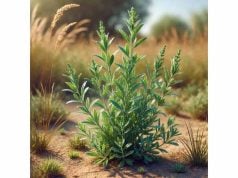
Rumex, most often referring here to Rumex crispus, is better known as yellow dock or curly dock. It is a strong-rooted perennial with wavy leaves and a long history in traditional Western herbalism. While the young leaves have been eaten as spring greens, the root is the part most often used medicinally. Herbal practice has traditionally turned to Rumex for sluggish digestion, mild constipation, skin complaints linked to poor elimination, and formulas meant to “clear” or “move” stagnation. Modern phytochemical research gives some support to that old reputation, especially because the plant contains anthraquinones, tannins, flavonoids, and other phenolic compounds with laxative, astringent, antioxidant, and antimicrobial potential. Even so, Rumex is often overpromoted. It is not a proven cure for anemia, eczema, or liver disease, and its oxalate content means it is not the right herb for everyone. The most useful way to understand it is as a traditional bitter root with mild bowel-moving action, some topical potential, and a safety profile that calls for moderation, careful sourcing, and realistic expectations.
Quick Facts
- Traditionally used to stimulate sluggish digestion and support mild constipation.
- May offer antioxidant and mild antimicrobial effects through anthraquinones, tannins, and related phenolics.
- A cautious traditional intake is about 1 to 5 g dried root per day, depending on preparation and tolerance.
- Avoid medicinal use if you are pregnant, prone to kidney stones, or have active kidney disease or bowel obstruction.
Table of Contents
- What Rumex is and why yellow dock root is still used
- Rumex key compounds and medicinal properties
- Potential health benefits and what the evidence actually supports
- Common uses and practical ways to prepare Rumex
- Dosage, timing, and how long to use it
- Quality, sourcing, and common mistakes
- Safety, side effects, and who should avoid it
What Rumex is and why yellow dock root is still used
Rumex crispus belongs to the dock and sorrel branch of the Polygonaceae family. In everyday language, it is usually called yellow dock or curly dock. The plant grows in disturbed soils, roadsides, fields, and edges of cultivated land, which means many people know it first as a weed rather than as a medicinal herb. That familiarity hides the fact that it has a long herbal history, especially in European and North American traditions.
The root is the main medicinal part. It is thick, yellow inside, distinctly bitter, and often harvested in the cooler seasons. The young leaves are edible, but they are not the part most herbalists rely on for deeper medicinal use. In practice, Rumex has been valued less as a dramatic stand-alone remedy and more as a corrective herb for sluggish patterns: slow digestion, poor bowel movement, coated tongue, skin eruptions associated with constipation, and the kind of heavy, “stuck” feeling that old herbal systems described as stagnation.
That older language can sound vague today, but the idea behind it is practical. Rumex sits at an interesting intersection of bitter tonic, mild laxative, and astringent root. That combination gives it a distinctive rhythm. It can gently stimulate digestive secretions, encourage bowel motion, and still retain some tissue-toning action because of its tannin content. In other words, it is not simply a purge herb. It is better thought of as a root that nudges function rather than forcing it.
Traditional herbalists often placed Rumex beside other bitter digestive roots. If you are familiar with dandelion root for sluggish digestion and bitter support, the comparison can help. Rumex is generally stronger on bowel movement and more associated with skin formulas, while dandelion is more strongly identified with bitter digestive and bile-oriented support.
Rumex is also surrounded by folklore that deserves caution. It is often described as a “blood purifier,” an “iron herb,” or a universal remedy for chronic skin disease. Those descriptions reflect tradition, but they do not automatically translate into well-proven modern uses. The herb’s reputation for anemia support, for example, is much stronger in herbal tradition than in clinical evidence.
Still, there is a reason Rumex persists in practice. It fills a useful niche. It is particularly attractive when constipation and digestive sluggishness seem to be part of a broader pattern that also includes dull skin, mild itchiness, or a feeling of internal heaviness. That does not mean it treats those conditions directly. It means herbalists have long used it where the bowel, liver-bitter axis, and skin seem linked.
This makes Rumex a thoughtful herb rather than a glamorous one. Its strength is not immediate drama. Its strength is careful correction.
Rumex key compounds and medicinal properties
Rumex root has a medicinal profile that makes more sense once you understand its chemistry. Its best-known constituents include anthraquinones, tannins, flavonoids, naphthalene derivatives, and other phenolic compounds. These different groups explain why the root can feel both stimulating and constricting at the same time.
The anthraquinones are central to Rumex’s reputation. Compounds such as emodin, chrysophanol, and physcion or related anthraquinone derivatives are often discussed in Rumex research. These help explain the herb’s mild laxative action and some of its antimicrobial and experimental anti-inflammatory activity. Anthraquinones are also the reason Rumex needs dosage restraint. They can be useful in modest amounts, but stronger or prolonged use can irritate the bowel.
Tannins are the other major part of the story. They bring an astringent quality that herbalists have traditionally valued in loose, irritated, or boggy tissue states. This is one reason Rumex does not behave exactly like stronger stimulant laxatives. Its tannins give it a tightening and drying character that can temper its bowel-moving nature. That combination is unusual and is part of what makes yellow dock feel more balanced than harsher bowel herbs.
Flavonoids and related phenolic compounds contribute antioxidant activity and help explain why Rumex appears in modern research on oxidative stress, inflammation, and cell protection. At the same time, most of that evidence remains preclinical. These compounds are interesting, but they do not automatically turn Rumex into a clinically proven anti-inflammatory medicine.
The root may also contain:
- phenolic acids
- naphthalene-type compounds
- smaller amounts of other secondary metabolites that vary by plant part and extraction method
One of the most important medicinal properties of Rumex is its bitter digestive action. Bitters do not work by supplying nutrients in the usual way. They work by signaling. When a bitter root is tasted, it may stimulate saliva, gastric secretions, and other digestive responses. This is why Rumex is so often chosen when the complaint involves sluggish digestion rather than raw, irritated digestion.
Its second main property is mild aperient or bowel-moving action. This is not the same as a strong cathartic purge. Rumex tends to be described as gentler than the more forceful anthraquinone laxatives, and that makes it useful in people who need support rather than a hard push.
Its third recognizable property is astringent and alterative support. “Alterative” is an old herbal word that does not map neatly onto a single modern mechanism. In practice, it usually implies gradual improvement in elimination, tissue tone, and inflammatory burden over time rather than a fast pharmacological effect.
A final caution belongs here: Rumex species can also contain significant oxalates, especially in leafy parts, and the genus as a whole has safety concerns tied to oxalate load and anthraquinone exposure. That is part of the reason Rumex should be approached as an active herb, not just a wild edible.
Potential health benefits and what the evidence actually supports
Rumex is one of those herbs whose traditional uses are broader than its modern evidence base. The most reliable way to discuss its health benefits is to separate traditional plausibility from what has actually been shown in research.
The strongest practical benefit is support for mild constipation associated with sluggish digestion. This is where the herb’s anthraquinones and bitter principles make the most sense together. Rumex is often used when bowel movement is slow, incomplete, or tied to a generally heavy digestive picture. It is not usually the first choice for acute severe constipation, and it is not the same as a fast stimulant laxative. In fact, many herbalists value it because it is milder and more layered in action than senna and other stronger stimulant laxatives.
A second likely benefit is bitter digestive support. Many people do not need a laxative at all. They need better digestive signaling: more appetite, more secretion, less post-meal stagnation. Rumex may help there, especially when taken in small amounts before or around meals. This is one of the herb’s most useful real-world applications, yet it is often overshadowed by more dramatic claims.
A third traditional benefit is supportive use in chronic skin patterns linked with sluggish elimination. This is harder to translate into strict biomedical language, but it remains part of classic herbal reasoning. Rumex is not a direct eczema cure and not a stand-alone acne treatment. Instead, it has often been used when skin irritation appears alongside constipation, poor digestion, or a generally overburdened internal picture. The herb’s use in these formulas is more systemic than topical.
Modern laboratory work adds some plausibility to this. Rumex extracts and isolated compounds have shown:
- antioxidant activity
- antimicrobial activity
- anti-inflammatory potential
- enzyme-inhibiting and cytotoxic effects in experimental settings
These are real findings, but they need context. Experimental antimicrobial activity does not mean Rumex root tea can treat infection in a clinical setting. Cytotoxic effects in lab studies do not mean the herb treats cancer. Enzyme activity against targets relevant to gout, glucose metabolism, or cholinesterase function is interesting, but not the same as proven benefit in human disease.
This distinction matters because Rumex is heavily romanticized online. Claims about “detox,” iron absorption, liver cleansing, lymph drainage, and blood building are widespread, but human clinical evidence is thin. The iron story is especially important. Yellow dock is often marketed as an iron herb, yet it is not an iron supplement in the conventional sense, and oxalates can complicate mineral handling. It is wiser to describe any anemia use as traditional and indirect rather than evidence-based and primary.
So what does the evidence support most honestly? Rumex appears best suited to:
- mild bowel sluggishness
- digestive bitterness and stimulation
- inclusion in broader traditional formulas for skin and elimination patterns
- experimental interest as a source of bioactive compounds
That still leaves plenty of value. A herb does not need blockbuster clinical data to be useful. It just needs to be matched to the right problem and used with honest expectations.
Common uses and practical ways to prepare Rumex
The most common medicinal use of Rumex is the root, usually dried. Fresh root is more likely to be harsh or irritating, while dried root is more stable and easier to dose. The traditional preparations are simple: decoctions, tinctures, powders, and occasionally formulas that combine Rumex with other herbs chosen for bowel, liver, or skin support.
A decoction is one of the most practical forms. Because Rumex is a root, it is usually simmered rather than only steeped. This draws out the bitter and astringent compounds more effectively than a short infusion would. A decoction tends to fit best when the goal is slow digestion, mild constipation, or general traditional “alterative” use over several days rather than a single urgent bowel effect.
A tincture is also common. It is easier to take, more concentrated, and often used when the desired dose is small but regular. Tinctures can make sense when Rumex is being used more for digestive signaling than for bulk herbal tea use.
A powder or capsule is the most convenient but not always the best starting place. Powders remove the taste, and with bitter roots the taste is part of the action. If you skip bitterness entirely, you may lose part of the digestive response that makes the herb useful.
Rumex is also sometimes included in multi-herb formulas, especially when the pattern includes skin complaints and digestive sluggishness together. This is where traditional pairings matter. It is often combined with herbs used for skin-focused constitutional support, such as burdock in traditional skin and elimination formulas, or with bowel and liver bitters that help distribute the work more broadly.
In everyday use, people tend to turn to Rumex for:
- constipation that feels slow and dry but not severe
- digestion that feels weak, heavy, or underactive
- chronic skin states where bowel regularity seems poor
- formulas aimed at gradual internal clearing rather than immediate symptom suppression
Some people also use the young leaves as food. This is a separate question from medicinal root use. Young leaves can be eaten in small amounts, especially when cooked, but they are more relevant as wild greens than as a dependable medicinal form. Their oxalate content is one reason food use should stay moderate.
Topical use exists in tradition, but it is less central than root use. Rumex is more often considered an internally acting herb whose effects may show up on the skin than a first-choice external remedy. When skin comfort is the main goal, many practitioners reach for herbs with a clearer topical identity.
The most practical insight here is that Rumex works best when it is used for a defined purpose and in the right form. A decoction for sluggish digestion makes sense. Randomly sprinkling powder into smoothies for “detox” does not. Rumex is not a trendy adaptogen or a broad nutritional tonic. It is a directional herb, and it performs best when that direction is respected.
Dosage, timing, and how long to use it
Rumex does not have a universally standardized clinical dose, which means dosing should stay conservative and tied to traditional practice. A useful modern summary from broader Rumex literature is that decoctions or infusions are often used in the range of about 1 to 5 g of dried plant material per day. For Rumex crispus root, that makes a reasonable cautious starting framework.
In practical terms, this usually means:
- a low daily amount when the goal is digestive stimulation
- a somewhat stronger amount when the goal is mild bowel movement
- divided use rather than a single large daily dose
When used as a decoction, many people do better with smaller amounts taken once or twice daily rather than a strong, aggressive dose. That is because Rumex is most useful when it nudges function. If you push it too far, it can become irritating and defeat the goal.
Timing matters:
- Before meals can make sense when the main goal is bitter digestive support.
- After meals may suit people who feel heavy, sluggish, or constipated after eating.
- At night is less predictable, because even a mild bowel herb can become inconvenient if it stimulates movement while you are trying to sleep.
Duration matters even more. Rumex is not well suited to indefinite self-prescribing. A short course of several days to around 1 to 2 weeks is a reasonable self-care window for mild constipation or digestive stagnation. If there is no benefit, increasing the dose repeatedly is usually not the right answer. It is better to reassess the pattern.
This is also where comparison helps. People sometimes use Rumex when what they really need is more fiber, more fluid, and a gentler form of bowel regularity support such as psyllium for bulk-forming bowel support. Rumex can help move a sluggish bowel, but it does not replace the basics of hydration, fiber, and meal rhythm.
A few practical dosage principles are worth keeping in mind:
- Start low if you are sensitive to bitter or bowel-stimulating herbs.
- Do not stack Rumex with multiple other laxative herbs unless guided professionally.
- Stop if cramping, loose stools, or marked urgency develops.
- Avoid using it as a daily default bowel crutch.
One of the most common errors with yellow dock is taking too much because it is described as “gentle.” Gentle does not mean unlimited. Rumex contains active compounds, and active compounds still need boundaries.
There is also the question of tinctures and capsules. Because concentrations vary so much by product, label directions matter more there than general internet dosing advice. If a product does not clearly state the extract ratio, the plant part used, and the serving size, it is hard to judge responsibly.
The best summary is simple: use Rumex in modest amounts, for clear goals, and for limited periods. It is a traditional corrective herb, not a daily dependency herb.
Quality, sourcing, and common mistakes
Rumex is common in the wild, which creates both an advantage and a problem. The advantage is that it is easy to find. The problem is that easy-to-find plants are often harvested carelessly, misidentified, or taken from contaminated ground. A weed growing beside a road is not the same thing as clean medicinal material.
For medicinal use, the root should be the clearly identified part. Products should list Rumex crispus specifically rather than just “dock root.” That matters because the genus is large, and while related species overlap in chemistry, they are not identical. A good supplier should also indicate whether the material is dried root, powdered root, or an extract, because form affects both action and safety.
Quality matters especially with Rumex because the herb sits between food and medicine. People often assume that because the leaves are edible and the plant is wild, safety is automatic. It is not. Oxalate load, anthraquinone activity, environmental contaminants, and harvesting conditions all shape the finished herb.
The most common mistakes include:
- Using the leaves like the root.
Young leaves are edible in small amounts, but medicinal yellow dock use usually centers on the root. They are not interchangeable. - Harvesting from polluted areas.
Rumex often grows where runoff, herbicides, or heavy traffic are present. That makes casual foraging a poor option unless the site is clearly clean. - Treating it as an iron supplement.
This is one of the biggest misunderstandings. Yellow dock may appear in traditional formulas for low vitality or anemia patterns, but it is not a substitute for evidence-based iron therapy. - Using it long term for constipation.
Even mild anthraquinone herbs should not become an everyday crutch. - Overreading preclinical research.
Lab findings on antimicrobial, antioxidant, or cytotoxic effects are interesting, but they do not equal clinical proof.
Another common issue is buying products with vague marketing language like “detox root,” “blood purifier,” or “deep cleanse complex” without any clear botanical labeling. The more dramatic the promise and the less specific the plant information, the less confidence the product deserves.
Good sourcing means looking for:
- the full botanical name
- the plant part used
- a clean origin
- sensible storage and freshness
- absence of heavy flavor masking that can hide stale material
Rumex also benefits from realistic positioning. It is not the best choice for every digestive complaint. For irritated mucosa, ulcers, or burning reflux, it may be too sharp. For profound constipation, it may be too mild. For nutritional rebuilding, it is too indirect. Its best fit is the middle ground: stagnation, mild sluggishness, and the need for a bitter root that also moves the bowel a little.
That is the real quality test with Rumex. The best use comes not only from a good herb, but from a good match.
Safety, side effects, and who should avoid it
Rumex is often described as gentle, but its safety profile deserves more respect than that word suggests. The two main reasons are anthraquinones and oxalates. Anthraquinones account for much of the herb’s bowel-moving action. Oxalates are more commonly discussed in the leaves and in the genus overall, but they still matter for people prone to kidney stones or impaired mineral handling.
The most likely short-term side effects are:
- loose stools
- abdominal cramping
- nausea
- bowel urgency
- throat or stomach irritation if the preparation is too strong
These effects are more likely when the dose is too high or when Rumex is taken repeatedly without clear need. Fresh raw root can be especially irritating, which is why dried root is traditionally preferred.
People who should avoid medicinal Rumex use unless advised by a qualified professional include:
- those who are pregnant
- those who are breastfeeding
- people with kidney stones, especially calcium oxalate stones
- people with chronic kidney disease
- those with bowel obstruction, active inflammatory bowel flare, or unexplained abdominal pain
- people already using laxatives regularly
It is also wise to be cautious if you take:
- prescription laxatives
- diuretics
- medicines affected by dehydration or electrolyte changes
- multiple supplements with bowel-stimulating effects
Because Rumex can loosen the bowels, excessive use could in theory worsen dehydration or electrolyte imbalance. That matters more in older adults, in people with frail health, and in anyone already taking medicines where fluid balance is important.
There is another safety issue that is less obvious: delay of proper treatment. Rumex should not be used to manage persistent bleeding, severe constipation, major skin inflammation, weight loss, or suspected iron-deficiency anemia without proper evaluation. This point is especially important because yellow dock is so often recommended online for “building blood.” If low iron is suspected, real testing matters more than folklore.
A sensible way to think about safety is to remember that Rumex is neither a harmless salad green nor a harsh pharmaceutical purge. It sits between those extremes. In food-like amounts, especially as cooked young leaves, it may be modestly tolerated by many people. In medicinal root doses, it becomes a deliberate herb that requires judgment.
Stop use and seek medical advice if you notice:
- persistent diarrhea
- severe abdominal pain
- vomiting
- signs of dehydration
- worsening urinary pain or stone symptoms
- rash or unusual reaction after taking it
The bottom line is clear. Rumex may be a useful traditional herb for short-term digestive and elimination support, but it is not suitable for long-term casual use, and it is not the right choice for anyone with oxalate risk, bowel red flags, or a need for precise mineral therapy. Respecting those limits is what keeps Rumex helpful rather than troublesome.
References
- Rumex crispus L.: A comprehensive review on botany, traditional uses, phytochemistry, pharmacology, and safety 2024 (Review)
- Rumex Species: Phytochemistry, Pharmacology and Nutritional Potential for Food and Health Applications 2025 (Review)
- The genus Rumex (Polygonaceae): an ethnobotanical, phytochemical and pharmacological review 2022 (Review)
- More Than Just a Weed: An Exploration of the Antimicrobial Activity of Rumex crispus using a Multivariate Data Analysis Approach 2022 (Experimental Study)
- Phytochemical Composition, Antioxidant, Antiacetylcholinesterase, and Cytotoxic Activities of Rumex crispus L 2021 (Experimental Study)
Disclaimer
This article is for educational purposes only and does not replace medical advice, diagnosis, or treatment. Rumex may support mild digestive sluggishness and short-term bowel regularity in some people, but it is not a proven treatment for anemia, eczema, liver disease, or chronic constipation. Speak with a qualified healthcare professional before using Rumex medicinally if you are pregnant, breastfeeding, have kidney disease or kidney stones, take prescription laxatives or diuretics, or are managing any persistent digestive or skin condition.
If you found this article useful, please consider sharing it on Facebook, X, or any other platform you prefer.