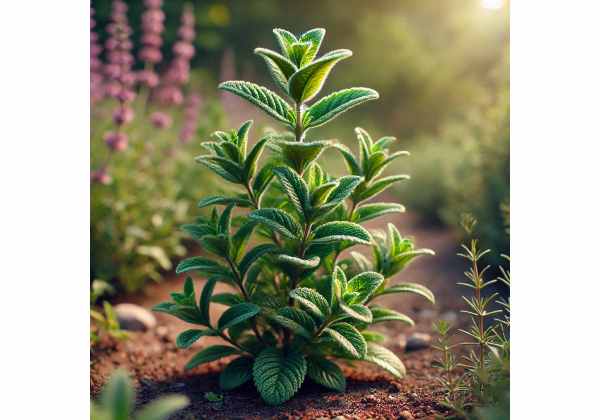
Rosemary mint is a fragrant spearmint cultivar, not a separate medicinal species. In practical terms, that matters: when people talk about its benefits, they are usually drawing on the broader research on Mentha spicata rather than on trials done specifically on the named garden cultivar itself. Even so, that broader spearmint evidence is useful. It suggests a herb with real everyday value for digestion, oral freshness, gentle antioxidant support, and, in concentrated standardized extracts, possible cognitive benefits.
What makes rosemary mint especially interesting is the way it sits between kitchen herb and mild traditional remedy. It has the sweet, fresh character of spearmint, often with a more resinous, herbaceous note that explains the “rosemary mint” name. Its main active compounds include carvone, rosmarinic acid, and flavonoids, which help explain its aroma, soothing digestive effects, and protective plant chemistry.
For most people, rosemary mint is best understood as a versatile herb to use in tea, food, and simple self-care, while keeping expectations realistic and safety in mind.
Essential Insights
- Rosemary mint is most useful for digestive comfort and everyday antioxidant support.
- Standardized spearmint extracts may support attention and working memory, but this evidence is stronger than the evidence for casual tea use.
- A research-backed extract range is 600 to 900 mg daily, while tea is usually used in modest food-like amounts.
- Avoid concentrated extracts or essential oil if you are pregnant, breastfeeding, very young, or sensitive to mint-family herbs.
Table of Contents
- What is rosemary mint and how is it different?
- Key ingredients and medicinal properties
- Rosemary mint health benefits and where the evidence is strongest
- How to use rosemary mint in tea, food, and simple remedies
- How much rosemary mint to take and for how long
- Side effects, interactions, and who should avoid rosemary mint
What is rosemary mint and how is it different?
Rosemary mint is generally sold as a cultivar of spearmint, Mentha spicata. That means it belongs to the same species used in herbal teas, culinary sauces, chewing gum flavoring, and many traditional digestive remedies. The “rosemary mint” name usually reflects its aroma and garden identity more than a radically different medicinal profile. In other words, it is a spearmint type with a distinctive scent, not a separate herb with its own fully independent evidence base.
This distinction helps readers stay grounded. A plant label can make a cultivar sound exotic, but most of the meaningful data come from studies on spearmint as a species or from standardized spearmint extracts rich in polyphenols such as rosmarinic acid. So when you see claims about cognition, digestion, antioxidant activity, or hormonal effects, the most honest interpretation is that rosemary mint may share those traits to some degree, but the exact intensity depends on growing conditions, harvest time, drying, and preparation.
Rosemary mint also differs from peppermint in a practical way. Spearmint is usually sweeter, softer, and less aggressively cooling because its chemistry tends to be driven more by carvone than by the menthol-heavy profile associated with peppermint. That is one reason many people find spearmint-style teas easier to drink regularly. The flavor is rounder, greener, and less sharp.
From a home-use perspective, rosemary mint has three identities at once:
- a culinary herb for salads, yogurt sauces, fruit dishes, grains, and chilled drinks
- a tea herb for post-meal comfort and a refreshing daily infusion
- an aromatic herb that can add a sense of clarity and cleanliness to the kitchen or garden
Its garden behavior matters too. Like other mints, it spreads readily, grows best with moisture and sun to partial shade, and can become invasive if planted directly into open soil. That aggressive growth does not change its medicinal value, but it does make it one of the easier herbs to keep fresh at home.
If you want the broader botanical and practical background, it helps to compare rosemary mint with the wider spearmint profile rather than treating it as a completely separate plant. That is the clearest path to realistic, evidence-based use.
Key ingredients and medicinal properties
Rosemary mint’s value comes from a mix of volatile oils and nonvolatile polyphenols. That blend is why the herb can smell bright and lively while also offering quieter effects such as digestive ease and antioxidant protection. Understanding the chemistry makes the practical uses easier to judge.
The first key compound is carvone. This is one of the signature aroma molecules in spearmint. It gives the plant much of its sweet, clean, recognizably spearmint character. Carvone helps explain why the herb feels refreshing rather than harsh. In traditional use, this aromatic fraction is closely tied to the herb’s carminative role, meaning its tendency to support comfortable digestion and reduce the sense of fullness or gas after meals.
The second major compound group is polyphenols, especially rosmarinic acid. One of the most studied compounds in mint-family herbs is rosmarinic acid, a phenolic molecule associated with antioxidant and inflammation-modulating activity. In plain language, this means it may help the plant counter oxidative stress and support tissue resilience. It is also one reason spearmint extracts have attracted interest for cognitive support and broader protective effects.
Rosemary mint also contains flavonoids and other phenolic acids. These do not create the headline aroma, but they contribute to the herb’s biological depth. Together, these compounds are linked with free-radical scavenging activity, mild antimicrobial effects, and possible support for vascular and neural tissues.
Its medicinal profile is best understood through the following actions:
- Carminative: helps settle the stomach and reduce gas or heaviness
- Antispasmodic: may ease mild digestive cramping by supporting smoother muscle relaxation
- Antioxidant: provides plant compounds that help buffer oxidative stress
- Mild antimicrobial: useful more for freshness and traditional oral use than for treating infection
- Aromatic stimulating yet calming: can feel mentally refreshing without the sharper effect some people get from stronger mint oils
An important nuance is that the chemistry can vary a lot. Fresh leaves, dried leaves, tea infusions, tinctures, essential oils, and proprietary extracts are not equivalent. A tea pulls more water-soluble compounds and a gentler aromatic fraction. A standardized extract may concentrate rosmarinic acid much more aggressively. Essential oil is different again, because it is dominated by volatile constituents and is far stronger than the leaf itself.
This explains why medicinal properties should never be discussed as if all forms behave the same way. A cup of rosemary mint tea is a food-like traditional preparation. A capsule standardized for polyphenols is a supplement. An essential oil is a concentrated aromatic product that demands far more caution.
Rosemary mint health benefits and where the evidence is strongest
The most useful way to discuss rosemary mint benefits is to separate traditional, plausible, and clinically studied effects. That keeps the article honest and practical.
Digestive comfort is the strongest traditional use. Spearmint-type herbs have long been used after meals for bloating, mild cramping, heaviness, and occasional nausea. Rosemary mint fits well here. The aromatic oils can make a simple infusion feel settling, especially after rich food. This is the benefit most people are likely to notice from ordinary tea use.
Antioxidant support is also credible, though it is less dramatic in day-to-day experience. Rosemary mint contains rosmarinic acid and related phenolics that help explain the herb’s reputation for protective plant chemistry. This does not mean a cup of tea acts like a drug. It means the herb contributes biologically active compounds that may support a less inflammatory internal environment over time as part of a broader diet.
Cognitive support is one of the more interesting research areas, but it needs context. Human studies on standardized spearmint extracts, not casual rosemary mint tea, have reported improvements in attention and working memory at higher daily doses over several weeks. That is encouraging, but it should not be turned into an exaggerated promise. The better conclusion is that concentrated, polyphenol-rich spearmint extracts have some early clinical evidence for cognitive performance, while ordinary herb tea remains a milder, everyday preparation.
Hormonal effects deserve careful wording. Small studies on spearmint tea have suggested anti-androgen activity, especially in women with hirsutism or polycystic ovary syndrome. This is a real line of interest, but the evidence base is still small and not strong enough for self-treatment claims. Rosemary mint should not be framed as a proven hormone-balancing therapy. At most, it is a mint-family herb with preliminary evidence in that area.
Oral freshness and post-meal clarity are highly practical benefits. Even without making medical claims, rosemary mint earns its place here. The aromatic oils freshen breath, pair well with food, and create a clean sensory finish after meals. This may sound simple, but it is one reason mint herbs remain so durable in traditional use.
A balanced evidence hierarchy looks like this:
- Most practical and established: digestive comfort, flavor, breath freshness
- Biologically plausible and supported by phytochemistry: antioxidant and mild inflammation-modulating effects
- Promising but more product-specific: attention and working memory support from standardized extracts
- Interesting but still limited: anti-androgen or hormone-related effects
Within the broader mint family, rosemary mint should be seen as a gentle daily herb rather than a strong corrective remedy. That is often its advantage. It is easier to integrate consistently, and its best role is supportive rather than heroic.
How to use rosemary mint in tea, food, and simple remedies
Rosemary mint is most rewarding when used in ways that respect its scale. It shines in kitchen-level and tea-level preparations. That is where the herb feels most natural, and where safety is easiest to manage.
The simplest method is tea. A warm infusion works well after meals, during hot weather, or as a lighter evening drink when you want something fresh but not stimulating in the caffeinated sense. The flavor is usually sweet-green and pleasantly aromatic. Many people combine it with lemon peel, ginger, or chamomile depending on the purpose.
It is also an excellent culinary herb. Rosemary mint can be chopped into yogurt sauces, grain salads, bean dishes, cucumber preparations, fruit bowls, and sparkling water. Because it is softer than peppermint, it tends to integrate into food rather than dominate it. That makes it especially good for savory dishes where you want freshness without a strong cooling effect.
A few practical uses stand out:
- Post-meal infusion: for fullness, mild gas, or heavy meals
- Cold infusion or infused water: for warm weather hydration and light aroma
- Fresh garnish: over peas, potatoes, melon, yogurt, or lamb-style dishes
- Herb blend: with lemon balm, fennel, or ginger for broader digestive support
- Steam or aroma use: a few bruised leaves in hot water for scent, not as a medical inhalation treatment
Compared with peppermint’s more menthol-forward character, rosemary mint is often easier to use daily if you prefer a sweeter and less forceful mint profile.
For home remedy use, the safest rule is this: start with the leaf, not the essential oil. Whole leaves and standard teas are forgiving. Essential oil is concentrated and can irritate skin, mouth, or stomach if misused. Most people do not need rosemary mint oil internally at all. If you are interested in aromatherapy, diluted external use or passive diffusion is far more sensible than swallowing the oil.
A simple step-by-step routine looks like this:
- Harvest or measure the leaves.
- Bruise them lightly to release aroma.
- Use hot water for tea or add raw to food.
- Try it for a few days and note how your digestion and tolerance respond.
- Increase frequency only if it clearly suits you.
This approach keeps rosemary mint in its most realistic lane: a medicinally interesting culinary herb that can become part of a daily rhythm without turning into an overcomplicated supplement routine.
How much rosemary mint to take and for how long
Dosage depends heavily on the form. This is where many herb articles become too vague. Rosemary mint leaf, rosemary mint tea, and standardized spearmint extract are not interchangeable, so they should not share one generic dose.
For traditional tea use, a practical adult range is about 1.5 to 3 g dried leaf per 250 mL hot water, or a generous small handful of fresh sprigs for a mug. Steep for 5 to 10 minutes, strain, and drink 1 to 3 times daily as needed. This is the best fit for digestive comfort, light refreshment, and routine kitchen-herb use. It is also the form most people tolerate well.
For fresh culinary use, dosage is flexible. Think in tablespoons and sprigs, not milligrams. Add enough to season a dish or drink pleasantly. Food-level use is the most conservative and usually the safest way to enjoy the herb regularly.
For standardized spearmint extracts, the best-known human studies have used 600 to 900 mg daily for about 90 days. That research was done on proprietary extracts rich in polyphenols, especially rosmarinic acid, and it is most relevant to attention and working memory rather than simple digestion. If someone wants a research-style dose, product quality matters more than the cultivar name on a garden label.
For tinctures or liquid extracts, there is too much brand-to-brand variability to give a universal number responsibly. In this case, the label and standardization matter. Look for a product that clearly states the extract ratio or active marker content, and stay close to manufacturer instructions unless a qualified clinician gives other advice.
A sensible timing plan is:
- After meals: best for bloating, heaviness, and digestive comfort
- Earlier in the day: better if you are using a concentrated extract for mental clarity
- Evening: fine for tea if you personally find the aroma calming rather than stimulating
Duration also depends on the form:
- Tea and culinary use: can be used regularly if well tolerated
- Standardized extract: better used in defined blocks, such as 6 to 12 weeks, then reassessed
- Essential oil: short-term, minimal, and external unless professionally directed
A simple self-check helps prevent overuse. Ask:
- Is the form I am using food-like or concentrated?
- Am I taking it for a clear reason?
- Am I noticing benefit without irritation?
- Would a milder or lower dose work just as well?
The best rosemary mint dose is usually the smallest useful one. More is not automatically better, especially once you move beyond the leaf and into supplements.
Side effects, interactions, and who should avoid rosemary mint
Rosemary mint is generally low risk when used as food or as a modest tea, but “generally safe” does not mean risk-free. The main safety issue is concentration. Whole leaves are one thing; concentrated extracts and essential oils are another.
The most likely side effects are mild:
- stomach irritation if the tea is very strong
- heartburn or a warm, irritated stomach in sensitive people
- mouth or skin irritation from concentrated preparations
- allergy-like reactions in people sensitive to mint-family plants
If you have a history of reflux, gastritis, or strong sensitivity to aromatic herbs, start with a weak infusion and pay attention to your response. Mint does not bother everyone with reflux, but concentrated preparations can be irritating for some.
Pregnancy and breastfeeding call for a more cautious approach. Culinary use is usually treated very differently from medicinal use. A little rosemary mint in food is not the same as repeated strong infusions, concentrated extracts, or essential oil. Because safety data for medicinal-dose use are limited, it is more prudent to keep intake at food levels unless a clinician advises otherwise.
Children and infants are another special group. Food-level exposure is not the same as therapeutic use, and essential oils around very young children require particular caution. Do not apply concentrated mint oil near an infant’s face, and do not assume that an adult herbal routine is suitable for children.
People who should be especially careful or avoid medicinal use include:
- those with known allergy to mint-family herbs
- people with significant reflux or stomach sensitivity to aromatic herbs
- pregnant or breastfeeding individuals using anything stronger than food amounts
- very young children
- people planning to use essential oil internally
- anyone managing complex chronic illness or multiple prescription medicines without professional guidance
With drug interactions, the evidence is less clear-cut than with some stronger herbs, but caution is still wise. Concentrated herbal extracts can alter tolerance, stomach handling, or individual sensitivity even when formal interaction data are limited. That means you should be conservative if you take medicines for blood sugar, blood pressure, thyroid conditions, mood disorders, or hormone-sensitive conditions.
A useful rule is to separate rosemary mint from medicine in two ways:
- Do not use it to replace appropriate medical care.
- Do not assume a concentrated extract is automatically safe just because the leaf is a common food herb.
The most important safety message is this: rosemary mint is a gentle herb at kitchen scale, but it becomes a different product category when concentrated. Respecting that difference is what keeps use both practical and safe.
References
- Investigating the Health Potential of Mentha Species Against Gastrointestinal Disorders—A Systematic Review of Clinical Evidence 2025 (Systematic Review)
- Medicinal Uses, Phytochemistry, Pharmacology, and Toxicology of Mentha spicata 2022 (Review)
- Spearmint (Mentha spicata L.) Phytochemical Profile: Impact of Pre/Post-Harvest Processing and Extractive Recovery 2022
- Spearmint Extract Improves Working Memory in Men and Women with Age-Associated Memory Impairment 2018 (RCT)
- Safety and tolerability of a dried aqueous spearmint extract 2017 (RCT)
Disclaimer
This article is for educational purposes only and is not a diagnosis, treatment plan, or substitute for medical advice. Rosemary mint is a culinary and traditional herbal plant, but individual responses can vary by health status, preparation, dose, and medication use. If you are pregnant, breastfeeding, giving herbs to a child, managing a chronic condition, or taking prescription medicines, speak with a qualified healthcare professional before using concentrated extracts or essential oils.
If this article helped you, please share it on Facebook, X (formerly Twitter), or your preferred platform so others can find it.