Spearmint, Mentha spicata, is one of the most familiar culinary herbs in the world, yet it deserves more attention as a medicinal plant. Its bright, sweet-cool flavor makes it gentler than peppermint, while its chemistry gives it real therapeutic interest. Traditionally, spearmint has been used for digestive discomfort, bad breath, mild respiratory irritation, and general refreshment. Modern research has expanded that picture. Today, spearmint is studied for its polyphenols, especially rosmarinic acid, along with carvone-rich essential oil compounds that may help explain its antioxidant, anti-inflammatory, antimicrobial, cognitive, and hormone-related effects.
What makes spearmint especially appealing is its flexibility. It can be used as a food, a tea, or a standardized extract, depending on the goal. At the same time, it is easy to overstate what it can do. Some claims are rooted in tradition, some in laboratory work, and a few in small but meaningful human trials. The most useful approach is to treat spearmint as a practical herb with several promising strengths, while keeping dosage, expectations, and safety grounded in evidence rather than hype.
Quick Overview
- Spearmint may support digestion and post-meal comfort, especially when used as a tea.
- Standardized spearmint extracts and teas may also support memory or androgen-related symptoms in specific settings.
- A practical adult range is often 1 to 2 g dried leaf per cup of tea, up to 2 to 3 cups daily.
- Avoid concentrated internal use if you are pregnant, breastfeeding, prone to significant reflux, or taking glucose-lowering medicines without guidance.
Table of Contents
- What Spearmint Is and Why It Stands Apart
- Key Ingredients and Medicinal Properties
- Health Benefits and What the Best Evidence Shows
- Traditional and Modern Uses of Spearmint
- Dosage, Forms, Timing, and How to Use It Well
- Safety, Side Effects, and Who Should Avoid It
- How to Choose, Store, and Get the Most from Spearmint
What Spearmint Is and Why It Stands Apart
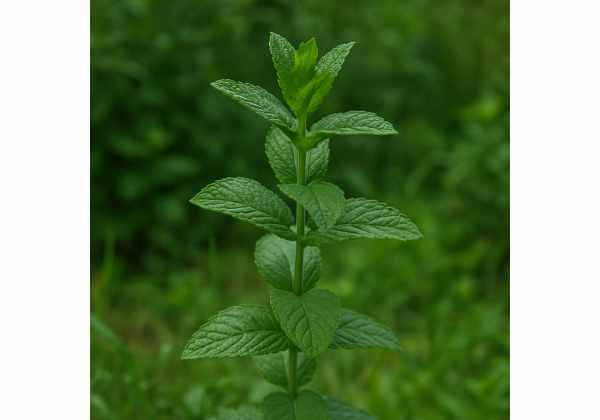
Spearmint is a perennial herb in the mint family, known botanically as Mentha spicata. It has narrow serrated leaves, square stems, and the lively aroma that people often associate with chewing gum, herbal tea, and fresh summer dishes. Yet its flavor profile tells you something important about its medicinal character. Unlike peppermint, which is dominated by menthol and often feels strongly cooling, spearmint is usually richer in carvone. That gives it a sweeter, softer, more rounded taste.
That difference matters. It helps explain why spearmint often feels easier to drink as a tea and easier to use in food, especially for people who find peppermint too intense. In many households, spearmint is the more approachable mint. It is added to yogurt sauces, salads, fruit, beans, grain dishes, and hot or iced infusions. In traditional medicine, those same leaves were used for stomach discomfort, throat irritation, halitosis, and mild infectious complaints.
Spearmint also stands apart because it bridges three different roles well. It is a culinary herb, a household remedy, and a research subject. Many herbs are strong in one category and weak in the others. Spearmint does reasonably well in all three. It tastes pleasant enough for repeated use, has enough traditional backing to feel familiar, and has attracted enough scientific interest to support more than vague wellness claims.
Still, it helps to place spearmint inside the larger context of the broader mint family. Mint species overlap in aroma, chemistry, and folk use, but they are not interchangeable. Peppermint is often more spasmolytic and cooling. Lemon balm is gentler and more calming. Spearmint tends to sit in the middle: refreshing, aromatic, digestive, and increasingly interesting for cognitive and hormone-related research.
Another reason spearmint stands out is its unusually broad public image. Some people think of it only as a culinary garnish. Others know it as a PCOS tea. Others encounter it as a branded high-polyphenol extract for memory or attention. These are all real use contexts, but they are not identical. A handful of fresh leaves in a salad is not the same as a daily tea routine, and neither is the same as a 900 mg standardized extract.
The best way to understand spearmint is to start with its nature: a mild but active mint herb with traditional digestive value, modern phytochemical interest, and a few human trials that make it more than just a pleasant flavor. That balance between familiarity and real medicinal potential is exactly what gives it lasting appeal.
Key Ingredients and Medicinal Properties
Spearmint’s medicinal profile comes from both its essential oil and its non-volatile polyphenols. This dual chemistry is one reason the herb is so versatile. One part of its activity is aromatic and immediate. Another part is slower, subtler, and more connected to long-term tissue protection.
The essential oil of spearmint is typically dominated by carvone, often with limonene, 1,8-cineole, menthone, and smaller amounts of other terpenes. Carvone is a defining feature. It contributes to spearmint’s sweeter scent and helps distinguish it from peppermint, where menthol plays a much larger role. These volatile compounds are relevant to spearmint’s fragrance, digestive feel, antimicrobial effects, and food-preserving qualities.
Its non-volatile compounds are just as important, and arguably more important in tea and extract research. Spearmint leaves contain phenolic acids and flavonoids, with rosmarinic acid and related derivatives often standing out. Some analyses show that rosmarinic acid and its related compounds account for a very large share of the detected phenolics in polar extracts. Flavonoids such as luteolin, apigenin, rutin, naringenin, catechin, and epicatechin have also been reported. Together, these molecules help explain why spearmint is studied for antioxidant and anti-inflammatory effects rather than only for aroma.
From a practical perspective, spearmint’s main medicinal properties are usually described as:
- Digestive-supportive
- Carminative
- Mildly antimicrobial
- Antioxidant
- Anti-inflammatory
- Possibly antiandrogenic in specific tea-based use
- Potentially cognition-supportive in standardized extract form
That list needs context. “Digestive-supportive” does not mean spearmint is the strongest antispasmodic mint. “Antioxidant” does not mean it prevents disease on its own. And “antiandrogenic” does not mean it is a hormone cure. It means the plant contains compounds that have shown biologic activity worth paying attention to.
Rosmarinic acid deserves special mention because it connects several of spearmint’s modern uses. It is associated with antioxidant and inflammation-modulating effects and is often highlighted in high-polyphenol spearmint products studied for working memory and osteoarthritis-related symptoms. Even when the whole plant is used rather than a purified compound, rosmarinic acid helps explain why spearmint has moved from a simple tea herb into the nutraceutical conversation.
At the same time, essential oil chemistry varies with growing conditions, cultivar, and storage. Some spearmint preparations are much more carvone-rich than others. That means not every tea, essential oil, or extract behaves exactly the same. Product quality and type matter.
In short, spearmint is chemically richer than it first appears. Its volatile oils give it aroma and immediate sensory effects, while its polyphenols and flavonoids support the broader medicinal story. This is why a common kitchen herb can also serve as a meaningful medicinal plant when used in the right form and for the right purpose.
Health Benefits and What the Best Evidence Shows
Spearmint’s health benefits fall into three categories: traditional uses that remain plausible, laboratory findings that are promising but not clinical, and a smaller set of human outcomes that are worth taking seriously.
The most familiar benefit is digestive comfort. Spearmint tea is widely used after meals for bloating, fullness, and general stomach unease. This fits the herb’s aromatic, carminative nature and its long history in herbal practice. But it is important to be precise. Most of the strongest clinical evidence for mint-family gastrointestinal relief involves peppermint or mixed mint preparations, not spearmint alone. So spearmint deserves credit as a traditional digestive herb, but not the same level of evidence that peppermint has for conditions like IBS.
A second benefit area is cognition. This is one of the more interesting modern developments. A standardized spearmint extract high in polyphenols, including rosmarinic acid, improved aspects of working memory in older adults with age-associated memory impairment when taken at 900 mg daily for 90 days. That does not mean ordinary spearmint tea will reproduce the same result, but it does mean spearmint has moved beyond folklore in this area. For readers curious about herbs linked to sharper thinking, rosemary for memory support is another useful comparison point, though the chemistry and evidence differ.
A third benefit area is androgen-related symptoms, especially in women with PCOS-associated hirsutism. One small randomized controlled trial found that spearmint tea taken twice daily for 30 days lowered free and total testosterone and improved self-reported hirsutism. However, objective hirsutism scores did not change significantly over the short study period. That is an important nuance. Spearmint may influence androgen-related physiology, but it is not a quick cosmetic fix, and it should not be oversold as a stand-alone treatment.
A fourth possible benefit area is mild blood pressure support, though the evidence is mixed. A recent meta-analysis of Mentha trials found no statistically significant overall reduction in blood pressure, though some subgroup findings were more favorable. That suggests the broader mint family may have modest vascular potential, but spearmint should not be positioned as a primary antihypertensive herb.
Then there is the larger bucket of laboratory findings: antioxidant, antimicrobial, anti-inflammatory, antiparasitic, and antidiabetic activity. These are real areas of study, and they help explain why spearmint is of ongoing interest. But most of these results come from in vitro or animal work, not from strong human trials. They support plausibility, not certainty.
The most balanced conclusion is this: spearmint has its strongest practical case for digestive use, selective hormone-related use, and certain standardized cognitive applications. It also has a broad bench of preclinical promise. What it does not have is enough evidence to justify miracle language. Spearmint works best when it is treated as a capable herb with specific strengths, not as an answer to every inflammatory, metabolic, or hormonal problem.
Traditional and Modern Uses of Spearmint
Spearmint has stayed relevant because it is easy to use in daily life. Many medicinal herbs have a gap between their traditional reputation and modern practicality. Spearmint does not. It moves naturally from kitchen to teacup to supplement shelf.
Traditionally, the leaves were used for:
- Indigestion and gas
- Mild nausea
- Refreshing the mouth and breath
- Sore throat and mild respiratory irritation
- Headache or tension-related discomfort in folk use
- General cooling and refreshment in warm climates
These older uses still make sense today, especially in tea form. A warm cup of spearmint after a heavy meal is one of the most accessible herbal routines there is. It does not require a complicated protocol, and many people tolerate it well. In that sense, it shares some territory with peppermint for digestive and respiratory use, though spearmint is usually milder and less strongly cooling.
Modern uses have become more specialized. Spearmint tea is now commonly discussed in the context of androgen excess and PCOS-related symptoms. Standardized spearmint extracts are marketed for memory, focus, or healthy aging. The herb also appears in oral-care products, culinary seasonings, essential oil blends, and functional beverages.
One of the smartest ways to use spearmint is still the simplest: regular food use. Fresh leaves in tabbouleh-style salads, yogurt sauces, lentils, cucumber dishes, and fruit are not just pleasant. They create steady, realistic intake of the herb without turning it into a quasi-drug. For many people, this kind of repeated culinary use is more sustainable than an intense supplement routine.
Spearmint tea also has a useful role as a gentle daily ritual. It can fit after meals, in the afternoon, or in place of sugary drinks. Because its flavor is sweeter and less sharp than peppermint, some people find it easier to drink consistently. That consistency matters more than novelty.
Essential oil is a different story. Spearmint essential oil is potent and belongs more in aromatherapy, fragrance, or carefully diluted topical formulations than in casual internal use. The pleasant smell can make it seem harmless, but concentrated oil is not equivalent to leaf tea.
Modern hormonal use deserves special care. Small trials support a role for spearmint tea in androgen-related complaints, but it should not be confused with a full reproductive strategy. Someone looking into herbs for cycle-related or hormonal support may also encounter chaste tree in hormone-focused herbal care, but the mechanisms and best-fit situations are not the same.
The practical lesson is that spearmint is most useful when form matches purpose. Food use suits general wellness. Tea suits digestion and mild routine support. Standardized extracts suit research-based targeted goals. Confusion usually begins when those categories are blended as if they were interchangeable.
Dosage, Forms, Timing, and How to Use It Well
Spearmint can be used as fresh leaf, dried tea, tincture, capsule, standardized extract, or essential oil. Each form has a different intensity and a different logic. A good dosage discussion has to respect that rather than pretending there is one universal number.
For tea, a common practical adult range is about 1 to 2 g dried leaf per cup, steeped for 5 to 10 minutes, up to 2 or 3 times daily. Fresh leaves can also be used, usually a small handful per cup depending on strength and taste. This is the most traditional and accessible form, and it suits everyday digestive use well.
For hormone-related tea routines, the human trial that gets the most attention used spearmint tea twice daily for 30 days. That does not mean every person should automatically follow that schedule, but it does show that twice-daily tea use is one evidence-based pattern rather than a random folk suggestion.
For standardized extracts, the picture changes. The best-known cognition study used 900 mg per day of a dried aqueous spearmint extract for 90 days in older adults with age-associated memory impairment. That is not equivalent to an ordinary kitchen tea. Standardized extracts are concentrated, measured, and designed to deliver higher polyphenol levels, especially rosmarinic acid.
A sensible way to think about spearmint dosing is:
- Food use for general wellness and enjoyment
- Tea for digestion, refreshment, and gentle routine support
- Standardized extract for a specific short-term goal, usually following product labeling
- Essential oil only with strong dilution and purpose, not casual ingestion
Timing matters too. Tea often makes the most sense after meals if the goal is digestion. If the goal is routine hormonal support, consistency is more important than exact timing. For standardized extract, the product directions should lead. Some people prefer taking it with food to reduce the chance of mild stomach irritation.
It is also wise to match the form to the person. Someone who wants a gentle daily herb is often better served by tea than by capsules. Someone seeking a research-matched cognition product may need a standardized extract rather than a handful of leaves. And someone wanting a calm mint-family beverage at night may find lemon balm tea for evening use a better fit than spearmint, depending on the goal.
The biggest dosage mistake is assuming more is always better. Spearmint is pleasant, but concentrated forms can still be active. Start modestly, stay consistent, and choose the form that actually fits the outcome you want. That is usually more effective than jumping between tea, capsules, oils, and tinctures without a plan.
Safety, Side Effects, and Who Should Avoid It
Spearmint is generally well tolerated as a culinary herb and tea, especially in ordinary food-like amounts. That broad everyday use is one reason it feels so approachable. Still, “common” does not mean “risk-free,” and the safety profile changes with concentration.
Tea and food use are usually the gentlest forms. Most healthy adults tolerate them well. Possible minor side effects include stomach upset, nausea, or throat irritation if the tea is very strong. In people prone to reflux, mint-family herbs can sometimes relax the lower esophageal sphincter enough to make symptoms worse. Peppermint is more notorious for this, but spearmint is not automatically exempt.
Concentrated extracts deserve more thought. The main concerns are not dramatic toxicity in normal use, but the possibility of stronger physiologic effects or interactions. Because spearmint may modestly affect androgen levels in some contexts and may have glucose-related or vascular effects in laboratory research, people using it therapeutically should be more cautious than people simply adding fresh leaves to lunch.
The groups who should be most careful include:
- Pregnant people
- Breastfeeding people
- People with significant reflux or chronic upper GI irritation
- People taking diabetes medications
- People taking blood pressure medications
- People with known allergy to mint-family plants
- Anyone using hormone-sensitive treatments or trying to self-manage a reproductive condition
The evidence for these cautions is not equally strong in every category. For example, there is no reason to think a garnish of spearmint is a major problem in pregnancy. But concentrated internal use is different from culinary use, and the prudent approach is to avoid regular medicinal dosing during pregnancy or breastfeeding unless a qualified clinician says otherwise.
Essential oil is the form most likely to be misused. It should not be swallowed casually. Undiluted topical use can irritate skin, eyes, and mucous membranes. Children, pets, and people with sensitive skin need extra caution around essential oils in general.
Another safety issue is expectation. A herb can be safe in itself and still be used unsafely if it delays real care. Spearmint tea is not a replacement for evaluation of persistent hirsutism, severe digestive pain, unexplained memory decline, or endocrine symptoms. The more specific the goal, the more important proper diagnosis becomes.
The bottom line is reassuring but measured. Spearmint is usually safe as food and tea. It becomes more serious as the dose becomes more concentrated and the goal becomes more medical. Respecting that difference is what keeps a pleasant herb from being used carelessly.
How to Choose, Store, and Get the Most from Spearmint
Spearmint is easy to buy, but quality varies more than people expect. Fresh leaves should look lively, green, and aromatic, not wilted or blackened. Dried spearmint should still smell sweet and minty rather than dusty or stale. If the scent is weak, the plant has probably lost much of the character that makes it both useful and enjoyable.
For culinary use, fresh spearmint is ideal. It works best when added near the end of cooking or used raw so its aroma stays bright. Chopped leaves can be stirred into yogurt, beans, cucumber salads, fruit, or warm grains. Tea can be made from either fresh or dried leaf, but dried leaf is easier to measure consistently.
When buying tea or dried herb, look for:
- Clear labeling as Mentha spicata
- A strong clean aroma
- Leaf material rather than dusty residue
- Packaging that protects from light and moisture
- A recent harvest or expiration date when available
If you are choosing a standardized extract, the rules are stricter. Look for information on the extract type, standardization, dose per serving, and intended use. This matters especially for products marketed for memory or focus, because the human research is tied to specific high-polyphenol extracts rather than to generic “mint capsules.”
Storage is simple but important. Fresh spearmint keeps best refrigerated with minimal moisture and decent airflow. Dried leaf should be stored in a sealed container away from heat, humidity, and strong light. Essential oil should be tightly capped and kept away from children and pets.
To get the most from spearmint, use it in ways that fit its strengths:
- Tea after meals for digestive comfort
- Fresh leaf in daily food for regular low-level intake
- Standardized extract only when there is a defined reason
- Aroma and topical use only with proper dilution and expectation
It is also worth knowing when spearmint is not the best choice. If the goal is strong digestive spasm relief, peppermint may be more evidence-based. If the goal is a calmer evening herb, lemon balm may fit better. If the goal is a sweet fresh culinary mint with some medicinal upside, spearmint is hard to beat.
In the end, spearmint rewards thoughtful simplicity. A good-quality herb, used consistently in the right form, will usually do more than a drawer full of random supplements. That is one of spearmint’s quiet strengths. It is useful not because it is exotic, but because it is practical enough to become part of real life.
References
- Investigating the Health Potential of Mentha Species Against Gastrointestinal Disorders—A Systematic Review of Clinical Evidence 2025 (Systematic Review)
- Effects of Mentha on blood pressure: a GRADE-assessed systematic review and meta-analysis of randomized controlled trials 2024 (Systematic Review and Meta-Analysis)
- Medicinal Uses, Phytochemistry, Pharmacology, and Toxicology of Mentha spicata 2022 (Review)
- Spearmint Extract Improves Working Memory in Men and Women with Age-Associated Memory Impairment 2018 (RCT)
- Spearmint herbal tea has significant anti-androgen effects in polycystic ovarian syndrome. A randomized controlled trial 2010 (RCT)
Disclaimer
This article is for educational purposes only and is not medical advice. Spearmint is generally safe as a culinary herb and tea, but concentrated extracts and essential oils are more active and may not be appropriate for everyone. Human evidence for spearmint is promising in a few areas, including cognitive support and androgen-related symptoms, but it is not strong enough to replace medical care for hormonal conditions, digestive disease, memory concerns, or chronic illness. If you are pregnant, breastfeeding, have significant reflux, take prescription medicines, or plan to use spearmint therapeutically, speak with a qualified healthcare professional first.
If you found this article helpful, please share it on Facebook, X, or your preferred platform.