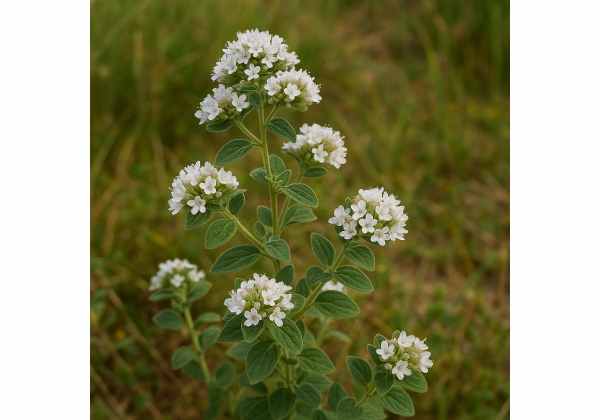
Syrian oregano, Origanum syriacum, is an aromatic Mediterranean herb in the mint family and one of the plants most closely associated with traditional za’atar. It is valued first as a culinary herb, but it also has a long history in regional folk medicine for stomach discomfort, mild respiratory complaints, and general warming support. What makes it especially interesting today is its chemistry. The leaves and flowering tops are rich in essential-oil compounds such as carvacrol and thymol, along with polyphenols and flavonoids that help explain its strong aroma and many of its studied biological effects.
Still, Syrian oregano deserves careful handling in health writing. It is promising, but it is not magic. Modern studies support antioxidant, antimicrobial, and anti-inflammatory potential, yet most of that evidence comes from laboratory work, essential-oil analysis, or food applications rather than large human trials. In everyday life, its most realistic strengths are flavorful culinary use, gentle digestive support, and carefully limited traditional herbal use. The most important safety question is not whether the plant is useful, but how to use it without turning a concentrated aromatic herb into an overhyped cure-all.
Key Takeaways
- Syrian oregano may support digestion and ease mild stomach discomfort when used as a traditional aromatic herb.
- Its leaves and essential oil show strong preclinical antimicrobial and antioxidant activity.
- A traditional decoction uses 2 teaspoonful of leaves per cup, up to 3 cups daily.
- Pregnant or breastfeeding people and anyone with hypersensitivity to oregano-family plants should avoid medicinal self-use.
Table of Contents
- What Syrian Oregano Is and Why It Stands Out
- Syrian Oregano Key Ingredients and Medicinal Properties
- What Health Benefits Are Most Plausible
- How Syrian Oregano Is Used in Food and Herbal Practice
- Dosage, Timing, and Duration
- Common Mistakes and Overstated Claims
- Safety, Side Effects, Interactions, and Who Should Avoid It
What Syrian Oregano Is and Why It Stands Out
Syrian oregano is a perennial herb in the Lamiaceae family, the same large family that includes thyme, marjoram, sage, rosemary, and mint. Botanically, it is Origanum syriacum, but in many homes and markets it is better known through its relationship with za’atar. That detail matters, because many people assume Syrian oregano and za’atar are identical. They are related, but not exactly the same thing. Syrian oregano is the plant. Za’atar can mean the herb itself, but it can also refer to the seasoning blend built around it, often mixed with sesame and sumac.
That double identity explains much of the plant’s appeal. Syrian oregano has a strong, warm, slightly bitter and resinous aroma that makes it both deeply culinary and obviously medicinal in the older herbal sense. It is not a bland leafy herb. Even a small amount signals that it contains concentrated aromatic compounds. This is one reason it has held such an important place in Levantine food traditions, where it is used in breads, oils, meat dishes, salads, and spice mixtures.
Traditional medicine also gave it a broader role. It was used for stomach and intestinal discomfort, colds, coughs, and general weakness. Some older sources describe it as stimulating, expectorant, antiparasitic, or warming. That does not mean all of these uses have been proven in modern clinical settings. It means the herb developed a long-standing reputation as something more than a seasoning.
What makes Syrian oregano stand out from many lesser-known herbs is that it is both culturally central and scientifically interesting. Researchers have studied its essential oil, polyphenols, and extracts with increasing detail. They consistently find strong aromatic compounds, especially carvacrol and thymol, along with other terpenes and phenolic molecules. These help explain why the herb has attracted interest in food preservation, antimicrobial research, and functional-food discussions.
Yet this is also where restraint matters. Syrian oregano is better supported than many obscure folk herbs, but it is still not the same as a clinically standardized drug. Its strongest modern identity remains a blend of three things:
- a culinary herb
- a traditional digestive and respiratory support plant
- a phytochemically rich aromatic with promising lab data
Readers familiar with zaatar as a traditional Middle Eastern herbal and culinary blend will recognize why Syrian oregano occupies such a special place. It is not only medicinal or only culinary. It lives comfortably in both worlds, which is often a sign of a plant with lasting practical value.
Syrian Oregano Key Ingredients and Medicinal Properties
Syrian oregano’s medicinal reputation begins with its chemistry. The plant’s leaves and flowering tops contain essential oils and phenolic compounds that are responsible for both its fragrance and much of its biological activity. The most important names that appear repeatedly in the literature are carvacrol and thymol, two aromatic phenols known for strong antimicrobial and antioxidant potential. Depending on the plant’s origin, growing conditions, drying method, and harvest timing, Syrian oregano may also contain notable amounts of gamma-terpinene, p-cymene, sabinene hydrate, terpinen-4-ol, and other terpenes.
These compounds do not stay constant. One reason Syrian oregano research can seem inconsistent is that plants from different regions can vary sharply in essential-oil profile. Some samples are richer in thymol, some in carvacrol, and others show more sabinene hydrate or related compounds. That variability matters because many of the plant’s measured activities depend on which chemotype is being tested.
Beyond the volatile oil, Syrian oregano also contains non-volatile compounds that help fill out its pharmacological profile. These include:
- flavonoids
- phenolic acids
- rosmarinic acid
- triterpenoid-type compounds
- carotenoid-related constituents in some extracts
Together, these give the plant a broader set of medicinal properties than aroma alone would suggest. The most realistic medicinal descriptors are:
- aromatic
- carminative
- antioxidant
- antimicrobial
- mildly anti-inflammatory in preclinical work
The word “carminative” is especially useful here. It is an old herbal term, but still a practical one. It refers to herbs that help reduce gas, support digestion, and ease a sense of heaviness after meals. Syrian oregano’s intense fragrance and bitter-warm taste make that traditional use biologically plausible.
Its antimicrobial reputation is stronger in the laboratory than in human clinical practice. The essential oil has shown inhibitory effects against bacteria and fungi in various settings, especially when carvacrol or thymol levels are high. That does not mean the kitchen herb works like an antibiotic. It means the plant contains compounds with measurable antimicrobial power.
Its antioxidant potential is also well supported in preclinical studies. That does not guarantee dramatic health effects from a cup of tea, but it does support the broader idea that Syrian oregano is a phytochemically dense herb rather than a simple flavoring leaf.
A helpful comparison is thyme and its essential-oil chemistry. Syrian oregano shares some of the same aromatic logic, especially around thymol, carvacrol, and strongly scented protective compounds. In practice, that helps explain why Syrian oregano tastes vivid, preserves well when dried carefully, and continues to attract attention in both herbal and food science.
The key takeaway is that Syrian oregano’s medicinal properties are not imagined. They are rooted in a robust chemical profile. The caution is simply that chemistry alone does not guarantee a proven medical outcome in humans.
What Health Benefits Are Most Plausible
The most believable health benefits of Syrian oregano are the ones that stay closest to three sources of evidence: traditional use, phytochemical analysis, and laboratory studies. Once claims move beyond that triangle, they often become much less reliable.
The clearest traditional use is digestive support. Syrian oregano has long been used for stomach and intestinal discomfort, and this remains one of the most sensible ways to understand the herb today. Its aromatic oils may stimulate digestion, help reduce a heavy feeling after meals, and support relief from mild bloating or gas. This is not the same as saying it treats digestive disease. It means it behaves like a classic aromatic herb that fits best around everyday digestive discomfort rather than major pathology.
A second plausible benefit is antimicrobial support, but with an important caveat. Syrian oregano extracts and essential oil have shown antibacterial and antifungal activity in preclinical studies. This is especially interesting in food science, where the herb may help limit spoilage or contribute to preservation effects. It is also relevant to why traditional communities may have valued it for respiratory or oral complaints. Still, this should not be overstated into “natural antibiotic” language. Lab activity is not the same as a proven clinical treatment.
A third plausible benefit is antioxidant and anti-inflammatory support. Syrian oregano is rich in phenolic compounds and shows strong antioxidant behavior in various assays. Some in vitro studies also suggest anti-inflammatory actions. These findings help justify the herb’s inclusion in broader discussions of functional foods and protective Mediterranean plant foods. What they do not justify is turning Syrian oregano into a cure for chronic inflammation or metabolic disease.
Other benefits sometimes discussed include:
- mild respiratory support in traditional use
- food-preservation support
- possible influence on oral bacteria
- broader functional-food value when used regularly in a healthy diet
This is where nuance matters. Syrian oregano is not only a supplement herb. It is also a food. For many people, its most meaningful health contribution may come through steady culinary use rather than through medicinal dosing. A flavorful herb that helps reduce reliance on overly processed seasonings, fits into olive-oil-based meals, and adds polyphenols to the diet can still be useful even if it never acts like a drug.
Readers comparing aromatic digestive herbs may also want to see marjoram as a gentler digestive and antioxidant herb. Syrian oregano tends to be sharper, more resinous, and chemically more assertive, which partly explains its stronger antimicrobial reputation.
So what benefits are most plausible? These:
- mild digestive comfort
- preclinical antimicrobial effects
- antioxidant support
- traditional usefulness in aromatic food-based wellness
The least defensible claims are the most dramatic ones: cancer cures, strong blood-sugar control, guaranteed immune boosting, or self-treatment for serious infection. Syrian oregano is promising and valuable, but it still works best when described as a powerful culinary herb with moderate traditional medicinal uses and promising research rather than as a miracle plant.
How Syrian Oregano Is Used in Food and Herbal Practice
Syrian oregano is one of those herbs that makes the boundary between food and medicine look artificial. In everyday practice, many of its benefits are tied directly to how people eat it. Dried leaves are mixed into za’atar blends, stirred into olive oil, sprinkled on flatbread, baked into manakish, added to soups, folded into yogurt-based dishes, and used as a savory accent in meat and vegetable preparations. In these forms, the herb acts as both seasoning and gentle digestive support.
This culinary role matters because food form changes how people relate to the plant. An herb used in bread, oil, dips, and roasted dishes is easier to use consistently and generally safer than a concentrated extract. For many people, the smartest way to benefit from Syrian oregano is not to buy essential oil capsules. It is to use the dried herb regularly and thoughtfully in meals.
Traditional herbal practice uses the leaves and flowering parts in simpler ways:
- decoctions
- infusions
- warm aromatic drinks for stomach discomfort
- household preparations for mild cold-season support
A traditional decoction is a notable example. Some herbal guidance recommends boiling the leaves briefly and drinking the preparation several times through the day for stomach troubles. That kind of use fits the herb’s old reputation as a warming, digestive, aromatic plant.
There is also a cultural layer that should not be stripped away. Syrian oregano is central to Levantine foodways and identity, not just to herb cabinets. That gives it a practical advantage over many medicinal plants. It has a daily-life role, which is often where traditional herbs remain most meaningful.
In modern wellness culture, people sometimes try to jump too quickly from dried herb to essential oil. That is not always wise. The essential oil is far more concentrated and should be treated as a separate kind of product. Culinary Syrian oregano and Syrian oregano essential oil are not interchangeable, even if they come from the same plant.
A useful culinary comparison is sumac in traditional savory herbal blends. Syrian oregano and sumac often work together in za’atar, but they bring very different strengths. Sumac contributes sourness and color, while Syrian oregano provides warm herbal depth and much of the blend’s aromatic identity.
The best practical uses of Syrian oregano today include:
- seasoning breads, eggs, vegetables, and legumes
- blending with sesame and sumac for traditional za’atar
- making a light decoction or infusion for occasional digestive discomfort
- using it as part of a Mediterranean-style eating pattern
- choosing whole-leaf preparations over poorly defined extracts when possible
That last point matters. Syrian oregano works best when it stays connected to its real tradition: aromatic, flavorful, everyday, and strong enough to be respected.
Dosage, Timing, and Duration
Syrian oregano dosage depends very much on the form being used. The culinary herb, the traditional decoction, and the concentrated essential oil are not equivalent, and treating them as though they are leads to confusion.
For traditional oral use, one herbal monograph describes a decoction made with 2 teaspoonful of Syrian oregano leaves, brought to a boil and then simmered for about 10 minutes. The resulting drink is taken as 3 cups per day. This is the clearest traditional-use dosing guidance available and is a much better reference point than guessing from general oregano-oil products.
That traditional preparation suggests a few practical rules:
- the herb is used as leaves, not as isolated essential oil
- the preparation is water-based
- the use is divided through the day
- the purpose is supportive, not aggressive
In everyday food use, dosage is naturally looser. Syrian oregano is often used by the teaspoon in spice blends, bread toppings, marinades, and table seasoning. In culinary amounts, it is usually better tolerated and easier to integrate into a routine. For many readers, that is the most sensible starting point.
Timing depends on the goal:
- for digestive comfort, use with or after meals
- for a warm aromatic drink, use earlier in the day or after a heavy meal
- avoid late heavy use if aromatic herbs tend to trigger reflux in you
- do not take concentrated preparations repeatedly just because the dried herb is familiar
Duration is equally important. Syrian oregano is not usually framed as a long-term, high-dose medicinal herb. Traditional use is generally short and situational. If a digestive complaint keeps returning, becomes painful, or comes with weight loss, vomiting, blood, or persistent reflux, the herb should not become a substitute for medical evaluation.
Concentrated essential oil deserves special caution. There is not enough practical evidence to recommend improvised oral essential-oil dosing at home. The oil is chemically intense, more likely to irritate tissues, and easier to misuse. This is one reason culinary and decoction forms remain more trustworthy for general readers.
A useful comparison is garden thyme in simple culinary and tea-style use. Like thyme, Syrian oregano can be meaningful in modest food-based or tea-based amounts. Problems usually begin when people abandon whole-herb logic and move too quickly into extract logic.
A grounded way to think about dosage is:
- culinary use is the safest everyday form
- traditional decoction can be used short term
- essential oil should not be self-dosed casually
- duration should stay limited unless a qualified practitioner advises otherwise
In other words, Syrian oregano works best when the dose matches the tradition: aromatic, moderate, and practical.
Common Mistakes and Overstated Claims
Because Syrian oregano is both popular and strongly aromatic, it is easy to overstate what it can do. The first common mistake is confusing the herb with the blend. When people say “za’atar is healthy,” they may be talking about Syrian oregano, but they may also mean a seasoning mix that includes sesame, sumac, salt, and sometimes other herbs. Those are not the same product, and their effects are not interchangeable.
The second mistake is assuming essential oil equals dried herb. This is one of the biggest problems in modern herbal use. A pinch of dried Syrian oregano on bread is not the same as a concentrated oil capsule or a few drops of essential oil. The chemistry is related, but the dose intensity is dramatically different.
A third mistake is treating lab findings like human treatment outcomes. Syrian oregano has impressive preclinical data, especially around antimicrobial and antioxidant actions. That is useful, but it does not mean the herb cures infection, replaces antibiotics, or reliably changes chronic disease risk on its own.
Other recurring errors include:
- taking concentrated oil internally without guidance
- using the herb as a treatment delay for significant stomach or respiratory symptoms
- believing that “natural” means unlimited or side-effect free
- ignoring family allergy history
- assuming more aroma always means more benefit
Some claims deserve especially careful skepticism. Syrian oregano should not be sold as:
- a proven cancer-fighting herb
- a stand-alone immune treatment
- a guaranteed blood sugar remedy
- a natural antibiotic replacement
- a detox herb that can compensate for poor diet or illness
There is also a subtler mistake: forgetting that culinary value is already a form of value. Many people look for plants that act like pharmaceuticals and overlook the real power of consistent, food-based herbs. Syrian oregano does not need to be a miracle to be meaningful. A herb that improves diet quality, adds polyphenols, supports digestion, and makes simple foods more satisfying is already doing something worthwhile.
If readers want a contrasting example, tea tree as a concentrated essential-oil herb helps show the difference between a kitchen aromatic and a potent oil-centered product. Syrian oregano may share aromatic strength, but its safest and most traditional use is still much closer to the table than to the medicine dropper.
The most useful mindset is this: Syrian oregano is strongest when treated as an excellent culinary and traditional aromatic herb with promising medicinal properties, not when inflated into an all-purpose remedy. Respecting that boundary makes the plant more useful, not less.
Safety, Side Effects, Interactions, and Who Should Avoid It
Syrian oregano is generally easier to tolerate in food amounts than in concentrated medicinal forms, but safety still matters. The simplest rule is that culinary use is not the same as medicinal use. Most people who enjoy Syrian oregano in food will never encounter a problem. Concerns increase when the herb is taken repeatedly as a decoction, used in extract form, or concentrated into essential oil.
A formal herbal monograph lists hypersensitivity to the active substances and to other plants of the same family as a contraindication. In practical terms, that means people who react badly to oregano-family herbs should avoid medicinal use. The plant belongs to the mint family, so anyone with known sensitivity to related aromatic herbs should be careful.
The same monograph also advises that:
- if symptoms worsen during use, a doctor or pharmacist should be consulted
- blood glucose should be monitored regularly
- safety during pregnancy and lactation has not been established
- use during lactation is not recommended
That blood-glucose warning is especially interesting. It suggests that regular medicinal use deserves extra care in people with diabetes or those taking glucose-lowering medication. It does not prove Syrian oregano is a strong blood-sugar herb, but it does mean the issue is worth respecting.
Possible side effects are not always dramatic, but they are plausible:
- stomach irritation in sensitive people
- heartburn or reflux aggravation if taken too strongly
- mouth or throat irritation from concentrated preparations
- allergic responses in susceptible individuals
The essential oil deserves the most caution. Its high concentration of phenolic compounds makes it far more likely to irritate the mouth, stomach, or skin if misused. Internal essential-oil dosing should not be improvised from culinary habits. The dried leaf and the oil are related but not equivalent in safety.
Who should avoid medicinal self-use or speak with a clinician first:
- pregnant people
- breastfeeding people
- people with oregano-family hypersensitivity
- people on glucose-lowering medicines
- people with persistent digestive symptoms
- anyone considering internal essential-oil use
For comparison, readers interested in gentler aromatic herbs may find lemon balm as a softer traditional calming and digestive herb easier to use routinely. Syrian oregano is more pungent, more chemically assertive, and more likely to be overdone when concentrated.
The safest summary is clear. Syrian oregano is a valuable culinary herb and a credible traditional medicinal plant, but concentrated use requires judgment. Food use is widely approachable. Medicinal use should stay moderate, short-term, and realistic. Essential-oil use should be handled with the greatest care.
References
- Herbal Monograph on Wild Medicinal Plants in Egypt 2024 (Monograph)
- Origanum syriacum Phytochemistry and Pharmacological Properties: A Comprehensive Review 2022 (Review)
- Origanum syriacum L. (Za’atar), from Raw to Go: A Review 2021 (Review)
- Microbiological Studies on the Influence of Essential Oils from Several Origanum Species on Respiratory Pathogens 2023
- Phytochemical Profiling, Antioxidant Activity, Food Preservation, and Insecticidal Properties of Origanum syriacum and Cymbopogon winterianus Extracts 2025
Disclaimer
This article is for educational purposes only and is not medical advice, diagnosis, or treatment. Syrian oregano is a traditional herb and food plant, but it is not a substitute for professional care for ongoing digestive symptoms, significant respiratory illness, infection, diabetes management, pregnancy-related health questions, or any condition that worsens or does not improve. Culinary use is very different from concentrated extracts or essential oils, which can pose higher risks if misused. Speak with a qualified healthcare professional before using Syrian oregano medicinally, especially if you are pregnant, breastfeeding, allergic to mint-family herbs, or taking medicines that affect blood glucose.
If you found this article useful, please share it on Facebook, X, or your preferred platform.