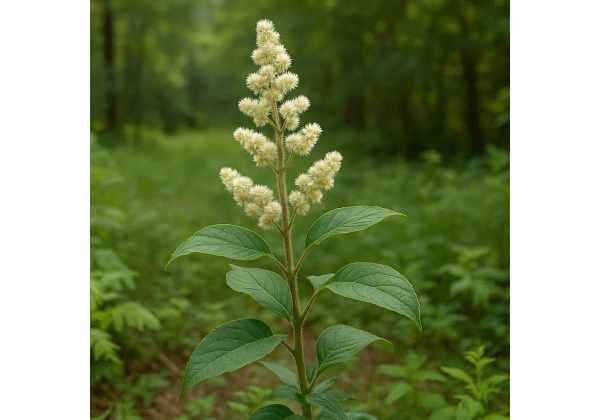
Suma, usually identified as Pfaffia paniculata and often marketed as Brazilian ginseng, is a South American root with a long reputation as a strengthening, restorative herb. Traditional use has centered on stamina, stress resilience, sexual vitality, recovery, and general tonic support. Modern interest focuses on its saponins, pfaffic acid, ecdysteroid-like compounds, and other plant chemicals that may help explain its anti-inflammatory, antioxidant, and immunomodulating effects.
What makes suma appealing is also what makes it easy to misunderstand. Its folk reputation is broad, but the strongest modern evidence is still preclinical, not clinical. That means many claims about energy, immunity, fertility, or cancer support are more promising than proven. For practical readers, the best approach is to see suma as a potentially useful but still under-researched botanical: one that may fit short, goal-based use, especially when stress and recovery are central concerns, but one that also calls for better product selection, realistic expectations, and clear safety boundaries.
Quick Overview
- Suma may support stress resilience and recovery, but strong human proof is still limited.
- Anti-inflammatory and antioxidant effects are better supported in laboratory and animal research than in clinical trials.
- No standardized evidence-based dose is established, but many oral products cluster around 500–1,500 mg/day of root extract or equivalent.
- Avoid self-use during pregnancy, with hormone-sensitive conditions, or alongside diabetes and blood pressure medicines unless a clinician approves.
Table of Contents
- What Suma Is and Why It Is Called Brazilian Ginseng
- Key Ingredients and Medicinal Properties of Suma
- Suma Health Benefits and What the Evidence Actually Supports
- Common Uses and the Best Ways to Take It
- How Much Suma to Take and When to Use It
- Common Product Mistakes and How to Choose Better Suma
- Side Effects, Interactions, and Who Should Avoid Suma
What Suma Is and Why It Is Called Brazilian Ginseng
Suma is a climbing or sprawling plant native to South America, especially Brazil, Peru, Ecuador, Panama, and neighboring regions. In traditional use, the root is the valued part. It has been used as a broad tonic, sometimes under names that translate loosely to “for everything,” which helps explain why it developed a reputation for supporting vitality, recovery, circulation, libido, immunity, and general resilience. That reputation is impressive, but it is also one reason modern readers need a more careful, evidence-based lens.
The nickname “Brazilian ginseng” is useful for marketing but not for botany. Suma is not a true ginseng and does not belong to the Panax genus. It earned the comparison because it has long been used as a strengthening herb and because some of its root chemistry includes saponin-like compounds, which made sellers present it as a South American counterpart to Asian tonic roots. In real-world use, though, suma is its own herb with its own strengths, limitations, and safety questions. Anyone comparing it with Panax ginseng’s better-studied profile should assume overlap in reputation, not identity.
Another practical issue is naming. Suma products may appear under Pfaffia paniculata, Hebanthe paniculata, or Hebanthe eriantha, and commercial products do not always make those distinctions clear. Some older and newer literature also reflects taxonomic shifts, which adds to the confusion. For a buyer, this matters because herb identity affects chemistry, and chemistry affects expected benefit. A product labeled only “Brazilian ginseng” tells you much less than one that lists a full Latin name, plant part, and extract type.
Traditionally, suma has been positioned less as a single-target remedy and more as a restorative root. That usually means people reach for it when they feel run down, depleted, under chronic stress, or interested in broad tonic support rather than quick symptom relief. It has also been used for inflammatory complaints, poor recovery, low desire, weakness, ulcers, and metabolic concerns. Still, traditional breadth should not be mistaken for modern proof.
The most grounded way to understand suma is this: it is an old tonic herb with interesting pharmacology, especially around stress-related resilience and inflammation, but it remains much less clinically validated than its reputation suggests. That does not make it useless. It simply means the smartest users approach it as a structured experiment rather than a cure-all.
Key Ingredients and Medicinal Properties of Suma
Suma’s root contains a mix of compounds that help explain why the herb has attracted interest for stress support, inflammation, immunity, and recovery. The most discussed group is its triterpenoid saponins, especially the pfaffosides. These are often treated as signature compounds because they appear repeatedly in phytochemical discussions of Pfaffia paniculata and related “Brazilian ginseng” materials. Suma also contains pfaffic acid, which is often used as a marker compound in authentication work, along with phytosterols such as beta-sitosterol and stigmasterol.
Another widely discussed part of suma chemistry is its ecdysteroid-like content, including beta-ecdysone or 20-hydroxyecdysone. This has helped drive interest in sports, vitality, and anabolic-style supplement marketing. The problem is that the presence of an interesting compound does not automatically mean predictable effects in real people. Content can vary by species identity, extraction method, plant part, and manufacturing quality. A formula sold as suma may not give the same constituent profile as the raw root used in older traditional practice.
From a practical health perspective, suma’s medicinal properties are usually described in five broad categories:
- Adaptogenic or tonic support: used traditionally for resilience under stress and fatigue.
- Anti-inflammatory activity: supported mostly by animal and laboratory studies.
- Antioxidant effects: plausible from both root chemistry and preclinical studies.
- Immunomodulating activity: linked to macrophage and cytokine-related findings in early research.
- Antimicrobial and antiproliferative activity: interesting in vitro, but not a basis for self-treatment.
That last point matters. Suma is often sold as though it naturally belongs in the same “energy and stress” basket as ashwagandha for calmer stress support, but its chemistry points in a somewhat different direction. Ashwagandha is better studied for stress and sleep in humans. Suma’s value looks more diffuse and more experimental, with traditional tonic use supported by a scattered research base rather than by one clearly dominant human outcome.
The phrase “medicinal properties” can sound grand, so it helps to translate it into realistic terms. Suma may influence inflammatory signaling, oxidative balance, immune response, and cellular stress pathways. It may also help explain why some users report steadier energy or recovery. But a medicinal property is not the same as a clinically established treatment effect. Much of suma’s chemistry is intriguing because it invites further study, not because it already proves a wide range of benefits.
That is why product quality matters so much. When a herb is known mainly through marker compounds and preclinical activity, a mislabeled or poorly standardized product can shift from “possibly useful” to “too vague to judge.” With suma, chemistry is not just background information. It is central to whether the product is even likely to behave as expected.
Suma Health Benefits and What the Evidence Actually Supports
Suma’s health benefits are easiest to understand when ranked by evidence rather than by marketing language. The herb has a broad traditional reputation, but modern research supports some benefit areas more plausibly than others.
The most credible modern theme is anti-inflammatory support. Animal studies on intestinal inflammation suggest that suma extract may reduce inflammatory damage markers, oxidative stress, and pro-inflammatory cytokines. That does not prove it treats inflammatory bowel disease in people, but it does support the long-standing idea that the root has genuine anti-inflammatory activity rather than only folklore behind it.
A second reasonable area is stress resilience and recovery. Suma is often described as an adaptogen, though the human evidence here is still sparse. Traditional use and mechanistic logic make this claim believable, especially for people who feel worn down rather than acutely ill. But compared with more heavily researched adaptogens, suma remains a second-line choice. Readers primarily seeking immune and resilience support may want to compare it with astragalus for better-known immune support, because suma’s case is broader and less clinically settled.
A third possible benefit is immune modulation. Some preclinical work suggests effects on macrophage activity and inflammatory signaling. This is promising, but “immune support” is often used too loosely in supplement marketing. Suma should not be presented as a proven immune booster for infections or immune deficiency. It is better described as a plant with early immunomodulatory signals.
Then there is antimicrobial activity. Recent laboratory studies suggest suma extracts may reduce certain bacterial and fungal biofilms. This is scientifically interesting, especially in oral and microbial research, but it is not evidence that oral suma capsules can treat infections in daily life. Lab promise is useful; it is not a license for self-treatment.
Other commonly advertised claims deserve more restraint:
- Energy and stamina
Traditional use supports this, but strong human trial evidence is lacking. Some users may feel better because of reduced stress burden or general tonic effects, but the case is still indirect. - Sexual vitality and libido
This is one of suma’s oldest selling points, yet the strongest evidence remains animal-based or traditional. That makes it a plausible folk use, not a proven human outcome. Anyone seeking a more focused comparison can look at maca’s better-known libido and fertility niche. - Anticancer potential
This is often overstated. Suma has shown cytotoxic and antiproliferative actions in cell and animal models, but that is not the same as clinical cancer treatment. It should never be used as a substitute for oncology care. - Metabolic and blood sugar support
Traditional mention exists, but current evidence is too thin to make this a leading reason to choose the herb.
The clearest practical conclusion is that suma may be worth considering as a cautious, short-term tonic for stress, inflammation, and recovery, but it does not yet justify sweeping claims. Its strongest benefit may be that it sits at the intersection of traditional resilience support and modern anti-inflammatory research. Its biggest limitation is that human evidence still trails far behind the marketing.
Common Uses and the Best Ways to Take It
In real life, people do not buy suma because they want a chemistry lesson. They buy it because they want help with a pattern: feeling depleted, stressed, slow to recover, older than their energy, or curious about libido and general vitality. That makes the “uses” section important, because the same herb can be helpful when matched well and disappointing when chosen for the wrong reason.
The most common modern uses of suma fall into a few buckets:
- a general tonic during stressful or physically demanding periods
- support for recovery after heavy work, training, or prolonged mental load
- interest in mild anti-inflammatory support
- libido and vitality formulas
- immune and resilience blends
- “Brazilian ginseng” products marketed for all-purpose wellness
How you take it matters. Suma is commonly sold as:
- capsules of powdered root
- standardized or semi-standardized extracts
- liquid tinctures
- tea or decoction-style root preparations
- blended formulas with other adaptogens or libido herbs
For most people, capsules or extracts are the easiest place to start because they make dose tracking simpler. Teas and decoctions fit traditional practice better, but they also make consistency harder. Tinctures can work, though they are more likely to vary in extraction strength and are easier to overuse casually.
The best use pattern is usually short and goal-driven. For example, a person under sustained work stress might try suma for 4 to 8 weeks while tracking sleep quality, energy stability, recovery, and mood steadiness. A person hoping for better libido or training performance should be especially careful not to assume that stronger effects come from higher doses. Suma is better viewed as a subtle restorative root than as an herbal stimulant.
Blended formulas deserve caution. Many “Brazilian ginseng” products are not just suma. They may also include caffeine, maca, tribulus, muira puama, damiana, or ecdysteroid-focused sports ingredients. When that happens, it becomes difficult to tell what is doing what. If your goal is to learn whether suma itself helps, choose a single-ingredient product first.
In practical use, suma is rarely a rescue herb. It is not ideal for instant calm, instant libido, or instant energy. It fits better when the goal is steadier function over days or weeks. The herb tends to make the most sense for people dealing with chronic wear-and-tear patterns rather than acute symptoms.
That last distinction can save people money and disappointment. If your problem is a severe mood change, unexplained fatigue, significant sexual dysfunction, fever, acute infection, or worsening inflammatory illness, suma is not the first thing to fix. In those situations, diagnosis matters more than tonics.
How Much Suma to Take and When to Use It
Dosage is the hardest part of any honest suma guide because there is no well-established, evidence-based oral dose that all high-quality human studies agree on. That is the first fact worth knowing. If an article presents one neat number as though it is settled science, it is simplifying more than it should.
In practice, most modern products fall into a modest oral range, often around 500 to 1,500 mg per day of root extract or equivalent, usually split into one or two doses. Some traditional root-powder uses are higher in gram terms, especially when the product is less concentrated. The problem is that “500 mg” does not tell you enough on its own. A 500 mg powdered root capsule and a 500 mg concentrated extract are not the same intervention.
A practical way to think about suma dosing is by form:
- powdered root: often taken in larger amounts because it is less concentrated
- extract capsule: typically lower capsule weight, but potency varies
- liquid extract: flexible but less intuitive for comparing brands
- tea or decoction: traditional, but harder to standardize
A cautious beginner approach often looks like this:
- Start at the low end of the label range.
- Take it once daily with food for several days.
- Increase only if tolerance is good and the goal is still unmet.
- Reassess after 2 to 4 weeks rather than escalating quickly.
Timing depends on response. Some people find suma neutral, while others find it mildly activating. Because of that, morning or early afternoon is usually the safest starting point. If it feels too stimulating late in the day, move it earlier. If it causes stomach upset, take it with a meal instead of on an empty stomach.
A reasonable trial length is often 4 to 8 weeks, followed by reassessment. If you notice no meaningful change in energy, resilience, recovery, or the specific goal you set, that is useful information. Suma is not the kind of herb that should be taken indefinitely just because it has a tonic reputation. A defined trial is much more informative than vague, open-ended use.
Quality matters more than dose precision alone. Look for a product that states:
- the full Latin name
- the root as the plant part
- whether it is powder or extract
- the daily serving amount
- testing or manufacturing quality signals when available
It is also wise not to translate animal doses directly into human use. Much of suma’s anti-inflammatory and anticancer research uses animal or cell models, and those numbers do not become consumer guidance by simple math. With suma, the smartest dosage rule is not “take more to make it work.” It is “use the lowest clear, tolerable dose in a defined trial.”
Common Product Mistakes and How to Choose Better Suma
Most disappointment with suma starts before the first capsule is swallowed. It starts at the label. This is an herb where product confusion is common, and that makes buying mistakes especially easy.
The first mistake is trusting the name Brazilian ginseng without checking the species. That name sounds reassuring, but it hides an important reality: suma products may use different Latin names, different related species, or vague identity claims. When a label says only “Brazilian ginseng,” you do not know enough. Look for Pfaffia paniculata and make sure the root is the declared plant part.
The second mistake is assuming all extracts are equivalent. They are not. A powdered root capsule, a concentrated extract, and a multi-herb libido product may all look like “suma,” but they can behave differently. This matters even more because root chemistry can vary, and some products emphasize ecdysteroid marketing while others are closer to traditional tonic use.
The third mistake is buying stacked formulas first. Many suma products are combined with caffeine, yohimbe-like stimulants, maca, tribulus, or “testosterone support” blends. That creates two problems. First, side effects become harder to interpret. Second, any benefit may have little to do with suma. Start single-ingredient when possible.
The fourth mistake is choosing suma for the wrong job. If what you actually need is a clearer anti-inflammatory herb with a stronger clinical footprint, a root marketed as an all-purpose tonic may not be the best fit. In those cases, people sometimes get better results from more targeted options such as boswellia for inflammation-focused support, depending on their goal.
The fifth mistake is treating subtle herbs like stimulants. Suma is marketed as energizing, but that does not mean you should chase a strong same-day effect. If a person keeps increasing the dose because they expect caffeine-like energy, they often move from “gentle tonic trial” into “unclear side effect experiment.”
A better product checklist is simple:
- full Latin name on the label
- root clearly specified
- single-ingredient formula for first trial
- daily dose easy to calculate
- no proprietary blend hiding amounts
- no aggressive hormone or performance claims
- reputable seller with basic testing transparency
A final mistake is emotional rather than technical: expecting one herb to fix a lifestyle pattern. Suma is often chosen by people who are overtired, underslept, overtrained, undernourished, or chronically stressed. In that setting, even a good product may only help at the margins. A quality herb can support a better plan, but it cannot replace one.
Side Effects, Interactions, and Who Should Avoid Suma
Suma is often marketed as a gentle tonic, but “gentle” should not be confused with “risk-free.” The available evidence suggests the herb is not highly toxic in the way some stronger botanicals are, yet safety questions remain because human data are limited, product identity can vary, and some of its physiological effects may matter more in vulnerable groups.
The most likely side effects are fairly ordinary:
- stomach upset
- nausea
- loose stools
- headache
- restlessness
- trouble sleeping in sensitive users, especially with late dosing
Many people tolerate low-to-moderate doses well, but that should not lead to the assumption that higher doses are harmless. With tonic herbs, mild early side effects often mean the dose or product is wrong for the person, not that the herb is “kicking in.”
Interactions are less clearly mapped than with heavily studied supplements, but caution is sensible in several situations. Because suma has been discussed for effects related to inflammation, glucose handling, circulation, and hormone activity, it deserves extra care with:
- diabetes medications
- blood pressure medicines
- anticoagulants or antiplatelet drugs
- hormone-sensitive conditions
- fertility treatment plans
- immunologically complex illnesses where “immune support” is not automatically helpful
Pregnancy and breastfeeding are strong reasons to avoid self-directed use. Traditional use does not equal safety in these settings, and the evidence base is too thin to justify routine use. The same cautious rule applies to children.
Hormone-related caution deserves special mention. Animal research has suggested that suma may influence sex hormone levels, which is one reason it shows up in libido and vitality marketing. That does not prove it is dangerous in every hormone-sensitive situation, but it is enough to justify care in people with estrogen-sensitive conditions, androgen-sensitive conditions, or a history of hormone-responsive cancers.
People with insomnia, anxiety-prone stimulation, or bipolar-spectrum concerns should also be careful. Even though suma is sold as a restorative root, some users experience it as mildly activating. If that happens, it can worsen sleep and cancel any daytime benefit.
The safest practical rule is this: avoid casual use when your health picture is medically complicated. Suma is most reasonable for healthy adults trying a simple, short-term, single-ingredient trial. It is much less reasonable when pregnancy, major illness, complex medication use, hormone-sensitive conditions, or severe fatigue are involved.
Stop use and seek medical advice if you develop persistent digestive distress, unusual sleep disturbance, palpitations, marked mood change, or symptoms that feel clearly worse after starting the herb. With under-researched botanicals, fast course correction is usually wiser than trying to push through.
References
- Ethnomedicinal Uses, Phytochemistry, Pharmacological Activities, and Toxicology of the Subfamily Gomphrenoideae (Amaranthaceae): A Comprehensive Review 2025 (Review)
- Exploring Antioxidant, Antimicrobial and Anti-Inflammatory Effects of Juglans regia and Pfaffia paniculata Extracts: Implications for Intestinal Dysbiosis and Colorectal Cancer Risk Associated with Oral Pathogens 2025
- Pfaffia paniculata Extract, a Potential Antimicrobial Agent against Candida spp., Pseudomonas aeruginosa, and Streptococcus mutans Biofilms 2024
- Phytomedicines (medicines derived from plants) for sickle cell disease 2020 (Systematic Review)
- Pfaffia paniculata (Brazilian ginseng) extract modulates Mapk and mucin pathways in intestinal inflammation 2018
Disclaimer
This article is for educational purposes only and is not a substitute for medical advice, diagnosis, or treatment. Suma has a long traditional history, but many of its modern claims still rely more on laboratory and animal data than on strong human trials. Talk with a qualified healthcare professional before using suma if you are pregnant, breastfeeding, taking prescription medicines, managing a hormone-sensitive condition, or dealing with chronic illness, unexplained fatigue, sexual dysfunction, or inflammatory symptoms that need diagnosis.
If this article helped you, please share it on Facebook, X, or your preferred platform so others can find a clearer, more evidence-aware guide to suma.