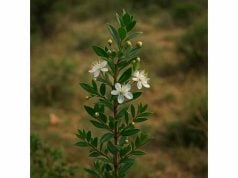
Marjoram is one of those herbs that moves easily between kitchen and medicine chest. Known botanically as Origanum majorana, it belongs to the mint family and is prized for its warm, gently sweet, slightly spicy aroma. Most people first meet marjoram as a culinary herb, but traditional medicine has long used it for digestive discomfort, bloating, mild cramping, irritated skin, menstrual irregularity, and calming aromatic preparations. Modern research helps explain why. Marjoram contains essential oils, phenolic acids, flavonoids, terpenes, and other compounds linked to antioxidant, antimicrobial, anti-inflammatory, and soothing effects. At the same time, it is important not to oversell it. The strongest official support still centers on traditional use for mild spasmodic gastrointestinal complaints and topical relief around the nostrils, while modern human studies suggest some additional promise in areas such as stress, mood, and hormonal balance. Used well, marjoram is a versatile herb. Used carelessly, especially in concentrated oil form, it can be more irritating than helpful.
Quick Facts
- Marjoram is most useful for mild bloating, flatulence, and crampy digestive discomfort.
- Its aromatic compounds also make it a practical herb for calming blends and selected topical uses.
- A common tea range is 2 to 4 g in 150 mL of boiling water, taken once to twice daily before meals.
- Avoid medicinal use during pregnancy and breastfeeding, and avoid it if you are allergic to mint-family plants.
Table of Contents
- What Marjoram Is and How It Has Been Used
- Marjoram Key Ingredients and Medicinal Properties
- Potential Health Benefits and What the Evidence Shows
- Common Uses of Marjoram in Tea, Food, and Aromatherapy
- Dosage, Preparation, and How to Take Marjoram
- How to Choose Good Marjoram and Avoid Common Mistakes
- Marjoram Safety, Side Effects, and Who Should Avoid It
What Marjoram Is and How It Has Been Used
Marjoram is the dried flowering herb of Origanum majorana, a tender perennial or short-lived subshrub in the Lamiaceae family. That means it is related to oregano, thyme, rosemary, basil, and other aromatic culinary herbs. Even so, marjoram has its own character. Compared with common oregano, it is softer, sweeter, and less sharply pungent. That difference in aroma points to a difference in chemistry and helps explain why marjoram has often been regarded as gentler in both culinary and medicinal use.
Historically, marjoram has been used across the Mediterranean, the Middle East, and parts of Europe and North Africa. In kitchen use, it seasons soups, beans, meat dishes, egg dishes, and vegetable preparations. In herbal practice, the dried flowering shoots have been used as tea, infusion, wash, oil, or aromatic steam. Folk traditions describe marjoram for indigestion, gas, stomach cramps, coughs, colds, menstrual discomfort, headache, nervous tension, and minor skin irritation. That broad range may sound vague at first, but it makes more sense once you see marjoram as an aromatic, gently warming, mildly antispasmodic herb rather than as a one-condition remedy.
Modern official guidance narrows that picture in a useful way. The European herbal monograph for marjoram focuses its traditional medicinal use on two specific indications: symptomatic relief of mild spasmodic gastrointestinal complaints such as bloating and flatulence, and topical relief of irritated skin around the nostrils. That is more modest than the full traditional folklore, but it gives a grounded foundation for practical use. In other words, marjoram’s strongest official support is digestive and local topical, not unlimited.
This herb also sits at an interesting crossroads between food and therapy. A cup of marjoram tea can feel like food, medicine, and comfort at once. That is one reason it has remained relevant. Many herbs with pleasant aroma and mild action continue to survive in household traditions because they are easy to use and easy to tolerate. Marjoram belongs in that category.
Some readers compare marjoram with oregano as a close aromatic relative, and that comparison can be helpful. Both herbs belong to the same broad aromatic family, but oregano is usually seen as stronger, sharper, and more antimicrobial in character, while marjoram is often described as milder, rounder, and more digestive-calming. That does not make marjoram weak. It makes it more suited to gentle, repeated use rather than aggressive dosing.
The simplest way to understand marjoram is this: it is an aromatic herb that supports comfort when the body feels tense, crampy, overfull, or mildly irritated. That is a narrower and more useful identity than calling it a cure-all, and it fits both tradition and modern evidence much better.
Marjoram Key Ingredients and Medicinal Properties
Marjoram’s medicinal value comes from a combination of volatile and non-volatile compounds rather than a single famous active ingredient. Its essential oil fraction is especially important and often includes terpinen-4-ol, sabinene hydrate, gamma-terpinene, alpha-terpinene, linalool, and related monoterpenes, though the exact profile can vary by growing region, harvest time, drying method, and chemotype. That variability is one reason one marjoram product may smell soothing and floral while another smells sharper and more resinous.
Outside the volatile oil, marjoram also contains phenolic acids such as rosmarinic acid, flavonoids, tannins, and other polyphenols. These compounds help explain why the herb is repeatedly associated with antioxidant and anti-inflammatory effects in research. The essential oil tends to drive the aroma and some of the antimicrobial and calming uses, while the polyphenol-rich fraction contributes to broader tissue-supportive and oxidative-stress-related effects.
This mixed chemistry gives marjoram several medicinal properties that show up again and again in traditional use and preclinical research:
- aromatic digestive support
- mild antispasmodic action
- antioxidant activity
- anti-inflammatory potential
- antimicrobial and antibiofilm activity in laboratory models
- mild calming or anxiolytic potential, especially through inhalation or aroma-based use
The digestive angle is probably the easiest to understand. Aromatic herbs often help by stimulating salivation, relaxing mild gut spasm, improving the experience of digestion, and making heavy foods feel easier to handle. Marjoram’s fragrance is not just pleasant; it is part of the herb’s action. This is also why marjoram fits naturally beside fennel as another aromatic digestive herb, though fennel is more obviously seed-based and gas-moving, while marjoram feels a little warmer and greener.
Its calming reputation also has a plausible chemical basis. Essential oils rich in monoterpenes are often studied for nervous-system effects, and marjoram has been explored in both stress-related aromatherapy and mood-related tea studies. That does not make every marjoram preparation a sedative. It means the herb may be especially useful when digestion and tension overlap, or when the goal is relief that feels both physical and sensory.
Topical and aromatic use depend heavily on concentration. A tea or mild wash behaves very differently from a concentrated essential oil. This is a crucial safety point because people sometimes assume that a culinary herb must be harmless even in extracted form. Marjoram oil is far more concentrated than the dried herb and deserves separate caution.
The broader lesson is that marjoram works through layers. Its fragrance shapes immediate experience. Its essential oils influence spasm, tension, and microbial behavior in lab settings. Its phenolic compounds support antioxidant and anti-inflammatory actions. Taken together, that profile explains why marjoram has stayed useful for so long: it is not dramatic, but it is chemically active in several practical ways at once.
Potential Health Benefits and What the Evidence Shows
Marjoram’s most reliable benefits still begin with traditional use for mild digestive complaints. The best-supported official indication is symptomatic relief of mild spasmodic gastrointestinal discomfort such as bloating and flatulence. That is an appropriately modest claim, and it fits both the herb’s aromatic character and its long household use. If someone feels crampy, overfull, or gassy after a meal, marjoram is one of the more sensible herbs to try. It is less convincing as a treatment for persistent reflux, ulcers, chronic inflammatory bowel disease, or severe abdominal pain.
Beyond digestion, marjoram’s research profile becomes more interesting, though also less settled. Reviews consistently describe antioxidant, anti-inflammatory, antimicrobial, hepatoprotective, nephroprotective, and other beneficial effects in experimental studies. These findings support the idea that marjoram is more than just a flavoring herb. At the same time, most of these data come from cell or animal models, not from large, high-quality human trials.
Human research does exist, but it is specific rather than sweeping. A randomized controlled pilot study in women with polycystic ovary syndrome found that marjoram tea consumed twice daily for one month improved insulin sensitivity and reduced adrenal androgen levels. This is meaningful, but it should be handled carefully. It does not mean marjoram is a general hormone-balancing herb for everyone. It means one specific tea intervention showed promise in one small, specific population.
Another clinical study looked at marjoram tea in Parkinson’s disease. The tea did not significantly improve motor symptoms, but there was significant improvement in non-motor and depressive symptom scores in the treatment group. Again, this is promising but limited. It suggests marjoram may have nervous-system or mood-related relevance, not that it is a stand-alone neurologic treatment.
A third human line of evidence comes from inhalation. In a randomized trial among nurses working in a COVID-19 intensive care unit, inhalation of 3 percent marjoram essential oil reduced perceived stress and anxiety. This supports one of the herb’s oldest reputations: that its aroma can be calming. But the format matters. Inhaled diluted essential oil is not the same intervention as drinking tea or sprinkling dried herb on food.
A practical ranking of marjoram’s likely real-world benefits looks like this:
- mild digestive spasm, bloating, and flatulence support
- gentle calming support, especially in aroma-based use
- possible adjunctive support for mood or stress-related symptoms
- selective promise in metabolic or hormone-related settings
- broad preclinical antioxidant and antimicrobial potential that still needs stronger human confirmation
For readers who want a more clearly calming herb, lemon balm for gentle stress support is often the closer comparison. Marjoram can calm too, but its identity stays more mixed: digestive, aromatic, and mildly soothing rather than purely relaxing.
The evidence, then, is neither weak nor conclusive. Marjoram is credible for mild digestive use and increasingly interesting in stress, mood, and hormone-adjacent research, but it remains a support herb, not a substitute for diagnosis or disease treatment.
Common Uses of Marjoram in Tea, Food, and Aromatherapy
Marjoram is unusually practical because it works well in several forms. The most familiar is culinary use. Added to soups, lentils, beans, roasted vegetables, sauces, egg dishes, and meat preparations, it supports digestion while improving flavor. This food-based use matters because many traditional medicinal herbs work best when they are part of ordinary life rather than treated as exotic therapy. Marjoram belongs in that category. It is a daily herb as much as a medicinal one.
Tea is the next most common form. A warm marjoram infusion is often used when meals feel heavy, gas builds up, or the stomach feels mildly crampy. Because the taste is pleasant and slightly sweet-spicy, marjoram tea tends to be easier to keep using than strongly bitter digestive herbs. It also suits evening use better than stimulating herbs do, particularly when digestive discomfort overlaps with mental tension.
Common tea-related uses include:
- after-meal bloating or gas
- mild digestive cramping
- a warming cup during mild colds or throat irritation
- a calming drink when stress shows up in the stomach
- gentle support during menstrual discomfort in traditional practice
Topical use is narrower but still relevant. The European monograph supports traditional use of marjoram preparations for irritated skin around the nostrils. This is not a general endorsement of undiluted essential oil on the face. It refers to specific semi-solid herbal preparations. That distinction matters. A soothing marjoram ointment and a strong essential oil are not interchangeable.
Aromatherapy is another modern use. Inhaled marjoram essential oil has been studied for stress and anxiety reduction, and many people find the scent genuinely settling. It is easy to see why: marjoram smells warm, soft, and herbaceous without being overwhelmingly sharp. For some people, that makes it more approachable than stronger oils. Readers who enjoy this kind of use often also explore lavender for aromatic relaxation, though lavender’s clinical identity is more established in stress and sleep contexts.
Marjoram also appears in mixed formulas. It combines naturally with fennel, chamomile, lemon balm, thyme, or peppermint depending on the goal. For example, in a digestive blend it can soften the sharper edge of peppermint. In a calming digestive tea, it can bridge the gap between the gut and the nervous system. This formula-friendliness is one of the herb’s most overlooked strengths.
Still, the form should always match the purpose. Food use is safest and broadest. Tea is ideal for digestion and comfort. Aromatic use suits stress or tension. Topical use should follow product guidance and stay conservative. Essential oil use should never be assumed to behave like the dried herb. The more concentrated the preparation, the more thoughtful the user needs to be.
Dosage, Preparation, and How to Take Marjoram
The clearest official adult dosage guidance for marjoram tea comes from the European monograph. For oral digestive use, it lists 2 to 4 g of the comminuted herbal substance in 150 mL of boiling water as an infusion, once to twice daily before meals, with a daily dose of 2 to 8 g. That is a practical and well-bounded range for dried herb use and a better starting point than vague supplement marketing claims.
A simple home method follows that structure:
- Measure 2 to 4 g dried marjoram herb.
- Pour about 150 mL freshly boiled water over it.
- Cover and steep for 10 to 15 minutes.
- Strain and sip slowly, ideally before meals.
- Use once or twice daily for short-term digestive support.
This before-meal timing fits marjoram’s traditional digestive role. Aromatic herbs often work best when they prepare the system rather than arriving after discomfort is already severe. That said, some people also enjoy marjoram tea after a meal, especially if the goal is comfort and relaxation rather than pre-meal support.
Duration matters too. Official guidance says that if digestive symptoms persist for more than two weeks during use, a doctor or qualified healthcare practitioner should be consulted. That is a sensible limit. Marjoram is a herb for mild, self-limited complaints, not a way to postpone evaluation of persistent symptoms.
Dosage becomes more complicated when products are capsules, extracts, or essential oils. A capsule may contain powdered herb, but it may also contain an extract ratio that is not directly comparable to raw herb weight. A tincture or extract can concentrate certain compounds and change the herb’s effect. The same applies to essential oil, which is a highly concentrated product and should never be dosed as if it were just “strong tea.”
A reasonable approach by form looks like this:
- Food use: culinary amounts as desired
- Tea: 2 to 4 g in 150 mL once to twice daily
- Capsules or tablets: follow product-specific label directions
- Essential oil inhalation: use only properly diluted aroma-style guidance
- Topical semi-solid product: use only as directed and avoid improvising with undiluted oil
The monograph also notes that oral medicinal use is not recommended in children and adolescents under 18 because adequate data are lacking. That is worth taking seriously. A kitchen herb is not automatically a pediatric medicinal herb.
For readers wanting a comparison point, marjoram tea is somewhat gentler and less cooling than peppermint for crampy digestion. Peppermint often feels more immediate. Marjoram tends to feel softer, warmer, and more diffuse.
The best dosing mindset is measured and specific. Use the herb because you have a clear reason, choose the right form, and stay within traditional or officially described ranges rather than improvising with concentrated preparations.
How to Choose Good Marjoram and Avoid Common Mistakes
A good marjoram product should look and smell alive. The dried herb should have a clear aromatic scent that is warm, herbal, and faintly sweet. If it smells flat, dusty, or stale, the volatile compounds that make marjoram special may already be fading. Since aroma is central to its action, freshness matters more than many people realize.
Whole or loosely cut herb often preserves aroma better than heavily powdered material. Powdered herbs can be useful, but they lose volatile compounds faster after grinding. For culinary use, many people get the best results by buying marjoram in small amounts and replacing it regularly instead of keeping an oversized jar for years.
Storage should be simple:
- keep it in an airtight container
- protect it from light, heat, and humidity
- avoid storing it near the stove or steaming kettle
- replace it when the scent noticeably fades
One common mistake is confusing marjoram with oregano and assuming they can be used interchangeably in medicine. They overlap, but they are not the same. Oregano is usually more assertive and harsher in both taste and action. Marjoram is generally better suited to milder digestive and calming applications.
A second mistake is jumping too quickly from dried herb to essential oil. Many people think that if marjoram tea is soothing, marjoram oil must be even better. That is not how concentration works. Essential oils can irritate the skin, overwhelm sensitive users, or be unsafe if taken internally without proper guidance. The dried herb and the oil are related, but they are not interchangeable.
A third mistake is using marjoram when the problem is too serious for self-care. Persistent abdominal pain, weight loss, vomiting, bloody stool, fever, or symptoms that keep recurring should not be managed with a fragrant tea and wishful thinking. Marjoram is best for mild, everyday discomfort, not diagnostic uncertainty.
People also sometimes expect dramatic effects from a culinary herb. Marjoram’s strengths are subtle: less gas, a calmer stomach, a softer mood, a more tolerable meal. Those are real benefits, but they are usually not dramatic. For a stronger digestive push, some readers compare it with ginger for more assertive digestive action. Ginger tends to feel hotter and more forceful, while marjoram feels rounder and more soothing.
Finally, beware of vague marketing around “detox,” “hormone balance,” or “antimicrobial power.” Marjoram has promising research in all of those neighborhoods, but promise is not proof. A product that makes very broad claims while hiding the dose, plant part, or preparation type is not a better product because the language sounds scientific.
The most reliable marjoram use is also the least flashy: fresh herb, sensible form, clear purpose, moderate dose, and realistic expectations.
Marjoram Safety, Side Effects, and Who Should Avoid It
Marjoram is generally considered a mild herb when used in ordinary tea or culinary amounts, and the European monograph reports no known undesirable effects for the traditional herbal preparations it covers. That is reassuring, but it does not mean marjoram is risk-free in every form. The safest way to view marjoram is as a relatively gentle herb whose risk profile changes significantly when you move from food and tea to concentrated essential oil.
The most important formal contraindication is hypersensitivity to marjoram itself or to other plants in the Lamiaceae family. This includes mint-family relatives such as oregano, basil, rosemary, sage, thyme, and related herbs. If someone knows they react to these plants, marjoram deserves caution.
Pregnancy and breastfeeding are another key caution. Official guidance states that safety during pregnancy and lactation has not been established and, in the absence of sufficient data, use during pregnancy and lactation is not recommended. This matters even though marjoram is often talked about as a gentle traditional herb. “Traditional” is not the same as “proven safe in all life stages.”
Children also require nuance. The official oral digestive indication is not recommended in children and adolescents under 18 because adequate data are lacking. That does not mean a child can never taste marjoram in food. It means medicinal oral use of marjoram tea should not be treated casually in younger age groups.
Potential side effects are usually mild when they occur, but may include:
- stomach irritation if the tea is too strong
- headache or dislike of the aroma in sensitive people
- rash or local irritation with topical use
- irritation or sensitization from concentrated essential oil
- eye or mucous membrane irritation if oil or ointment is misused
Essential oil needs special emphasis. It should not be ingested casually, applied undiluted to the skin, or used near the eyes or deep inside the nostrils. What is safe in a leaf is not automatically safe in a distilled oil. This distinction is one of the most important safety lessons in all aromatic-herb use.
There are no well-documented interactions reported in the official monograph, which is encouraging. Even so, caution still makes sense if you have a chronic illness, take multiple medications, or are using concentrated extracts rather than simple tea. A person with complex medical needs should not assume that “none reported” means “interaction impossible.”
A practical safety checklist is simple:
- stay with culinary or tea use first
- avoid medicinal use during pregnancy and breastfeeding
- avoid use if you have mint-family allergy
- use essential oil only with proper dilution and purpose
- seek medical help if symptoms worsen or do not resolve
Used this way, marjoram remains what it does best: a modest, useful herb that supports comfort without pretending to replace real medical care.
References
- European Union herbal monograph on Origanum majorana L., herba 2016 (Monograph)
- Traditional use, phytochemistry, toxicology, and pharmacology of Origanum majorana L 2021 (Review)
- The effect of marjoram (Origanum majorana) tea on the hormonal profile of women with polycystic ovary syndrome: a randomised controlled pilot study 2016 (RCT)
- Inhalation of Origanum majorana L. essential oil while working reduces perceived stress and anxiety levels of nurses in a COVID-19 intensive care unit: a randomized controlled trial 2023 (RCT)
- Toxicological Assessment of Origanum majorana L.: Evaluation of Its Cytotoxicity, Genotoxicity, and Acute Oral Toxicity 2025
Disclaimer
This article is for educational purposes only and does not replace medical advice, diagnosis, or treatment. Marjoram may be appropriate for mild digestive discomfort or selected traditional self-care uses, but persistent pain, ongoing gastrointestinal symptoms, significant anxiety, hormone-related symptoms, or skin problems that worsen deserve professional evaluation. Speak with a qualified healthcare professional before using marjoram medicinally if you are pregnant, breastfeeding, managing a chronic condition, or planning to use concentrated essential oil or herbal extracts.
If this article helped you, please consider sharing it on Facebook, X, or another preferred platform so others can discover it.