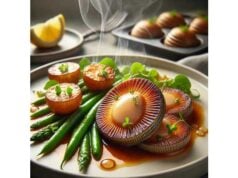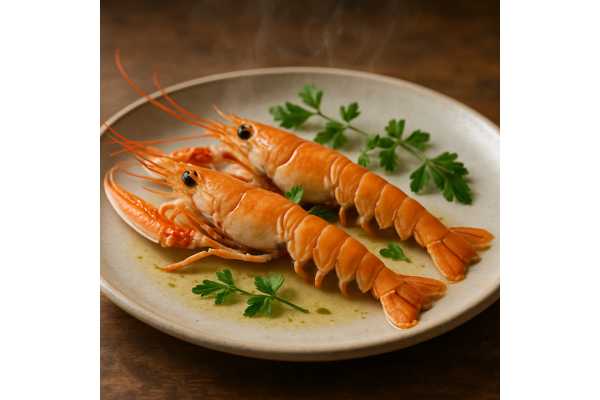
Prized by chefs for its sweet, delicate meat, langoustine (Nephrops norvegicus) lands somewhere between lobster and large shrimp in flavor and texture. Also called Norway lobster, Dublin Bay prawn, or scampi, it cooks in minutes, shines with simple seasoning, and elevates everything from pasta and risotto to grilled platters and bisques. Nutritionally, langoustine is a lean, high-protein seafood that contributes omega-3s (EPA and DHA), vitamin B12, iodine, selenium, and choline with relatively few calories. It is also versatile: whole, split, or shelled tails, fresh or frozen, poached, roasted, sautéed, or quickly grilled. As with all crustaceans, it carries allergy considerations and requires careful handling for best quality. This guide gathers the essentials—nutrition tables, evidence-based benefits, sourcing and sustainability pointers, kitchen techniques that protect nutrients, and realistic serving advice—so you can choose, cook, and enjoy langoustine confidently at home.
Quick Facts
- Lean protein with meaningful omega-3s plus vitamin B12 and selenium for metabolic and heart support.
- Typical serving: 100–150 g cooked tail meat (about 6–10 medium tails) once or twice weekly.
- Safety note: shellfish allergy can be severe; follow local seafood advisories and proper cold-chain handling.
- People who should limit or avoid: anyone with a confirmed finfish or shellfish allergy, and those on sodium-restricted diets if using brined or processed scampi.
Table of Contents
- Langoustine Detailed Overview
- Langoustine Nutrition Profile
- Langoustine Health Benefits
- Risks, Allergies and Interactions
- Selecting, Quality, Sustainability and Storage
- Preparation, Cooking and Nutrient Retention
- Portions, Comparisons and FAQs
Langoustine Detailed Overview
Langoustine is a cold-water crustacean native to the northeastern Atlantic and parts of the Mediterranean. It resembles a slender lobster with long, delicate claws and a thinner shell. Because of its anatomy, most of the edible meat is in the tail, with smaller amounts in the claws. Tails are frequently sold raw (in shell or peeled), par-cooked, or frozen; whole langoustines are common in coastal markets and restaurants.
Culinary character. The meat is snowy white with a faint coral tint, sweet and lightly briny, and it firms quickly when heated. Compared with shrimp, langoustine has a finer flake and a cleaner finish; compared with lobster, it is lighter and more tender. Quick, gentle heat is the golden rule: overcooking leads to toughness. Classic preparations include butter-poaching with herbs, garlic-lemon sauté, shell-on roasting, and the Italian “scampi” style (olive oil, garlic, parsley, white wine). In French-style cookery, shells become intensely flavored stock for bisque or sauces.
Why it is valued nutritionally. Per 100 g, langoustine typically delivers ~90–110 kcal, ~20–24 g of complete protein, ~1–2 g total fat with modest omega-3s (EPA + DHA), plenty of vitamin B12, iodine, selenium, and choline, plus useful phosphorus and copper. Like most crustaceans, it is naturally low in carbohydrates and saturated fat. Because tail meat is lean, it fits into calorie-conscious menus while providing the satiety and muscle support of high-quality protein.
Buying formats and kitchen uses.
- Whole: Best for grilling, roasting, or steaming; shells enrich broths.
- Tails (shell-on or peeled): Fast weeknight option for pastas, salads, tacos, or grain bowls.
- Frozen: A smart, high-quality choice if blast-frozen near harvest; thaw gently under refrigeration.
- Processed “scampi” products: Often breaded or pre-sauced; convenient but can be higher in sodium and added fats.
Cost and availability. Prices vary by size, fishery, and whether the product is fresh or frozen. Frozen tails often offer good value and minimal waste; whole fresh langoustines are a premium item but deliver shells for stock, reducing overall cost per meal if you use them.
Good-to-know kitchen science. The transparent, firming “snap” you feel when cooking comes from myofibrillar proteins setting around 45–50 °C and collagen tightening near 55–60 °C. Pulling the meat at first opacity prevents moisture loss and keeps the texture succulent.
Langoustine Nutrition Profile
The following values are per 100 g raw tail meat unless noted. Actual numbers vary with habitat, season, and processing (e.g., brining). Percent Daily Values (%DV) use adult DVs. Where an official DV is not established (e.g., EPA + DHA), %DV is omitted.
Macros and Electrolytes (per 100 g, raw)
| Nutrient | Amount | %DV |
|---|---|---|
| Energy | 90–110 kcal | — |
| Protein | 20–24 g | 40–48% |
| Total Fat | 1.0–2.0 g | 1–3% |
| Saturated Fat | 0.2–0.4 g | 1–2% |
| Carbohydrate | 0 g | 0% |
| Sodium | 120–220 mg* | 5–10% |
| Potassium | 200–300 mg | 4–6% |
| Water | ~75–78 g | — |
*Brined or previously frozen products may trend higher; check labels.
Fats and Fatty Acids (per 100 g, raw)
| Component | Amount |
|---|---|
| Monounsaturated Fat | ~0.2–0.4 g |
| Polyunsaturated Fat | ~0.4–0.7 g |
| Omega-3 (EPA + DHA) | ~0.30–0.60 g |
| Cholesterol | 130–180 mg (DV 300 mg) |
Protein and Amino Acids (per 100 g, raw)
| Item | Amount |
|---|---|
| Total Protein | 20–24 g |
| Complete Amino Acid Profile | rich in lysine, leucine, threonine |
Vitamins (per 100 g, raw)
| Vitamin | Amount | %DV |
|---|---|---|
| Vitamin B12 (cobalamin) | 1.0–2.5 µg | 42–104% |
| Choline | 70–100 mg | 13–18% |
| Niacin (B3) | 2.0–3.0 mg | 13–19% |
| Vitamin B6 | 0.2–0.3 mg | 12–18% |
| Folate (DFE) | 15–30 µg | 4–8% |
| Vitamin E (alpha-tocopherol) | 0.5–1.0 mg | 3–7% |
| Vitamin D | 0.5–2.0 µg (20–80 IU) | 3–10% |
Minerals (per 100 g, raw)
| Mineral | Amount | %DV |
|---|---|---|
| Selenium | 35–60 µg | 64–109% |
| Iodine | 40–100 µg | 27–67% |
| Phosphorus | 180–260 mg | 14–21% |
| Zinc | 1.0–2.0 mg | 9–18% |
| Copper | 0.2–0.6 mg | 22–67% |
| Magnesium | 25–35 mg | 6–8% |
| Calcium | 30–60 mg | 2–5% |
| Iron | 0.4–1.0 mg | 2–6% |
Glycemic and Acid–Base Metrics
- Carbohydrate-free; negligible glycemic impact.
- Protein-rich with modest acid load; balance with vegetables and whole grains.
Allergens and Intolerance Markers
- Major allergen class: crustacean shellfish (tropomyosin is a dominant allergen). Cross-reactivity with other crustaceans is common.
Contaminants / Residues (context)
- Langoustine is generally low in mercury due to its shorter lifespan and trophic level compared with large predatory fish. Sodium and additives can be higher in brined, breaded, or processed products.
Fortification and Additives
- Fresh, raw tails are not fortified. Smoked or processed scampi may include sodium, phosphates for moisture retention, and flavorings—read ingredient lists.
Cooked vs. raw note: Water loss during cooking concentrates nutrients per 100 g cooked meat; compare like-for-like (raw vs. raw, cooked vs. cooked).
Langoustine Health Benefits
1) High-quality protein for satiety and muscle support
With ~20–24 g of complete protein per 100 g, langoustine helps meet daily protein targets without excess calories or saturated fat. Protein supports muscle repair, preserves lean mass during weight management, and improves meal satiety—especially when paired with fiber-rich sides like legumes and vegetables.
2) Omega-3s for cardiometabolic health
Although langoustine is leaner than oily fish, it still contributes EPA and DHA. Rotating one or two langoustine meals with one or two servings of higher-omega-3 fish (e.g., salmon, sardines, mackerel, trout) helps reach commonly recommended weekly EPA + DHA intakes. Diets that regularly include fish—particularly when prepared without deep frying—are associated with lower cardiovascular risk over time.
3) Micronutrients that are often under-consumed
- Vitamin B12: Crucial for red blood cell formation and neurological function; a 100 g portion can reach or exceed daily needs, which helps omnivores who eat little red meat.
- Selenium: Integral to antioxidant enzymes and thyroid hormone metabolism; langoustine is a concentrated source.
- Iodine: Supports thyroid hormone production; as a marine food, langoustine contributes meaningful amounts, especially valuable in regions with low iodized-salt use.
- Choline: Important for cell membranes and lipid transport; seafood is a practical source alongside eggs and meats.
4) Lower calorie path to seafood benefits
Compared with richer seafood or meat cuts, langoustine provides many of the same nutrients for fewer calories per serving. That makes it a helpful option when energy intake is a concern, or when you prefer to invest calories elsewhere in the meal (grains, vegetables, or healthy fats).
5) Flavor leverage to reduce sodium
Langoustine’s natural sweetness and umami reduce the need for heavy salting. Bright acids (lemon, wine, tomatoes) and herbs (dill, parsley, tarragon) enhance flavor so you can season lightly—useful for blood pressure management.
How to translate these benefits into weekly habits
- Plan one langoustine meal and one oily-fish meal per week to balance omega-3 intake and variety.
- Choose non-fried techniques (poach, steam, roast, sauté) and keep sauces light to protect nutrients.
- Pair with vegetable-forward sides and whole grains for fiber and potassium, which complement seafood’s protein and micronutrients.
- Keep portions consistent (see “Portions” section) to build an easy routine.
Risks, Allergies and Interactions
Crustacean shellfish allergy
Langoustine belongs to the crustacean family, a major allergen group. Tropomyosin (a muscle protein) is a key allergen, and cross-reactivity among crustaceans (shrimp, crab, lobster) is common. Symptoms can include hives, wheeze, vomiting, diarrhea, and anaphylaxis. People with a diagnosed shellfish allergy should avoid langoustine unless an allergist has established species-specific tolerance. For households with food allergy, prevent cross-contact by using dedicated utensils, cutting boards, and oil for non-allergic foods.
Sodium and processed products
Plain raw tails are modest in sodium, but brined, breaded, or “ready scampi” products can be high. If you manage blood pressure or edema, choose raw or minimally processed items and season at the table with citrus and herbs.
Contaminants
Langoustine typically carries low mercury compared with long-lived predators. Location-specific concerns (e.g., veterinary drug residues in aquaculture, or environmental pollutants) are uncommon for wild langoustine fisheries but can vary by supply chain. Buy from reputable, transparent suppliers and follow national seafood guidance for pregnant or breastfeeding individuals and young children.
Food safety and handling
- Keep below 4 °C from purchase to cooking; thaw under refrigeration in sealed packaging.
- Cook to safe doneness (see the cooking section for temperature guidance).
- Discard shellfish that smell strongly of ammonia, feel mushy, or show blackening beyond natural shell pigmentation.
Medication and nutrient notes
- Ordinary food-level omega-3 intake is generally compatible with anticoagulants, but very high supplemental doses can affect bleeding risk; discuss supplements with your clinician.
- People with thyroid disorders should consider total iodine intake across the diet; langoustine contributes but is rarely excessive.
- If you have gout, seafood purines may contribute to flares in some individuals; monitor personal tolerance and overall purine load.
Pregnancy and breastfeeding
When properly handled and cooked, langoustine can fit into pregnancy diets within national seafood recommendations. Avoid raw or undercooked preparations; be mindful of sodium in smoked or processed versions; and vary species week to week.
Selecting, Quality, Sustainability and Storage
Choosing quality langoustine
- Whole: Look for bright, intact shells with a mild ocean scent. Heads should be firm, eyes clear, and tails curled (a sign of freshness). Avoid dried, blackened gills or soft heads.
- Tails: Flesh should be glossy and translucent-to-opaque with no gray edges. Shell-on tails protect moisture; peeled tails are convenient but more perishable.
- Frozen: Prefer blast-frozen products with an even ice glaze and minimal ice crystals. Check pack dates and avoid thaw-refreeze cycles (pooling liquid, clumped tails).
- Sizing: Graded by count per kilogram or per pound. Larger tails are easier to cook evenly; smaller tails cook fastest but can overcook easily.
Sustainability snapshot
- Langoustine fisheries in the Northeast Atlantic are actively managed with quotas, gear rules, and closed areas to protect stock and habitat. Trawls fitted with square-mesh panels or sorting grids reduce bycatch; creel (pot) fisheries can be selective and low-impact where managed well.
- Stocks and environmental pressures vary by sub-area (temperature, oxygen levels, substrate). Favor suppliers who disclose harvest area, gear type, and third-party certifications or assessments.
- Diversifying your seafood choices across species and sources spreads demand and supports resilient oceans.
Storage and shelf life
- Refrigeration: Keep raw tails at 0–2 °C on a rack over ice; use within 24–48 hours. Whole langoustines are best the day of purchase.
- Freezing: For best quality, freeze raw tails airtight at −18 °C; use within 3–6 months. Thaw slowly (overnight in the refrigerator).
- Leftovers: Refrigerate cooked langoustine within 2 hours and eat within 2–3 days; reheat gently to preserve texture.
- Shells as an asset: Save shells for stock or bisque; freeze in a labeled bag to build flavor while minimizing food waste.
Budget, value, and yield
- Tail yield from whole langoustine is roughly 20–30% by weight depending on size. Buying frozen tails reduces waste and often lowers cost per edible kilogram. Using shells for stock increases meal yield per purchase.
Preparation, Cooking and Nutrient Retention
Key principles
- Cook fast and gentle. Langoustine turns from perfect to rubbery quickly; target just-opaque flesh and remove from heat immediately.
- Season simply. Salt lightly and lean on acids, herbs, and aromatics.
- Use the shells. They are flavor gold—toast and simmer for broth or quick sauces.
Safe temperature and doneness
- Aim for an internal temperature of 63 °C (145 °F) for firm-opaque tails that still remain juicy. Shell-on grilling or roasting may finish a few degrees higher due to carryover heat; rest 1–2 minutes.
Techniques
- Butter-poached tails (4–6 minutes total):
- Melt butter with a splash of water or wine to form an emulsion; add garlic, lemon zest, and herbs.
- Slide in peeled tails and poach gently below a simmer until just opaque.
- Result: ultra-tender texture and minimal oxidation of delicate fats.
- Pan sauté with lemon-parsley (3–4 minutes):
- Pat dry, season lightly, and cook in a hot film of olive oil 60–90 seconds per side.
- Finish with lemon juice and chopped parsley.
- Result: caramelized edges, bright flavor, and preserved nutrients.
- Shell-on roast (6–8 minutes at 220 °C):
- Split whole langoustines lengthwise, brush with olive oil, garlic, and chili.
- Roast cut-side up until meat is opaque; serve with lemon.
- Result: dramatic presentation; shells protect moisture and flavor.
- Pasta or risotto fold-in:
- Cook tails separately until just set; fold into hot pasta or risotto off heat with a knob of butter or olive oil.
- Result: carryover finishes meat gently; starches hold pan juices rich in B vitamins and minerals.
Nutrient retention tips
- Omega-3s are relatively heat-stable at culinary temperatures; avoid prolonged high-heat frying and repeated reheats.
- Water-soluble B vitamins can leach into cooking liquid; keep and serve the juices (deglaze with wine or stock).
- Sodium management: Skip brines and season at the table with citrus, fresh herbs, and a small knob of unsalted butter or good oil.
Food safety and prep hygiene
- Thaw in the refrigerator, not on the counter. If quick-thawing, submerge sealed packs in cold water and change the water every 30 minutes.
- Use separate boards for raw seafood and ready-to-eat foods.
- Discard any tails that smell strongly of ammonia or feel mushy; this suggests age or temperature abuse.
Flavor templates (scalable)
- Mediterranean: Olive oil, garlic, parsley, white wine, lemon.
- Nordic: Brown butter, dill, capers, rye crumbs.
- Asian-inspired: Ginger, scallion, Shaoxing or dry sherry, a touch of light soy; finish with rice vinegar.
- Chili-citrus: Aleppo pepper, orange zest, thyme; finish with a squeeze of lemon.
Portions, Comparisons and FAQs
What is a practical serving?
For most adults, 100–150 g cooked langoustine (about 6–10 medium tails) once or twice weekly fits well within a varied seafood pattern. Children’s portions scale by age and appetite (roughly 30–60 g cooked).
How does langoustine compare with shrimp, lobster, and crab?
- Shrimp: Similar calories and protein; shrimp is slightly firmer and often carries more pronounced mineral notes.
- Lobster: Richer flavor and typically higher cholesterol per 100 g; langoustine is more delicate and cooks faster.
- Crab: Sweeter taste with variable fat depending on species; langoustine offers a cleaner, gently briny profile and more uniform cooking.
Is langoustine low in mercury?
Yes, generally low compared with large predatory fish. This makes it a good option for many adults and children within national seafood guidance.
Can I eat langoustine during pregnancy?
Yes—when thoroughly cooked, sourced from reputable suppliers, and eaten in moderate portions as part of a rotating mix of low-mercury seafood. Avoid raw or undercooked preparations and high-sodium processed products.
What about cholesterol?
Like other crustaceans, langoustine contains dietary cholesterol (often ~130–180 mg per 100 g). For most people, dietary cholesterol has a smaller impact on blood cholesterol than saturated and trans fats; focus on overall dietary pattern and preparation method (e.g., avoid deep-frying, pair with vegetables and whole grains).
Any tips for stretching value?
- Use shells for stock to build bisque, risotto, or paella.
- Combine a smaller amount of tail meat with vegetables and legumes in pasta, couscous, or grain bowls.
- Buy frozen tails in bulk when on sale; portion and label for quick meals.
Troubleshooting quick answers
- Tough or rubbery meat: Overcooked—shorten the cook time and stop at first opacity.
- Watery results: Pat dry before cooking; high moisture inhibits browning.
- Flat flavor: Add acid (lemon, wine, tomatoes) and fresh herbs; reserve salt for the end.
References
- Omega-3 Fatty Acids – Health Professional Fact Sheet 2024 (Guideline)
- Advice about Eating Fish 2024 (Guideline)
- Safe Minimum Internal Temperature Chart 2023 (Guideline)
- The Effects of Fish Consumption on Cardiovascular Risk: A Systematic Review 2021 (Systematic Review)
- Fish and Shellfish Allergy 2019 (Review)
Medical Disclaimer
This article provides general nutrition and cooking information and is not a substitute for professional medical advice, diagnosis, or treatment. Always seek personalized guidance from a qualified healthcare professional—especially if you have a shellfish allergy, are pregnant or breastfeeding, manage cardiovascular or metabolic conditions, or take medications that may interact with diet. If you have safety concerns about seafood where you live, consult your local public health advisories before purchasing or harvesting.
If you found this guide helpful, please consider sharing it on Facebook, X (formerly Twitter), or any platform you prefer. Your support helps us continue producing clear, balanced, evidence-based articles.