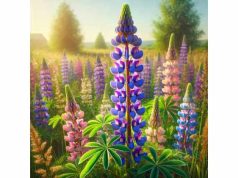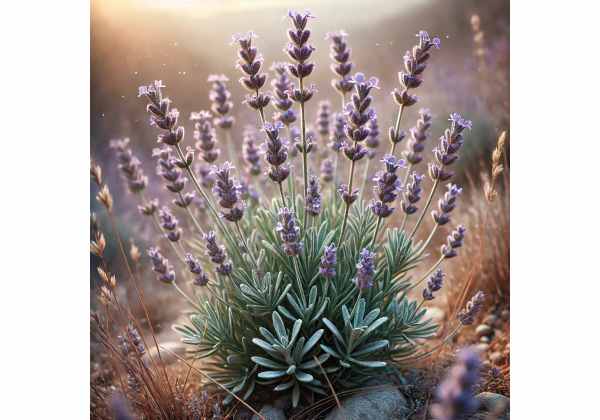
Lavender, or Lavandula angustifolia, is one of the few herbs that feels familiar in both the garden and the clinic. Its soft purple flowers and unmistakable scent have long been used for calm, sleep, skin comfort, and gentle digestive support. What makes lavender especially interesting is that modern research now supports some of its traditional uses more strongly than many other aromatic herbs, particularly for mild anxiety, stress, and sleep quality.
Still, lavender is not one single thing. A cup of lavender tea, a standardized oral lavender oil capsule, and a bottle of essential oil for diffusion can act very differently in the body. The plant’s main compounds, especially linalool and linalyl acetate, help explain its relaxing and soothing profile, but the form, dose, and route matter just as much as the herb itself. The best way to approach lavender is with both appreciation and precision: it is a genuinely useful medicinal plant, especially for nervous tension and bedtime support, but it also has limits, side effects, and safety rules that should not be overlooked.
Top Highlights
- Lavender has its strongest evidence for easing mild anxiety and improving sleep quality.
- Topical lavender may help soothe minor skin irritation and support comfort when properly diluted.
- A commonly studied oral lavender oil dose is 80 mg daily for about 10 weeks.
- Avoid internal lavender oil use during pregnancy, while breastfeeding, and when using sedatives unless a clinician advises otherwise.
Table of Contents
- What is Lavender
- Key ingredients and actions
- Does Lavender help anxiety and sleep
- Other benefits and uses
- How to use Lavender
- How much per day
- Safety and who should avoid it
- What the evidence actually says
What is Lavender
Lavender is a flowering shrub in the mint family, Lamiaceae, native to the Mediterranean region and now cultivated widely across Europe, North America, and parts of Asia. The species most often used medicinally is Lavandula angustifolia, sometimes called true lavender or English lavender. That detail matters because not every plant sold as “lavender” has the same chemistry. Some species smell sharper, contain more camphor, or behave differently in aromatic and topical preparations.
The medicinal parts are mainly the flowers and the essential oil distilled from the flowering tops. In traditional practice, lavender flowers were infused as tea, added to baths, placed in sleep sachets, used in aromatic washes, or made into oils and tinctures. Today, the herb appears in a much broader range of products: tea blends, capsules, essential oil bottles, roll-ons, bath formulas, massage oils, and standardized oral lavender oil preparations.
Part of lavender’s enduring popularity comes from its versatility. It can be culinary, aromatic, and medicinal at the same time. But this is also where confusion begins. A tea made from dried flowers is not the same as a few drops of essential oil in a diffuser. A diffuser oil is not the same as a regulated oral product such as Silexan. And a pleasant scent does not automatically mean a product is safe to swallow, apply undiluted, or use every day.
Traditionally, lavender has been associated with calm, sleep, stress reduction, headache relief, digestive comfort, skin soothing, and wound cleansing. Modern research supports some of these uses better than others. The strongest evidence points toward mild anxiety and sleep-related symptoms, with additional but less settled data for pain, mood, and topical skin support.
One reason lavender still matters in herbal medicine is that it bridges old and new unusually well. It is not just a historical herb kept alive by nostalgia. It is one of the better-studied aromatic plants in current research, especially when a defined oral oil product is used. That does not make it a cure-all, but it does make it more evidence-backed than many herbs people place in the same “relaxing tea” category.
In short, lavender is best understood as a multi-use medicinal aromatic. It can be gentle, effective, and practical, but only when the species, preparation, and purpose are matched carefully.
Key ingredients and actions
Lavender’s medicinal effects come mostly from its volatile oil, though the flowers also contain non-volatile compounds that matter. The two most discussed constituents are linalool and linalyl acetate, which dominate the aroma and much of the plant’s relaxing profile. These compounds are not just fragrance markers. They are pharmacologically active and are central to lavender’s effects on the nervous system, mood, and sensory comfort.
Beyond those headline molecules, lavender contains a wider mix of bioactives:
- Linalool
A monoterpene alcohol strongly associated with calming, anxiolytic, and sensory effects. - Linalyl acetate
A major ester in true lavender oil that contributes to the softer, sweeter scent and seems especially relevant to relaxing and skin-related actions. - Lavandulol and lavandulyl acetate
Lesser-known aromatic constituents that help shape the oil’s overall profile. - Terpinen-4-ol, borneol, and cineole
Minor compounds that may contribute to antimicrobial and physiologic effects depending on the species and oil composition. - Rosmarinic acid, caffeic acid, and gallic acid
Non-volatile phenolic compounds found in the plant material, more relevant to teas and extracts than to distilled essential oil. - Flavonoids and coumarins
These likely add antioxidant and tissue-supporting effects, although they are not the main drivers of lavender’s fast-acting calming reputation.
What makes lavender distinctive is that its chemistry supports both aromatic and oral use, but in different ways. Inhaled lavender works through scent pathways, emotional processing, and autonomic shifts that may lower tension and stress. Oral lavender oil, especially in standardized preparations, appears to affect calcium channels, neurotransmission, and anxiety-related symptom patterns more directly. That is one reason clinical studies of oral lavender oil often show more consistent outcomes than casual aromatherapy use.
A practical insight many readers miss is that chemotype and species quality matter. Lavandula angustifolia is generally richer in the compounds associated with calm and softness, while other lavenders may smell harsher or act differently because of higher camphor content. This is also why true lavender is often preferred when the goal is sleep, nervous tension, or skin comfort.
The plant’s actions can be summarized in a few useful categories:
- calming and anxiolytic
- mildly sleep-supportive
- antispasmodic and relaxing
- antioxidant
- modestly antimicrobial
- soothing to irritated tissue when diluted appropriately
If you think of lavender only as a pleasant scent, you miss the pharmacology. If you think of it as a powerful drug substitute, you overshoot the evidence. Its real strength lies in that middle ground: lavender is a chemically active herb whose best benefits are gentle but real, especially when the right preparation is used.
Does Lavender help anxiety and sleep
This is the area where lavender has the clearest evidence and the most practical value. It does not help everyone the same way, and the route matters, but lavender is one of the stronger plant options for mild anxiety, nervous restlessness, and sleep quality support.
For anxiety, the best evidence comes from oral lavender oil preparations, especially standardized products such as Silexan. In several placebo-controlled trials and a later meta-analysis, an oral dose of 80 mg daily showed meaningful improvement in generalized anxiety, mixed anxiety with low mood, and subthreshold anxiety symptoms. Those results matter because they come from defined products, structured symptom scales, and multi-week trials rather than from one-off aromatherapy sessions. The benefit is not instant or dramatic in the way a sedative can feel. It tends to build over days to weeks and appears most useful for people with persistent tension, worry, poor concentration, somatic anxiety, and stress-related sleep disruption.
For sleep, the picture is slightly different. Lavender seems more reliable at improving sleep quality than at acting like a strong sleep inducer. In other words, it may help people feel more settled, fall asleep more easily, and perceive sleep as deeper or more restorative, especially when poor sleep is driven by stress. The evidence for inhaled lavender is encouraging but more mixed than the oral anxiety data because study designs vary widely. Some trials use aroma patches, some use pillows, some use massage, and some combine lavender with other calming routines. Even so, recent reviews and meta-analyses suggest a modest but meaningful sleep benefit in adults.
A useful distinction is this:
- Oral standardized lavender oil is the most evidence-backed option for persistent anxiety symptoms.
- Aromatherapy is more situational and can be helpful for winding down, bedtime rituals, or acute stress.
- Tea is gentler still and may be best for people who want a mild evening ritual rather than a clinically studied effect.
Lavender also seems to help the “bridge symptoms” between anxiety and sleep, such as tension, restlessness, irritability, and the sense that the mind will not switch off at night. That bridge effect is one reason it remains popular. It does not need to act like a heavy sedative to be useful.
For readers who want a gentler daytime herbal companion to the same goal, lemon balm for calm without heaviness is often discussed alongside lavender.
The bottom line is that lavender can genuinely help anxiety and sleep, but the effect is most credible when the product is clearly defined and the expectations are realistic. It is best for mild to moderate symptoms, not for crises, panic emergencies, or severe insomnia that needs formal assessment.
Other benefits and uses
Once anxiety and sleep are covered, lavender still has several other interesting uses, though the evidence becomes more uneven. Some are supported by tradition plus plausible mechanisms. Others have early clinical or laboratory support but are not yet strong enough to treat as established outcomes.
Pain and tension support
Lavender aromatherapy has been studied for menstrual pain, postoperative discomfort, headaches, and procedure-related distress. The strongest pattern is not that lavender erases pain on its own, but that it may reduce the anxiety and tension wrapped around pain, which can lower perceived intensity. That is especially relevant for tension headaches, stress-linked pain, and menstrual discomfort.
Skin and surface comfort
Topically diluted lavender oil is often used for minor irritation, massage blends, and skin-soothing formulas. Laboratory and preclinical work suggests anti-inflammatory and antimicrobial activity, and one newer study suggests lavender oil rich in linalyl acetate may have value in atopic dermatitis models. Still, this should not be overstated. Lavender can soothe some skin, but oxidized fragrance compounds can also irritate sensitive skin. This is one reason quality and freshness matter.
Digestive comfort
Traditional herbal practice often uses lavender flower tea for bloating, nervous digestion, and mild spasm. This use makes sense because aromatic herbs frequently combine carminative and calming properties. The evidence here is weaker than for anxiety, but the traditional logic is sound: a warm infusion may help when stress and digestion are clearly linked.
Mood support
Lavender is increasingly discussed in relation to low mood, especially when depression overlaps with anxious symptoms. Some clinical work on oral lavender oil is promising, but this is not yet the same level of evidence as its anxiety data. It is better described as a potential supportive herb for mixed anxiety and low mood than as a stand-alone antidepressant.
Environmental and sensory use
Lavender’s scent may improve the feel of a room, a bedtime routine, or a stressful care setting. This matters more than it may seem. A herb that lowers physiological arousal even modestly can become meaningful when used consistently in daily rituals.
If digestive and bedtime support are part of the same goal, many readers also compare lavender with chamomile for gentle winding down and stomach comfort.
What all these uses share is moderation. Lavender is at its best when used to soften a pattern, not overpower it. It can ease the edges of stress, tension, mild discomfort, and surface irritation. It is far less convincing when marketed as a cure for chronic pain, severe dermatitis, major depression, or systemic infection. The herb is useful, but it works within a narrow and realistic range.
How to use Lavender
Lavender can be used in several forms, and choosing the right one matters more than many people realize. The same plant can be calming, irritating, or simply ineffective depending on how it is prepared.
The main forms are:
- Tea or infusion
Made from dried lavender flowers, this is the gentlest route. It suits evening routines, mild digestive tension, and light nervous restlessness. Tea is usually preferred when the goal is comfort rather than a clinically measured effect. - Aromatherapy or diffusion
This is popular for stress, bedtime rituals, and situational anxiety. It can work well for people who respond strongly to scent, but it is less standardized than oral use. A few drops in a diffuser or on an aroma stone is usually enough. More is not necessarily better. - Standardized oral lavender oil
This is the best-supported option for anxiety. It is important to stress that standardized oral lavender oil products are not the same as generic essential oil bottles. A diffuser oil should not be swallowed just because it says “pure lavender oil.” - Topical diluted oil
Lavender oil can be diluted into a carrier oil or cream for massage, minor skin discomfort, or bedtime foot and shoulder rubs. A 1 to 2 percent dilution is a practical starting range for many adults. Patch-testing first is wise. - Baths and compresses
These are traditional and can be pleasant, especially for tension and winding down, though the effect is often more sensory than medicinal.
A few practical rules make lavender work better:
- Use true lavender, ideally Lavandula angustifolia, when the goal is calm or sleep.
- Use tea for mild support, diffusion for atmosphere and bedtime transition, and oral standardized products for persistent anxiety patterns.
- Store essential oil away from heat, air, and light. Oxidized oil is more likely to irritate skin.
- Keep topical use diluted. “Natural” does not mean neat application is safe.
- Avoid swallowing essential oil unless the product is specifically made for oral use.
For skin-focused aromatic use, some people compare lavender with tea tree for stronger topical antimicrobial support. Lavender is usually gentler and more calming, while tea tree is often used when a more direct antimicrobial angle is desired.
One of lavender’s greatest strengths is that it fits easily into daily routines. But that same ease can make people careless. Good use depends on matching the preparation to the purpose. A beautiful-smelling oil is not automatically the right tool for anxiety, and a tea is not equivalent to a standardized capsule studied in trials.
How much per day
Lavender dosing depends heavily on the form. This is not a herb where one number covers everything, because tea, inhalation, topical use, and oral oil products operate on completely different scales.
For oral standardized lavender oil, the most commonly studied amount is:
- 80 mg once daily
- often taken for 6 to 10 weeks
- usually with consistent daily use rather than “as needed”
This is the dose most often linked to the Silexan research. Some studies and analyses also discuss higher dosing, but 80 mg daily is the best-known evidence-based reference point.
For tea, traditional use is gentler and less standardized. A practical range is:
- 1 to 3 g dried lavender flowers
- in 200 to 250 mL hot water
- steeped 5 to 10 minutes
- taken once or twice daily, often in the evening
This kind of tea is usually chosen for mild tension, digestive unease, or bedtime settling rather than for clinically significant anxiety symptoms.
For topical use, dilution matters more than daily milligrams. A useful rule is:
- start with 1 percent dilution for sensitive skin
- up to 2 percent for general adult massage use
- avoid repeated neat application
For diffusion or inhalation, dose is more about exposure than exact milligrams. In practice, that usually means a small amount, often just a few drops in a diffuser according to the product instructions. Strong scent saturation does not guarantee better results and can trigger headache or irritation in some people.
A few factors change the right dose:
- the form used
- body sensitivity
- whether the goal is mild support or a more structured therapeutic trial
- concurrent use of sedatives, sleep aids, or calming herbs
- age and skin sensitivity
A helpful comparison is that lavender often works best as a steady, moderate herb. If someone wants a stronger bedtime herbal push, valerian for more pronounced sleep support is often discussed in that role, while lavender tends to feel softer and more balancing.
The key dosing principle is precision, not escalation. If tea is not enough, it does not automatically make sense to jump to swallowing essential oil. And if aromatherapy feels subtle, using far more oil may simply create irritation. Lavender responds best to the right format at a reasonable dose, used consistently for the right reason.
Safety and who should avoid it
Lavender has a fairly favorable safety profile when used appropriately, but safe use still depends on the form. One of the biggest mistakes people make is assuming that because lavender is common, every lavender product is interchangeable and harmless.
Tea and culinary use are generally low risk for most adults. Problems are usually limited to dislike of taste or mild stomach upset.
Aromatherapy is also generally well tolerated, but it can cause headache, coughing, or scent-triggered nausea in sensitive people. Diffusing large amounts in poorly ventilated rooms is not better and can easily become irritating.
Oral lavender oil products deserve more respect. In clinical studies, they are usually well tolerated, but they are not side-effect free. The most commonly reported issues include:
- burping or lavender-flavored eructation
- mild nausea
- stomach discomfort
- headache
- occasional loose stool
These effects are usually mild, but they matter because people sometimes take lavender specifically when they already feel physically tense or sensitive.
Topical lavender oil can soothe some skin, but it can also irritate or sensitize, especially if the oil is old, oxidized, or applied undiluted. Linalool and linalyl acetate can form oxidation products that raise the chance of skin reactions. Patch testing is a simple step that prevents many avoidable problems.
People who should be especially cautious include:
- pregnant or breastfeeding people
- children using internal lavender oil products
- people taking sedatives, sleep medicines, or anti-anxiety drugs
- anyone with fragrance allergy or highly reactive skin
- people planning surgery, especially if they are using multiple calming agents and worry about additive effects
Lavender is not strongly sedating in the way prescription hypnotics can be, but combining it with alcohol, sleep aids, or heavy sedatives still deserves care. It is also wise to separate a new lavender product from other new supplements so side effects are easier to identify.
Warning signs to stop use include:
- rash, burning, or itching after topical use
- worsening nausea or persistent burping with oral products
- headache clearly triggered by diffusion
- unusual drowsiness when combined with other calming agents
The safest approach is simple: tea for gentle use, diluted topical application for skin or massage, and oral lavender oil only when the product is clearly labeled for that route. Lavender is forgiving, but only when people respect the differences between formats.
What the evidence actually says
Lavender has one of the stronger evidence profiles among everyday medicinal herbs, but even here the details matter. The evidence is not equally strong across all uses or all products.
The best-supported use is anxiety, especially for the oral lavender oil product Silexan. A 2023 meta-analysis of randomized, placebo-controlled trials found meaningful anxiolytic benefits in subthreshold anxiety, generalized anxiety disorder, and mixed anxiety-depressive states, with favorable tolerability. The signal is strong enough that lavender should be taken seriously in this area, particularly when symptoms are mild to moderate and the product is standardized.
The next strongest area is sleep quality. A 2025 systematic review and meta-analysis found a moderate improvement in adult sleep quality across 11 randomized trials involving 628 participants. This is encouraging, but the sleep evidence is more heterogeneous than the anxiety data because studies use different delivery methods and different populations. Lavender seems better at improving perceived sleep quality than at acting as a powerful stand-alone insomnia treatment.
For broader adult health care, a 2023 scoping review concluded that lavender essential oil has been used across a wide range of clinical situations, with recurring positive signals for anxiety and pain. That supports the herb’s versatility, but it also shows how scattered the literature can be. A promising intervention used in many settings is not the same as a clearly standardized treatment.
For skin, a 2024 study on L. angustifolia oil and atopic dermatitis models suggested strong inhibitory effects with low skin-sensitization potential under the tested conditions. That is interesting and useful, but it remains preclinical. It supports cautious topical interest, not sweeping dermatology claims.
What remains weaker than many people assume is the evidence for lavender as a cure-all for depression, severe insomnia, infection, or chronic pain. There are promising findings and some positive trials, but the clearest human story still belongs to mild anxiety and related sleep disturbance.
So the most honest summary is this: lavender is more than a pleasant aroma and more than a folk remedy. It has real clinical relevance, especially in standardized oral form for anxiety and in aromatic form for sleep quality and stress reduction. But its strongest value comes from doing a few things well, not from doing everything.
References
- A review of the bioactive components and pharmacological properties of Lavandula species 2023 (Review)
- Use of Lavandula angustifolia essential oil as a complementary therapy in adult health care: A scoping review 2023 (Scoping Review)
- Efficacy of Silexan in patients with anxiety disorders: a meta-analysis of randomized, placebo-controlled trials 2023 (Meta-Analysis)
- Aromatic oil from lavender as an atopic dermatitis suppressant 2024 (Preclinical Study)
- The Sleep-Enhancing Effect of Lavender Essential Oil in Adults: A Systematic Review and Meta-Analysis 2025 (Systematic Review and Meta-Analysis)
Disclaimer
This article is for educational purposes only and does not replace medical advice, diagnosis, or treatment. Lavender may support mild anxiety, sleep quality, and comfort, but it is not a substitute for treatment of panic attacks, major depression, severe insomnia, allergic skin disease, or any urgent medical condition. Do not ingest generic essential oil products unless they are specifically made for oral use. If you are pregnant, breastfeeding, taking sedatives, or managing ongoing mental health symptoms, seek professional guidance before using medicinal lavender regularly.
If you found this guide helpful, please share it on Facebook, X, or your preferred platform so others can find a careful, evidence-based explanation.