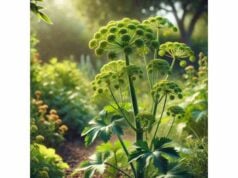
Liferoot, also called golden ragwort or golden groundsel, is a traditional North American herb with a long reputation in women’s herbal care. Older American and Eclectic herbal texts described it as a “female regulator,” a uterine tonic, and a remedy for delayed menstruation, menstrual pain, menopausal discomfort, cough, urinary irritation, and even labor support. Botanically, the plant is now often placed under the name Packera aurea, though Senecio aureus remains widely recognized in older herbal literature.
What makes liferoot unusual is that its historical prestige now collides with a major modern safety concern. Like other members of the Senecio group, liferoot contains pyrrolizidine alkaloids, compounds linked to serious liver injury and long-term toxicity. That means any discussion of “benefits” has to be balanced with what current toxicology shows. In practical terms, liferoot is more important today as a cautionary herbal case study than as a routine self-care herb. This guide explains what it is, what compounds it contains, what it was traditionally used for, how dosing was once described, and why modern oral use is generally discouraged.
Core Points
- Liferoot was traditionally used for irregular menstruation, menstrual pain, and some cough and urinary complaints.
- Its most important modern safety issue is pyrrolizidine alkaloid exposure, which can damage the liver.
- Historical oral doses were often listed at 1–4 g of the herb as an infusion up to three times daily, but modern self-use is not recommended.
- Avoid liferoot during pregnancy, breastfeeding, liver disease, childhood, and when using other potentially liver-stressing products.
Table of Contents
- What is liferoot and why is it controversial
- Key ingredients and medicinal properties
- Traditional uses for menstrual respiratory and urinary complaints
- Does liferoot have proven benefits today
- Forms historical dosing and why self use is discouraged
- Liferoot safety side effects and interactions
- A practical bottom line and safer options
What is liferoot and why is it controversial
Liferoot is a perennial herb in the daisy family, native to eastern North America. It grows in moist meadows, open woods, and wet edges, producing clusters of bright yellow flowers above basal leaves that can persist as low green groundcover. Traditional names include liferoot, golden ragwort, squaw weed, female regulator, and golden groundsel. Some of these older common names reflect the herb’s long use in reproductive care, but they also reflect historical language that many people now avoid.
In herbal history, liferoot occupied a curious middle ground between household remedy and specialist women’s herb. It appeared in folk medicine, Indigenous records, Eclectic medicine, and nineteenth-century women’s formulas. It was often described as useful where the reproductive system seemed “sluggish,” “atonic,” or irregular. That historical language does not map neatly onto modern diagnosis, but it helps explain why liferoot was once discussed for delayed menstruation, cramping, heavy bleeding, discharge, menopausal discomfort, and labor support.
The controversy comes from the gap between reputation and risk. Older writers praised liferoot as though it were a dependable uterine tonic. Modern toxicology forces a much more cautious reading. The plant belongs to a genus with well-known pyrrolizidine alkaloid chemistry, and those compounds can damage the liver, especially with repeated use or poorly controlled products. Some sources also raise concern about carcinogenic potential with prolonged exposure. In other words, a herb once praised for long courses and repeated dosing is now approached with the opposite logic: minimize exposure, avoid routine internal use, and do not assume “traditional” means safe.
Another complication is naming. The plant is commonly discussed as Senecio aureus in herbal texts, but current botanical classification often places it as Packera aurea. Readers shopping for seeds or reading gardening sources may therefore see the newer name, while herb references and historical formulas may use the older one. Both names point to the same plant tradition.
That is why liferoot deserves an especially careful article. It is not enough to repeat its old uses and stop there. The responsible way to approach it is to treat it as a historically important herb with a modern safety problem. That framing changes the reader’s main question from “How much should I take?” to “Is there a good reason to take this at all?” In many cases, the answer is no, especially when safer herbs are available for the same symptom patterns.
Key ingredients and medicinal properties
Liferoot’s chemistry explains both its old medicinal reputation and its modern safety concern. The most important compounds are pyrrolizidine alkaloids, usually shortened to PAs. These are not minor background constituents. They are the reason the plant is discussed in toxicology reviews and regulatory documents. In liferoot and related Senecio species, these alkaloids have been associated with liver injury, especially after metabolic activation in the body.
Specific compounds reported from Senecio aureus include otosenine and other related alkaloids typical of the group. Historical secondary sources also list compounds such as senecionine, senecifoline, senecine, floridanine, and florosenine. Even if a consumer never memorizes those names, the practical lesson is clear: the herb’s chemistry is not neutral. It contains a recognized class of phytochemicals that can be hazardous.
Liferoot has also been reported to contain sesquiterpenoids, including eremophilane-type compounds. These are chemically interesting and may help explain why the plant attracted pharmacological attention. Traditional descriptions of liferoot as anti-inflammatory, expectorant, uterine-toning, or mildly stimulating likely came from observed effects of the whole plant rather than from isolated compounds. That is common in older herbal medicine. Practitioners worked from pattern and experience first, chemistry later.
From a medicinal-property standpoint, liferoot has been associated with several actions in the historical literature:
- uterine tonic or emmenagogue activity
- mild expectorant use for cough and chest congestion
- astringent or hemostatic use in some bleeding complaints
- mild diuretic use for urinary irritation
- general anti-inflammatory or alterative language in older texts
The problem is that these historical “properties” do not automatically become modern therapeutic claims. With many herbs, scientists later confirm at least some of the old uses in well-designed human studies. With liferoot, that modern validation is thin. Chemistry has advanced more clearly than clinical evidence has.
This creates a useful distinction. Liferoot may have been pharmacologically active enough to gain and keep a medicinal reputation, but activity is not the same as acceptable risk. Many biologically active plants are not good self-care herbs because their margin of safety is too narrow or their toxicology is too serious. Liferoot belongs much closer to that second group.
So the key ingredients section for liferoot does not lead naturally to an upbeat conclusion. Instead, it leads to a sober one: its defining compounds are not the sort that encourage casual use. In fact, the very chemicals that make the plant notable are the same ones that make modern herbalists and regulators wary. That is why liferoot now sits in a very different category from gentler menstrual, digestive, or respiratory herbs.
Traditional uses for menstrual respiratory and urinary complaints
Historically, liferoot was used most often for reproductive complaints. Older American herbal medicine described it as a uterine herb for delayed menses, painful periods, irregular cycles, and some forms of heavy or difficult flow. It was also discussed for leucorrhea, pelvic dragging, and symptoms that older practitioners interpreted as uterine weakness or poor uterine tone. In that setting, liferoot’s reputation was not as a fast painkiller but as a regulating herb taken over time.
This reputation was strong enough that liferoot entered famous nineteenth-century women’s formulas. It appeared in commercial compounds marketed for female complaints, especially those centered on delayed menstruation, painful menstruation, and a vague category once labeled “female weakness.” Historically, that made liferoot sound central and indispensable. Modern readers should be careful not to romanticize that role. Many old women’s remedies mixed partial insight with imprecise diagnosis, inconsistent dosing, and limited safety awareness.
Liferoot was also used around childbirth. Some traditions describe it as a plant used to hasten labor or reduce labor pain. Other records place it in the wider category of emmenagogues and abortifacients. That alone should make today’s reader cautious. Any herb historically used to stimulate menstruation or labor raises immediate pregnancy concerns and should never be treated as a casual home remedy.
Beyond reproductive use, liferoot appeared in older cough and chest formulas. It was sometimes described as a mild expectorant for chronic cough, hoarseness, or chest congestion. That may sound plausible on paper, especially because many bitter or aromatic herbs have respiratory applications. But historical use here does not mean liferoot is a sensible modern cough herb. There are better-known options with less toxic baggage, and readers looking for a more traditional menstrual-support herb are better served by alternatives such as yarrow for menstrual support and flow-related discomfort.
Urinary and fluid-balance uses were smaller but still present in the literature. Some older sources mention liferoot for painful urination, urinary irritation, or water retention. Again, the language is broad and the evidence limited. These uses reflect the wide, flexible way herbs were once assigned to symptoms, often without the disease categories used today.
A practical way to read these traditions is to separate historical signal from modern endorsement. The signal is that liferoot was considered active in the reproductive tract, somewhat useful in chronic cough states, and occasionally used for urinary complaints. The modern endorsement is much weaker. We can acknowledge the historical pattern without pretending that tradition alone settles the question of usefulness or safety.
That distinction matters because many readers searching for “benefits” are really asking whether an old reputation deserves present-day trust. With liferoot, the answer is partly yes in the historical sense and largely no in the self-treatment sense. It tells us where earlier herbalists believed the plant worked, but it does not tell us that those same uses are wise today.
Does liferoot have proven benefits today
For a modern herb profile, the central question is not whether liferoot was respected in the past. It is whether it has convincing evidence for meaningful benefit now. The answer is limited at best. There are no strong modern clinical trials showing that liferoot safely and effectively treats menstrual irregularity, dysmenorrhea, menopausal symptoms, cough, urinary irritation, or any other common use for which people might buy it today.
That absence matters. A plant can have a vivid herbal reputation and still fail the modern evidence test. In liferoot’s case, the lack of human clinical evidence lands even harder because the safety concerns are serious. If a herb has weak evidence but excellent safety, some people may still choose it cautiously. If a herb has weak evidence and meaningful toxicity concerns, the bar for using it rises sharply.
So what can reasonably be called a “benefit” today? In a strict clinical sense, very little is established. In a broader interpretive sense, liferoot offers three kinds of value:
- It preserves an important chapter in North American herbal history.
- It shows how women’s herbs were once formulated and marketed.
- It demonstrates why modern herbal practice must weigh toxicology alongside tradition.
That may sound less satisfying than the usual herb article, but it is more honest. Liferoot is not a current front-line botanical for cycle support, menopause, or cough. When someone has menstrual cramps, hot flashes, or irregular bleeding, modern practice usually turns to better-studied and safer options, not to a PA-containing Senecio herb. For example, symptoms once grouped under “female regulator” are now more often discussed through condition-specific and comparatively better-known herbs such as black cohosh for menopause-related symptoms or other targeted approaches.
This is also where the language of “medicinal properties” needs discipline. It is possible that liferoot has uterine, anti-inflammatory, expectorant, or smooth-muscle effects that were noticed by earlier practitioners. But until those effects are demonstrated in controlled human studies and separated from the herb’s toxic liabilities, they remain historical or pharmacological possibilities rather than established clinical benefits.
There is another modern nuance worth noting. Some supplements or reference sites suggest that PA-free processing could change the safety equation. In theory, that is true. If a liferoot preparation were genuinely free of toxic pyrrolizidine alkaloids and properly tested, its risk profile would be different from that of crude herb. The problem is that such products are not the standard form in the marketplace, and the evidence base for PA-free liferoot preparations is still too thin to support routine recommendation.
So the modern evidence summary is straightforward. Liferoot has historical uses, interesting chemistry, and weak clinical validation. It also has a safety profile that discourages routine oral use. In that setting, “proven benefits” is simply not the strongest lens through which to view the herb.
Forms historical dosing and why self use is discouraged
Liferoot has been prepared historically as teas, infusions, tinctures, liquid extracts, and multi-herb formulas. The whole plant, roots, and aerial parts have all appeared in older records. Historical Western herbal references often described gram-level infusions of the dried herb or milliliter doses of tincture taken several times daily. A commonly repeated older range is 1 to 4 g of the herb as an infusion up to three times daily, with tincture or liquid-extract dosing described separately in some texts.
That historical dosing information needs a strong warning label. It comes from an era before the toxicology of pyrrolizidine alkaloids was understood the way it is now. So while such figures help readers understand how liferoot was once used, they should not be treated as a current recommendation or a safe self-care range.
In modern practice, the key dosage fact is actually the absence of an endorsed dose. There is no well-established evidence-based oral dose for liferoot that balances benefit and safety in a reassuring way. That is why reputable modern summaries often stop short of recommending a routine amount and instead focus on the plant’s toxicity problem.
This difference between historical dose and modern recommendation is important because many herb articles flatten the distinction. They present old doses as though they automatically remain valid. With liferoot, that would be misleading. The safer statement is this:
- historical oral dosing existed
- modern oral self-use is generally discouraged
- lack of clinical dosing guidance is part of the problem, not a minor gap
People sometimes assume that using a “small” amount of a toxic herb solves everything. Unfortunately, that is not always true. Risk depends on the specific alkaloid profile, preparation, duration of use, individual metabolism, cumulative exposure, and product quality. A poorly characterized product can create uncertainty even before dose is considered.
Another practical problem is quality control. With common culinary or tea herbs, brand quality still matters, but the consequences of variation are usually modest. With a PA-containing plant, quality control matters much more because the concern is not just effectiveness. It is toxic exposure. Unless a product is rigorously analyzed and transparently documented, consumers are essentially being asked to trust what they cannot verify.
That is why liferoot is not a good herb for self-experimentation. If someone is drawn to it because of old reproductive or respiratory uses, the wiser path is usually to step back and ask what symptom they actually want help with. Once that is clear, they can choose a safer and more modern-fit herb or discuss evidence-based treatment. For digestive cramping or post-meal tightness, for example, many readers are better served by gentler options such as peppermint for mild digestive spasm and bloating rather than by trying to repurpose liferoot.
Liferoot safety side effects and interactions
Safety is the defining section of any liferoot article. The herb’s major concern is pyrrolizidine alkaloid toxicity, especially the potential for serious liver injury. These compounds are associated with hepatic damage and can contribute to sinusoidal obstruction syndromes and other toxic outcomes. In practical terms, that means liferoot is not simply a “strong herb” or a “use with caution” botanical. It is a plant whose internal use carries a meaningful toxicological question.
Potential risks to keep in mind include:
- liver injury from PA exposure
- cumulative harm with repeated or prolonged use
- increased concern in pregnancy because of historical emmenagogue and labor-related use
- uncertain long-term carcinogenic risk with chronic exposure
- heightened danger in people with liver disease or multiple medication burdens
Pregnancy is a major red flag. A plant historically used to influence menstruation, prevent pregnancy, induce abortion, or hasten labor should be assumed inappropriate in pregnancy unless high-quality safety data show otherwise. Liferoot has no such reassuring evidence. The same logic applies to breastfeeding. Without good lactation safety data and with known PA concerns, avoidance is the prudent choice.
Children should also avoid liferoot. They have no clear benefit profile here, and the safety uncertainties are too large. People with pre-existing liver disease, heavy alcohol use, unexplained liver enzyme abnormalities, or hepatitis history should be especially cautious. Even small added burdens may matter more in those settings.
Drug interactions are not well mapped, but that should not be mistaken for reassurance. Limited interaction data often means the herb has not been studied carefully enough, not that it is interaction-free. Extra caution is reasonable with:
- hepatotoxic drugs or supplements
- alcohol
- multiple herbs taken together in chronic formulas
- medications used in pregnancy-related care
- any product used before surgery or during acute illness without clinical guidance
Side effects are not always dramatic at first. That is another reason toxic herbs can mislead people. A product may seem tolerated in the short term while still carrying cumulative risk. The absence of immediate nausea, rash, or dizziness does not prove safety.
There is also a common misconception that “natural” or “traditional” uterine herbs are automatically gentler than pharmaceuticals. Liferoot is a good example of why that belief can fail. A plant can be traditional, plant-based, and culturally important, and still be a poor choice for modern unsupervised use.
If someone is searching for support for cough, chest congestion, or throat irritation, there are more suitable herbs with longer modern use and a cleaner reputation, such as great mullein for cough and throat support. That does not make every alternative perfect, but it highlights an important principle: symptom similarity is not enough to justify choosing the riskier herb.
A practical bottom line and safer options
The most useful modern conclusion about liferoot is simple: respect its history, but do not assume that history makes it a wise everyday remedy. Liferoot remains interesting for herbal historians, ethnobotanists, and readers trying to understand older women’s formulas. It is much less compelling as a routine product for self-treatment.
If your interest in liferoot comes from a specific symptom, it helps to translate that symptom into a safer modern decision.
If the real issue is menstrual cramping, heavy flow, or irregular cycles, the first step is to clarify what kind of problem is actually happening. Painful periods, heavy bleeding, skipped periods, perimenopause, endometriosis, fibroids, thyroid dysfunction, anemia, and pregnancy-related causes can overlap in ways old herb texts did not separate clearly. That is one reason the historical category of “female regulator” is too blunt for modern use.
If the real issue is cough or chest congestion, a safer herb with clearer contemporary use is usually the better place to start. If the issue is urinary burning or pelvic heaviness, it is even more important to avoid vague self-diagnosis, because infection, stones, pelvic floor dysfunction, or gynecologic disease may be involved.
A practical decision framework for liferoot looks like this:
- Do not use liferoot casually because it sounds traditional or specialized.
- Do not use it during pregnancy, breastfeeding, or when trying to conceive.
- Do not rely on old dose ranges as proof of safety.
- Do not assume a multi-herb “female formula” becomes safer just because liferoot is one ingredient among many.
- Match the symptom to a safer and more appropriate option or seek medical evaluation.
For people exploring herbs for menstrual pain in particular, a more sensible first read is often cramp bark for spasm-related period discomfort, because it fits the symptom pattern many readers actually mean when they search for old uterine herbs. For persistent heavy bleeding, severe pain, intermenstrual bleeding, or missed periods that might signal pregnancy, medical assessment matters more than herb selection.
So where does that leave liferoot? It leaves it in an important but narrow place. It is valuable as a reminder that herbal medicine is not just a catalog of benefits. It is also a discipline of judgment. Some herbs earn a place in modern routines because evidence and safety line up reasonably well. Others, like liferoot, are better understood than used. Knowing that difference is part of using herbs intelligently.
References
- Public statement on the use of herbal medicinal products containing toxic, unsaturated pyrrolizidine alkaloids (PAs) including recommendations regarding contamination of herbal medicinal products with pyrrolizidine alkaloids 2021 (Guideline)
- Pyrrolizidine Alkaloids in Foods, Herbal Drugs, and Food Supplements: Chemistry, Metabolism, Toxicological Significance, Analytical Methods, Occurrence, and Challenges for Future 2024 (Review)
- Pyrrolizidine Alkaloids as Hazardous Toxins in Natural Products: Current Analytical Methods and Latest Legal Regulations 2024 (Review)
- The Phytochemistry of Cherokee Aromatic Medicinal Plants 2018 (Review)
- Otosenine from Senecio aureus 1983 (Phytochemistry)
Disclaimer
This article is for educational purposes only and is not a substitute for medical advice, diagnosis, or treatment. Liferoot is not a low-risk general wellness herb. Because Senecio aureus is associated with pyrrolizidine alkaloids and potential liver toxicity, internal use should not be started on your own, especially during pregnancy, breastfeeding, when trying to conceive, in liver disease, or alongside other supplements or medicines that may affect the liver. Seek qualified medical care for heavy menstrual bleeding, severe cramps, chest symptoms, urinary pain, missed periods, or any symptom that is persistent, worsening, or unexplained.
Please share this article on Facebook, X, or your preferred platform if you found it helpful.