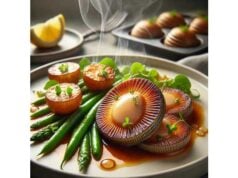
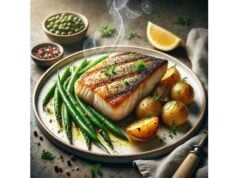
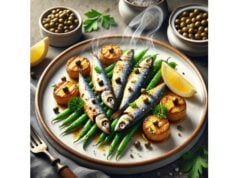
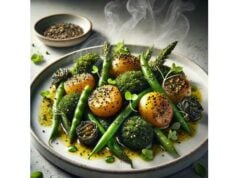
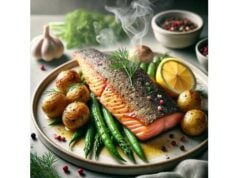
Lingcod is a Pacific coast favorite with a loyal following among anglers and chefs. Despite the name, it is not a true cod—it belongs to the greenling family—and its fillets range from snowy white to a naturally bluish tint that turns white when cooked. In the kitchen, lingcod behaves like the best “cook-any-way” white fish: firm yet flaky, neutral but not boring, and sturdy enough for pan-searing, roasting, grilling, poaching, or steaming. It shines in tacos and sandwiches, holds its shape in chowders, and takes marinades and crusts without falling apart. Nutritionally, lingcod is a lean, high-protein choice with modest omega-3s (EPA and DHA) and essential micronutrients like vitamin B12, selenium, phosphorus, and potassium—delivered with relatively few calories and minimal saturated fat. This guide distills the essentials: a detailed nutrition profile per 100 g, evidence-based benefits, clear safety and allergy notes, practical buying and storage tips, and cooking methods that keep moisture, texture, and nutrients intact.
Quick Overview
- Lean white fish with ~19–21 g protein per 100 g and modest omega-3s for heart and brain support.
- Typical serving: 100–150 g cooked fillet, enjoyed 1–2 times weekly within a varied seafood routine.
- Safety note: generally low in mercury; follow regional fish advisories and cook to a safe temperature.
- Limit or avoid if you have a confirmed finfish allergy or your local advisories flag specific harvest areas.
Table of Contents
- Lingcod Detailed Overview
- Lingcod Nutrition Profile
- Lingcod Health Benefits
- Risks, Allergies and Interactions
- Selecting, Quality, Sustainability and Storage
- Preparation, Cooking and Nutrient Retention
- Portions, Comparisons and FAQs
Lingcod Detailed Overview
Lingcod (Ophiodon elongatus) inhabits rocky reefs and nearshore structures from Baja California north to Alaska. Wild-caught by hook-and-line, jig, or trawl depending on region, it is prized for firm, large-flake fillets that remain juicy and hold together during cooking. The flesh is typically white, though some individuals show a natural blue-green hue due to a bile pigment that degrades with heat; once cooked, both types turn opaque white and taste the same. Skin-on fillets are especially forgiving: the skin helps retain moisture and provides a crisp texture when seared.
Culinary personality. Lingcod sits between delicate cod and meaty halibut. It is mild and slightly sweet, with enough structure to take on bold seasonings—herb crusts, citrus and capers, miso or gochujang glazes, or spice blends like smoked paprika and cumin. Because it is lean, the fish benefits from sauces that add moisture (lemon-butter, salsa verde, yogurt-dill, tomato-olive pan sauces) without overwhelming its clean flavor. In mixed dishes, lingcod’s firmness is a plus: chunks stay intact in cioppino, green curry, or coconut stews, and cubes grill into skewers that don’t crumble.
Who will love it.
- Meal planners appreciate how evenly it cooks in the oven on sheet pans with vegetables.
- Healthy eaters value its high protein-to-calorie ratio and low saturated fat.
- Families find the flavor approachable for kids and straightforward to season.
- Entertaining cooks like its versatility—crispy sear for weeknights, whole roasted sides for gatherings.
Buying formats. Most markets sell skinned or skin-on fillets and, seasonally, cheeks (a tender, scallop-like cut). Frozen options can be excellent if blast-frozen at sea; look for intact glaze and minimal ice crystals. If you buy whole fish, expect a generous fillet yield and save the bones for stock.
Kitchen science to cook it right. Lean white fish dries if overcooked. Myofibrillar proteins set around 45–50 °C; the sweet spot for juiciness is pulling fillets when they just turn opaque, typically near 63 °C internal with a minute of rest. High heat browns the surface quickly—great for flavor—but keep the interior just-cooked for tender flakes.
Lingcod Nutrition Profile
Values below are per 100 g raw fillet unless stated. Actual numbers vary by habitat, season, diet, and fat content. Percent Daily Values (%DV) use current adult DVs. Where no DV exists (e.g., EPA + DHA), %DV is omitted.
Macros and Electrolytes (per 100 g, raw)
| Nutrient | Amount | %DV |
|---|---|---|
| Energy | 90–110 kcal | — |
| Protein | 19–21 g | 38–42% |
| Total Fat | 1.0–2.5 g | 1–3% |
| Saturated Fat | 0.2–0.6 g | 1–3% |
| Carbohydrate | 0 g | 0% |
| Sodium | ~55–80 mg | 2–3% |
| Potassium | ~320–420 mg | 7–9% |
| Water | ~76–79 g | — |
Fats and Fatty Acids (per 100 g, raw)
| Component | Amount |
|---|---|
| Monounsaturated Fat | ~0.3–0.6 g |
| Polyunsaturated Fat | ~0.4–0.8 g |
| Omega-3 (EPA + DHA) | ~0.30–0.70 g |
| Cholesterol | 45–70 mg (DV 300 mg) |
Protein and Amino Acids (per 100 g, raw)
| Item | Amount |
|---|---|
| Total Protein | 19–21 g |
| Complete Amino Acids | rich in lysine, leucine, threonine |
Vitamins (per 100 g, raw)
| Vitamin | Amount | %DV |
|---|---|---|
| Vitamin B12 (cobalamin) | 0.8–2.0 µg | 33–83% |
| Niacin (B3) | 3.0–5.5 mg | 19–34% |
| Vitamin B6 | 0.25–0.40 mg | 15–24% |
| Choline | 55–85 mg | 10–15% |
| Vitamin D | 1.0–4.0 µg (40–160 IU) | 5–20% |
| Vitamin A (RAE) | ~15–40 µg | 2–4% |
| Vitamin E | 0.2–0.6 mg | 1–4% |
Minerals (per 100 g, raw)
| Mineral | Amount | %DV |
|---|---|---|
| Selenium | 25–45 µg | 45–82% |
| Phosphorus | 180–260 mg | 14–21% |
| Magnesium | 25–35 mg | 6–8% |
| Zinc | 0.5–1.0 mg | 5–9% |
| Potassium | ~320–420 mg | 7–9% |
| Calcium | 10–25 mg | 1–2% |
| Iron | 0.2–0.6 mg | 1–3% |
| Iodine | 20–60 µg | 13–40% |
Glycemic and Acid–Base Metrics
- Carbohydrate-free; negligible direct glycemic effect.
- Protein-rich foods add a modest acid load; balance with vegetable and whole-grain sides for a favorable overall pattern.
Bioactives / Phytonutrients
- EPA and DHA (marine omega-3s) contribute to cardiometabolic and neurocognitive support.
- Taurine and creatine occur naturally in fish muscle; amounts vary and add to total dietary intake from animal proteins.
Allergens and Intolerance Markers
- Major allergen group: finfish. Cross-reactivity among fish species is common in sensitized individuals.
Contaminants / Residues (context)
- Lingcod is typically low in mercury relative to long-lived apex predators. Location-specific advisories may address legacy pollutants in certain areas; follow regional guidance if you harvest locally.
Fortification and Additives
- Fresh or frozen fillets are not fortified. Smoked, breaded, or pre-seasoned products may contain added sodium or phosphates; check labels.
Cooked vs. raw note: Cooking reduces water and concentrates nutrients per 100 g cooked weight; compare raw-to-raw or cooked-to-cooked for accuracy.
Lingcod Health Benefits
1) High-quality protein with few calories
Per 100 g, lingcod provides around 19–21 g of complete protein for roughly 90–110 kcal. That ratio supports muscle repair, preserves lean mass during weight management, and heightens satiety—especially when the fish is paired with fiber-rich vegetables, beans, or whole grains. Swapping in lingcod for higher-fat meats reduces saturated fat while keeping meals satisfying.
2) Omega-3 contribution within a seafood pattern
Lingcod is a lean fish, but it still supplies EPA and DHA. A practical weekly plan: enjoy lingcod once and a higher-omega-3 fish (e.g., salmon, trout, sardines, mackerel) once or twice. This rotation balances taste preferences with evidence-based omega-3 intake goals, reinforcing heart and brain health while keeping menus varied.
3) Micronutrients many people under-consume
- Vitamin B12 supports red blood cell formation and nervous system function; lingcod contributes a meaningful share per serving.
- Selenium plays roles in antioxidant enzymes and thyroid hormone metabolism; fish is a reliable source in diverse diets.
- Phosphorus and magnesium support energy metabolism and muscle function; potassium helps counter sodium’s effects on blood pressure.
- Vitamin D appears in modest amounts and adds to other sources (fortified foods, safe sun exposure, or supplements where appropriate).
4) Friendly to lower-sodium cooking
Because the flavor is naturally savory yet mild, lingcod accepts bright acids (lemon, vinegar), herbs (dill, parsley, cilantro), and aromatics (garlic, shallot) that heighten taste without heavy salting. This “flavor leverage” supports blood pressure goals without sacrificing enjoyment.
5) Versatility that encourages seafood habit-building
Public health guidance emphasizes regular fish intake; habit formation is easier when a food cooks fast, takes many seasonings, and pleases a crowd. Lingcod is weeknight-friendly, freezer-friendly, and works with many cuisines—attributes that help people sustain seafood habits over time.
Putting benefits into practice
- Cook with moisture-preserving techniques (sear-then-bake, roast, steam, poach) and pull at just-done.
- Build plates with vegetable and whole-grain sides to add fiber and potassium.
- Create a two-fish rotation: one lingcod meal for lean protein, one oily fish for omega-3 concentration.
- Use pan sauces (lemon-caper, tomato-olive) to capture water-soluble B vitamins and minerals in the juices.
Risks, Allergies and Interactions
Finfish allergy
Lingcod falls under finfish allergens. IgE-mediated reactions can include hives, wheezing, vomiting, or anaphylaxis. People with confirmed fish allergy should avoid lingcod unless an allergist has identified species they tolerate. In shared kitchens, prevent cross-contact with dedicated utensils and pans.
Contaminants and advisories
Lingcod is generally low in mercury compared with large, long-lived predators. However, legacy pollutants (e.g., PCBs) can be location-specific. If you harvest locally, consult regional advisories for your coastline. For store-bought fish, reputable suppliers and traceable supply chains reduce risk.
Food safety and handling
- Keep raw fish at or below 4 °C; thaw under refrigeration or in sealed bags submerged in cold water, changing the water every 30 minutes.
- Cook to safe doneness (see temperature guidance in the cooking section).
- Discard fish that smells strongly of ammonia, feels mushy, or shows excessive gaping and drip—signs of age or temperature abuse.
Medication and nutrient notes
- Anticoagulants: Food-level omega-3 intake is typically compatible; very high supplemental doses can affect bleeding risk—discuss supplements with your clinician.
- Thyroid disorders: Marine fish contribute iodine; while lingcod is not unusually high, factor total intake if you have specific thyroid needs.
- Sodium: Breaded, brined, or smoked products may be high in sodium; choose fresh fillets and season with acids and herbs to limit added salt.
Pregnancy and breastfeeding
Properly handled and fully cooked lingcod can fit into pregnancy diets within national seafood recommendations. Keep portions moderate, vary species week to week, and avoid raw or undercooked fish preparations.
Gout and purines
Seafood purines may trigger flares in sensitive individuals. Monitor personal tolerance and overall purine exposure across the diet, prioritizing hydration and balanced meals.
Selecting, Quality, Sustainability and Storage
Choosing quality lingcod
- Appearance: Fillets should be moist and translucent with tight muscle fibers and minimal gaping. A clean, ocean-like aroma is essential—avoid sour or ammonia notes.
- Skin-on vs. skinless: Skin-on helps retain moisture and crisps beautifully when seared; remove after cooking if preferred.
- Fresh vs. frozen: High-quality frozen fillets (blast-frozen) can match or exceed “fresh” if the cold chain was tight. Look for an intact ice glaze and minimal ice crystals.
- Cut options: Center-cut fillets offer even thickness for roasting; tail pieces do well in chowders, curries, and tacos. Cheeks are a delicacy—treat them like scallops.
Sustainability snapshot
- Lingcod populations are managed regionally with size limits, seasons, gear rules, and monitoring. As with most wild fisheries, status varies by area and year based on habitat, temperature, and harvest pressure. Consumers can support responsible fisheries by choosing transparent suppliers who disclose catch area and gear, and by diversifying seafood choices to spread demand.
Storage and shelf life
- Refrigeration: Store fillets at 0–2 °C on a rack over ice; cook within 1–2 days for peak quality.
- Freezing: Wrap airtight (vacuum sealing is ideal) and freeze at −18 °C; best quality within 3–6 months. Thaw in the refrigerator overnight.
- Leftovers: Refrigerate cooked fish within 2 hours and consume within 2–3 days. Reheat gently to avoid drying.
Value and yield
- Whole lingcod provides ample yield and bones for stock. If buying fillets, plan 150–200 g raw per adult for generous portions (raw weight shrinks after cooking). For budget-friendly meals, use smaller pieces in chowders, stews, or fish cakes where sauces maintain moisture.
Smart shopping checklist
- Clear label with harvest area, method, and date (or pack date for frozen).
- Even color, no browning or dark drying at edges.
- Minimal purge in the package and no strong odors.
Preparation, Cooking and Nutrient Retention
Safe temperature and doneness
- Aim for an internal temperature of 63 °C (145 °F). Because lingcod is lean, pull fillets as they just turn opaque and flake with gentle pressure. Residual heat will finish the center within a minute.
Techniques that keep moisture and texture
- Pan-sear, oven-finish (restaurant reliable):
- Pat fillets dry, season lightly, and sear skin-side down in a hot, lightly oiled pan 2–3 minutes until the skin crisps.
- Flip and transfer to a 200 °C oven for 3–6 minutes depending on thickness.
- Finish with lemon and herbs or a spoon of yogurt-dill sauce.
- Why it works: High-heat sear builds flavor while the oven evens doneness without overcooking the exterior.
- Sheet-pan roast with vegetables:
- Scatter sliced fennel, cherry tomatoes, and olives; drizzle with olive oil.
- Roast at 200 °C for 10–12 minutes, adding fillets on top for the last 8–10 minutes.
- Why it works: Vegetables release moisture that bathes the fish; pan juices capture water-soluble B vitamins and minerals.
- Poach in court bouillon or coconut broth:
- Keep the liquid at a bare simmer; slide in portions and cook 6–8 minutes.
- Why it works: Gentle heat prevents albumin squeeze-out and protects delicate fats.
- Steam with aromatics:
- Steam over ginger, scallions, and citrus peel for 6–9 minutes.
- Finish with a splash of soy or tamari and sesame oil (or olive oil and lemon).
- Why it works: Moist heat preserves tenderness with minimal added fat.
- Grill or broil with a protective crust:
- Brush with olive oil; add a thin layer of herbed crumbs or pistachio-parsley gremolata.
- Grill over medium-high heat 3–4 minutes per side, or broil 5–8 minutes total.
- Why it works: The crust shields the lean surface from drying while adding texture.
Nutrient retention pointers
- Omega-3s tolerate typical cooking; avoid prolonged deep-frying to limit oxidation and excess calories.
- Water-soluble vitamins leach into juices—always serve the pan sauce or roasting liquids.
- Sodium control: Rely on acids (lemon, vinegar), herbs, and spices; add salt late and taste first.
Common pitfalls and quick fixes
- Dry fish: Pulled too late or left on heat after doneness. Solution: target 63 °C and rest briefly.
- Sticking skin: Pan not hot enough or moved too early; allow the skin to release naturally after a minute or two.
- Uneven cooking: Use uniform pieces or finish in the oven to even heat across thickness.
Flavor templates (scalable)
- Lemon-caper and parsley: Deglaze with white wine; mount with a knob of butter or a spoon of olive oil.
- Miso-ginger glaze: White miso, ginger, honey, rice vinegar; broil briefly at the end.
- Tomato-olive pan sauce: Garlic, cherry tomatoes, olives, capers; simmer and spoon over roasted fillets.
Portions, Comparisons and FAQs
What is a practical serving?
For most adults, 100–150 g cooked lingcod (roughly a palm-sized fillet) 1–2 times per week fits well within a varied seafood plan. Children’s portions are smaller (about 30–60 g cooked), scaled to age and appetite.
How does lingcod compare to other white fish?
- Cod or haddock: Similar mild flavor and leanness; lingcod is often a touch firmer, helpful for grilling or stews.
- Halibut: Denser and richer, with higher calories per 100 g; lingcod is leaner and cooks faster.
- Rockfish: Comparable protein; some rockfish are slightly oilier or flakier depending on species.
- Salmon or trout: Much higher omega-3s and fat; rotate these with lingcod to balance weekly EPA + DHA targets.
Is lingcod low in mercury?
Generally, yes—especially compared with long-lived predatory species. Always follow national seafood guidance and any local advisories if you harvest from specific areas.
Can I eat lingcod during pregnancy?
Yes—when fully cooked, sourced from reputable suppliers, and eaten in moderate portions within weekly seafood guidelines. Avoid raw or undercooked preparations and vary species across the week.
Why do some lingcod fillets look blue?
A natural pigment in a subset of fish can tint raw flesh blue-green; it turns white when cooked and does not affect flavor or safety.
What about bones and skin?
Pin bones are minimal in well-trimmed fillets, but run fingers along the flesh and tweeze any you feel. Skin crisps well and helps retain moisture—eat it if you like, or peel after cooking.
Budget and meal planning ideas
- Roast extra fillets for next-day fish cakes with mashed potato, herbs, and lemon zest.
- Use trim for tacos or chowders where sauces maintain moisture.
- Buy frozen when priced well; portion and label for easy weeknight meals.
Troubleshooting at a glance
- Fishy smell: Indicates age or poor storage—buy from high-turnover sellers and keep very cold.
- Watery texture: Pat dry and let fillets air-chill in the fridge 15–20 minutes before cooking to improve browning.
- Rubbery bite: Overcooked—reduce time and use oven-finishing for control.
References
- Advice about Eating Fish 2024 (Guideline)
- Safe Minimum Internal Temperature Chart 2023 (Guideline)
- Omega-3 Fatty Acids – Health Professional Fact Sheet 2024 (Guideline)
- Dietary Intake and Nutrient Composition of Seafood 2024 (Review)
- Fish Consumption, Long-Chain Omega-3 Fatty Acids, and Risk of Cardiovascular Disease 2012 (Systematic Review)
Medical Disclaimer
This guide is for general education and is not a substitute for professional medical advice, diagnosis, or treatment. Always seek personalized guidance from a qualified healthcare professional—especially if you are pregnant or breastfeeding, have a finfish allergy, manage cardiovascular or metabolic conditions, or take medications that may interact with diet. If you harvest locally, consult regional fish advisories before consuming your catch.
If this article was helpful, please consider sharing it on Facebook, X (formerly Twitter), or any platform you prefer. Your support helps us continue creating clear, evidence-based nutrition and cooking resources.