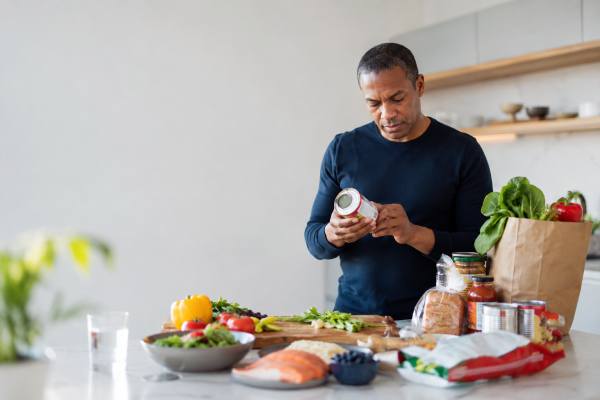
A low-sodium diet for kidney health is not about eating bland food or avoiding every grain of salt. It is about keeping sodium low enough to control blood pressure, reduce fluid buildup, and ease strain on the kidneys. For many adults with chronic kidney disease, the usual target is less than 2,000 mg of sodium per day, which equals less than 5 grams of salt. Some people receive a slightly higher or lower target based on blood pressure, swelling, lab results, medications, dialysis status, and other health conditions.
The hard part is that most sodium does not come from the saltshaker. It comes from bread, deli meat, cheese, soups, frozen meals, restaurant food, sauces, snacks, and packaged foods that do not always taste salty. A single bowl of canned soup, fast-food sandwich, or frozen entrée can use up half a day’s sodium budget before dinner.
This guide explains how much sodium is too much for kidney health, how salt affects the kidneys, how to read labels, which foods add the most sodium, and how to build meals that stay flavorful without pushing your sodium intake too high.
Table of Contents
- How Much Sodium Is Too Much for Kidney Health?
- Why Sodium Matters When Your Kidneys Are Under Strain
- Salt vs. Sodium: The Numbers That Actually Matter
- Foods That Drive Up Sodium Fast
- How to Read Food Labels for a Kidney-Friendly Sodium Budget
- How to Lower Sodium Without Eating Bland Food
- Special Situations: CKD, Dialysis, Stones, Blood Pressure, and Salt Substitutes
- A Simple Low-Sodium Plan You Can Start This Week
How Much Sodium Is Too Much for Kidney Health?
For many adults with chronic kidney disease, more than 2,000 mg of sodium per day is too much unless their kidney team gives a different target. For the general adult population, a common upper limit is less than 2,300 mg per day. Kidney guidelines are often stricter because sodium has a direct effect on blood pressure, fluid balance, swelling, and protein leakage in the urine.
A practical way to think about it:
| Sodium amount | What it means | How it fits kidney health |
|---|---|---|
| 1,500 mg per day | A stricter low-sodium target | Often used when blood pressure, swelling, heart failure, or fluid retention is hard to control |
| 2,000 mg per day | A common CKD target | Matches the kidney-focused goal of less than 2 g sodium per day |
| 2,300 mg per day | General adult upper limit | Still too high for some people with CKD, protein in urine, swelling, or high blood pressure |
| 3,000–4,000+ mg per day | Easy to reach with packaged and restaurant foods | Often works against blood pressure control and fluid management |
The right number is personal, but the pattern is clear: if you have kidney disease, high blood pressure, swelling, heart failure, or protein in the urine, staying near 2,000 mg per day is usually a better goal than simply trying to “cut back a little.”
Sodium targets are also easier to follow when divided across the day. A 2,000 mg plan might look like 400–500 mg at breakfast, 500–600 mg at lunch, 600–700 mg at dinner, and 100–200 mg for a snack or condiment. That structure leaves room for real meals while stopping one high-sodium item from taking over the whole day.
A single restaurant meal can exceed the full target. A sandwich with deli meat, cheese, pickles, sauce, and a side of chips can pass 2,000 mg without looking excessive. That is why sodium control is less about avoiding one food and more about spotting combinations that stack salt on salt.
People who are newly diagnosed with kidney disease should also ask whether they are following a general kidney diet or a more specific plan. Sodium is only one part of kidney nutrition. Potassium, phosphorus, protein, and fluid needs vary by stage and lab results, which is why a broader CKD diet plan often needs more individual guidance than a standard heart-healthy diet.
Why Sodium Matters When Your Kidneys Are Under Strain
Sodium affects kidney health mainly through blood pressure and fluid balance. Healthy kidneys filter the blood, remove extra fluid, and help keep sodium in a narrow range. When kidney function drops, that balance becomes harder to maintain. Extra sodium pulls more water into the bloodstream and tissues. Blood volume rises, blood pressure goes up, and swelling becomes more likely.
High blood pressure is one of the main drivers of kidney damage. It stiffens and injures small blood vessels inside the kidneys, including the filtering units that clear waste from the blood. Damaged filters allow more protein to leak into the urine, and protein in urine is a warning sign that kidney disease is more active. Lowering sodium helps many blood pressure medicines work better and often reduces swelling.
This is why sodium control is a core part of kidney protection, not just a diet detail. A person taking blood pressure medication but eating high-sodium meals every day is pushing against the treatment. Restaurant food, salty snacks, and processed meats can blunt the effect of medicines that are meant to lower pressure inside the kidney filters. If you are trying to understand that connection more fully, high blood pressure and kidney disease are closely linked in both directions.
Sodium also changes how you feel. Too much can show up as puffy ankles, tighter rings, a heavier feeling in the legs, higher home blood pressure readings, more thirst, or shortness of breath in people who retain fluid. On dialysis, high sodium often causes intense thirst, which leads to bigger fluid gains between treatments.
Protein in the urine matters here, too. If a urine test shows albumin or protein, sodium restriction becomes even more important because lower sodium can help reduce pressure inside the kidney’s filtering system. People who have been told they have microalbumin, albuminuria, or proteinuria should take sodium targets seriously and ask how their urine results fit into their kidney plan. A guide to albumin in urine can help explain why that marker gets so much attention.
Salt vs. Sodium: The Numbers That Actually Matter
Food labels list sodium, not salt. Table salt is sodium chloride, which is only partly sodium. This difference causes confusion because a low-sodium goal of 2,000 mg does not mean 2,000 mg of table salt. It means 2,000 mg of sodium.
Use these conversions:
- 1 teaspoon of table salt contains about 2,300 mg of sodium.
- 1 gram of salt contains about 400 mg of sodium.
- 5 grams of salt contains about 2,000 mg of sodium.
- 2 grams of sodium equals about 5 grams of salt.
That means the usual CKD sodium target is roughly the sodium in a little less than one teaspoon of salt for the entire day, including sodium already inside packaged foods, restaurant meals, bread, cheese, sauces, and seasonings.
The saltshaker still matters, especially if you add salt while cooking and again at the table. But removing the saltshaker only solves part of the problem. A slice of bread can contain 100–250 mg of sodium. A flour tortilla can contain 300–500 mg. A frozen meal can contain 600–1,200 mg. A tablespoon of soy sauce can contain close to 900 mg. These foods use up the daily budget even before you add visible salt.
Sodium also appears in ingredients that do not say “salt” clearly. Watch for words such as sodium phosphate, sodium bicarbonate, monosodium glutamate, sodium benzoate, sodium nitrate, sodium citrate, disodium guanylate, and sodium alginate. Not every ingredient is equally high in sodium, but they all signal that the product contributes to the total.
For kidney health, the number on the Nutrition Facts label is more useful than taste. Some foods taste salty because the salt sits on the surface, such as chips or pretzels. Others taste mild but still contain plenty of sodium, such as bread, pancakes, muffins, breakfast cereal, cottage cheese, and processed chicken. Trust the milligrams, not your tongue.
Foods That Drive Up Sodium Fast
The biggest sodium sources are usually foods made for convenience, long shelf life, or strong flavor. They are not always “junk food.” Bread, rotisserie chicken, canned beans, veggie burgers, cottage cheese, and salad dressing can all be high-sodium choices depending on the brand and serving size.
Packaged meals and restaurant food
Frozen dinners, boxed rice mixes, instant noodles, canned pasta, frozen pizza, takeout meals, and fast food often contain enough sodium for half a day or more. The problem is not one ingredient. It is the combination of salty seasoning, cheese, sauces, cured meats, breading, broth, and large portions.
Restaurant meals are especially difficult because the sodium is not always visible. Grilled chicken can be injected or marinated with salty solution. Vegetables can be cooked with broth or seasoned butter. Pasta sauces, gravies, dressings, and soups often carry more sodium than the main ingredient.
A better restaurant order is usually simple: grilled or baked protein with no added seasoning, sauce on the side, plain rice or potato, and vegetables without seasoned butter. Skipping soup, pickles, olives, cured meats, and creamy sauces can remove hundreds of milligrams at once.
Bread, wraps, and breakfast foods
Bread is a sneaky sodium source because people eat it often. Two slices of bread can contain 300–500 mg. Add deli meat, cheese, mustard, and pickles, and a sandwich can become a high-sodium meal even before chips or soup.
Bagels, biscuits, pancakes, waffles, muffins, and tortillas can also add more sodium than expected. For people with CKD, bread choice matters for sodium and sometimes phosphorus additives. A practical comparison of bread options for CKD is useful because products in the same aisle can differ by several hundred milligrams per serving.
Processed meats, cheese, and salty proteins
Deli turkey, ham, bacon, sausage, hot dogs, salami, pepperoni, jerky, smoked fish, and canned meats are concentrated sodium sources. “Turkey” or “chicken” does not automatically mean kidney-friendly if it is cured, smoked, brined, or packaged as lunch meat.
Cheese adds sodium quickly, too. American cheese, feta, blue cheese, Parmesan, processed cheese slices, and cheese spreads are often high. Swiss cheese and fresh mozzarella are sometimes lower, but labels still matter.
For lower-sodium protein, choose fresh poultry, fish, eggs, unsalted tuna, homemade beans, tofu without salty marinade, or fresh lean meat cooked with herbs and spices. Avoid products that say “enhanced,” “seasoned,” “injected with broth,” or “marinated” unless the sodium number fits your budget.
Condiments, sauces, and pickled foods
Sauces can turn a low-sodium meal into a high-sodium one. Soy sauce, teriyaki, barbecue sauce, ketchup, salad dressing, bottled marinades, bouillon, gravy mixes, hot sauce, fish sauce, pickle juice, and seasoning packets are common culprits.
Reduced-sodium versions help, but they are not automatically low. A reduced-sodium soy sauce can still contain hundreds of milligrams per tablespoon. Use smaller portions, dilute with vinegar or citrus, or replace with herbs, garlic, onion, pepper, smoked paprika, ginger, or salt-free seasoning blends.
Pickles, olives, sauerkraut, kimchi, and other brined foods are usually high in sodium. If you eat them, treat them like a condiment, not a vegetable serving.
How to Read Food Labels for a Kidney-Friendly Sodium Budget
The quickest label check is simple: look at sodium milligrams per serving, then check the serving size. If the serving is unrealistically small, multiply the sodium by the amount you actually eat.
A label that lists 300 mg sodium per half cup becomes 600 mg if you eat one cup. A soup with “only” 650 mg per serving may contain two servings per can, making the full can 1,300 mg. This is one of the most common mistakes people make when starting a low-sodium diet.
Use these label clues:
| Label term | Meaning | What to remember |
|---|---|---|
| Sodium-free | Less than 5 mg per serving | Useful, but still check serving size |
| Very low sodium | 35 mg or less per serving | Usually a strong choice |
| Low sodium | 140 mg or less per serving | A helpful benchmark for packaged foods |
| Reduced sodium | At least 25% less than the regular version | Can still be high if the original food was very salty |
| Light in sodium | At least 50% less than the regular version | Better than regular, but not always low |
| No salt added or unsalted | No salt added during processing | May still contain natural sodium or sodium additives |
The percent Daily Value also helps. As a general rule, 5% Daily Value or less is low, and 20% or more is high. For a kidney-focused sodium goal, do not rely only on percent Daily Value because the label is based on 2,300 mg per day, while your personal target may be 2,000 mg or 1,500 mg.
A useful grocery rule is to compare within the same food category. Do not ask, “Is soup high in sodium?” Ask, “Which soup has the least sodium per cup and still works for my meal?” The same applies to bread, tortillas, salad dressing, pasta sauce, cereal, crackers, and frozen meals. Brand differences are often large enough to make the swap worthwhile.
For frozen meals, many people with kidney disease do better choosing entrées with 600 mg sodium or less, then pairing them with a no-salt-added side such as plain rice, unsalted vegetables, or a salad with homemade dressing. If your target is 1,500 mg, even 600 mg may be too much for a routine meal, but it can still be better than meals that contain 1,000 mg or more.
How to Lower Sodium Without Eating Bland Food
The best low-sodium meals are not flavorless. They use acid, aroma, heat, texture, and herbs instead of relying on salt as the main flavor. Food tastes flat when salt is removed without replacing the role it played. The fix is to build flavor in other ways.
Start with acid. Lemon juice, lime juice, vinegar, and unsalted salsa-style toppings make food taste brighter. A squeeze of lemon on fish or chicken can replace the “lift” people expect from salt. Vinegar works well on roasted vegetables, cabbage slaw, beans, and potatoes.
Add aromatics early. Garlic, onion, ginger, scallions, celery, peppers, and fresh herbs create a stronger base than dried seasoning alone. Toasting spices in a pan for 30 seconds before adding food also makes them taste fuller.
Use salt-free seasoning blends carefully. Many blends are useful, but some “low-salt” or “light salt” products contain potassium chloride. That matters for kidney disease because high potassium can be dangerous in people with reduced kidney function or those taking certain blood pressure medicines. Look for products clearly labeled “salt-free” and check the ingredient list.
Texture helps, too. Toasted unsalted nuts, roasted vegetables, browned onions, crisp lettuce, and crunchy cabbage make food feel more satisfying. If your potassium or phosphorus is restricted, ask your dietitian which toppings fit your labs.
Easy flavor combinations
Try these low-sodium combinations:
- Chicken with garlic, lemon, black pepper, thyme, and olive oil.
- Fish with lime, cumin, paprika, cilantro, and a small amount of unsalted butter or oil.
- Rice with sautéed onion, garlic, parsley, and a splash of vinegar.
- Eggs with chives, pepper, mushrooms, and roasted red pepper.
- Pasta with no-salt-added tomato sauce, basil, garlic, onion, and crushed red pepper.
- Beans rinsed well, then seasoned with cumin, oregano, garlic, onion, and lime.
If food still tastes bland, reduce sodium gradually instead of all at once. Taste buds adjust over a few weeks. A person who jumps from high-salt meals to unsalted meals overnight often gives up because everything tastes dull. A step-down plan works better: switch to lower-sodium bread, rinse canned foods, cut sauce portions in half, replace one processed meat meal with fresh protein, and stop salting at the table.
Special Situations: CKD, Dialysis, Stones, Blood Pressure, and Salt Substitutes
Sodium advice changes when kidney health overlaps with other conditions. The same basic rule still applies—avoid excess sodium—but the details matter.
Chronic kidney disease stages
In earlier CKD, sodium reduction often focuses on blood pressure, protein in urine, and long-term kidney protection. In later CKD, fluid balance, swelling, potassium, phosphorus, and medication changes become more important. People with CKD stage 3 or higher should avoid making major diet changes without checking whether they also need potassium or phosphorus limits. A low-sodium food is not automatically kidney-safe if it is high in potassium additives or phosphorus additives.
If you are unsure where you are in the kidney disease timeline, understanding CKD stages helps explain why diet advice changes as eGFR and urine albumin results change.
Dialysis
For people on hemodialysis, sodium control is closely tied to thirst and fluid gain between treatments. Salty foods make you drink more, and extra fluid can lead to swelling, high blood pressure, cramping during dialysis, shortness of breath, or a harder treatment session. Sodium targets on dialysis should come from the dialysis dietitian because protein needs, potassium limits, phosphorus binders, and fluid limits must be balanced together.
For peritoneal dialysis, sodium still matters, but fluid removal and nutrition needs differ. Some people lose more protein and need a different meal pattern than someone on hemodialysis.
Kidney stones
High sodium raises the amount of calcium released into the urine, which can increase the risk of calcium-based kidney stones. This surprises people because they expect calcium intake to be the main issue. In many stone formers, reducing sodium is one of the most useful diet steps because it lowers urine calcium while allowing normal dietary calcium with meals.
People with calcium oxalate stones often need a plan that includes steady fluid intake, normal calcium from food, lower sodium, and attention to oxalates. The sodium-stone connection is explained in more detail in high sodium and kidney stones.
Salt substitutes and potassium chloride
Salt substitutes are risky for some people with kidney disease. Many replace sodium chloride with potassium chloride. That lowers sodium, but it can raise potassium intake sharply. If the kidneys cannot remove potassium well, blood potassium can climb to unsafe levels. The risk is higher in advanced CKD, in people with a history of high potassium, and in those taking ACE inhibitors, ARBs, mineralocorticoid receptor antagonists, or some diuretics.
Do not use potassium chloride salt substitutes unless your clinician or renal dietitian says they are safe for you. This includes “lite salt,” “low-sodium salt,” “heart salt,” and many salt-free seasoning products that contain potassium chloride. If potassium is already a concern, learn how potassium additives can hide in packaged foods.
When sodium restriction needs extra caution
Strict sodium restriction is not right for every situation. People with sodium-wasting kidney disorders, recurrent low sodium levels, very low blood pressure, heavy sweating in extreme heat, vomiting, diarrhea, poor intake, or certain medication changes need individualized advice. Warning signs that sodium or fluid balance needs medical review include dizziness, fainting, confusion, severe weakness, rapid weight changes, worsening swelling, or shortness of breath.
Do not stop diuretics, blood pressure medicines, or kidney medicines just because you are changing your sodium intake. Diet and medication often work together, and medication changes should be guided by blood pressure readings, symptoms, and lab results.
A Simple Low-Sodium Plan You Can Start This Week
A good first goal is not perfection. It is finding the biggest sodium sources in your current routine and replacing them with realistic lower-sodium choices. Most people get better results by changing repeat foods first—the foods they eat every day or several times a week.
Start with a three-day sodium check. Write down what you eat and estimate sodium from labels or restaurant nutrition information. Circle anything over 400 mg per serving and anything you eat more than once a day. Those are the best first targets.
Then make swaps that do not require a full diet overhaul:
- Choose one lower-sodium bread or wrap. Since bread is eaten often, even a 100 mg difference per slice adds up.
- Replace deli meat twice a week. Use fresh chicken, egg salad made without salty seasoning, unsalted tuna, or leftovers from a homemade meal.
- Switch canned foods to no-salt-added versions. Rinse beans and vegetables when no-salt-added options are not available.
- Cut sauce portions in half. Put dressing, soy sauce, barbecue sauce, and marinades on the side or measure them with a spoon.
- Build one default low-sodium dinner. Keep ingredients for a simple meal you can make when tired, such as fresh chicken, rice, frozen unsalted vegetables, garlic, lemon, and herbs.
- Plan restaurant meals before you go. Choose grilled, baked, or plain items; avoid soup and cured meats; ask for sauces separately.
A sample 2,000 mg day might look like this:
| Meal | Example | Approximate sodium goal |
|---|---|---|
| Breakfast | Oatmeal with fruit and cinnamon, plus an egg cooked without salt | 200–350 mg |
| Lunch | Low-sodium bread with fresh chicken, lettuce, cucumber, and homemade yogurt-herb spread | 500–650 mg |
| Snack | Unsalted crackers with a kidney-appropriate spread, or fruit if allowed by your plan | 100–250 mg |
| Dinner | Fish or chicken with rice, unsalted vegetables, garlic, lemon, pepper, and herbs | 500–700 mg |
| Condiments buffer | Small portions of sauce, dressing, or seasoning used during the day | 200–400 mg |
The buffer matters. Most sodium plans fail because every meal looks reasonable on paper, but condiments, snacks, and “small bites” are not counted. A tablespoon of sauce here, a few pickles there, a handful of salted crackers, and a salty seasoning blend can add several hundred milligrams.
Track how your body responds. Useful signals include home blood pressure readings, ankle swelling, morning weight, thirst, shortness of breath, and lab results. If you are on dialysis, interdialytic weight gain is also important. If you have protein in urine, your clinician may monitor whether urine albumin or protein improves over time.
A low-sodium diet works best when it feels repeatable. Pick a few reliable breakfasts, two or three lunches, a short list of lower-sodium packaged foods, and several seasonings you enjoy. Once those basics are in place, sodium control becomes less about constant math and more about having better defaults.
References
- KDIGO 2024 Clinical Practice Guideline for the Evaluation and Management of Chronic Kidney Disease 2024 (Guideline)
- Effect of a Low Salt Diet on the Progression of Chronic Kidney Disease: A Prospective, Open-Label, Randomized Controlled Trial 2024 (RCT)
- Effect of a low-salt diet on chronic kidney disease outcomes 2022 (Systematic Review and Meta-Analysis)
- Sodium in Your Diet 2024 (Government Resource)
- Use of lower-sodium salt substitutes: WHO guideline 2025 (Guideline)
- Sodium reduction 2026 (Fact Sheet)
Disclaimer
This article is for education about sodium intake and kidney health. It does not replace medical care, a kidney diet prescription, dialysis nutrition advice, or guidance from a renal dietitian. If you have CKD, heart failure, swelling, high or low blood pressure, abnormal sodium or potassium labs, or take diuretics or blood pressure medicines, ask your healthcare team for a sodium target that fits your condition.