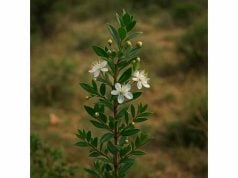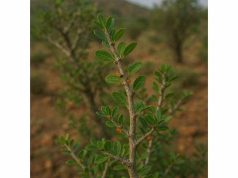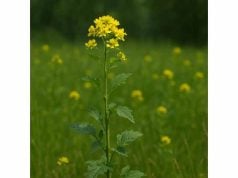
Maca is a high-altitude Andean root crop, traditionally dried and used as both food and tonic. Although it is often marketed as a hormone booster, the better evidence points to something more nuanced: maca may help some people with libido, vitality, mood, and certain menopause-related complaints without clearly raising sex hormone levels. That distinction matters, because it helps set realistic expectations and keeps the conversation focused on symptom support rather than miracle claims.
Modern products come as powders, capsules, extracts, and “gelatinized” maca, which is simply processed to reduce starch and improve digestibility. The plant is naturally rich in unique compounds such as macamides, macaenes, glucosinolates, sterols, and polysaccharides, and these likely contribute to its broad interest in sexual health, energy, stress resilience, and reproductive wellness.
Still, maca is not a cure-all. The strongest claims around fertility, testosterone, and athletic performance remain mixed, product quality varies widely, and safety questions become more important in pregnancy, thyroid disease, and hormone-sensitive conditions.
Key Highlights
- Maca may modestly support sexual desire and sexual well-being in some adults
- Some people use maca to ease low energy, low mood, and menopause-related discomforts
- A common study range is 1.5 to 3 g per day for 6 to 12 weeks
- Avoid self-directed maca supplements during pregnancy or breastfeeding, and use extra caution with thyroid disease or hormone-sensitive conditions
Table of Contents
- What maca is and why people use it
- Key compounds and how maca may work
- Maca benefits for libido mood and menopause
- Maca for fertility hormones and athletic performance
- How to use maca in food and supplements
- Dosage timing and how long to take it
- Safety side effects and who should avoid maca
What maca is and why people use it
Maca is an edible plant from the Brassicaceae family, the same broad family as mustard, cabbage, and radish. The part people use is the swollen underground hypocotyl, often described as a root for simplicity. It grows in the central Andes of Peru at very high altitude, where intense sun, cold nights, and poor soil create a demanding environment. That unusual growing context is part of what made maca important as a hardy staple food and a traditional strengthening plant.
Historically, maca has been eaten cooked, dried, ground into flour, or turned into porridges and drinks. In modern supplement form, it is sold as raw powder, capsules, concentrated extracts, and gelatinized powder. Despite the name, gelatinized maca does not contain gelatin. It has simply been heated and pressurized to reduce starch, which often makes it easier on digestion and easier to mix into drinks.
People usually reach for maca for a handful of reasons:
- low libido or a drop in sexual interest
- fatigue, poor stamina, or a flat sense of vitality
- stress-heavy periods when they want a non-caffeinated support
- menopause-related complaints such as low mood, sleep disruption, or reduced sexual well-being
- fertility or hormone concerns, especially in men
This wide appeal is also where confusion starts. Maca is often sold as an “adaptogen,” but that label is looser than many people realize. It does not mean the herb works the same way for everyone, and it does not prove strong clinical effects. Compared with more established stress-support herbs such as rhodiola adaptogen support, maca is usually chosen less for a quick mental lift and more for steady vitality, sexual well-being, and broader resilience.
A practical way to think about maca is this: it is a nutrient-dense traditional food with some promising human data, especially around libido and quality-of-life symptoms, but it is not a direct replacement for medical treatment when hormone disorders, infertility, depression, or thyroid disease are involved.
Key compounds and how maca may work
Maca’s chemistry is one reason it has attracted so much attention. Unlike a plant that is built around one dominant compound, maca contains several classes of bioactive substances that may work together. That also helps explain why different products can feel different and why raw powder, gelatinized powder, and lipid-rich extracts may not behave the same way.
The compounds most often discussed include:
- macamides and macaenes, which are especially associated with dried maca and are often used as markers of product quality
- glucosinolates and their breakdown products, common in Brassica plants and linked to some of maca’s characteristic pungency and biological activity
- plant sterols, which may contribute to signaling effects without acting like a conventional hormone drug
- polysaccharides, which may help explain some of the interest in energy metabolism and resilience
- polyphenols and flavonoids, which add antioxidant activity
- minerals and amino acids, which support maca’s role as a food as well as a supplement
Drying matters. Freshly harvested maca is usually cooked traditionally, while most commercial maca is dried first. That drying and later processing can shift the chemistry, especially in the lipid fraction where macamides become more relevant. This is one reason a label that says only “maca root” tells you less than you might think. Two products can have the same plant name but very different concentrations of the compounds people actually care about.
Color may matter too, at least in theory. Yellow maca is the most common commercial type, while black and red maca are often marketed for different uses. Black maca is frequently promoted for male vitality and performance, and red maca is often discussed in relation to prostate and menopause support. Those distinctions come largely from preclinical work and traditional positioning. They are interesting, but human evidence is still too limited to say that most people should choose one color with confidence.
Mechanistically, maca does not appear to act like a classic stimulant, nor does it reliably increase testosterone or estrogen in human trials. That is important. Its effects seem more likely to reflect indirect influences on mood, energy perception, sexual response, stress adaptation, and perhaps local signaling pathways rather than a simple “raise hormones” effect. This is also why some people compare it with ginseng for energy and stress support, even though the plants have different chemistry and a different feel in practice.
In plain terms, maca’s medicinal interest comes from a mix of food value and phytochemistry. It is best understood as a biologically active food plant with modest but meaningful therapeutic potential, not as a natural hormone replacement.
Maca benefits for libido mood and menopause
The most credible human interest in maca centers on sexual desire and related quality-of-life outcomes. Across trials and reviews, libido is the area where maca looks most promising, although “promising” is not the same as “proven for everyone.” Benefits tend to be modest, product-dependent, and more noticeable after several weeks than after a few days.
For libido, the key point is that maca may improve sexual desire even when blood hormone levels do not change much. That matters because many people assume a supplement only works if it raises testosterone or estrogen. Maca seems to work differently. In some studies, participants reported better sexual interest, activity, or satisfaction without a matching hormone surge. That makes maca especially attractive to people who want support without a clearly hormone-like drug effect.
Mood and energy are more mixed, but still relevant. Some users describe a steadier sense of vitality, improved motivation, or a small lift in resilience during stressful periods. This is not the same as treating depression, and it should not be marketed that way. Still, when low drive and flat mood are part of a broader fatigue picture, maca may help some people feel less depleted. The effect is usually subtle rather than dramatic.
Menopause is another area where maca often comes up. Some studies and reviews suggest benefit for:
- reduced sexual desire
- lower sense of well-being
- fatigue or reduced vitality
- mood changes
- sleep-related discomforts tied to the menopausal transition
That said, the evidence is not strong enough to treat maca as a replacement for evidence-based menopause care. It is better viewed as an option some women may trial when the goal is symptom support, especially if they want a non-hormonal approach. Claims that maca “balances hormones” should be interpreted carefully. In real-world terms, this usually means support for symptoms, not a proven correction of endocrine dysfunction.
Marketing often overreaches here. It is common to see maca placed beside more aggressive libido formulas or herbs such as tribulus for hormonal balance claims. But maca’s profile is generally gentler and less clearly androgenic than many advertisements suggest. That is often a strength, not a weakness.
A fair summary is that maca may be worth a trial for libido and certain menopause-related complaints when expectations are realistic, the product is well chosen, and the user gives it enough time. The evidence is encouraging but still limited, which means it belongs in the category of “potentially useful” rather than “reliably effective.”
Maca for fertility hormones and athletic performance
This is where maca’s reputation outruns its evidence. Many supplement labels imply that maca reliably boosts testosterone, improves sperm quality, and enhances performance. The research is more complicated.
On hormone levels, human trials have not consistently shown clear rises in testosterone, estrogen, or other major reproductive hormones. That does not mean maca does nothing. It means the improvements some users report do not appear to come from a simple hormone-boosting effect. For someone shopping specifically for “higher testosterone,” maca is probably not the most evidence-based first choice.
Fertility data are mixed as well. Reviews of semen-quality trials have not shown a consistent, strong signal across sperm concentration, motility, and morphology. Some individual studies look positive, while others are neutral, and pooled analyses are not convincing enough to treat maca as a dependable fertility intervention. This is especially important because infertility is a medical issue with many possible causes. A supplement should not delay evaluation for varicocele, hormonal problems, infection, thyroid disease, medication effects, or female-factor infertility.
A practical way to interpret the fertility question is:
- maca may have some supportive effects in certain men
- the current evidence is too inconsistent to promise better sperm parameters
- it should be treated as an adjunct, not as a replacement for workup and targeted care
Athletic performance is another area with growing interest. Preclinical research is more enthusiastic than human research. Animal data suggest anti-fatigue and endurance-related effects, and some small human studies hint at better recovery or reduced perceived fatigue. But the human evidence remains limited by small samples, different product types, and inconsistent outcome measures.
That makes maca different from more established sports supplements. If someone wants clearer evidence for power, sprint capacity, or strength, maca is not the first place to look. Even among herbs, more stimulating options are often discussed before maca. People comparing it with calmer adaptogenic herbs such as ashwagandha for stress and sleep support should understand that maca’s appeal is more about vitality and sexual well-being than dramatic performance enhancement.
So what can be said honestly? Maca may help some people feel less fatigued and more vital, and that may translate into better training consistency or subjective stamina. But the claim that it is a proven fertility booster or athletic ergogenic is stronger than the present evidence supports.
How to use maca in food and supplements
Using maca well starts with choosing the right form. Many disappointing experiences come from vague labels, oversized expectations, or a product form that does not match the person’s digestion and goal.
The most common forms are:
- raw maca powder
- gelatinized maca powder
- capsules containing powder
- concentrated extracts
- blended formulas with other herbs or nutrients
Raw powder is closest to the whole dried plant, but it is also the form most likely to feel heavy or bloating for some people. Gelatinized maca has had much of the starch removed through processing, so it often mixes better and feels gentler on the stomach. It is a good practical starting point for many adults.
Capsules are convenient when you want consistent intake without the strong taste. Extracts may be better when the goal is a smaller dose with more concentrated actives, but labels vary widely. Some products emphasize macamides, some list only root powder, and many do not clearly explain standardization. That makes quality screening important.
When choosing a maca product, look for:
- the exact form, such as raw powder, gelatinized powder, or extract
- clear serving size in grams or milligrams
- third-party testing or manufacturer quality documentation
- ingredient simplicity, especially if you want to know what is causing effects
- no unnecessary proprietary blends if you are trialing maca for the first time
Food use can be very practical. Powdered maca is commonly added to smoothies, yogurt, porridge, oatmeal, warm milk, or energy bites. Because the flavor is earthy and slightly malty, it pairs well with cocoa, cinnamon, banana, oats, and nut butters. This is a good route for people who want a mild daily intake rather than a more concentrated supplement experience.
A clean trial usually works better than stacking multiple new supplements at once. Start with maca alone for a few weeks and track a few outcomes such as libido, energy, mood, sleep quality, or digestive tolerance. If you add other botanicals too early, it becomes hard to tell what is actually helping.
Timing depends on response. Some people prefer morning use because maca feels mildly energizing. Others tolerate it well later in the day. If it causes digestive heaviness, take it with food and consider switching from raw powder to gelatinized powder.
The bigger rule is simple: match the form to the goal. For a traditional, food-like approach, powder makes sense. For convenience and easier dosing, capsules are better. For sensitive digestion or a smoother routine, gelatinized maca is often the easiest place to start.
Dosage timing and how long to take it
Maca dosing is one of the most confusing parts of shopping for it because labels mix powders, extracts, and serving sizes that do not compare cleanly. The most useful anchor is the human study range. Across many trials, maca is often used in amounts around 1.5 to 3 g per day, usually for 6 to 12 weeks. Some studies go a bit higher, but more is not automatically better.
A practical adult approach looks like this:
- Start low
Begin with about 1.5 g per day of powder or the manufacturer’s equivalent low serving of capsules or extract. - Hold the dose consistently
Stay there for at least 7 to 10 days so you can judge digestion, sleep, and overall tolerance. - Increase only if needed
If you tolerate it well and want a stronger trial, move toward 2 to 3 g per day. - Reassess after 6 to 8 weeks
Maca is not usually an instant-response supplement. If nothing meaningful has changed after a fair trial, it may not be the right fit.
For most people, the sweet spot is not the highest dose but the most consistent dose. A daily routine tends to work better than taking maca only on stressful days or before sex.
Common patterns include:
- 1.5 g once daily with breakfast
- 750 mg twice daily
- 2 to 3 g daily in a smoothie or porridge
- extract doses according to the label, with extra caution because extract strength varies
Morning or early afternoon is often the safest timing if you are unsure how you respond. People who notice a mild boost in energy usually prefer earlier use. Those who feel no stimulation can simply take it with the meal they remember most reliably.
How long should you take it? A reasonable trial is 6 to 12 weeks. That matches much of the human literature and helps prevent endless supplement use without clear benefit. Some people cycle off after a few months for a short break, especially if they are unsure whether the benefit is still real. That is a sensible strategy.
Two dosage mistakes are common: starting with too much powder and giving up because of bloating, or taking tiny, inconsistent amounts and expecting rapid libido changes. Maca works best when the dose is practical, the form is tolerable, and the trial is long enough to judge fairly.
Safety side effects and who should avoid maca
Maca appears generally well tolerated in short-term human studies, especially at moderate doses. When side effects happen, they are usually mild and most often involve the gut. Even so, “generally safe” is not the same as risk-free, and certain groups should be more cautious.
Possible side effects include:
- bloating or digestive heaviness, especially with raw powder
- stomach upset or loose stools
- headache
- jittery or over-alert feelings in some users
- sleep disruption if taken too late in sensitive people
Switching from raw to gelatinized maca often improves digestive tolerance. Taking it with food helps too.
Who should avoid or use clinician guidance first?
- Pregnant or breastfeeding people, because direct safety data are limited
- People with thyroid disease, especially if using large amounts of raw maca and iodine intake is low
- People with hormone-sensitive conditions, such as certain breast, uterine, ovarian, or prostate conditions
- Anyone undergoing fertility treatment or hormone therapy
- People with complex medical conditions who are taking multiple medications
The thyroid point deserves special attention. Maca contains glucosinolates, a normal feature of Brassica plants. In moderate food-like amounts this is not usually a problem, but people with thyroid concerns often do better being conservative, avoiding oversized doses, and discussing use with a clinician who knows their thyroid status.
Drug interactions are not as well mapped as they are for many pharmaceuticals, which means the evidence is incomplete rather than reassuringly absent. Maca does not appear to have a strong interaction profile, but that should not be confused with proof of no interactions. Caution is reasonable with thyroid medication, hormone therapy, and fertility-related treatment plans simply because symptom changes can be hard to interpret in those settings.
Quality and contamination also matter. As with many supplements, the bigger safety risk may come from poor manufacturing, adulteration, or mislabeled strength rather than from the plant itself. Choose brands that provide testing information and avoid treating social-media dosing advice as guidance.
Stop use and seek professional advice if you develop persistent digestive symptoms, marked sleep disruption, unusual palpitations, new breast tenderness, or any symptom that feels clearly linked to the supplement. Maca is best used as a measured, time-limited trial, not as an indefinite habit taken on faith.
References
- Exploring the chemical and pharmacological variability of Lepidium meyenii: a comprehensive review of the effects of maca 2024 (Review). ([PubMed][1])
- A systematic review of the versatile effects of the Peruvian Maca Root (Lepidium meyenii ) on sexual dysfunction, menopausal symptoms and related conditions 2022 (Systematic Review). ([ScienceDirect][2])
- Maca (Lepidium meyenii Walp.) on semen quality parameters: A systematic review and meta-analysis 2022 (Systematic Review and Meta-Analysis). ([PMC][3])
- Effects of Maca (Lepidium meyenii Walp.) on Physical Performance in Animals and Humans: A Systematic Review and Meta-Analysis 2024 (Systematic Review and Meta-Analysis). ([PubMed][4])
- A Double-Blind Placebo-Controlled Trial of Maca Root as Treatment for Antidepressant-Induced Sexual Dysfunction in Women 2015 (RCT). ([PMC][5])
Disclaimer
This article is for educational purposes only and is not a substitute for medical advice, diagnosis, or treatment. Maca may be appropriate for some adults, but it is not a proven treatment for infertility, hormone disorders, depression, thyroid disease, or menopause-related conditions. Speak with a qualified healthcare professional before using maca if you are pregnant or breastfeeding, have thyroid or hormone-sensitive conditions, are being evaluated for infertility, or take prescription medicines as part of a reproductive or endocrine treatment plan.
If you found this article useful, please share it on Facebook, X, or any other platform you prefer so others can make more informed decisions.