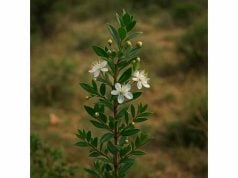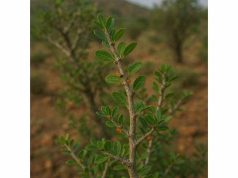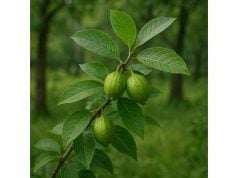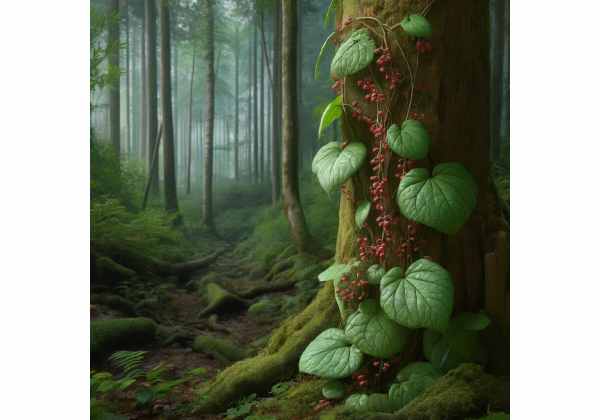
Magnolia vine, better known in herbal medicine as Schisandra chinensis, is a climbing plant prized mainly for its bright red berries rather than the vine itself. In East Asian traditions, the fruit is often called “five-flavor berry” because it combines sour, sweet, bitter, pungent, and salty notes in a single herb. That unusual sensory profile hints at its broader appeal: schisandra sits at the intersection of food, tonic herb, and modern supplement.
Today, it is best known for support in three areas that matter to many readers: resilience under stress, liver-focused wellness, and antioxidant defense. It has also drawn attention for possible effects on fatigue, physical performance, concentration, and metabolic health. Its key compounds, especially lignans such as schisandrin and gomisin derivatives, help explain why the plant has become a serious subject of pharmacology research.
Still, Magnolia vine is not a cure-all. The strongest evidence remains selective, and concentrated extracts can interact with medications. The most useful way to understand schisandra is as a well-studied traditional berry with real potential, but one that should be used thoughtfully and in the right dose.
Quick Overview
- Magnolia vine is most promising for stress resilience, antioxidant support, and liver-focused herbal care.
- The fruit may help with fatigue and recovery, but human evidence is still narrower than many supplement labels suggest.
- A practical supplemental range is often 500 to 1,000 mg daily of extract, depending on the product and its standardization.
- Avoid concentrated use during pregnancy, while breastfeeding, and when taking medications affected by liver enzymes or transport proteins.
Table of Contents
- What Magnolia vine is and why Schisandra chinensis stands out
- Key ingredients and how Schisandra chinensis works
- Health benefits with the best support so far
- How Magnolia vine is used in tea, extracts, and daily routines
- Dosage, timing, and how to choose a preparation
- Safety, side effects, who should avoid it, and interactions
- What current research says and where the limits are
What Magnolia vine is and why Schisandra chinensis stands out
Magnolia vine is the common English name for Schisandra chinensis, a woody climbing plant native to parts of China, Korea, Japan, and far eastern Russia. Although the name suggests the vine is the medicinal part, the berries are what matter most in traditional and modern use. They are small, red, aromatic fruits that have been dried, decocted, powdered, and extracted for centuries. In Chinese herbal practice, schisandra fruit is known as wu wei zi, or “five-flavor seed,” a name that reflects its layered taste and its long history as a tonic herb.
Part of what makes schisandra distinctive is that it does not fit neatly into a single category. It is not only a digestive spice, not only a stimulant, and not only a sedative herb. Instead, it has been described as balancing, preserving, and restorative. Traditional uses often focused on conserving body fluids, reducing excessive sweating, easing chronic cough, supporting mental steadiness, and strengthening recovery after strain. Modern supplement marketing often translates those older ideas into language about stress adaptation, focus, endurance, and liver support.
That blend of tradition and modern interest has helped schisandra earn a place alongside adaptogenic herbs such as ginseng, though the two plants are not interchangeable. Ginseng is usually discussed in terms of ginsenosides and energy metabolism. Schisandra, by contrast, is defined largely by its lignans and its broader effects on oxidative stress, liver-related pathways, and drug metabolism. The overlap is real, but so are the differences.
Another reason Magnolia vine stands out is its sensory character. Many readers assume medicinal berries must be sweet or mild. Schisandra is neither. Its taste is sharp, astringent, and layered, which is one reason it is more often used as a decoction, tea, tincture, or capsule than eaten in large amounts like a snack fruit. The taste also reflects its chemistry. Strong-tasting herbs often contain concentrated aromatic or polyphenolic compounds, and schisandra is no exception.
It is also worth clearing up one common confusion: Magnolia vine is not the same thing as magnolia bark. They come from different plants, have different active compounds, and are used for different therapeutic purposes. Magnolia bark is usually discussed in relation to honokiol, magnolol, and calming or digestive effects. Schisandra’s profile is more antioxidant, tonic, and liver-centered.
For most people, the best working definition is this: Magnolia vine is a traditional berry herb with a long medicinal history, an unusually rich lignan profile, and a modern reputation for stress resilience, recovery, and liver-focused support. That makes it interesting, but it also means the product form and dose matter more than many buyers realize.
Key ingredients and how Schisandra chinensis works
The most important bioactive compounds in Schisandra chinensis are lignans, especially the dibenzocyclooctadiene lignans that appear again and again in modern reviews. These include schisandrin, schisandrin A, schisandrin B, schisandrin C, schisantherin, gomisin A, gomisin N, and related molecules. If a supplement label mentions standardization, it is often trying to capture part of this lignan profile.
Why do these compounds matter? Because much of schisandra’s medicinal reputation appears to flow from them. In experimental studies, lignans have shown antioxidant, anti-inflammatory, hepatoprotective, neuroprotective, and metabolism-modulating activity. That does not mean every capsule on a store shelf will produce all those effects in a clinically meaningful way. It does mean schisandra’s reputation is not just folklore. There is real chemistry behind it.
Beyond lignans, Magnolia vine berries contain organic acids, flavonoids, anthocyanins, essential oil components, polysaccharides, vitamins in small amounts, and minerals. These are not the main reason people take schisandra, but they do contribute to the plant’s overall profile. Organic acids help shape the fruit’s tart taste. Polyphenols add antioxidant value. Polysaccharides may contribute to broader immune and cellular effects, though they are not as central to schisandra’s identity as lignans are.
In practical terms, schisandra seems to work through several overlapping pathways:
- It may help reduce oxidative stress by supporting antioxidant defenses.
- It may influence inflammatory signaling in ways that protect tissues under strain.
- It appears to affect liver enzymes and transport proteins involved in drug handling.
- It may support mitochondrial function and cellular energy handling in some contexts.
- It may alter central stress responses, which helps explain its adaptogen-like reputation.
That last point deserves careful wording. Many people hear “adaptogen” and imagine a herb that automatically fixes stress, fatigue, and burnout. Schisandra does not work that simply. Its adaptogenic reputation is better understood as a pattern of broad stress-related support rather than a single dramatic mood effect. In that sense, its chemistry is more layered than a straightforward calming herb such as lemon balm used for gentle nervous-system support.
Its liver-related mechanism is especially important. Schisandra compounds have been studied for how they affect detoxification pathways, oxidative injury, and cell protection in the liver. This is one reason it appears so often in discussions of hepatoprotective herbs. But the same feature also creates a safety issue: a plant that changes enzyme activity can potentially change how drugs are metabolized.
So the medicinal properties of Magnolia vine are best viewed as a combination of antioxidant defense, tissue protection, stress-related support, and enzyme-level activity. That combination explains why it has remained relevant in both traditional herbal systems and modern pharmacology. It also explains why the herb deserves more respect than casual wellness marketing usually gives it.
Health benefits with the best support so far
Schisandra is often promoted for everything from longevity to glowing skin, but the strongest discussion should stay focused on the benefits that have at least a reasonable basis in traditional use, preclinical science, or small human trials. When Magnolia vine is described that way, several benefit areas stand out.
The first is stress resilience and fatigue support. This is the use most people now associate with schisandra. Its traditional reputation as a tonic that helps preserve energy and composure fits reasonably well with its modern “adaptogen” image. Some human and animal studies suggest it may help reduce fatigue markers, support physical performance, or improve perceived resilience, especially over several weeks rather than after a single dose. That said, the effect is unlikely to feel like caffeine. It is usually described as steadier, subtler, and more recovery-oriented.
The second is liver-focused support. This is where schisandra has particularly strong mechanistic interest. The fruit and its lignans have been studied for antioxidant, anti-inflammatory, and hepatoprotective actions, especially in models of liver stress and injury. That does not make Magnolia vine a stand-alone treatment for liver disease, but it does place it in the same broad conversation as liver-support herbs like milk thistle, even though the chemistry is very different.
A third area is metabolic support. A small randomized clinical trial using an omija and soybean extract mixture suggested improvement in glycemic measures and some lipid-related markers in people with hyperglycemia. This is promising, but it needs cautious interpretation. The product was not plain schisandra alone, the sample was limited, and metabolic disease requires much stronger evidence before any herb should be presented as a meaningful treatment.
A fourth area is physical performance and recovery. One placebo-controlled trial in postmenopausal women found that 12 weeks of schisandra extract was associated with improved quadriceps strength and lower resting lactate. That is useful, but narrow. It suggests potential rather than universal performance enhancement.
Possible benefits with weaker but still interesting support include:
- Cognitive steadiness under stress
- Neuroprotective effects
- Antioxidant support for healthy aging
- Mild immune-modulating activity
- Menopausal symptom support in selected formulas
The least reliable claims are the broadest ones. Magnolia vine should not be marketed as a universal anti-aging berry, a hormone balancer for everyone, or a replacement for medical treatment in liver or metabolic disease. Those claims move faster than the evidence.
The most balanced takeaway is that schisandra’s best-supported benefits cluster around resilience, antioxidant protection, liver-related support, and possibly fatigue or recovery. Those are meaningful categories. They just need to be described with the right amount of humility.
How Magnolia vine is used in tea, extracts, and daily routines
The fruit of Magnolia vine can be used in several forms, and the form changes the experience as much as the dose does. Whole dried berries are traditional and work well for decoctions and long-steeped teas. Powders are common in capsules and functional blends. Tinctures offer convenience and flexibility. Standardized extracts are the most supplement-like option and are the form most often used in modern trials.
Tea is one of the most approachable ways to start. The berries are tart, astringent, and slightly resinous, so they are rarely the kind of herb people drink for pleasure alone. Many people simmer them with warming or aromatic herbs to round out the flavor. A gentle home preparation might use 1 to 2 teaspoons of dried berries in hot water, simmered briefly or steeped longer than a delicate leaf tea. The result is more tonic than soothing, with a firm, drying finish.
That taste profile is one reason schisandra is often combined with other herbs. In traditional practice and modern herbal blending, it may appear alongside calming, warming, or restorative plants. A tea formula might pair it with ginger for a warmer and more approachable tonic drink, or with softer nervine herbs when stress support is the goal. The point is not to hide schisandra completely, but to make it easier to use consistently.
Extracts are more common for people who want predictable intake without the strong taste. This is especially relevant because schisandra products vary widely. One bottle may contain plain powdered berry. Another may use a concentrated extract standardized to certain lignans. Those are not the same product, even if the front label uses the same herb name.
People usually use schisandra in one of four ways:
- As a morning or midday tonic for stress resilience
- In a post-illness or high-workload routine for recovery support
- As part of a liver-focused herbal stack under professional guidance
- In traditional-style tea blends used over weeks rather than days
Timing matters less than consistency, but many users prefer earlier in the day. Schisandra is not typically strongly stimulating, yet some people find it more clarifying than relaxing. That makes it a better fit for daytime use than for a bedtime routine, especially in extract form.
The most important practical rule is to match the preparation to the goal. Tea is best for a gentle, food-like herbal relationship. Capsules and extracts are better for measured intake. Tinctures are useful when flexible dosing matters. Concentrated products can be effective, but they are also where interaction risks become much more relevant.
Dosage, timing, and how to choose a preparation
Dosage is one of the trickiest parts of using schisandra well because there is no single universal standard. Different products use different parts of the fruit, different solvents, different concentrations, and different marker compounds. That means two “500 mg” products may not be equivalent at all.
The best way to think about Magnolia vine dosing is by product type.
For standardized extract capsules, a practical evidence-informed range is often 500 to 1,000 mg per day. That range reflects the fact that small human studies have used 500 mg daily in a mixed extract product and 1,000 mg daily in a single-herb extract product over 12 weeks. This does not prove that 500 to 1,000 mg is the ideal dose for every goal. It does give readers a sensible range that is rooted in real human use rather than guesswork.
For whole dried berries, dosing is less exact because preparation style changes extraction. Some people use a small handful for decoction, while others use much less. Because the article’s goal is safe general guidance, it is wiser to begin low and evaluate tolerance than to chase traditional maximums.
A practical approach looks like this:
- Start with the lowest suggested amount on a reputable product label.
- Prefer products that identify extract ratio or lignan standardization.
- Take it with food if you are prone to stomach sensitivity.
- Use it consistently for at least several weeks before judging the result.
- Stop or reassess if you notice headache, overstimulation, reflux, or unusual drug effects.
Timing depends on the reason for use. For stress resilience, many people do best taking schisandra in the morning or early afternoon. For exercise recovery or fatigue support, a split dose earlier in the day often makes more sense than a late-evening dose. For tea, daytime use is usually easiest.
Choosing the right preparation is just as important as choosing the dose. Readers who want a food-like herbal routine may prefer dried berries or a simple decoction. Readers who want measurable intake may prefer a standardized extract. Those comparing products should look for details such as extract ratio, testing, and whether the brand identifies compounds like schisandrins or gomisins. That kind of transparency is often a better quality signal than a dramatic front-label promise.
This is also where comparison with other adaptogen-focused herbs like rhodiola becomes useful. Both herbs are often marketed for stress and fatigue, but both also depend heavily on extract quality and standardization. In other words, product design matters almost as much as the plant itself.
For most adults, conservative dosing and a well-labeled product are the safest combination. Schisandra is a better herb for measured consistency than for heroic experimentation.
Safety, side effects, who should avoid it, and interactions
Magnolia vine is often described as safe, and in many cases that is true when it is used in moderate amounts for a limited period. Still, “generally well tolerated” is not the same as “risk free.” Schisandra’s chemistry is strong enough to demand caution, especially with extracts.
The most common side effects are usually mild and dose-related. They may include stomach upset, reflux, abdominal discomfort, headache, reduced appetite, or a wired feeling in people who are sensitive to tonics. Some users find the herb clarifying and steadying. Others find it a little too stimulating, especially when taken late in the day or combined with other activating supplements.
Who should be especially careful or avoid concentrated use altogether?
- Pregnant people
- People who are breastfeeding
- Children, unless guided by a qualified clinician
- Anyone with serious liver disease who is not under medical supervision
- Anyone taking multiple prescription medicines with narrow safety margins
- People with prior sensitivity to schisandra products or similar herbal extracts
The biggest safety issue is not ordinary stomach upset. It is interaction potential. Schisandra compounds can affect cytochrome P450 enzymes and transport systems such as P-glycoprotein. In plain language, that means the herb may change how the body absorbs, breaks down, or clears certain medications. In some cases, blood levels of those drugs could rise or fall in ways that matter.
This concern is especially relevant for:
- Immunosuppressants such as tacrolimus or cyclosporine
- Some sedatives and central nervous system active drugs
- Certain chemotherapy agents
- Medications with narrow therapeutic ranges
- Complex multi-drug regimens where small metabolic shifts matter
This does not mean every person on medication must avoid schisandra. It means they should not treat it as a casual berry powder. The herb’s pharmacology is part of its appeal, but it is also the reason professional guidance matters.
Another safety point is duration. Short-term use is generally better described than long-term, high-dose, open-ended use. Many supplements are taken for weeks or a few months, not continuously for years. That matters because a product that is well tolerated over 8 to 12 weeks is not automatically proven safe indefinitely.
If someone is using Magnolia vine for general wellness, the safest pattern is simple:
- Use moderate doses
- Favor reputable brands
- Avoid stacking it with multiple enzyme-active supplements
- Monitor how you feel and how your medicines behave
- Stop and get advice if anything feels off
This is one of those herbs where respect is part of safety. Schisandra is not especially alarming, but it is active enough that it should never be treated as nutritionally trivial.
What current research says and where the limits are
Current research on Schisandra chinensis is stronger than casual readers might expect, but weaker than supplement marketing often implies. That is the right starting point. There is a large body of review literature on schisandra’s lignans, antioxidant properties, metabolic effects, liver-protective mechanisms, and possible neuroprotective value. Those reviews give Magnolia vine genuine scientific credibility. At the same time, much of that literature remains preclinical.
The strongest part of the evidence base is mechanistic. Researchers have identified major compounds, described plausible pathways, and shown meaningful activity in cell and animal models. There is particular depth around oxidative stress, inflammation, liver protection, and drug-metabolism interactions. That is why schisandra shows up so often in pharmacology papers rather than only in folk medicine summaries.
Human evidence exists, but it is much narrower. A few randomized studies have explored metabolic outcomes, menopausal symptoms, muscle performance, or fatigue-related markers. These studies are useful because they move the herb beyond theory. Still, they have limitations that readers should understand:
- Sample sizes are usually modest.
- Some products are mixtures rather than plain schisandra.
- Extracts vary in composition.
- Study populations are specific, not universal.
- Outcomes are often surrogate markers rather than hard clinical endpoints.
That means the current evidence supports a restrained but positive view. Schisandra appears promising. It does not yet support dramatic certainty.
This matters because Magnolia vine is often marketed in the same conversational space as stress-support herbs such as ashwagandha. But the evidence style is different. Ashwagandha has more visible human supplementation trials for stress and sleep. Schisandra has a deeper enzyme and lignan story, stronger liver-related pharmacology, and a broader traditional record, but fewer large human trials that give buyers easy certainty.
The most honest conclusion is that schisandra is a serious traditional herb with credible biochemical depth and several promising human signals. It deserves more respect than fad supplements get, and more caution than simplistic wellness content usually gives it. Readers who want a subtle, research-backed tonic may find it compelling. Readers expecting a rapid, unmistakable effect may be disappointed.
In herbal medicine, that is not failure. It is normal. Some plants are best understood not as dramatic interventions, but as layered tools that work within a broader routine of sleep, nutrition, stress management, and evidence-based care. Magnolia vine belongs in that category.
References
- A comprehensive review of Schisandra chinensis lignans: pharmacokinetics, pharmacological mechanisms, and future prospects in disease prevention and treatment 2025 (Review)
- A Review of the Biological Activity and Structure–Property Relationships of the Main Compounds from Schisandra chinensis 2025 (Review)
- A Comprehensive Review of the Main Lignan Components of Schisandra chinensis (North Wu Wei Zi) and Schisandra sphenanthera (South Wu Wei Zi) and the Lignan-Induced Drug-Drug Interactions Based on the Inhibition of Cytochrome P450 and P-Glycoprotein Activities 2022 (Review)
- Efficacy and Safety of Omija (Schisandra chinensis) Extract Mixture on the Improvement of Hyperglycemia: A Randomized, Double-Blind, and Placebo-Controlled Clinical Trial 2022 (RCT)
- Effect of Schisandra chinensis Extract Supplementation on Quadriceps Muscle Strength and Fatigue in Adult Women: A Randomized, Double-Blind, Placebo-Controlled Trial 2020 (RCT)
Disclaimer
This article is for educational purposes only and is not a substitute for medical advice, diagnosis, or treatment. Magnolia vine and schisandra extracts may influence drug metabolism, so professional guidance is especially important for anyone taking prescription medicines, living with liver disease, or considering higher-dose or long-term use. Pregnancy, breastfeeding, childhood use, and complex medication regimens all call for extra caution. Herbal supplements also vary in strength and standardization, which can change both effectiveness and safety.
If you found this article useful, please share it on Facebook, X, or another platform you trust so others can discover balanced, evidence-aware information about Magnolia vine.