Mandrake is one of the most famous medicinal plants in European and Mediterranean history, but it is also one of the easiest to misunderstand. Known botanically as Mandragora officinarum, it belongs to the nightshade family and has been linked for centuries with sleep, pain relief, ritual medicine, and powerful folklore. Its thick root and psychoactive chemistry gave it an almost mythical reputation, yet behind the legends is a very real pharmacological plant with potent tropane alkaloids and a narrow safety margin.
That combination is what makes mandrake fascinating today. Historically, it was valued for sedative, antispasmodic, and anesthetic-like effects. Modern science recognizes that those actions are tied to anticholinergic compounds such as scopolamine, hyoscyamine, and atropine-like constituents. At the same time, modern medicine has largely moved away from the raw herb because the risks are too high and the chemistry too inconsistent for casual use.
A useful modern article on mandrake should therefore do two things at once: explain why the plant mattered so much in medical history, and make clear why it is not a routine self-care herb today.
Core Points
- Mandrake was historically used for sedation, pain relief, and spasm-related complaints, but modern self-treatment is not considered safe.
- Its pharmacologic importance comes mainly from tropane alkaloids that helped shape later anticholinergic and anesthetic drug use.
- No validated self-care oral dose can be recommended in mg, mL, drops, or grams because raw mandrake chemistry is too unpredictable.
- The plant can cause dry mouth, blurred vision, confusion, rapid heartbeat, and hallucinations if misused.
- Avoid mandrake entirely during pregnancy, breastfeeding, childhood, glaucoma, urinary retention, and when taking anticholinergic medicines.
Table of Contents
- What is mandrake and why it still draws attention
- Key ingredients and medicinal properties of mandrake
- Mandrake benefits: what is historical and what is still credible
- Traditional uses and why modern herbalism became cautious
- Dosage, forms, and why home dosing is not reliable
- Mandrake safety, side effects, and who should avoid it
- What the evidence really means today
What is mandrake and why it still draws attention
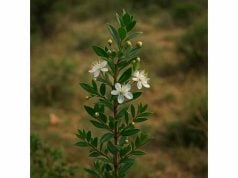
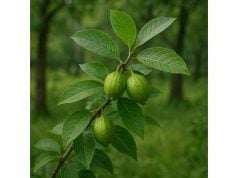
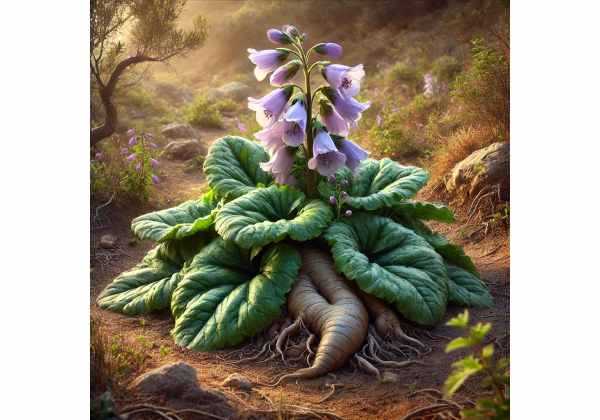
Mandrake is a perennial Mediterranean plant in the Solanaceae family, the same larger botanical group that includes belladonna, henbane, and jimsonweed. It grows as a low rosette of broad leaves, with greenish to violet flowers and yellowish fruits that have historically been described as fragrant but potentially dangerous. The thick, forked root is the most famous part of the plant, partly because of its chemistry and partly because its human-like shape fed centuries of myth.
Its reputation did not come from folklore alone. Mandrake was truly used in medicine for a long time. Ancient and medieval writers associated it with sleep, pain relief, calmness, fertility rituals, melancholy, and even pre-surgical sedation. In older herbals, it appears as both remedy and hazard, which is a telling combination. Plants that have dramatic effects tend to collect legends because people can feel that something powerful is happening, even if they do not fully understand the chemistry.
Modern interest in mandrake comes from three overlapping areas. The first is history of medicine. Mandrake helps explain how early healers searched for sedation, numbness, and surgical pain control before modern anesthesia existed. The second is pharmacology. The plant contains tropane alkaloids and related compounds with strong anticholinergic effects. The third is toxicology. Those same compounds can produce confusion, hallucinations, heart-rate changes, urinary retention, and dangerous poisoning when used carelessly.
That balance is important because many readers approach mandrake expecting either magic or a hidden natural cure. Neither is the most useful frame. Mandrake is better understood as a historically important toxic medicinal plant. It mattered because it did something real to the nervous system, not because it was gentle. In fact, the very reason it became famous is the reason it deserves caution now.
Another point often missed is that “mandrake” does not always mean a perfectly standardized botanical product. Popular writing may blur together Mandragora officinarum, related Mandragora species, and even unrelated plants that inherited the same common name. That confusion alone makes casual use riskier.
So the modern reason to care about mandrake is not that it belongs in a daily supplement routine. It is that it sits at the meeting point of herbal history, alkaloid pharmacology, and plant toxicology. Few herbs show that overlap as clearly.
Key ingredients and medicinal properties of mandrake
Mandrake’s medicinal identity is built mainly on its alkaloids, especially tropane alkaloids and related bioactive compounds. These are the chemicals responsible for the plant’s better-known physiologic effects, both useful and dangerous. Historically, mandrake was treated as a narcotic, sedative, or antispasmodic herb. In modern pharmacologic language, many of those observations fit an anticholinergic profile.
Main compounds linked with mandrake
The compounds most often associated with Mandragora officinarum and the wider Mandragora genus include:
- Scopolamine
- Hyoscyamine
- Atropine-like alkaloids
- Cuscohygrine and related alkaloids
- Coumarins and phenolic compounds
- Withanolide-like constituents in some reports
These compounds are not all equally important, and they are not always present in the same concentration. That matters more than it first seems. Recent analytical work suggests that alkaloid profiles can vary sharply by species, plant part, drying method, geography, and even the specific sample tested. In one modern analysis, M. officinarum samples did not show detectable hyoscyamine or scopolamine under the study conditions, which is a powerful reminder that mandrake chemistry is not as uniform as folklore suggests.
What its medicinal properties actually mean
The classic actions associated with mandrake are:
- Anticholinergic
- Antispasmodic
- Sedative or narcotic-like
- Analgesic in older practice
- Secretory-reducing
- Potentially hallucinogenic at higher or unsafe exposure
In practical terms, an anticholinergic plant blocks acetylcholine signaling at muscarinic receptors. That can reduce secretions, relax some smooth muscle, change heart rate, affect vision, and alter mental status. This explains why tropane-containing plants influenced the development of later medicines used for motion sickness, eye dilation, secretion control, urinary symptoms, and some spasm-related complaints.
But there is a crucial distinction. The useful medical future of this chemistry came mostly through isolated compounds and refined derivatives, not through continued reliance on raw mandrake root. That is the pattern many potent plants follow. Their chemistry survives in medicine even when the whole herb falls out of safe favor.
Mandrake is therefore best described as a plant with real medicinal properties but poor margins for home use. Its compounds may produce sedation and smooth-muscle relaxation, yet they can also produce delirium and toxicity with only a small change in exposure. This is why it belongs in the same broad cautionary category as other botanicals whose pharmacology is impressive but unforgiving.
The most honest summary is that mandrake has authentic medicinal chemistry, but that chemistry is exactly why self-experimentation is a bad idea. Its pharmacology is not imaginary. It is simply too strong and too variable to treat casually.
Mandrake benefits: what is historical and what is still credible
The word “benefits” needs careful handling with mandrake. If it is used loosely, it makes the plant sound like a forgotten wellness remedy. That is not accurate. Mandrake does have a long history of beneficial use, but most of those benefits are either historical, pharmacologic, or derivative-based, rather than modern whole-herb recommendations.
The benefits that make sense historically
Traditional sources repeatedly describe mandrake as a plant used for:
- sleep and heavy sedation
- pain relief
- easing spasms
- calming agitation
- preparing patients for painful procedures
Those uses are not random. They align with the nervous-system effects expected from tropane alkaloids. A plant that dries secretions, blunts parasympathetic signaling, alters perception, and can induce drowsiness would naturally be remembered as strong, sleep-inducing, and numbing.
The benefits that remain credible today
From a modern standpoint, the most credible “benefit” of mandrake is not that the raw herb should still be taken. It is that the plant helped point medicine toward a pharmacologic class with lasting clinical value. Tropane alkaloids and related derivatives remain important in therapeutics for roles such as antiemesis, secretion control, eye care, and spasm management. In that sense, mandrake mattered as a source of medicinal insight.
A second credible point is that older reports of sedative and antispasmodic action were not mere superstition. They reflected real bioactivity. The problem is that real bioactivity does not automatically translate into safe herbal practice.
What is not well supported
Modern evidence does not support mandrake as a general home remedy for insomnia, anxiety, pain, fertility, depression, or sexual vitality. Many of these claims persist because the plant’s mythology is unusually sticky. Once a herb becomes famous, people tend to copy its legendary uses long after its risk profile has become clear.
That is why readers need a distinction between credible action and recommended use. Mandrake may credibly possess sedative, antispasmodic, and anticholinergic activity. Yet those same properties make it a poor fit for self-care. A plant can work and still be the wrong plant to use.
For people who are really searching for sleep or calming support, gentler herbs such as valerian for sleep-related support make far more sense in modern practice than an alkaloid-rich nightshade.
So what are mandrake’s real benefits? Historically, it contributed to pain and sedation traditions. Pharmacologically, it helped illuminate a therapeutically important alkaloid class. Practically, however, its strongest modern lesson may be that not every active herb deserves a place in home medicine.
Traditional uses and why modern herbalism became cautious
Mandrake’s traditional uses are broad enough to sound almost mythical, and in some cases they were. Historical sources describe it for insomnia, pain, melancholy, rheumatic complaints, urinary discomfort, hemorrhoids, toothache, sexual potency, fertility symbolism, and ritual preparations. It was also associated with charms, divination, and trance states. Few medicinal plants carried such a dramatic cultural load.
Part of that long list came from observation. If a plant strongly alters consciousness, sensation, or body secretions, people will try it for many conditions. Another part came from symbolism. Because mandrake root often resembled a miniature human form, it attracted theories about reproduction, desire, and body-wide healing that went far beyond chemistry.
In medical history, one of the most important traditional roles of mandrake was pre-anesthetic sedation. Before reliable modern anesthetics existed, healers worked with whatever could dull pain, induce sleep, or cloud awareness. Mandrake fit that search, even if imperfectly. It also appeared in topical and internal preparations aimed at pain and spasm. Some traditions used it with wine, vinegar, fats, or mixed plant formulas, which only increased variability.
Modern herbalism became cautious for a simple reason: safer alternatives replaced it. Once physicians and herbal practitioners had access to cleaner, more predictable approaches to pain, sleep, and spasm, mandrake no longer justified its risk. This is one of the clearest examples of a plant losing its central place not because it was inactive, but because it was too active in the wrong way.
That historical shift is worth noticing. We often assume that old remedies disappeared because they “did not work.” Mandrake shows another possibility. A remedy can disappear because it worked unpredictably and dangerously.
There is also a practical lesson for readers today. Historical use is meaningful, but it is not the same as modern endorsement. When a medieval or classical text praises a plant for surgery, sleep, or pain, that information tells us how people coped before better tools existed. It does not mean the same preparation belongs in present-day self-treatment.
For modern pain support, many readers are better served by more moderate options such as white willow for gentler traditional pain relief, which sits in a very different safety category.
Mandrake therefore belongs in the herbal record as a serious plant from a serious time in medical history. It deserves respect and study, but not romanticization. The more clearly we understand that, the more useful its story becomes.
Dosage, forms, and why home dosing is not reliable
This is the section where mandrake most clearly stops being a normal herb article. For many plants, it is possible to describe a reasonable tea range, tincture range, or capsule range. For mandrake, the most accurate modern dosage answer is this: there is no validated self-care oral dose that can be recommended safely.
Why dosing breaks down with mandrake
A dependable home dose would require at least four things:
- a stable chemistry
- a clearly standardized preparation
- a predictable relationship between amount and effect
- a reasonable margin between therapeutic and toxic exposure
Mandrake does not offer those conditions well enough. Its active compounds can vary by species, plant part, freshness, drying, storage, and growing environment. Old herbals describe roots, leaves, fruits, wines, oils, and mixed compounds, but none of those forms meet modern expectations for safe consumer dosing.
A small root fragment, a homemade tincture, and a boiled preparation are not equivalent. Even if two people follow the same old recipe, they may not be ingesting the same chemistry.
Common forms described historically
Mandrake has appeared in historical use as:
- raw or dried root
- infused wine
- decoctions
- ointments or salves
- topical poultices
- complex ritual or narcotic mixtures
From a modern safety perspective, every one of these forms is problematic outside expert toxicologic and pharmacognostic contexts. Oral use is the biggest concern, but topical use is not automatically safe either, especially if broken skin, mucosal contact, or concentrated preparations are involved.
The most practical dosage guidance
The safest modern guidance is not a number. It is a boundary:
- do not self-dose raw mandrake orally
- do not improvise extracts, wines, or salves
- do not assume small amounts are harmless
- do not copy historical formulas
That advice may feel unsatisfying in an article with “dosage” in the title, but it is more helpful than inventing precision where none exists.
For readers seeking sedation, cramp relief, or pain support, the better move is not to “microdose” mandrake. It is to choose a more appropriate herb or medicine for the goal. In other words, mandrake is a plant where restraint is part of the dosage conversation.
One more subtle point matters here. Recent analytical work suggests that even when Mandragora officinarum is tested directly, its classic alkaloid profile may not appear in a uniform way across samples. That means unreliability cuts in both directions. A person may assume a preparation is weak when it is not, or assume it is standardized when it is chemically uneven.
For an herb with anticholinergic potential, that is enough reason to avoid home dosing altogether.
Mandrake safety, side effects, and who should avoid it
Safety is the most important practical topic with mandrake. Every useful discussion of this plant should make clear that all potentially medicinal interest sits beside a real poisoning risk. Mandrake is not merely “strong.” It can produce a recognizable anticholinergic toxidrome.
Possible side effects and poisoning signs
Misuse or accidental exposure may cause:
- dry mouth
- blurred vision
- dilated pupils
- flushed or hot skin
- rapid heartbeat
- urinary retention
- constipation
- dizziness
- agitation
- confusion
- hallucinations
- drowsiness followed by delirium
- severe poisoning in extreme cases
These effects follow the same general logic as other anticholinergic plants and drugs. Acetylcholine signaling is blocked, so secretions drop, smooth muscle function changes, pupils dilate, heart rate may rise, and cognition can shift sharply. That is why the line between “sedating” and “dangerous” is not a comfortable one with mandrake.
Who should avoid mandrake completely
The herb should be avoided by:
- pregnant people
- breastfeeding people
- children and adolescents
- older adults with fall or confusion risk
- people with glaucoma
- people with enlarged prostate or urinary retention
- people with heart rhythm problems
- people with severe constipation or bowel obstruction risk
- people with psychiatric vulnerability
- anyone taking multiple prescription drugs
Pregnancy and breastfeeding deserve especially clear caution. Mandrake’s pharmacology is not appropriate for unsupervised use in these groups, and there is no good reason to treat it as a traditional exception.
Interaction concerns
Mandrake may be particularly risky alongside:
- antihistamines with anticholinergic effects
- tricyclic antidepressants
- some antipsychotics
- overactive bladder medicines
- motion sickness drugs
- sedatives
- alcohol and other substances that impair judgment
That interaction profile is another reason modern practice stepped away from it. The raw herb adds uncertainty to a mechanism that is already clinically delicate.
A useful mental model is this: mandrake is less like chamomile and more like a plant toxicology lesson. If you would not experiment with a potent pharmaceutical without guidance, you should not improvise with mandrake either.
Readers interested in the broader pattern of plants that are medicinal precisely because they are potent may also find garden rue and its safety profile a helpful comparison, though the chemistry is different.
The bottom line is simple. Mandrake is not impossible to understand, but it must be understood as a plant with a small safety margin and no role in casual oral self-treatment.
What the evidence really means today
When all the history, pharmacology, and toxicology are placed side by side, mandrake becomes much easier to interpret. The evidence does not suggest that the plant is imaginary or useless. It shows something more nuanced and more important: mandrake is a historically active toxic medicinal plant whose raw-herb role has been mostly displaced by safer, standardized medicine.
That conclusion matters because many plant articles force a false choice. Either the herb is portrayed as a miracle, or it is dismissed completely. Mandrake does not fit either story well. It was clearly active enough to influence medical practice for centuries. Later pharmacology also supports the core idea that tropane-containing plants can reduce secretions, relax some smooth muscle, alter consciousness, and affect pain perception. Yet the whole-herb plant never became a safe, standardized modern remedy.
In modern terms, mandrake’s strongest value lies in three places:
- medical history
- pharmacologic understanding of tropane alkaloids
- toxicology education
Those are not minor things. In fact, they are more durable than most folklore claims. Mandrake helped show earlier physicians what deep sedation and antispasmodic action could look like. It also helped reveal the limits of using a powerful plant when the dose is unstable and the line to toxicity is narrow.
For consumers, the practical takeaway is very clear. Mandrake is not a routine herb for sleep, pain, mood, libido, or digestion. It is better treated as a plant of historical interest and pharmacologic caution. The question is not whether it once had medicinal uses. It did. The better question is whether those uses justify home use now. For nearly all readers, the answer is no.
That answer should not feel disappointing. It should feel clarifying. A genuinely helpful article does not need to turn every herb into a recommendation. Sometimes the most useful form of herbal knowledge is learning which plants belong in the garden, the library, or the history of medicine, rather than in the kitchen or medicine cabinet.
Mandrake remains fascinating because it shows how closely medicine and poison can sit together inside one root. Understanding that is its most valuable lesson today.
References
- A Comprehensive Review on the Ethnopharmacology, Phytochemistry, Pharmacology, and Toxicology of the Mandragora Genus; from Folk Medicine to Modern Medicine 2021 (Review)
- Beauty of the beast: anticholinergic tropane alkaloids in therapeutics 2022 (Review)
- The rise and fall of mandrake in medicine 2023 (Review)
- Simultaneous quantification of hyoscyamine and scopolamine using HPLC-DAD in four Solanaceae: Hyoscyamus niger, Datura stramonium, Atropa belladonna and Mandragora officinarum 2025 (Analytical Study)
- A two cases clinical report of mandragora poisoning in primary care in Crete, Greece: two case report 2009 (Case Report)
Disclaimer
This article is for educational purposes only and is not medical advice, diagnosis, or treatment. Mandrake is a toxic nightshade plant with clinically significant anticholinergic effects, and it should not be self-prescribed for sleep, pain, mood, sexual concerns, or any other condition. Historical use does not establish modern safety. Anyone who may have ingested mandrake or a mandrake preparation should contact a poison center or seek urgent medical care, especially if symptoms such as confusion, rapid heartbeat, blurred vision, hallucinations, urinary retention, or severe dryness occur.
If you found this article helpful, please share it on Facebook, X, or any platform where thoughtful herbal information is appreciated.