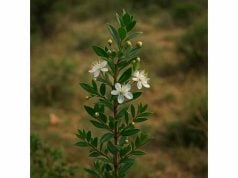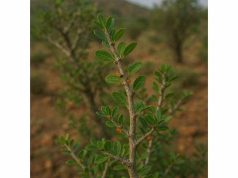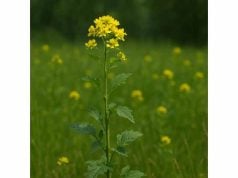
Maral root is a Siberian adaptogenic herb best known botanically as Rhaponticum carthamoides, and sometimes as Leuzea carthamoides. The wording in its common name can be confusing: the herb itself is a plant, while “maral” refers to the deer traditionally linked with it, not to the plant’s botanical identity. In herbal medicine, maral root has long been used to support stamina, recovery, resilience to stress, and general vitality after illness or physical strain.
What makes this herb distinctive is its mix of phytoecdysteroids, especially 20-hydroxyecdysone, together with flavonoids and phenolic compounds. These ingredients help explain why maral root is often discussed in the same conversation as adaptogens, exercise recovery aids, and tonic herbs. At the same time, its reputation is larger than its evidence base. Modern research is promising, especially for fatigue, stress adaptation, and metabolic support, but much of it remains preclinical or comes from mixed formulas rather than large human trials.
That means maral root is worth understanding carefully: not as a miracle herb, but as an interesting, active, and still-evolving botanical.
Key Facts
- Maral root is best known for adaptogenic, anti-fatigue, and recovery-support potential.
- Its main active compounds include 20-hydroxyecdysone and related phytoecdysteroids with antioxidant and metabolic effects.
- Commercial extracts are often sold in the 200 to 500 mg/day range, but no universally validated standard dose exists.
- Avoid self-use during pregnancy, breastfeeding, childhood, or when taking diabetes, blood pressure, or multiple prescription medicines.
Table of Contents
- What is maral root and what does the name actually mean
- Key ingredients and medicinal properties of maral root
- What benefits are best supported by research
- How maral root is used in modern herbal practice
- Dosage, forms, timing, and practical use
- Maral root safety, side effects, and who should avoid it
- What the evidence really means
What is maral root and what does the name actually mean
Maral root is a perennial herb from the Asteraceae family that grows mainly in Siberia, the Altai region, Kazakhstan, and nearby mountain areas. Botanically, the medicinal plant is Rhaponticum carthamoides, with Leuzea carthamoides still used as a synonym in some literature and supplement labeling. It is also called Russian leuzea. The root and rhizome are the parts most commonly used medicinally.
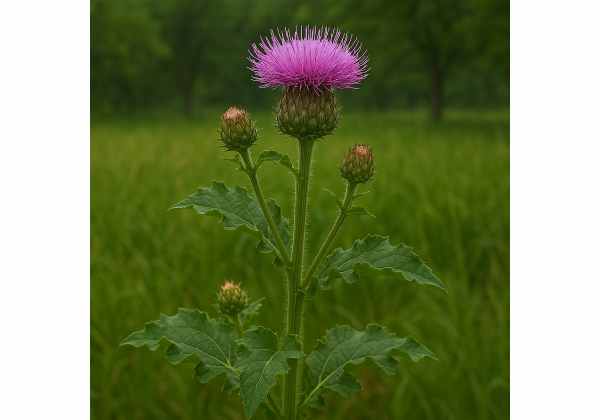
The name can mislead people. “Maral root” comes from the maral deer traditionally associated with the plant, not from the plant’s scientific classification. That matters because product pages and search queries sometimes blend the animal and the herb into one label. In practical terms, the herb article should stay focused on the plant: a thistle-like alpine perennial with a long record of use as a tonic for physical endurance, recovery, and resilience.
Traditional Siberian and Eastern European herbal systems describe maral root as a strengthening plant used after illness, heavy labor, exhaustion, low mood, and reduced work capacity. That background is the reason it is now marketed as an adaptogen. The adaptogen label suggests a plant may help the body respond more steadily to physical or mental stress rather than targeting one isolated symptom. Maral root is often grouped with rhodiola and other adaptogenic herbs that are valued for recovery and resilience rather than for a single dramatic pharmacologic effect.
What sets maral root apart from many classic adaptogens is its content of phytoecdysteroids, especially 20-hydroxyecdysone. These compounds are structurally distinct from human anabolic steroids, even though marketing language often blurs that difference. That confusion has helped create maral root’s modern reputation as a performance herb. Some early research and supplement promotion focused heavily on anabolic or muscle-building claims, but the real picture is broader and more nuanced.
Today, maral root sits between traditional tonic herb and experimental sports or longevity ingredient. It is sold in capsules, powders, tinctures, and combination formulas aimed at energy, recovery, mood, and metabolic support. Yet its strongest modern identity is still that of a tonic-adaptogen with interesting chemistry rather than a fully proven mainstream supplement.
A useful way to understand maral root is this: it is a historically important alpine tonic herb with active plant steroids and antioxidant compounds, a reputation for fighting fatigue, and a research profile that is promising but not yet settled. That is much more accurate than either dismissing it as folklore or promoting it as a plant version of an anabolic drug.
Key ingredients and medicinal properties of maral root
Maral root is chemically rich, but a few compound groups account for most of its medicinal interest. The best known are the phytoecdysteroids, especially 20-hydroxyecdysone, along with turkesterone, ponasterone, flavonoids, phenolic acids, and related antioxidant constituents. Depending on the plant part, extraction method, and growing conditions, products may also contain sesquiterpene lactones, triterpenes, and other minor metabolites.
The ingredient that gets the most attention is 20-hydroxyecdysone. This is a plant ecdysteroid, not a human hormone, but it has drawn interest because of possible effects on protein synthesis, metabolic regulation, stress tolerance, and physical performance. That does not mean maral root behaves like testosterone. It does mean the plant contains a biologically active compound that may influence signaling pathways relevant to muscle, energy metabolism, and recovery.
Flavonoids and phenolic compounds matter as well. They help explain the herb’s antioxidant and cell-protective reputation. Some research on maral root extracts points to reduced oxidative stress, modulation of inflammatory pathways, and possible support for tissue resilience under strain. These compounds are one reason the whole root may behave differently from isolated 20-hydroxyecdysone alone.
From a practical standpoint, maral root’s medicinal properties are usually described in four overlapping ways:
- Adaptogenic, meaning it may improve resistance to physical or mental stress
- Anti-fatigue, meaning it may support endurance, recovery, or subjective vitality
- Metabolic-supportive, especially in early work related to lipids, glucose handling, or body composition
- Antioxidant and cytoprotective, meaning it may help buffer oxidative or inflammatory stress
Those properties help explain why maral root is often compared with ginseng and other classical tonic herbs. The difference is that maral root’s profile leans more heavily on ecdysteroids than on ginsenosides or other compound families.
Still, it is important not to overread the chemistry. An herb may contain active molecules without having strong human proof for every marketed claim. Maral root is a good example. Its compounds are interesting, and some of their mechanisms make scientific sense, but the leap from mechanistic promise to real-world benefit is not complete.
Another key point is that the whole herb and isolated compounds are not interchangeable. A maral root extract standardized for ecdysteroids may not act the same way as a simple powdered root, and neither is identical to purified 20-hydroxyecdysone. When readers search for “key ingredients,” what they often really need to know is this: product form matters, standardization matters, and many of the strongest claims are being driven by constituent research more than by classic whole-herb trials.
So the cleanest summary is that maral root is a phytoecdysteroid-rich adaptogenic herb with antioxidant support chemistry and a plausible role in stress resilience, recovery, and metabolic balance. Its medicinal profile is real, but it is not yet fully translated into standardized clinical use.
What benefits are best supported by research
Maral root is often marketed for energy, athletic performance, libido, anti-aging, metabolism, mood, and muscle growth. The evidence does not support all of those claims equally. The most honest approach is to separate traditional reputation, preclinical promise, and human evidence.
The most plausible and best-supported benefit is fatigue resistance and stress adaptation. This is the core reason maral root is treated as an adaptogen. Traditional use consistently points to improved stamina, faster recovery after exertion, and support after illness or weakness. Modern reviews and experimental work support the idea that maral root extracts may improve resilience to physiologic stress and help the body recover more efficiently from heavy demand. That said, modern human trials remain limited and are not strong enough to make dramatic guarantees.
A second promising area is exercise recovery and performance support. This is the claim that has pushed maral root into sports-supplement culture. Some early and experimental studies suggest that phytoecdysteroids may influence protein synthesis and work capacity. But this is also the area most likely to be exaggerated in marketing. Maral root is not a proven shortcut to muscle gain, and the human evidence is nowhere near as strong as it is for better-established performance supplements such as creatine monohydrate. That comparison helps keep expectations realistic.
A third area is metabolic and body-composition support. Preclinical studies suggest maral root extract and its compounds may affect lipid accumulation, glucose handling, adipogenesis, and related pathways. These findings are interesting and worth watching, but they are still far from a clinical recommendation for obesity, diabetes, or metabolic syndrome.
A fourth possible benefit is antioxidant and neuroprotective support. Laboratory and animal data suggest ecdysteroids and associated plant compounds may reduce oxidative stress and help protect tissues under strain. This might partly explain traditional claims around vitality, convalescence, and mental resilience. But again, the human evidence is thinner than the mechanistic story.
The weakest or least supported marketed claims are the most sensational ones:
- dramatic testosterone-like effects
- guaranteed muscle growth
- major sexual enhancement
- broad “anti-aging” reversal
- reliable hormone balancing
These claims often borrow language from bodybuilding culture rather than from strong clinical evidence. Maral root may indeed have tonic and performance-related effects, but it should not be described as a natural anabolic drug.
A practical ranking of maral root’s benefits would look like this:
- Adaptogenic and anti-fatigue support
- Recovery and work-capacity support, with limited human confirmation
- Metabolic and body-composition potential, mostly preclinical
- Antioxidant and cell-protective actions, mainly mechanistic and experimental
That ranking does not make the herb weak. It makes it easier to use responsibly. Maral root is most convincing as a resilience and recovery herb, less convincing as a metabolism supplement, and least convincing when sold as a dramatic physique enhancer.
How maral root is used in modern herbal practice
In contemporary herbal practice, maral root is used less like a symptom-specific remedy and more like a tonic. That means practitioners usually reach for it when the overall pattern is fatigue, reduced work capacity, slow recovery, or stress-related depletion rather than when someone has one narrow complaint such as a cough or a headache.
The classic traditional picture is a person who feels run down after illness, overtraining, mental overload, or long periods of physical effort. In that setting, maral root is used to support stamina, restore steadiness, and improve the feeling of reserve. It is not usually framed as an emergency herb. It is more often treated as a gradual builder.
Modern use tends to fall into four categories:
- Adaptogen formulas for stress and recovery
- Sports and performance supplements
- General tonic products for fatigue or weakness
- Experimental healthy-aging or metabolic formulas
In herbal formulas, maral root is often paired with other adaptogens or tonics rather than used alone. It appears alongside herbs aimed at stress resilience, endurance, cognition, and post-illness rebuilding. Some formulas combine it with rhodiola, eleuthero, or ginseng-like herbs. Others place it in broader vitality blends.
This is also where quality differences start to matter. A traditional root decoction, a powdered root capsule, and a standardized ecdysteroid extract are not the same thing. One may behave like a broad tonic, while another is marketed much more narrowly toward exercise or physique goals. That difference can completely change the user’s expectations.
In modern supplement culture, maral root is often presented as a “natural anabolic” or “testosterone-friendly” herb. That is not the best clinical frame. A better description is that it is a phytoecdysteroid-rich adaptogen that may support recovery and physical resilience but has not been proven to reproduce the effects of anabolic hormones. Framing it this way protects people from unrealistic expectations and from overuse.
Maral root may be a reasonable choice for adults who are looking for a gentler tonic strategy than stimulant-heavy products. Someone with mild nonmedical fatigue, heavy training loads, or prolonged stress may be more appropriately matched to maral root than someone seeking a rapid stimulant effect. On the other hand, people who mainly want calmer stress relief often do better with herbs such as ashwagandha for broader stress support, depending on the pattern and their health status.
Another important use principle is timing. Tonic adaptogens are generally more useful when taken consistently for days or weeks rather than in one-off emergency doses. Maral root fits that model. It tends to make the most sense as a course-based herb, not as a rescue herb.
So in practical terms, maral root is used today as a strengthening botanical for resilience, recovery, and sustained performance capacity. It works best when it is chosen for those purposes and not forced into exaggerated claims it cannot reliably support.
Dosage, forms, timing, and practical use
Dosage is one of the trickiest parts of writing about maral root because the market includes several very different product types. The safest way to discuss it is to separate whole-root preparations, standardized extracts, and isolated ecdysteroid-focused products.
Common forms include:
- dried root or rhizome
- powdered root capsules
- tinctures
- standardized extracts
- combination adaptogen formulas
The most widely repeated commercial dosing range for maral root extract is 200 to 500 mg per day, often divided into two or three servings. That range is useful as a market reference, but it should not be mistaken for a universally validated clinical standard. At present, there is still not enough high-quality evidence to say that one exact daily dose is clearly optimal for all goals.
For whole-root powders or nonstandardized capsules, labels may use very different strengths. Some products are mainly tonic root powder. Others are concentrated to raise ecdysteroid content. This means that 300 mg of one product may not be functionally comparable to 300 mg of another.
In practical use, several principles matter more than the raw number:
- Start low rather than high.
Maral root is not usually taken for an immediate dramatic effect, so there is little reason to begin aggressively. - Choose the form that matches the goal.
A broad tonic formula may suit general fatigue better than an extract marketed narrowly for performance. - Take it earlier in the day if it feels stimulating.
Some users describe maral root as steadying, while others find it mildly activating. - Use it as a course, not as a one-time experiment.
A period of several weeks makes more sense than expecting visible results after a single serving. - Reassess rather than escalate automatically.
If nothing is changing, higher doses are not always the answer. Product quality, indication, or expectations may be the real issue.
In terms of duration, many people use maral root for 2 to 8 weeks and then pause or reassess. This pattern fits how tonic herbs are often used in practice. Long-term continuous use has not been studied well enough to assume that more is always better.
There is also a buying issue hidden inside dosage. Products emphasizing ecdysterone or turkesterone may not reflect the same traditional herb profile as simple maral root. Readers should look for clear labeling of the plant part, extract ratio, and standardization. Otherwise, “dose” becomes a vague number attached to an unclear product.
So the most practical dosage answer is not just a milligram figure. It is a decision framework: use a reputable product, understand whether it is whole herb or extract, stay conservative, and remember that the commonly marketed 200 to 500 mg/day range is only a rough guide, not a definitive evidence-based prescription.
Maral root safety, side effects, and who should avoid it
Compared with more toxic medicinal plants, maral root appears to have a relatively favorable safety profile, but that should not be confused with unlimited safety. Human research is still limited, many supplements vary widely in composition, and the herb’s more stimulating or metabolic effects could matter for some users more than others.
Most reports and reviews do not suggest severe routine toxicity from maral root in normal supplemental use. That is encouraging. Still, “generally well tolerated” is a more accurate phrase than “proven safe.” The difference matters because the evidence base is not deep enough to dismiss all potential risks.
Possible side effects may include:
- stomach upset
- headache
- restlessness or feeling overstimulated
- sleep disruption if taken late in the day
- mild dizziness or changes in how energy feels
- sensitivity to combination formulas that include other stimulatory herbs
These effects are not universal, and many users may notice little or nothing. But they are plausible enough that maral root should not be treated as completely inert.
The main groups who should avoid self-use or use only with professional guidance include:
- pregnant people
- breastfeeding people
- children and adolescents
- people with uncontrolled hypertension
- people with diabetes using medication
- people on multiple prescription drugs
- people with hormone-sensitive or complex chronic conditions
- competitive athletes using performance supplements without checking product quality and anti-doping implications
The diabetes and medication point is especially important. Because maral root and its compounds are discussed in relation to glucose handling, lipids, performance, and stress physiology, it is possible that combining it with prescriptions could produce effects the user does not expect. The evidence is not complete enough to define every interaction clearly, which is exactly why caution is the better default.
Another real safety issue is product quality. Some maral root supplements emphasize ecdysteroids. Others use broad root extracts. Some may contain undeclared ingredients or inconsistent standardization. In a herb like this, quality control can matter as much as the plant itself.
People with insomnia, anxiety marked by physical agitation, or sensitivity to activating supplements should be careful as well. Maral root is not a caffeine-like stimulant, but it is not the best fit for everyone seeking “energy.” Some exhausted people need restoration. Others are better served by sleep correction, nutrition, or a calmer adaptogen profile.
The bottom line is balanced: maral root does not appear to be a high-risk herb for most healthy adults when used conservatively, but it is still active enough to deserve screening. Anyone with medical conditions, prescription medications, or performance-testing concerns should treat it like a supplement that warrants thought, not like a harmless daily tonic.
What the evidence really means
Maral root is a good example of a herb whose reputation is partly deserved and partly inflated. It genuinely is a chemically interesting adaptogenic plant with a traditional record for fatigue, strength, and recovery. It also genuinely contains compounds, especially 20-hydroxyecdysone, that have attracted serious scientific attention. But those truths do not automatically turn it into a fully proven clinical supplement.
The strongest evidence around maral root is still mechanistic and preclinical. We know quite a lot about its compound families, its adaptogenic framing, and its potential roles in oxidative stress, recovery, metabolic regulation, and protein-synthesis-related pathways. We know less than people often assume about large, modern, well-controlled human outcomes.
That matters because the modern supplement market likes clear narratives. Maral root is often sold through one of two oversimplified stories. In one, it is a natural anabolic powerhouse. In the other, it is a harmless everyday vitality herb. The evidence supports neither extreme very well.
A more accurate modern conclusion would be this:
- maral root is promising for resilience and anti-fatigue support
- it may have recovery and performance-supportive potential
- it has interesting metabolic and antioxidant effects
- its most publicized claims are ahead of its human evidence
- dosing and product quality remain less standardized than many buyers realize
That conclusion is still positive. It simply places the herb in the right category. Maral root is a promising tonic adaptogen, not a magic shortcut. It may be useful for selected adults who want a recovery-oriented herb and who are willing to use it carefully, with realistic expectations. It is much less useful when approached as a fast route to dramatic physique change or as a replacement for sleep, training structure, nutrition, or medical care.
The best reason to consider maral root is not hype. It is fit. If the goal is steadier resilience, post-exertion recovery, or support during periods of depletion, maral root may be a thoughtful option. If the goal is an immediate stimulant punch or guaranteed muscle growth, the herb is being asked to do something the evidence does not yet justify.
In that sense, the most helpful article on maral root is one that leaves the reader both interested and grounded. The herb deserves attention, but it also deserves proportion. Its story is still unfolding, and for now, its strongest role is as a promising adaptogenic tonic rather than a proven high-impact performance agent.
References
- Chemistry and pharmacology of Rhaponticum carthamoides: a review – PubMed 2009 (Review)
- Plant Adaptogens-History and Future Perspectives – PubMed 2021 (Review)
- 20-Hydroxyecdysone, from Plant Extracts to Clinical Use: Therapeutic Potential for the Treatment of Neuromuscular, Cardio-Metabolic and Respiratory Diseases – PubMed 2021 (Review)
- Ecdysterone and Turkesterone-Compounds with Prominent Potential in Sport and Healthy Nutrition – PubMed 2024 (Review)
- Maral Root Extract and Its Main Constituent 20-Hydroxyecdysone Enhance Stress Resilience in Caenorhabditis elegans – PubMed 2025 (Preclinical Study)
Disclaimer
This article is for educational purposes only and is not medical advice, diagnosis, or treatment. Maral root is an active herbal supplement with evolving evidence, variable product quality, and incomplete interaction data. It should not replace medical evaluation for fatigue, low mood, poor recovery, metabolic symptoms, or performance concerns. Speak with a qualified healthcare professional before using maral root if you are pregnant, breastfeeding, under 18, taking prescription medicines, living with a chronic condition, or participating in competitive sport.
If you found this article useful, please share it on Facebook, X, or any other platform where thoughtful herbal education is valued.