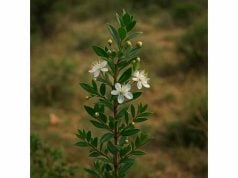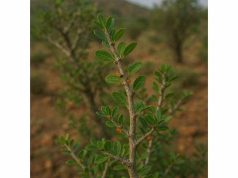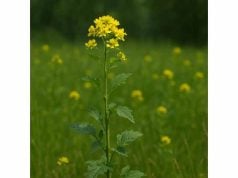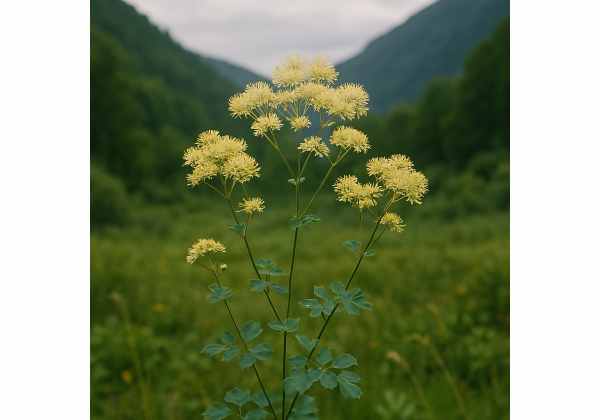
Mountain rue is a tricky herb to write about well because the name does not refer to one neatly standardized plant. It usually points to species within the Thalictrum genus, a diverse group sometimes called meadow-rues, and those species can differ meaningfully in chemistry, traditional use, and strength. In folk medicine across parts of Asia, Europe, and Africa, selected Thalictrum species have been used for infections, inflammation, digestive complaints, pain, jaundice, respiratory conditions, and wound-related problems. Modern interest focuses especially on their isoquinoline alkaloids, flavonoids, and related compounds.
That said, mountain rue is not a mainstream self-care herb. The genus includes plants with potent alkaloid chemistry, and much of the evidence still comes from ethnobotany, laboratory work, and animal studies rather than strong human trials. Some species show antimicrobial, anti-inflammatory, antioxidant, cytotoxic, or neuroactive potential, but those findings do not automatically make every mountain rue preparation safe or appropriate for casual home use. This guide explains what mountain rue is, what compounds stand out, which benefits are plausible, how traditional use differs by species, what dosage really means here, and where caution is essential.
Core Points
- Mountain rue is best known for antimicrobial and anti-inflammatory potential in selected species.
- Several Thalictrum species are rich in alkaloids that may support digestive, respiratory, and infection-focused traditional uses.
- Traditional species-specific root powders are sometimes used in the 1 to 3 g range under practitioner guidance.
- Avoid mountain rue during pregnancy, breastfeeding, childhood, and any unsupervised use of unidentified or concentrated species.
Table of Contents
- What Mountain Rue Is and Why Species Identification Matters
- Mountain Rue Key Ingridients and What They Suggest
- Mountain Rue Health Benefits and What the Evidence Actually Shows
- Traditional Medicinal Properties and How Different Regions Used Thalictrum
- How Mountain Rue Is Prepared and What Dosage Means in Practice
- Safety, Side Effects, and Who Should Avoid Mountain Rue
- How to Think About Mountain Rue Today and When Safer Options Make More Sense
What Mountain Rue Is and Why Species Identification Matters
Mountain rue is usually a common-name shortcut for certain species in the genus Thalictrum, which belongs to the buttercup family. That sounds simple until you look more closely. Thalictrum is not one herb in the narrow sense. It is a broad genus with many species used in different medical traditions, often under different local names and sometimes with different plant parts. This matters because a mountain rue article that treats all species as chemically interchangeable will usually be oversimplified.
Some readers also confuse mountain rue with true rue, the genus Ruta. They are not the same plant group. True rue and mountain rue may overlap in older herbal language, but botanically and chemically they are distinct. Mountain rue refers to Thalictrum species, sometimes also called meadow-rues, and those species are valued mainly for their alkaloid-rich roots, rhizomes, or aerial parts depending on tradition.
Across regional systems, mountain rue has been used for a wide range of complaints. Different species have been described as useful for dysentery, enteritis, jaundice, skin infections, trauma, lung inflammation, joint pain, eye complaints, wound-related problems, and even selected tumor-related folk uses. That long list can sound impressive, but it also signals something important: the genus has been used in many places for many reasons, which means no single use defines it perfectly.
This species variability affects every practical question a reader might ask:
- which plant part is being used
- which compounds are likely present
- how strong the preparation may be
- whether the intended use is digestive, infectious, respiratory, or inflammatory
- what the safety profile might look like
That is why mountain rue is better seen as a medicinal genus rather than a single standardized herb. This is somewhat similar to how people speak loosely about medicinal bark or berry plants while the actual chemistry depends on the species involved. Readers interested in better-known antimicrobial alkaloid plants often compare it with barberry for berberine-rich herbal use, and the comparison is useful mainly because both conversations depend heavily on alkaloid chemistry.
A second reason identification matters is quality control. Some Thalictrum species are primarily folk medicines, some are regionally important traditional drugs, and some are far more experimental than practical. A label that says only “mountain rue extract” may tell you very little if it does not list the species.
So before asking whether mountain rue works, the first better question is: which Thalictrum species are we talking about? Once that is clear, the rest of the discussion becomes far more honest and useful.
Mountain Rue Key Ingridients and What They Suggest
The most important thing to know about mountain rue chemistry is that Thalictrum species are especially rich in isoquinoline alkaloids. These compounds are the main reason the genus attracts pharmacological interest. Alongside them are flavonoids, phenolic compounds, and other secondary metabolites that may contribute antioxidant, antimicrobial, and anti-inflammatory activity.
Among the best-known compounds reported across selected species are berberine, palmatine, jatrorrhizine, magnoflorine, hernandezine, thalicarpine, tetrandrine-like bisbenzylisoquinoline compounds, and a range of other aporphine, protoberberine, and bisbenzylisoquinoline alkaloids. Not every species contains the same profile, and not every plant part concentrates them equally, but this alkaloid-heavy character is one of the genus’s defining features.
Berberine is one of the easiest compounds for readers to recognize. It helps explain why some Thalictrum species have long been used for dysentery, enteritis, and infection-related complaints. Berberine-rich plants are frequently discussed for antimicrobial and digestive applications, and mountain rue’s overlap with that chemistry gives some traditional uses real plausibility.
Palmatine and jatrorrhizine are also important because they appear in species that have shown antimicrobial and cytotoxic activity in laboratory research. These compounds add depth to the idea that mountain rue is not merely a bitter tonic herb but a pharmacologically active genus with real biochemical complexity.
Bisbenzylisoquinoline alkaloids deserve special attention. These are structurally elaborate compounds that help explain why some Thalictrum species are studied for cytotoxic, anti-inflammatory, and other cell-signaling effects. They are also part of the reason safety should not be treated casually.
Alongside the alkaloids are flavonoids and phenolics, which may support antioxidant behavior. In some species, higher phenolic and flavonoid content has been linked with stronger antimicrobial or free-radical-scavenging activity. That does not make mountain rue primarily an antioxidant herb, but it broadens the picture beyond alkaloids alone.
A simple way to think about mountain rue chemistry is this:
- isoquinoline alkaloids help explain antimicrobial, anti-inflammatory, and cytotoxic interest
- berberine-related compounds help explain digestive and infection-focused traditional uses
- flavonoids and phenolics add antioxidant support
- the exact chemistry depends heavily on species, plant part, and growing conditions
This is why mountain rue often appears in discussions of alkaloid-rich traditional medicine rather than gentle kitchen herbalism. People who want a softer antioxidant or inflammatory herb will usually gravitate toward something like boswellia for inflammation-focused support instead.
The main takeaway is that mountain rue’s key ingredients are genuinely active. That is good news for pharmacological interest, but it also means the plant group should be approached with more care than a mild nutritive herb. Activity and complexity go together here.
Mountain Rue Health Benefits and What the Evidence Actually Shows
Mountain rue has a broad reputation in traditional medicine, but the evidence supporting its benefits is uneven. The strongest modern support comes from phytochemical studies, cell studies, and animal research, not from large, well-controlled human trials. That means the most responsible way to talk about benefits is to distinguish between plausible, preliminary, and unproven claims.
One of the most credible areas is antimicrobial potential. Several Thalictrum species have shown antibacterial or antifungal activity in laboratory work, and this fits well with traditional uses for dysentery, skin infections, and inflammatory respiratory complaints. In species such as T. rhynchocarpum, T. delavayi, and T. foliolosum, researchers have reported activity that appears linked to alkaloids, flavonoids, and phenolic compounds.
A second promising area is anti-inflammatory and tissue-protective activity. Studies on species such as T. minus and T. foetidum suggest that certain extracts may reduce inflammatory signaling and oxidative stress in experimental models. This helps explain why some traditions used mountain rue for lung inflammation, trauma, joint pain, and chronic irritated states.
A third area is digestive and enteric support, especially for selected berberine-rich species. Traditional uses for diarrhea, dysentery, and enteritis are chemically plausible because protoberberine alkaloids are well known in digestive-focused herbal medicine. Still, plausibility is not the same as broad clinical proof.
There is also notable interest in cytotoxic and anticancer-related research. Some Thalictrum extracts and isolated alkaloids have shown activity against tumor cell lines. This is scientifically interesting, but readers should be careful not to turn it into a practical cancer-treatment claim. Cytotoxicity in the lab does not mean a plant is a safe or effective anticancer remedy in people.
More recently, selected studies have explored neuroprotective or symptom-modulating effects, including Parkinson-like models and lung injury models. These findings are promising as research leads, but they are still far from routine clinical guidance.
A balanced benefit summary looks like this:
- Most plausible: antimicrobial and anti-inflammatory effects in selected species
- Reasonably plausible: digestive support in species rich in berberine-like alkaloids
- Scientifically interesting but preliminary: cytotoxic, neuroactive, and lung-protective effects
- Not established: a general recommendation that mountain rue works the same way across all species or conditions
That final point matters most. The genus is promising, but not standardized. Someone reading about one species in one study should not assume the same outcome applies to all mountain rue products on the market.
For general readers seeking digestive or infection-supportive herbs, lower-complexity options such as goldenseal for traditional antimicrobial alkaloid support may be easier to understand, though they bring their own cautions. Mountain rue remains more specialized, more species-dependent, and less settled.
Traditional Medicinal Properties and How Different Regions Used Thalictrum
One reason mountain rue remains compelling is that its traditional use is both old and geographically broad. Different Thalictrum species have appeared in herbal traditions from the Himalayas to East Asia to parts of Africa and Eurasia. While the details vary, several medicinal themes repeat often enough to be meaningful.
The genus has been described traditionally as:
- bitter
- antimicrobial
- anti-inflammatory
- digestive
- febrifuge
- wound-related
- respiratory-supportive
- pain-relieving in selected contexts
In Himalayan and South Asian use, certain species such as Thalictrum foliolosum have been used for dysentery, enteritis, jaundice, eye complaints, and skin-related conditions. In some formulations, roots or rhizomes were valued as substitutes for other bitter yellow alkaloid-rich medicines because of their berberine content.
In Chinese and Mongolian folk use, species such as T. minus and T. fargesii have been associated with lung inflammation, dysentery, bedsore, boils, fungal complaints, and inflammatory disorders. In parts of African traditional practice, T. rhynchocarpum has been documented for infection-related or inflammatory uses as well.
This diversity of use helps explain why mountain rue can sound like it treats everything. But a closer reading suggests a more coherent pattern. Many traditional uses cluster around a few targets:
- infected or irritated tissue
- disturbed digestion and bowel complaints
- heat or inflammation patterns
- stubborn respiratory discomfort
- certain skin or wound concerns
That makes good ethnobotanical sense for an alkaloid-rich bitter herb. Bitter and antimicrobial plants are often drawn into exactly these kinds of complaints.
The traditional medicinal properties also depend on preparation. Decoctions, powders, pastes, and topical applications all appear in the historical record. That means a mountain rue herb powder used for bowel complaints is not the same thing as an external paste used for infected skin. Traditional systems rarely treated form as incidental.
This preparation logic is similar to what readers see with herbs such as Chinese licorice in multipurpose traditional formulations, where the plant’s role changes depending on formula design, part used, and intended outcome.
At the same time, tradition should not be confused with proof. The old medical record tells us where Thalictrum species were valued and why they persisted. It does not tell us that every listed use is equally validated today. Some uses appear more chemically plausible than others, and some await better safety and dosing studies.
So the best way to summarize mountain rue’s traditional medicinal properties is this: it is a bitter, alkaloid-rich medicinal genus used chiefly for infection-related, inflammatory, digestive, and respiratory complaints, with regional differences that matter more than many casual herb lists admit.
How Mountain Rue Is Prepared and What Dosage Means in Practice
Dosage is one of the hardest mountain rue topics to simplify honestly. Because Thalictrum spp. refers to multiple species with different chemistries and traditions, there is no single modern standardized dose for the whole genus. Any article that pretends otherwise is probably flattening too much complexity.
Traditional use tends to focus on the root or rhizome, though some systems also use aerial parts. Preparations may include:
- decoctions
- powders
- tincture-like extracts
- topical pastes
- alcohol or aqueous extracts in research settings
In practitioner-led traditional use, low-gram amounts of dried root powder, often around 1 to 3 g, are sometimes cited for selected species. Decoctions in somewhat higher whole-herb amounts also appear in traditional systems. But that does not create a general consumer dosing rule for “mountain rue” as a broad herb. It simply shows that some traditions used measured, species-specific amounts under a known herbal framework.
Why does that distinction matter? Because the therapeutic meaning of 2 g of one Thalictrum root is not necessarily the same as 2 g of another species, another extract, or another plant part. Concentration, alkaloid content, harvest conditions, and extraction method can all shift the profile.
A few practical principles are more useful than chasing one perfect number:
- Species comes first.
No responsible dose discussion starts without knowing the exact Thalictrum species. - Preparation matters.
A root powder, a water decoction, and a concentrated extract are not interchangeable. - Traditional does not mean casual.
Many Thalictrum plants are bitter and pharmacologically active enough that “eyeballing a dose” is a poor idea. - Self-escalation is unwise.
Using more because a preparation seems mild can backfire when alkaloids are involved.
This makes mountain rue more like a specialist herb than a wellness pantry herb. People looking for a simple tea or capsule to support digestion or inflammation are often better served by clearer, lower-risk plants such as gentian for bitter digestive support, depending on the need.
The most accurate practical message is that dosage for mountain rue is species-specific, tradition-specific, and best guided by someone who knows the plant being used. A modest traditional range can be mentioned for certain roots, but it should never be mistaken for a universal dose across the genus.
Safety, Side Effects, and Who Should Avoid Mountain Rue
Mountain rue deserves more caution than many gentle household herbs. Not because every Thalictrum species is highly toxic, but because the genus contains active alkaloids, the chemistry is variable, and formal human safety data are limited. That combination calls for restraint.
The most likely side effects from improperly chosen or overly strong preparations are likely to involve the digestive system:
- nausea
- stomach upset
- abdominal discomfort
- bitter intolerance
- loose stools in some people
Because many Thalictrum species are used for infectious or inflammatory conditions, people may be tempted to take stronger doses when symptoms are stubborn. That is exactly where caution matters most. Potent bitter alkaloid plants can shift from useful to irritating without much warning.
There are also broader concerns:
- species misidentification
- contamination in wild-harvested material
- variable alkaloid concentration
- insufficient processing or poor product standardization
- interactions with medications that affect liver metabolism, the gut, or immune signaling
Who should avoid mountain rue unless specifically advised by a qualified practitioner?
- people who are pregnant or breastfeeding
- children and adolescents
- anyone using an unidentified wild-harvested plant
- people with significant liver disease or major digestive disease
- those taking multiple prescription medicines with narrow safety margins
- anyone trying to self-treat serious infection, jaundice, tuberculosis, or cancer
That final point is essential. Traditional use lists can make mountain rue sound like a remedy for very serious illnesses. But a plant’s ethnobotanical reputation is not a license for self-treatment of conditions that require proper diagnosis and modern care.
Another important safety issue is substitution. Some species of Thalictrum have been used as substitutes for other alkaloid-rich medicinal plants. While that may have made sense in traditional systems with experienced practitioners, it creates modern risk because substitution can blur species identity and dose expectations.
People interested in gentler plant-based support for irritation or inflammation may do better with something like chamomile for mild soothing support when the complaint does not require strong antimicrobial or bitter action.
In short, mountain rue is not necessarily a forbidden herb, but it is not a beginner herb either. The safety question is not only “Is it toxic?” It is also “Do I know exactly which species and preparation I am using, and do I really need this level of complexity?” In many cases, the safest answer is to step back.
How to Think About Mountain Rue Today and When Safer Options Make More Sense
Mountain rue is best viewed as a research-interest and traditional-practice genus, not as a universally useful consumer supplement. That framing may sound conservative, but it is the most practical way to protect the plant’s legitimate medicinal promise without encouraging misuse.
Modern readers often want a herb article to end with a simple verdict: good herb or bad herb, effective or ineffective. Mountain rue does not fit that model. Some Thalictrum species clearly contain important alkaloids and show pharmacological potential. Some have credible traditional uses for digestive infection, inflammation, lung complaints, and wound-related care. Some even show interesting results in experimental oncology or neuropharmacology. But all of that sits beside real uncertainty about species standardization, quality control, human dosing, and broader safety.
That means the smartest way to think about mountain rue today is:
- As a promising genus, not a single plug-and-play herb
- As a traditional medicine with real biochemical depth
- As a poor candidate for casual self-prescribing when the species is unclear
- As a plant group that may be better suited to trained practice or future drug discovery than broad home use
This matters because people often seek mountain rue for problems that already have simpler herbal options. Someone looking for a bitter antimicrobial digestive herb may be better matched to barberry or goldenseal. Someone with mild inflammatory discomfort may do better with boswellia. Someone with cough-season support needs may use better-established respiratory herbs. When safer, clearer choices exist, the burden of proof for a complex genus like Thalictrum should be higher.
Mountain rue may still have a place. It can make sense in ethnobotanical study, in pharmacognosy, in specialist traditional medicine, and in carefully designed research. It also remains relevant because several species may prove to be valuable sources of alkaloids for future therapeutic development.
But for most general readers, the useful lesson is not “go buy mountain rue.” It is “respect the difference between an intriguing medicinal genus and a straightforward self-care herb.” That distinction protects both the user and the integrity of herbal medicine itself.
For people who prefer a more established herbal path, something like oregano for everyday antimicrobial-leaning culinary support often makes more practical sense than experimenting with a genus whose species vary so widely.
Mountain rue is compelling, but it rewards careful thought more than quick enthusiasm.
References
- Ethnobotany, botany, phytochemistry and ethnopharmacology of the genus Thalictrum L. (Ranunculaceae): A review 2023 (Review)
- Pharmacological Assessment of Aqueous Ethanolic Extract of Thalictrum Foetidum Against Haloperidol-Induced Parkinson’s Like Symptoms in Animal Model: A Dose-Dependent Study With Mechanistic Approach 2024 (Preclinical Study)
- Determination of Some Isoquinoline Alkaloids in Extracts Obtained from Selected Plants of the Ranunculaceae, Papaveraceae and Fumarioideae Families by Liquid Chromatography and In Vitro and In Vivo Investigations of Their Cytotoxic Activity 2023 (Analytical and Preclinical Study)
- Optimization of Extraction Process of Total Alkaloids from Thalictrum delavayi Franch. and Their Therapeutic Potential on Pulmonary Infection Caused by Klebsiella pneumoniae and Escherichia coli 2024 (Preclinical Study)
- Altitudinal variation of berberine, total phenolics and flavonoid content in Thalictrum foliolosum and their correlation with antimicrobial and antioxidant activities 2018 (Phytochemical Study)
Disclaimer
This article is for educational purposes only and does not replace medical advice, diagnosis, or treatment. Mountain rue refers to multiple Thalictrum species with variable chemistry, and that variability makes self-identification, self-dosing, and self-treatment especially risky. Do not use mountain rue to treat serious infections, jaundice, lung disease, or cancer without qualified medical care, and avoid use entirely during pregnancy, breastfeeding, and in children unless specifically directed by a trained clinician. Always consult a qualified healthcare professional before using alkaloid-rich herbal preparations, especially if you take prescription medicines or have a chronic medical condition.
If you found this article useful, please share it on Facebook, X, or your preferred platform so others can discover it too.