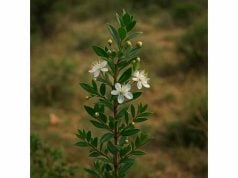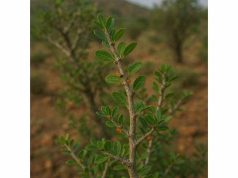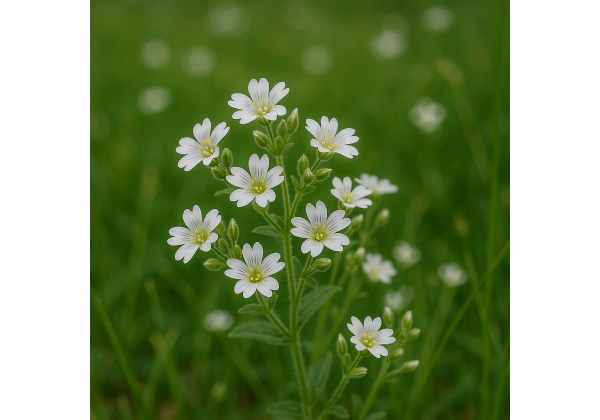
Mouse-ear chickweed, Cerastium fontanum, is a low-growing, softly hairy plant in the pink family that often appears in meadows, lawns, roadside edges, and mountain grasslands. It is easy to overlook because it looks modest, but in traditional plant use it has been valued for soothing skin problems, easing minor inflammatory discomfort, and serving as a gentle whole-herb remedy in some regional systems. Compared with better-known medicinal herbs, it has a quieter profile and a thinner research base, yet it remains interesting because folk use, family chemistry, and a small body of preclinical research point in similar directions.
What makes mouse-ear chickweed worth a closer look is not dramatic potency but versatility. It has been associated with anti-inflammatory, antioxidant, antimicrobial, and skin-supportive actions, while whole-plant use suggests a mild, cooling, and softening character. At the same time, most claims still rely on ethnobotanical records, family-level phytochemistry, and limited laboratory studies rather than strong human trials. That means it is best approached as a cautious traditional herb, not a proven treatment. Understanding its likely compounds, realistic uses, and safety limits helps place it in the right context.
Fast Facts
- Mouse-ear chickweed may offer mild skin-soothing and anti-inflammatory support in traditional topical use.
- Early research suggests antioxidant and antibacterial potential, but human evidence remains limited.
- A cautious tea range is about 1 to 2 g dried whole herb per 200 to 250 mL hot water.
- Pregnant or breastfeeding adults, children, and people using anticoagulants or multiple prescription medicines should avoid concentrated self-treatment unless a clinician approves.
Table of Contents
- What mouse-ear chickweed is and how it differs from other chickweeds
- Key ingredients and the compounds most likely behind its effects
- Mouse-ear chickweed benefits and where the evidence is strongest
- Traditional uses, topical applications, and practical herbal roles
- How to use mouse-ear chickweed: forms, preparation, and quality
- Dosage, timing, and how long to try it
- Safety, side effects, interactions, and who should avoid it
What mouse-ear chickweed is and how it differs from other chickweeds
Mouse-ear chickweed, Cerastium fontanum, is a mat-forming herb in the Caryophyllaceae family. It is usually perennial, though it may behave more flexibly depending on climate and growing conditions. The plant has opposite leaves, small white flowers, and stems and leaves covered in noticeable hairs, which give it the soft “mouse-ear” look that inspired its common name. It spreads across open ground and can be found in temperate regions around the world.
One of the first practical points about this herb is that it is often confused with common chickweed, Stellaria media. The two plants share a low habit and small white flowers, but they are not the same species. Stellaria media is smoother, juicier, and far more widely discussed in Western herbal writing, especially as a fresh spring edible and skin herb. Mouse-ear chickweed is hairier, tougher in texture, and less prominent in modern commercial herbalism. That difference matters because people sometimes transfer the uses of common chickweed directly onto Cerastium fontanum without much evidence.
Even so, mouse-ear chickweed has its own traditional history. Ethnobotanical records from different regions describe use of the whole plant for skin complaints, inflammatory conditions, heat-related discomfort, and detoxifying or cleansing purposes. In some traditions it appears in external preparations, while in others it is decocted or ground for internal use. These uses should be treated as historical guidance rather than proof, but they help show why the plant stayed in local practice.
The plant’s family background is also useful. Caryophyllaceae species are known for containing saponins, flavonoids, phenolic compounds, and other bioactive constituents. That does not automatically tell us exactly what mouse-ear chickweed does, but it makes its anti-inflammatory and skin-oriented reputation easier to understand. In this sense, it belongs to a broader group of soft-textured field herbs that have been used for irritation, inflammation, and local soothing rather than for strong stimulant or tonic effects.
Its personality is best described as modest. Mouse-ear chickweed is not a showy adaptogen, a famous digestive bitter, or an aggressive antimicrobial herb. It is more likely to be useful in gentle support contexts, especially where cooling, softening, or topical use make sense. That puts it closer in spirit to other simple field herbs used for skin and surface irritation than to highly concentrated extract plants.
For readers, the main takeaway is that correct identification matters more than it may seem. Mouse-ear chickweed is a distinct species with overlapping but not identical qualities compared with common chickweed. It is best understood as a traditional, lightly researched herb with a plausible place in skin support and mild inflammation-oriented herbal practice.
Key ingredients and the compounds most likely behind its effects
Mouse-ear chickweed is not one of the most chemically mapped medicinal herbs, so any discussion of its key ingredients has to be honest about the evidence. The plant itself has limited detailed phytochemical literature compared with major medicinal species, but the available studies and broader Caryophyllaceae research suggest several likely classes of constituents that help explain its traditional uses and early biological findings.
The first major group is saponins. Caryophyllaceae plants are well known for these soap-forming compounds, and the family’s characteristic ability to produce foam in water has long been noted. Saponins are relevant because they are frequently associated with membrane activity, surface effects, and a range of anti-inflammatory, immune-modulating, and antimicrobial properties. Their presence does not prove a specific therapeutic outcome, but it makes skin and cleansing-related use more plausible.
The second important group is flavonoids and phenolic compounds. These plant chemicals often contribute antioxidant and anti-inflammatory effects, and they are commonly found in herbaceous medicinal plants with a gentle, cooling reputation. The 2021 in vitro work on Cerastium fontanum reported antioxidant activity in several extracts, which strongly suggests meaningful phenolic content even if the exact compound profile is not yet fully standardized in the literature.
The third likely group includes tannins and other polyphenolic substances. These may help explain traditional use in skin disorders and inflammatory conditions, because tannin-rich plants often have astringent, calming, and tissue-supportive roles. That would fit the idea of mouse-ear chickweed as an herb used more for local balance and surface complaints than for dramatic systemic action.
Researchers discussing Caryophyllaceae plants also mention:
- benzenoids and phenylpropanoids
- nitrogen-containing compounds
- phytoecdysteroids in some related species
- antioxidant-rich secondary metabolites
- surface-active constituents that may influence extraction behavior
The most practical message is that mouse-ear chickweed seems to work through a whole-herb pattern rather than a single famous active ingredient. This is different from herbs such as milk thistle, where one named complex dominates the discussion, or horopito, where polygodial clearly defines the plant. Mouse-ear chickweed appears more like a mild, mixed-constituent herb whose value comes from the combined effect of several classes of compounds.
That chemistry also explains why water-based preparations may still be meaningful. If the herb’s value rests partly in saponins, flavonoids, and phenolics, then infusions and decoctions can reasonably capture at least part of its active spectrum. At the same time, extraction method still matters. Alcohol extracts, aqueous extracts, and whole fresh plant applications may each highlight different aspects of the herb.
For readers familiar with simple antioxidant and soothing herbs, mouse-ear chickweed is best seen as belonging to the same broad functional world as other softening and mild mucosal-supportive herbs, even though the chemistry is not identical. It is not especially concentrated, but it is plausibly active in a gentle way.
The safest conclusion is that mouse-ear chickweed likely contains saponins, flavonoids, phenolic compounds, and other secondary metabolites that support antioxidant, anti-inflammatory, and mild antimicrobial activity. The chemistry is credible, but it still needs better characterization before the herb can be discussed with the certainty used for more thoroughly studied plants.
Mouse-ear chickweed benefits and where the evidence is strongest
When people search for the benefits of mouse-ear chickweed, they often expect a clear list with strong proof behind each item. This is not that kind of herb. The evidence is much thinner, and the most responsible approach is to rank its likely benefits by plausibility rather than by hype.
The most credible benefit area is skin support. Ethnobotanical records and review literature describe Cerastium fontanum as a plant used for skin diseases and inflammatory skin complaints. That matches the broader behavior of many small field herbs used in washes, poultices, or external preparations for irritated, inflamed, or troubled skin. It also aligns with the plant’s likely chemistry, especially if saponins, tannins, and polyphenols are involved.
A second plausible benefit is anti-inflammatory support. Review sources that mention the plant often pair it with anti-inflammatory traditional use, and antioxidant-rich extracts would be consistent with that. Still, this is mostly indirect evidence rather than proof from strong human trials. A better phrasing is that mouse-ear chickweed may help calm mild inflammatory states, especially topically, rather than that it “treats inflammation” in a broad medical sense.
A third emerging area is antioxidant and antibacterial activity. The 2021 in vitro study on Cerastium fontanum reported antioxidant potential and antibacterial action in several extracts, especially in the aqueous fraction against Staphylococcus aureus and Escherichia coli. Laboratory findings are useful because they show the plant is not chemically inert. But they do not establish how well a cup of tea or a topical wash will perform in real-world use.
Traditional sources also suggest roles in:
- cleansing or detoxifying formulas
- mild digestive discomfort
- heat-related conditions in traditional systems
- general whole-plant herbal support
- external applications for sores or irritated tissue
Those uses deserve caution. They may be rooted in long-standing practice, but they are not yet strongly supported by clinical evidence. In fact, the plant’s main strength may be that several different lines of evidence all point toward the same general profile: a mild herb with antioxidant, anti-inflammatory, and skin-oriented potential.
It is also important to say what the herb is not. Mouse-ear chickweed is not a proven antimicrobial treatment, not a validated wound-healing drug, and not an herb with strong modern clinical backing for internal use. It is better understood as a traditional support herb that may be useful in minor, low-risk contexts.
Compared with better-known soothing herbs, it probably sits closest to traditional skin herbs used for gentle external support, though calendula has a much stronger modern reputation and evidence base. That comparison helps place mouse-ear chickweed properly: interesting, plausible, but still secondary to more established options.
The most balanced summary is this:
- strongest plausibility for skin and topical support
- moderate plausibility for antioxidant and anti-inflammatory effects
- early laboratory evidence for antibacterial potential
- weaker evidence for broad internal therapeutic claims
That may sound restrained, but restraint is part of being accurate. Mouse-ear chickweed seems promising precisely because the modest evidence it has points in a coherent direction. It simply has not yet been studied enough to justify bigger claims.
Traditional uses, topical applications, and practical herbal roles
Mouse-ear chickweed is best appreciated as a practical folk herb rather than a modern supplement star. Its traditional roles are small-scale, everyday, and local. That kind of history is often easy to dismiss, but it can tell us a great deal about how a plant was actually trusted in lived settings.
In ethnobotanical records, Cerastium fontanum has been used for skin diseases, anti-inflammatory purposes, and “heat-clearing” or detoxifying functions. In some traditions, the whole plant is ground or decocted; in others, external application appears more central. This kind of use pattern matters because it suggests the herb was not prized for a single dramatic action. Instead, it was valued as a general-purpose soft herb for irritated or inflamed states.
Topical use is the easiest traditional role to understand. Hairy chickweed-type plants are often associated with moist, cooling, and softening applications. They lend themselves to washes, poultices, and compresses. In practical terms, that means mouse-ear chickweed may be most at home in low-stakes topical contexts, such as simple skin-support washes or combined herbal preparations for minor irritation. This is also where its limited evidence lines up best with its traditional use.
Common traditional-style roles include:
- skin-soothing washes
- poultices for minor irritated areas
- decoctions in local herbal systems
- support herbs in broader anti-inflammatory formulas
- general cleansing or cooling whole-herb preparations
For readers used to stronger commercial herbs, mouse-ear chickweed can seem underwhelming. But that is partly because folk herbs often work through repetition, gentleness, and context rather than through a strong immediate sensation. A simple wash used regularly may matter more than a “powerful” capsule used without clear purpose.
Its practical role is similar to other low-profile herbs that support the body’s surface rather than driving dramatic systemic change. That may be why it is easier to compare it with traditional topical and skin-oriented botanicals than with mainstream ingestible supplements. Mouse-ear chickweed is not really a performance herb. It is a home-use herb.
That also means it is probably most useful when kept simple. A single-herb infusion for a wash, a modest internal tea, or a carefully identified fresh herb used traditionally makes more sense than highly engineered claims about detox, immunity, or chronic disease treatment. As soon as the claims become broader, the evidence becomes thinner.
Another practical issue is confusion with common chickweed and related field herbs. Traditional use may overlap, but species substitution can muddy expectations. Someone expecting the juicy softness of Stellaria media may find mouse-ear chickweed rougher and less pleasant fresh. That is not a problem, but it does change how one might prepare and use it.
Overall, the plant’s practical herbal role is modest but respectable. It fits well into gentle topical care, minor inflammatory support, and simple whole-herb traditions. It does not need to be made into something larger than that to be useful.
How to use mouse-ear chickweed: forms, preparation, and quality
Mouse-ear chickweed is not a mainstream commercial herb, so most people who use it are more likely to work with the dried whole herb, the fresh plant, or an herbal blend than with a standardized capsule. That makes preparation and identification especially important.
The main usable forms are:
- fresh whole herb
- dried aerial parts or whole plant
- tea or decoction
- topical wash or compress
- poultice-style fresh preparation
- occasional inclusion in mixed herbal formulas
Fresh use can be appealing, but this is not the most forgiving wild herb. The plant must be correctly identified, harvested from clean ground, and handled with care. Because it often grows in lawns, paths, and grazed areas, contamination from pesticides, pet waste, or roadside exposure is a real concern. If you are not fully confident in identification and harvest conditions, dried herb from a trusted source is a safer choice.
For internal use, the simplest preparation is a mild infusion or decoction. The herb’s likely active classes, including saponins and phenolic compounds, make water-based preparations reasonable. Because mouse-ear chickweed is not strongly aromatic, covering the cup is less about volatile oils and more about keeping the preparation clean and warm. If the taste is grassy, slightly bitter, or bland, that is normal. This is not an herb chosen for pleasure alone.
For topical use, a stronger infusion or short decoction may be more practical. This can then be cooled and used as a wash, compress, or cloth-soak for minor, non-serious skin irritation. In that role it behaves more like a simple field herb than like a concentrated medicinal extract. People interested in surface-soothing herb care may also compare it with other traditional herbs used for skin and tissue support, while remembering that mouse-ear chickweed has a lighter evidence base.
A few basic quality rules matter:
- make sure the plant is correctly identified as Cerastium fontanum
- avoid harvesting from polluted or chemically treated ground
- use herb that still looks and smells fresh rather than dusty or moldy
- start with simple preparations before trying combinations
- avoid assuming all chickweed-like plants are interchangeable
Because the herb is not well standardized, product quality can vary widely. A wildcrafted sample gathered in spring may differ from a dried whole-herb batch sold online. The safest way to think about quality is not “How potent is this?” but “Is this actually the right herb, cleanly prepared, and appropriate for the use I have in mind?”
Mouse-ear chickweed also seems better suited to traditional preparations than to aggressive extraction. At its current level of evidence, there is little reason to chase highly concentrated forms. The plant’s value appears to lie in its whole-herb profile, especially for gentle topical or low-intensity internal use.
In short, the best use strategy is careful identification, modest preparation, and realistic purpose. This is a herb to work with gently, not to push beyond what its evidence and character support.
Dosage, timing, and how long to try it
Because mouse-ear chickweed lacks strong clinical dosing studies, the safest dosage guidance is conservative and practical. This is a herb where tradition can suggest direction, but exact therapeutic dosing remains uncertain.
For internal tea use, a cautious everyday range is:
- 1 to 2 g dried whole herb per 200 to 250 mL hot water
That can usually be taken once or twice daily for a short trial period. If using fresh herb, the amount is harder to standardize because water content varies, but a small handful of fresh aerial parts for one cup is a reasonable traditional-style starting point. Since the plant is not strongly stimulating or sedating, timing is less important than consistency.
For topical preparations, a somewhat stronger infusion or short decoction is common. In practice, people often use more herb per cup when the liquid is intended as a wash or compress rather than as a drink. The exact amount matters less than skin tolerance and cleanliness of the preparation.
A sensible internal trial looks like this:
- start with one cup daily
- use the same preparation for several days
- watch for digestive or skin reactions
- increase only if the herb is well tolerated
- reassess after one to two weeks
That last step is important. Mouse-ear chickweed is not an herb that should be taken indefinitely just because it seems mild. If the intended benefit is not clear after a short structured trial, it is reasonable to stop.
Timing by purpose can be simple:
- for topical support, use the wash or compress as needed
- for general internal herbal support, take with meals if the stomach is sensitive
- for cooling or inflammatory patterns in traditional use, timing is less important than moderate consistency
The herb’s best fit may be short-term or intermittent use rather than long-term daily reliance. This is especially true because its evidence base is still limited. Herbal routines work best when a plant earns its place by helping in a noticeable way, not by remaining in use out of habit.
One practical dosing comparison is helpful. Mouse-ear chickweed is not like peppermint, where a strong cup can quickly change the feel of digestion, nor like valerian, where dose can shape sedation. It is subtler than that. Its action may show up more as gradual soothing or topical benefit than as an immediate internal effect. Readers who expect a dramatic response may be tempted to overuse it, which is not a good idea.
If combining mouse-ear chickweed with other gentle herbs, such as traditional whole-herb support plants, start with low amounts and keep the formula simple. Too many herbs at once make it hard to judge what is happening.
Overall, a restrained approach is best: modest doses, short trials, simple preparations, and regular reassessment. That keeps the herb aligned with both its traditional role and its still-developing evidence base.
Safety, side effects, interactions, and who should avoid it
Mouse-ear chickweed is generally discussed as a mild herb, but “mild” should not be confused with fully studied or universally safe. Safety data are limited, especially for internal medicinal use, and that means caution is part of responsible use.
Possible side effects are likely to be modest and may include:
- stomach upset or nausea in sensitive users
- loose stools with larger doses of whole herb or saponin-rich preparations
- skin irritation or rash from topical contact in sensitive people
- allergic reaction in those prone to plant sensitivity
- contamination-related problems if wild herb is harvested from poor locations
The last point is especially important. Because mouse-ear chickweed often grows in ordinary disturbed places, the biggest real-world safety issue may not be the plant itself but the site where it is collected. Lawns, roadsides, and pasture edges can carry herbicides, heavy metals, or biological contaminants. This makes careful sourcing more important than it might be for cultivated commercial herbs.
Pregnancy and breastfeeding are also caution zones. There is not enough good human safety evidence to recommend medicinal use in these groups. The same applies to children, especially for internal use. Traditional use alone is not enough to justify modern unsupervised dosing in vulnerable populations.
Drug interaction data are sparse, but caution is reasonable with:
- anticoagulants or antiplatelet medications, because some traditional and review sources associate the plant or related uses with blood-related effects
- multiple prescription medicines, where unstudied herbs add uncertainty
- strong diuretics or laxatives, if the person is using several “cleansing” herbs together
- topical medicated products, where mixing multiple treatments can confuse reactions
Another safety issue is mistaken identity. Chickweed-like plants are easy to confuse in the field, and not every small white-flowered groundcover is appropriate for the same use. Accurate botanical identification is not a luxury here. It is essential.
Who should avoid self-starting mouse-ear chickweed in medicinal amounts?
- pregnant adults
- breastfeeding adults
- infants and young children
- people taking blood-thinning medication
- anyone with a history of strong plant allergies
- those unsure of the plant’s identity or harvest environment
Topical use deserves a brief patch test if the skin is reactive. Even gentle herbs can irritate compromised skin, especially if the preparation is old, contaminated, or too concentrated. If redness or itching worsens, stop rather than assuming the herb is “drawing something out.”
A sensible safety checklist is straightforward:
- identify the plant correctly
- use clean, well-sourced material
- start with small doses
- avoid concentrated self-experiments
- stop if symptoms worsen or if irritation develops
Mouse-ear chickweed appears to be a relatively gentle traditional herb, especially for topical and short-term use. But it remains under-researched. The safest path is to treat it with the same respect you would give any medicinal plant: modest doses, careful sourcing, and clear reasons for use.
References
- Medicinal plants of the family Caryophyllaceae: a review of ethno-medicinal uses and pharmacological properties 2017 (Review)
- Herbal Arsenal against Skin Ailments: A Review Supported by In Silico Molecular Docking Studies 2022 (Review)
- IN VITRO ANTIOXIDANT AND ANTIBACTERIAL POTENTIAL OF MEDICINAL PLANT CERASTIUM FONTANUM 2021 (Research Article)
- Diversity and traditional knowledge of medicinal plants used by Shui people in Southwest China 2023 (Ethnobotanical Study)
Disclaimer
This article is for educational purposes only and is not medical advice, diagnosis, or treatment. Mouse-ear chickweed has a limited evidence base, and many of its reported benefits depend on traditional use, family-level phytochemistry, and early laboratory research rather than strong clinical trials. Speak with a qualified healthcare professional before using it medicinally, especially if you are pregnant, breastfeeding, giving herbs to a child, taking prescription medication, or planning to harvest and use wild plants.
If you found this article helpful, please share it on Facebook, X, or your preferred platform so others can find careful, balanced information about mouse-ear chickweed.