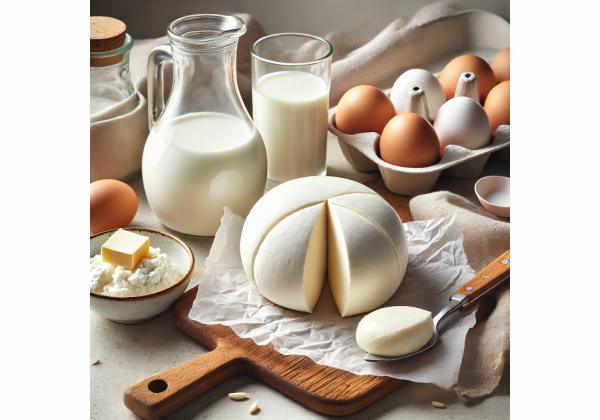
Mozzarella sits at a rare crossroads: beloved by home cooks, essential to pizzerias, and versatile enough for salads, sandwiches, and baked dishes. Traditionally spun from cow’s milk (or buffalo milk for mozzarella di bufala), this “pasta filata” cheese is kneaded and stretched while warm, giving it that signature pull and supple texture. Two broad styles dominate markets: fresh mozzarella—mild, moist, and delicate—and low-moisture mozzarella—firmer, saltier, and unmatched for browning and melt on hot dishes. Nutritionally, mozzarella delivers high-quality protein, generous calcium and phosphorus, and very little carbohydrate. The trade-offs are saturated fat and sodium, which differ widely by style and brand. When you choose pasteurized products, handle them safely, and build meals around produce, whole grains, and lean proteins, mozzarella can be a flavorful, nutrient-dense part of an everyday diet. This guide covers what matters most: how mozzarella is made, what to look for on labels, the numbers per 100 g, evidence-backed benefits and risks, smart storage, and practical ways to cook for the best taste and nutrition.
Top Highlights
- Delivers ~22–25 g protein and ~35–55% DV calcium per 100 g, with minimal carbohydrate.
- Typical serving is 28 g (1 oz) for low-moisture or 56 g (2 oz) for fresh; enjoy several times weekly within a balanced pattern.
- Safety note: choose pasteurized mozzarella; people at higher risk should avoid raw-milk soft cheeses and deli-sliced cheeses unless heated until steaming.
- People who should limit or avoid: those with milk allergy, individuals on strict low-sodium or low-saturated-fat diets, and anyone on MAOIs who is sensitive to aged cheese amines.
Table of Contents
- Mozzarella overview and types
- Mozzarella nutrition profile
- Evidence-based benefits of mozzarella
- Risks, allergies and interactions
- Selecting quality, sustainability and storage
- Preparation, cooking and nutrient retention
- Portions, comparisons and FAQs
Mozzarella overview and types
Mozzarella belongs to the pasta filata (stretched-curd) family. After milk is inoculated with starter cultures and set with rennet, the curd is cut, heated, and kneaded in hot whey or water until stretchy. This alignment of proteins forms the familiar elastic strands that make mozzarella tear cleanly and melt into long, glossy pulls. Salt is then added either in the curd or by brining, and the cheese is shaped into balls, logs, or blocks. Two broad styles shape how mozzarella behaves in your kitchen:
- Fresh mozzarella (fior di latte or mozzarella di bufala): Packed in whey or light brine, with high moisture and a soft, delicate bite. Flavor is milky and clean, sometimes faintly tangy. Best eaten cool or at room temperature where its tenderness shines—think Caprese salads, crostini, and quick, gentle melts.
- Low-moisture mozzarella (whole milk or part-skim): Drained and aged briefly to reduce moisture, yielding a firmer texture that shreds and browns well. This is the workhorse for pizza, lasagna, baked pastas, and casseroles.
There are also smoked versions, which add savory depth to antipasti and grilled dishes, and pre-shredded formats, which are convenient but often include anti-caking agents and sometimes natamycin (a surface mold inhibitor). Buffalo-milk mozzarella (mozzarella di bufala) offers a richer flavor and softer texture with higher moisture; it’s wonderful for salads and finishing pizzas after baking.
From a nutrition perspective, mozzarella is protein-dense and calcium-rich, with very little carbohydrate because most lactose drains away with the whey. Sodium and saturated fat vary by style—fresh mozzarella is typically lower in both than low-moisture blocks, though brands differ. Because it’s a semi-soft to soft cheese, mozzarella should be pasteurized for people who are pregnant, older adults, or immunocompromised; raw-milk soft cheeses carry higher risk of pathogens.
Culinarily, mozzarella acts as a flavor bridge: mild enough not to overpower vegetables or lean proteins, yet rich enough to provide comfort and cohesion in a dish. It pairs with tomatoes, basil, roasted peppers, grilled zucchini, mushrooms, whole grains, and beans. In hot applications, low-moisture mozzarella offers superior stretch and browning; for cool plates, fresh mozzarella brings creaminess and moisture that elevate produce. In both roles, using smaller amounts strategically—layered with herbs, acidity, and texture—delivers satisfaction with fewer calories.
Finally, a note on quality cues: fresh mozzarella should have a thin, moist skin, a resilient but tender interior, and a fresh dairy aroma. Low-moisture mozzarella should grate cleanly without crumbling and melt into even strands without oily separation when used properly.
Mozzarella nutrition profile
Values below are per 100 g and represent typical ranges for two common retail styles. Exact numbers vary by milk composition, salt level, and brand. Use package labels for precise data.
Macros and electrolytes (per 100 g)
Fresh mozzarella (whole milk, packed in brine)
| Nutrient | Amount | %DV |
|---|---|---|
| Energy | ~280 kcal | — |
| Protein | ~22.0 g | 44% |
| Total Fat | ~20.0 g | 26% |
| Saturated Fat | ~12.5 g | 63% |
| Carbohydrate (total) | ~2.0 g | 1% |
| Total Sugars | ~1.0 g | — |
| Dietary Fiber | 0 g | 0% |
| Sodium | ~320 mg | 14% |
| Potassium | ~85 mg | 2% |
| Cholesterol | ~65 mg | — |
| Water | ~54 g | — |
Low-moisture mozzarella (part-skim)
| Nutrient | Amount | %DV |
|---|---|---|
| Energy | ~295 kcal | — |
| Protein | ~24.3 g | 49% |
| Total Fat | ~20.5 g | 26% |
| Saturated Fat | ~12.2 g | 61% |
| Carbohydrate (total) | ~2.8 g | 1% |
| Total Sugars | ~1.6 g | — |
| Dietary Fiber | 0 g | 0% |
| Sodium | ~680 mg | 30% |
| Potassium | ~95 mg | 2% |
| Cholesterol | ~85 mg | — |
| Water | ~47 g | — |
Vitamins (per 100 g, typical ranges)
| Vitamin | Fresh Mozzarella | %DV | Low-Moisture (Part-Skim) | %DV |
|---|---|---|---|---|
| Vitamin A (RAE) | ~170–220 µg | 19–24% | ~220–260 µg | 24–29% |
| Vitamin B12 (Cobalamin) | ~0.8–1.2 µg | 33–50% | ~1.0–1.2 µg | 42–50% |
| Riboflavin (B2) | ~0.25–0.35 mg | 19–27% | ~0.30–0.40 mg | 23–31% |
| Vitamin D | ~0.1–0.4 µg | 1–2% | ~0.2–0.5 µg | 1–3% |
Minerals (per 100 g, typical ranges)
| Mineral | Fresh Mozzarella | %DV | Low-Moisture (Part-Skim) | %DV |
|---|---|---|---|---|
| Calcium | ~350–500 mg | 27–38% | ~650–750 mg | 50–58% |
| Phosphorus | ~280–400 mg | 22–32% | ~450–520 mg | 36–42% |
| Zinc | ~2.0–2.5 mg | 18–23% | ~2.5–3.0 mg | 23–27% |
| Selenium | ~12–16 µg | 22–29% | ~14–18 µg | 25–33% |
| Iodine | Variable | — | Variable | — |
Fats and fatty acids (per 100 g, typical)
| Component | Fresh Mozzarella | Low-Moisture (Part-Skim) |
|---|---|---|
| Saturated Fatty Acids | ~12.5 g | ~12.2 g |
| Monounsaturated Fatty Acids | ~6–7 g | ~6–8 g |
| Polyunsaturated Fatty Acids | ~0.6–1.0 g | ~0.6–1.0 g |
Protein and amino acids
Mozzarella provides complete dairy protein (casein and whey) with all essential amino acids. The pasta filata process also preserves the milk fat globule membrane (MFGM) fragments and creates a cohesive matrix of proteins, minerals, and fats that can influence digestion and metabolic responses.
Carbohydrates
Residual lactose is low because whey (where most lactose resides) is drained and cultures consume some of what remains. Per 100 g, total carbohydrates typically stay under 3 g.
Allergens and intolerance markers
- Contains milk proteins (casein, whey) and lactose (usually small amounts).
- Biogenic amines (tyramine, histamine) remain very low in fresh mozzarella but can rise slightly in longer-aged or smoked products; still far below levels typical of strongly aged cheeses.
Additives and fortification
- Pre-shredded mozzarella may include cellulose (anti-caking) and natamycin (surface mold inhibitor).
- Fortification (e.g., vitamin D) is uncommon in natural mozzarella.
Glycemic and acid–base metrics
- Minimal glycemic impact due to very low carbohydrate.
- Acid-forming in potential renal acid load (PRAL) scoring; balance with plenty of vegetables and fruit.
Reference %DVs (adults on a 2,000 kcal diet): Protein 50 g; Total Fat 78 g; Saturated Fat 20 g; Carbohydrate 275 g; Sodium 2,300 mg; Potassium 4,700 mg; Calcium 1,300 mg; Phosphorus 1,250 mg; Zinc 11 mg; Selenium 55 µg; Vitamin A 900 µg RAE; Vitamin B12 2.4 µg; Vitamin D 20 µg.
Evidence-based benefits of mozzarella
1) Protein quality for fullness and repair
Per 100 g, mozzarella provides roughly 22–25 g of complete protein with all essential amino acids. Even modest servings—28 g (1 oz) of low-moisture or 56 g (2 oz) of fresh—add 7–14 g protein to a meal. Protein increases satiety and supports muscle repair after activity. Pairing mozzarella with fiber-rich sides (tomatoes, leafy greens, beans, whole grains) improves fullness and nutrient density without relying on large cheese portions.
2) Calcium and phosphorus for bone health
Mozzarella is a practical way to raise calcium and phosphorus intake, two minerals central to bone modeling and remodeling. Low-moisture mozzarella often provides 50–58% DV for calcium per 100 g, while fresh versions range around 27–38% DV. Using small amounts daily across meals (salads, grain bowls, vegetable bakes) can help close calcium gaps for people who are not milk drinkers.
3) The dairy matrix may temper lipid effects
Cheese does not behave like isolated dairy fat. Research examining the “dairy matrix”—the combined structure of proteins, minerals, fats, and fermentation—suggests cheese can have a neutral or modestly favorable effect on blood lipids compared with butter providing the same fat load. Meta-analyses and reviews show that replacing butter with cheese often results in lower LDL cholesterol or neutral effects. This does not grant carte blanche, but it means mozzarella can fit into heart-conscious patterns when eaten in moderate amounts alongside unsaturated fats (olive oil, nuts), vegetables, legumes, and whole grains.
4) Weight and metabolic context
Observational and clinical work generally shows neutral relationships between moderate dairy intake (including cheese) and cardiometabolic outcomes when calories are controlled and lifestyle is considered. Part-skim mozzarella offers a notably strong protein-to-calorie ratio among cheeses, which can help with appetite regulation when used to replace ultra-processed, lower-protein snacks.
5) Oral health adjunct
Cheese stimulates saliva flow and supplies calcium and phosphate that help buffer mouth acidity after meals. Finishing a meal with a small piece of cheese—fresh or low-moisture mozzarella—can support enamel maintenance as part of good dental hygiene.
6) Practical culinary benefits that support healthier eating
- Stretch and melt at lower quantities: Because mozzarella melts and stretches efficiently, thin layers or modest shreds spread flavor and texture widely through a dish.
- Pairs easily with produce: Caprese salads, roasted vegetable pizzas, and whole-grain flatbreads with fresh mozzarella demonstrate how cheese can elevate produce-forward meals.
- Lower sodium options exist: Fresh mozzarella generally carries less sodium than low-moisture blocks. Where sodium budgeting is important, reach for fresh styles or smaller amounts of low-moisture paired with flavorful vegetables and herbs.
How to realize these benefits in daily meals
- Use 28 g (1 oz) low-moisture mozzarella on pizza and fill the rest of the surface with vegetables.
- Build Caprese-style bowls with cherry tomatoes, basil, farro or quinoa, and 56 g (2 oz) fresh mozzarella; finish with olive oil and vinegar.
- Make veg-forward quesadillas with sautéed peppers and onions and half the usual cheese; you’ll keep the melt and cut calories and sodium.
Risks, allergies and interactions
Saturated fat and sodium
Mozzarella’s downsides are mainly saturated fat and sodium. Per 28 g (1 oz) of low-moisture mozzarella, you’ll typically see ~5 g saturated fat and ~150–200 mg sodium; fresh mozzarella is usually lower in both but varies widely by brine strength and brand. People managing LDL cholesterol or blood pressure should budget cheese servings within daily limits and emphasize vegetables, legumes, fruits, whole grains, and unsaturated fats throughout the day.
Milk allergy versus lactose intolerance
- Milk allergy is an immune reaction to milk proteins (casein and whey). Anyone with confirmed milk allergy should avoid mozzarella entirely unless expressly cleared by an allergist.
- Lactose intolerance arises from low lactase enzyme levels. Mozzarella is relatively low in lactose compared with milk, and many people tolerate small servings, especially with meals. Tolerance is individual; start small and observe.
Food safety and higher-risk groups
Soft, fresh cheeses made from raw (unpasteurized) milk are higher risk for pathogens such as Listeria. People who are pregnant, 65 or older, or immunocompromised should choose mozzarella made from pasteurized milk and keep it properly refrigerated. Deli-sliced cheeses can be riskier due to cross-contamination; heating until steaming hot reduces risk when in doubt.
Biogenic amines and medications
Mozzarella—especially fresh styles—tends to be low in tyramine and histamine compared with long-aged cheeses. However, smoked or longer-aged low-moisture versions can contain more. Individuals taking monoamine oxidase inhibitors (MAOIs) should follow clinical guidance on fermented and aged foods.
Additives and sensitivities
Pre-shredded mozzarella often contains cellulose (to prevent clumping) and may have natamycin applied to the surface. These are widely used and considered safe; if you prefer fewer additives, buy block cheese and shred at home. Smoked mozzarella should list the smoking process or natural smoke flavor; choose reputable brands to avoid off-flavors.
Cross-contact and dietary preferences
Vegetarians who avoid animal rennet should seek microbial or vegetable rennet on the label. Gluten is not a natural component of cheese; most plain mozzarellas are gluten-free, though flavored or coated products should be checked.
Who should limit or avoid mozzarella
- People with milk allergy.
- Individuals on low-sodium or low-saturated-fat therapeutic diets (use smaller portions and choose fresh styles when appropriate).
- Pregnant or immunocompromised persons should strictly choose pasteurized mozzarella and maintain refrigerator temperatures at 1–4 °C.
Selecting quality, sustainability and storage
How to choose mozzarella that fits your needs
- Cooking style drives choice:
- For pizza and baking, pick low-moisture mozzarella (whole milk for richer browning; part-skim for leaner melt and less pooling).
- For salads and cold plates, select fresh mozzarella—balls, ciliegine, or bocconcini—packed in brine or whey.
- Read the label: Look for pasteurized milk, check sodium per serving (fresh often ranges ~150–300 mg per 28 g; low-moisture often ~150–200 mg), and review the ingredient list. Pre-shredded products may include cellulose or potato starch as anti-caking agents.
- Rennet source: If vegetarian, choose cheeses labeled microbial/vegetable rennet.
Quality cues at purchase
- Fresh mozzarella: Should be moist but not waterlogged, with a clean, milky aroma. The surface should be smooth and elastic; interior should be tender and slightly layered. Very sour smell or sliminess suggests poor handling.
- Low-moisture mozzarella: Blocks should feel firm and elastic, without cracks. Shreds should be free-flowing with minimal powdery residue.
Sustainability and animal welfare
- Buy regional when possible to reduce transport emissions and support responsible dairies.
- Seek brands that communicate animal welfare practices, pasture access, and sustainable feed where it matters to you.
- Opt for larger blocks if you cook often; they use less packaging per serving than multiple small bags.
- Reduce waste by planning “use-it-up” dishes—flatbreads, frittatas, vegetable gratins—when you open a new pack.
Storage and shelf life
- Refrigeration: Keep at 1–4 °C (34–39 °F). Avoid the refrigerator door.
- Fresh mozzarella: Store submerged in its liquid. Once opened, replace brine with lightly salted water if needed and use within 3–5 days for best texture.
- Low-moisture mozzarella: Keep wrapped airtight. Once opened, it keeps 2–3 weeks if well wrapped and cold.
- Freezing: Shredded low-moisture mozzarella freezes well for 2–3 months in small bags; thaw overnight in the refrigerator. Fresh mozzarella does not freeze gracefully—use promptly.
- Mold management: Harder, low-moisture blocks with a small surface mold spot can be saved by trimming at least 2.5 cm (1 inch) around and below the spot, then rewrapping. Discard pre-shredded cheese or fresh mozzarella if mold appears.
Food safety habits
- Keep mozzarella cold during transport; use an insulated bag for warm-weather trips.
- Avoid prolonged room-temperature holding on buffets.
- For higher-risk groups, heat deli-sliced cheese until steaming before eating.
Preparation, cooking and nutrient retention
Mastering melt and browning
- Dry the surface: For pizza and bakes, pat fresh mozzarella dry and cut into small pieces; excess moisture causes soupy tops and inhibits browning.
- Choose the right fat level: Whole-milk low-moisture browns deepest and stretches longest; part-skim melts cleanly with less fat pooling and slightly lighter flavor.
- Grate cold: Chill blocks for 10–15 minutes before grating to get fine, even shreds that melt quickly.
- Layer smartly: Place vegetables underneath or pre-roast water-rich toppings (mushrooms, peppers) to avoid sogginess and use less cheese without sacrificing satisfaction.
Sauces and emulsions
- Build a stabilized base with a small amount of starch (e.g., 1 teaspoon cornstarch per cup of cheese) and hot milk or broth. Remove from heat, then whisk in mozzarella gradually for a glossy, lump-free sauce.
- Add a touch of acid (tomato, roasted pepper purée, a little vinegar) to brighten flavor so you can use smaller portions.
Flavor-forward ideas that stretch portions
- Caprese grain bowl: Farro, cherry tomatoes, basil, arugula, 56 g fresh mozzarella, olive oil, and balsamic.
- Vegetable sheet-pan pizza: Pre-roast zucchini, mushrooms, and onions; top with 28–42 g low-moisture mozzarella per slice and a sprinkle of herbs.
- Stuffed chicken or peppers: Use 28 g mozzarella plus bold accents like sun-dried tomatoes, pesto, or olives.
Nutrient retention
- Minerals (calcium, phosphorus, zinc): Heat-stable and well retained in typical cooking.
- Vitamin B12: Fairly stable in quick melts; prolonged high heat can reduce content—add cheese toward the end of cooking when practical.
- Fat quality: Baking and broiling maintain the fat profile; deep-frying significantly increases calories and may introduce additional oils.
- Sodium strategy: Because cheese contributes salt, salt at the end after the cheese has melted, and lean on herbs, garlic, citrus, or chiles for flavor lift.
Food safety in the kitchen
- Keep mozzarella refrigerated until prep time; do not leave at room temperature for extended periods.
- Use separate boards and knives for raw meats and cheese.
- Reheat leftovers to 74 °C (165 °F) before eating.
- For higher-risk individuals, choose pasteurized products, avoid deli-sliced cheese unless heated, and maintain strict cold-chain handling.
Portions, comparisons and FAQs
Portions that work for most people
- Low-moisture mozzarella: Start with 28 g (1 oz)—about a thin slice or a small handful of shreds.
- Fresh mozzarella: 56 g (2 oz) is a reasonable salad portion, especially when paired with vegetables and whole grains.
- Frequency: Several times per week fits many balanced diets when you budget saturated fat and sodium elsewhere.
How mozzarella compares to similar cheeses (per 28 g, typical values)
- Low-moisture mozzarella (part-skim): ~85 kcal, ~7 g protein, ~6 g fat (3.5–4 g saturated), ~170 mg sodium, ~1 g carbs.
- Fresh mozzarella: ~80–90 kcal, ~6–7 g protein, ~6–7 g fat (3–4 g saturated), ~120–180 mg sodium, ~1 g carbs.
- Provolone: ~100–110 kcal, ~7 g protein, ~8 g fat, ~220 mg sodium; bolder flavor—use less.
- Cheddar (mild): ~115 kcal, ~7 g protein, ~9 g fat (6 g saturated), ~180 mg sodium; sharper flavor—good for small-portion impact.
Quick answers to common questions
Is mozzarella low in lactose?
Yes, relative to milk. Fermentation and whey removal lower lactose substantially. Many with lactose intolerance tolerate small portions, especially with meals, though individual responses vary.
Is mozzarella gluten-free?
Plain mozzarella is naturally gluten-free. Check labels on flavored, breaded, or marinated products.
Which mozzarella is best for pizza?
For classic melt and browning, choose low-moisture whole-milk. For a lighter profile, part-skim works well. Many pizzerias blend mozzarella with provolone or a bit of aged cheese for depth—this lets you use less total cheese without sacrificing flavor.
What about buffalo mozzarella?
It’s richer, softer, and higher in moisture than cow’s milk fresh mozzarella. Best used in salads or added to pizza after baking to preserve its delicate texture.
How can I reduce sodium or saturated fat without losing enjoyment?
Use smaller portions and increase herbs, acidity (lemon, vinegar, tomatoes), and textures (roasted veg, crunchy greens). Fresh mozzarella usually has less sodium than low-moisture blocks; rotate it into salads and bowls.
Can I eat mozzarella during pregnancy?
Yes—choose pasteurized mozzarella and keep it cold. Avoid raw-milk soft cheeses and deli-sliced cheeses unless reheated until steaming.
Is smoked mozzarella different nutritionally?
Similar macros; sodium can be slightly higher. Flavor is stronger, so you may use less.
References
- Harnessing the Magic of the Dairy Matrix for Next-Level Nutrition: A Scoping Review 2023 (Review)
- Impact of low-fat and full-fat dairy foods on fasting lipid profile and cardiovascular risk factors: a systematic review and meta-analysis of randomized controlled trials 2021 (Systematic Review and Meta-analysis)
- Consumption of Dairy Foods and Cardiovascular Disease 2022 (Review)
- Preventing Listeria Infection 2025 (Guidance)
- Dietary Guidelines for Americans, 2020–2025 2020 (Guideline)
Disclaimer
This guide is for general education and does not replace personalized medical advice, diagnosis, or treatment. Nutrition needs and tolerances vary, especially for people with food allergies, lactose intolerance, hypertension, high cholesterol, pregnancy, or immunocompromised status. Always consult a qualified healthcare professional or registered dietitian for recommendations tailored to your health, medications, and goals.
If this article was helpful, please consider sharing it on Facebook, X (formerly Twitter), or your preferred platform. Your support helps us continue producing clear, evidence-informed resources.