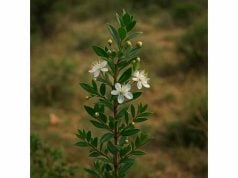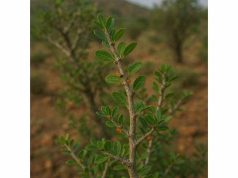
Muira puama, usually identified as Ptychopetalum olacoides, is a traditional Amazonian herb best known as a “nerve tonic” and vitality plant. It has long been used in Brazil for fatigue, low libido, stress-related weakness, age-related cognitive decline, and general loss of vigor. That reputation has made it popular in modern supplements marketed for sexual health, mental performance, and resilience. Yet muira puama is one of those botanicals where tradition is broader than proof, and where the most interesting research is still mostly preclinical.
What gives the herb its appeal is its mix of traditional specificity and intriguing pharmacology. Root and bark extracts contain terpenes, sterols, fatty acids, and other compounds that have shown antioxidant, neuroactive, and possible adaptogen-like effects in laboratory and animal studies. Some early human work suggests benefits for sexual interest and function, but the evidence is limited, older, and not strong enough to support sweeping claims. In practice, muira puama is best understood as a cautiously used traditional tonic with potential benefits for libido, stress response, and cognitive vitality, but with important limits around dosage, expectations, and product quality.
Top Highlights
- Muira puama is traditionally used for low libido, stress-related fatigue, and age-related nervous-system weakness.
- Its strongest modern support comes from preclinical research on memory, mood, and antioxidant protection rather than large human trials.
- A common supplement range is about 300 to 1,500 mg daily of a standardized extract, or 1 to 3 g daily of powdered root, depending on the product.
- Benefits, when they occur, are usually subtle and gradual rather than immediate.
- Avoid during pregnancy, breastfeeding, active psychiatric instability, and when combining multiple stimulatory or sexual-enhancement products without medical guidance.
Table of Contents
- What muira puama is and why it has a reputation as a tonic
- Key ingredients and medicinal properties
- Muira puama health benefits and what the evidence actually shows
- Traditional uses for libido, energy, and cognitive vitality
- Dosage, forms, timing, and how long to use it
- Common mistakes and when muira puama is not the right fit
- Safety, side effects, and who should avoid it
What muira puama is and why it has a reputation as a tonic
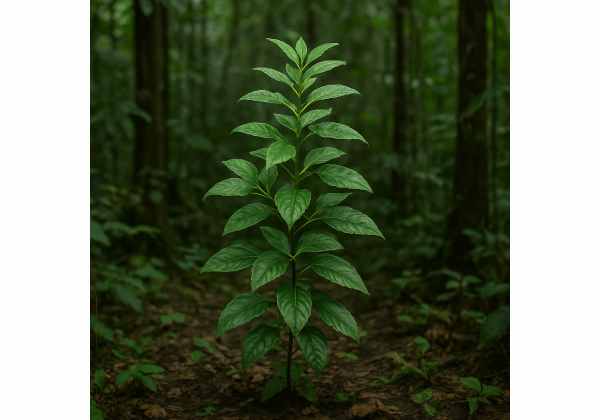
Ptychopetalum olacoides is a small Amazonian tree or shrub native to Brazil and neighboring parts of South America. The medicinal material most often comes from the roots and bark, which are traditionally prepared as decoctions, alcoholic infusions, or powders. In Brazilian practice, the herb is often described as a plant for “nerve weakness,” a phrase that can sound vague today but historically pointed to fatigue, reduced drive, low sexual vigor, forgetfulness, and the loss of physical and mental resilience that can accompany stress or aging.
That old framing still helps more than many modern marketing slogans. Muira puama is not best understood as a pure aphrodisiac, a stimulant, or a nootropic. Its traditional role is closer to a general tonic for depleted vitality, especially when low energy, low mood, reduced libido, and mental dullness cluster together. That is why it often shows up in discussions of sexual function, memory, and stress adaptation at the same time.
The popular English name “potency wood” has contributed to the herb’s modern image, but it can be misleading. It narrows attention to sexual performance and invites inflated expectations. Traditional use is wider than that. Amazonian communities have also used muira puama for neuromuscular weakness, digestive complaints, age-related decline, and general exhaustion. Modern supplement culture tends to compress all of that into one promise: better sex and better energy. That is too simple.
Another practical issue is botanical identity. Muira puama products may vary in species, plant part, and extraction method. Even when a label says Ptychopetalum olacoides, it may not tell you whether the product contains a whole-root powder, a bark extract, or a concentrated ethanol extract. Those distinctions matter because they affect potency, safety, and the kinds of benefits a person might reasonably expect.
The most useful way to approach muira puama is as a traditional Amazonian tonic herb with a specific profile: it is usually chosen when a person feels depleted rather than merely sleepy, less interested rather than acutely dysfunctional, and less mentally sharp rather than frankly impaired. That is a narrow but meaningful niche. For readers who are mainly comparing broad vitality herbs, maca for libido and energy support sits in a similar conversation, though the two plants come from very different traditions and do not behave in exactly the same way.
Key ingredients and medicinal properties
Muira puama’s medicinal profile comes from a chemically mixed plant rather than one famous single constituent. That makes it interesting, but it also makes it harder to reduce to a simple mechanism. Root and bark extracts contain a range of compounds that may work together rather than one dominant marker that explains everything.
Researchers have described several notable constituent groups in muira puama, including:
- Fatty acids and long-chain hydrocarbons
- Plant sterols such as beta-sitosterol
- Triterpenes
- Sesquiterpenes
- Volatile oil components in some preparations
- Diterpenoid compounds, including clerodane-type diterpenes in some extracts
This broad chemistry helps explain why the herb is discussed in relation to both nervous-system and sexual-function support. Certain constituents may influence neurotransmission, oxidative stress, vascular tone, or inflammatory signaling. Others may contribute more indirectly by supporting resilience under stress. Still, the herb should not be described as if its mechanism has been fully mapped. Much of the mechanistic work remains experimental.
Traditional medicinal properties often assigned to muira puama include:
- Tonic
- Adaptogen-like
- Aphrodisiac
- Nervine
- Mild stimulant
- Neuroprotective in experimental settings
The phrase “adaptogen-like” is useful but should be handled carefully. Some animal studies suggest muira puama can reduce behavioral and biochemical effects of chronic stress. That supports the idea that it may improve stress resilience. But it is not formally established in the same way as better-studied adaptogenic herbs. It is better to say that muira puama shows adaptogen-like features in preclinical models rather than to present it as a settled adaptogen.
Its traditional nervine reputation is also distinctive. Muira puama is not usually described as a deeply calming herb, and it is not a typical sedative. Instead, it is more often portrayed as a restoring herb for nervous exhaustion, reduced motivation, and age-related decline in responsiveness. That distinction matters because people sometimes take it expecting immediate stimulation like caffeine or deep calm like valerian and then feel disappointed.
A useful comparison is ginseng as a classic resilience and vitality herb. Ginseng has a more developed clinical literature and a more standardized modern identity. Muira puama belongs to the same broad family of “performance and resilience” botanicals in the public imagination, but its evidence base is thinner and its pharmacology less fully characterized.
The most accurate summary is that muira puama contains multiple bioactive compounds with plausible effects on oxidative stress, mood, memory, and sexual vitality, but the herb remains better supported by traditional use and preclinical research than by robust human trials.
Muira puama health benefits and what the evidence actually shows
Muira puama is usually marketed for three main outcomes: libido, cognition, and energy. Each of those claims has some basis, but not all of them stand on equal evidence. The herb becomes much clearer once you separate traditional use, animal research, and human data.
The strongest popular association is sexual health. Muira puama has long been used as an aphrodisiac and sexual tonic, especially in men, but also in women. A frequently cited human study looked at a muira puama and Ginkgo biloba combination in women with low sexual desire and reported improvements in multiple aspects of sexual function. That finding is interesting, but it has limits. It involved a combination product, it is relatively old, and it does not prove that muira puama alone produces the same results. Other sexual-health supplement studies include muira puama among multiple ingredients, which makes attribution even harder.
The second benefit area is cognition and memory. This is where animal research is more compelling. Experimental studies have shown that muira puama ethanol extract may improve memory retrieval, reduce acetylcholinesterase activity in memory-relevant brain regions, and protect against oxidative stress in the brain. Those are meaningful signals, especially for a plant traditionally used in age-related nervous weakness. But they are still preclinical. They suggest potential, not confirmed human cognitive improvement.
The third area is stress resilience and mood. Animal work suggests that muira puama may counter some effects of chronic stress and may show antidepressant-like activity in laboratory models. Again, these results line up nicely with traditional use, but they should not be translated into treatment claims for depression or anxiety disorders.
A realistic evidence-based summary looks like this:
- Most plausible traditional use: reduced libido, fatigue, and nervous exhaustion
- Strongest preclinical support: memory, antioxidant protection, and stress modulation
- Most limited direct human support: sexual function, especially because much of the human work uses combination formulas
- Weakest justified claim: guaranteed “testosterone boosting” or instant performance enhancement
This matters because many buyers are drawn to muira puama for performance promises that sound stronger than the data. The herb may help some people feel more responsive, more resilient, or less depleted over time. That is very different from promising dramatic effects.
For readers comparing it with herbs more clearly associated with desire and arousal, damiana for traditional libido support occupies a nearby herbal category. Muira puama tends to make more sense when low libido is tied to fatigue, nervous depletion, or age-related decline rather than when someone is simply seeking a stimulant effect.
The best practical conclusion is that muira puama is promising but not proven. It may be worth a cautious trial in the right context, but it should not be presented as a validated solution for erectile dysfunction, low testosterone, or cognitive decline.
Traditional uses for libido, energy, and cognitive vitality
Muira puama is most useful when it is matched to the pattern it has historically been used for. That pattern is not simply “low sex drive” and not simply “fatigue.” It is closer to a combined state of depleted vitality in which the person feels less energetic, less mentally responsive, and less sexually interested than usual.
The first traditional use is as a sexual tonic. In practice, that often means it was taken over time rather than as a one-time enhancer. Traditional use suggests the herb is better suited to rebuilding responsiveness and confidence than to creating an immediate, dramatic effect. That helps explain why it is often paired with other tonics rather than used alone in older formulas.
The second traditional use is for nervous weakness. This category overlaps with modern ideas of burnout, low motivation, and age-related slowing, though it should not be treated as a medical diagnosis. It points to people who feel mentally flat, physically less resilient, and less able to recover from strain. Muira puama’s reputation as a “nerve tonic” makes more sense in this context than in purely sexual terms.
The third traditional use is for age-related decline in vigor. Some Amazonian uses specifically connect the herb to later life, when memory, drive, and sexual interest may all begin to soften. Modern supplement language often isolates one of these outcomes, but traditional use tends to treat them together.
Practical contemporary uses usually include:
- A daily capsule or extract for general vitality
- A tincture or root preparation taken in divided doses
- Inclusion in multi-herb libido formulas
- Use during periods of prolonged fatigue or mental dullness rather than only around sexual activity
This pattern-based use matters because it shapes expectations. Someone looking for a direct stimulant may find muira puama subtle. Someone looking for a deep calming herb may find it mismatched. The herb tends to fit best when the body feels underpowered rather than overactivated.
A useful way to think about it is that muira puama is not so much a “push” herb as a “restore” herb. That still does not mean everyone will notice it, but it helps explain why traditional use emphasizes consistency over intensity.
For people whose main problem is stress-related depletion rather than purely low libido, rhodiola for stress resilience and mental stamina may be the more familiar comparator. Rhodiola has a different tradition and better modern recognition, but the comparison helps show where muira puama fits: not in the sleep-herb category, not in the caffeine category, but in the broader tonic and recovery category.
Dosage, forms, timing, and how long to use it
Muira puama dosage is harder to standardize than many supplement buyers realize. Products vary widely in plant part, extraction method, concentration, and whether the herb is being sold alone or in a blend. That makes exact dose advice less reliable than broad practical ranges.
For whole-root or bark powder, a common practical range is:
- 1 to 3 g daily, usually divided into 1 or 2 doses
For standardized or concentrated extracts, product labels often fall in this general range:
- 300 to 1,500 mg daily, depending on extract strength
These numbers should be treated as practical ranges, not universal targets. A 300 mg high-ratio extract may be stronger than a much larger amount of plain powder. That is why the form matters more than the raw milligram number.
Traditional use often involves decoctions or alcoholic preparations made from the roots. In modern supplement practice, the most common forms are:
- Capsules
- Powders
- Tinctures
- Liquid extracts
- Combination sexual-health formulas
Timing depends on the goal. For general vitality or cognitive support, morning or early afternoon is usually more logical than bedtime, especially if the herb feels slightly activating. For libido-oriented use, some people take it daily as a background tonic rather than only before sexual activity. That pattern is more consistent with traditional practice.
Duration should be long enough to judge the herb fairly but not so long that vague hopes replace honest evaluation. A 4- to 8-week trial is a sensible starting window for many adults using a single-ingredient product. If there is no meaningful change by then, continuing indefinitely may not make sense.
A few practical dosing principles help:
- Start with the low end of the product’s suggested range.
- Use one clearly labeled product rather than stacking several performance herbs at once.
- Take it earlier in the day if it feels activating.
- Reassess after 4 to 8 weeks rather than assuming longer is always better.
- Stop if side effects appear or if the product creates agitation, insomnia, or headaches.
People often combine muira puama with other libido or energy herbs. That can make outcomes harder to judge and can increase side-effect risk. If your main goal is broad stress support with a calmer profile, ashwagandha for stress and resilience is often simpler to use and easier to evaluate.
The most practical dosage message is this: choose one well-sourced product, start modestly, and judge the herb by gradual changes in vitality, libido, or mental sharpness rather than by any immediate surge in performance.
Common mistakes and when muira puama is not the right fit
Muira puama is easy to misuse because the market around it promises more than the plant can reliably deliver. Most user disappointment comes from one of a few predictable mistakes.
The first mistake is expecting a dramatic, drug-like effect. Muira puama is a tonic herb, not a guaranteed erectile-dysfunction treatment and not a pharmaceutical stimulant. If someone expects an instant change in erection quality, libido, or mental performance, the herb may feel underwhelming even if it offers subtler benefits over time.
The second mistake is using multi-ingredient blends and then assuming muira puama caused the result. Many sexual-health products combine muira puama with ginkgo, ginseng, tribulus, zinc, amino acids, or other botanicals. Even when a study shows benefit from such a formula, it does not establish that muira puama alone deserves the credit.
The third mistake is using it for the wrong pattern. Muira puama fits better with depletion, low drive, and nervous fatigue than with severe anxiety, insomnia, panic, or acute mood instability. If a person is already overstimulated, a tonic herb with mild activating potential may be a poor fit.
The fourth mistake is relying on it when a medical evaluation is more important. Low libido, fatigue, and cognitive dullness can reflect depression, thyroid disorders, anemia, sleep apnea, medication effects, cardiovascular disease, or relationship stress. An herb should not become a way of avoiding those questions.
The fifth mistake is stacking too many performance products. Combining muira puama with multiple libido enhancers, pre-workouts, stimulants, or other “biohacking” supplements can turn a subtle herb into part of an overstimulating and hard-to-interpret regimen.
Muira puama may not be the right choice when:
- Low libido is sudden, severe, or medication-related
- Erectile dysfunction is new or persistent and needs medical assessment
- The person is primarily seeking sleep support or anxiety reduction
- Fatigue is unexplained and substantial
- There is a history of agitation, bipolar-spectrum instability, or sensitivity to activating supplements
For readers comparing libido-oriented herbs, tribulus for performance-oriented sexual formulas is often marketed in the same general category, though it has its own evidence limits and should not be confused with muira puama’s more tonic identity.
The core lesson is simple: muira puama works best when used for gradual restoration of vigor, not when it is treated like a shortcut around diagnosis, product quality, or realistic expectations.
Safety, side effects, and who should avoid it
Muira puama is often presented as safe because it is “natural,” but the safer statement is that it appears reasonably tolerated in typical supplement doses while still lacking the depth of safety data that would justify casual use in everyone. The herb’s long traditional use is meaningful, but it does not replace good modern safety judgment.
Reported or plausible side effects may include:
- Headache
- Restlessness
- Mild insomnia if taken late in the day
- Gastrointestinal discomfort
- Heartburn or dyspepsia in some combination products
- Feeling overstimulated when stacked with other energizing supplements
A key safety issue is not just the herb itself, but the kind of product people buy. Muira puama often appears in formulas for libido or performance that may also contain stimulants, vasodilators, hormones, or undeclared ingredients. In real life, that mixed-product context may be riskier than the herb alone.
Who should avoid muira puama or use it only with professional guidance:
- Pregnant people
- Breastfeeding people
- Children and adolescents
- People with significant psychiatric instability
- Anyone with unexplained palpitations, chest pain, or cardiovascular symptoms
- People already using multiple libido, testosterone, or stimulant products
- Anyone taking complex medication regimens and unsure about interactions
Direct interaction data are limited. That uncertainty should lead to caution, not confidence. Because muira puama may have mild activating or neuroactive effects, extra care makes sense with antidepressants, stimulants, sedatives, sexual-function drugs, and complex mood-treatment regimens.
Another important point is product standardization. The herb has a traditional reputation, but the supplement market is not always reliable. A “muira puama” capsule may differ markedly from another in identity and potency. That is one more reason to keep dosing conservative and expectations realistic.
For users who mainly want gentle stress support without the performance-oriented framing, passionflower for stress and sleep support belongs to a very different and often calmer therapeutic category.
The best safety summary is this: muira puama is not among the highest-risk herbs, but it is also not a plant with strong modern safety characterization across all populations. Use it in moderate amounts, from credible sources, for a defined reason, and not as a substitute for addressing the medical or psychological roots of fatigue, low libido, or cognitive decline.
References
- Laboratory-Scale Preparation and Characterization of Dried Extracts from Brazilian Amazon Roots by Spray Drying 2020.
- A Review of Psychiatric and Neurological Adverse Effects Associated with Herbal Aphrodisiacs 2020 (Review).
- Effects of Herbal vX on libido and sexual activity in premenopausal and postmenopausal women 2000.
- Anti-stress effects of the “tonic” Ptychopetalum olacoides (Marapuama) in mice 2010.
- Antioxidant activities of Ptychopetalum olacoides (“muirapuama”) in mice brain 2007.
Disclaimer
This article is for educational purposes only and is not medical advice, diagnosis, or treatment. Muira puama may interact with medications or combination performance products, and it should not be used as a replacement for medical care in erectile dysfunction, persistent fatigue, mood symptoms, memory decline, or unexplained low libido. Avoid use during pregnancy and breastfeeding, and speak with a qualified healthcare professional before using this herb if you have a heart condition, psychiatric condition, or take prescription medication.
If you found this article useful, please share it on Facebook, X, or your preferred platform so more readers can find balanced, evidence-aware herbal guidance.