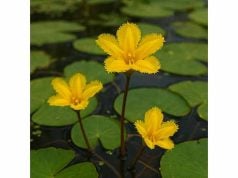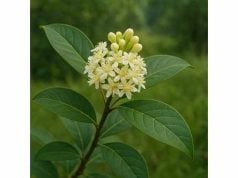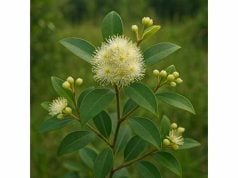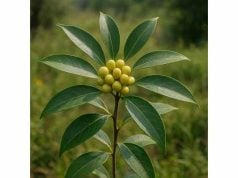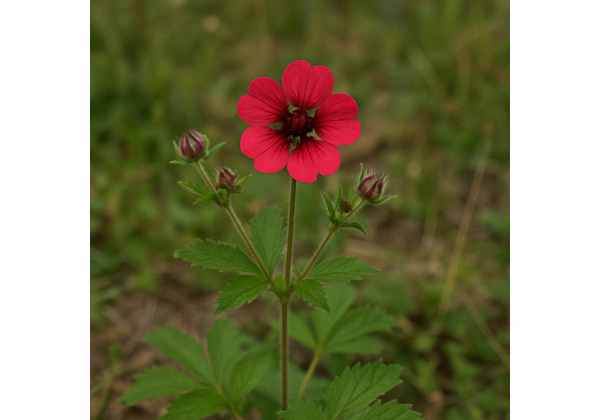
Nepal cinquefoil, or Potentilla nepalensis, is a Himalayan flowering herb in the rose family that is better known in gardens than in mainstream herbal medicine. Yet behind its ornamental appeal lies a plant with a long-standing traditional reputation and a growing research profile. In regional use, it has been associated with astringent, soothing, and skin-supportive applications, while modern laboratory studies point to a rich supply of tannins, flavonoids, phenolic compounds, and other phytochemicals that may help explain its antioxidant and antimicrobial activity.
The important point, however, is balance. Nepal cinquefoil shows promise, but the strongest evidence is still preclinical rather than clinical. That means it may be useful as a traditional herb and a subject of scientific interest, but it should not be treated like a proven therapy for cancer, infection, digestive disease, or inflammation. For most readers, the real value of this herb lies in understanding what it is, what compounds it contains, how it has been used, and where careful use ends and overstatement begins. That is the line this guide will follow.
Essential Insights
- Nepal cinquefoil appears richest in tannins, flavonoids, and other polyphenols linked with antioxidant and astringent effects.
- Its most plausible traditional roles are short-term digestive support and external use for minor skin irritation or cleansing.
- A cautious traditional-style infusion range is about 1 to 2 g dried herb in 200 to 250 mL water, once or twice daily for short-term use.
- It is best avoided during pregnancy, breastfeeding, in young children, and by anyone using it instead of proper medical treatment.
Table of Contents
- What Nepal cinquefoil is and where it fits
- Key ingredients and active plant compounds
- What the research suggests about health benefits
- Traditional uses and practical applications
- Dosage, timing, and preparation considerations
- Common mistakes and quality considerations
- Safety, side effects, and who should avoid it
What Nepal cinquefoil is and where it fits
Nepal cinquefoil is a perennial herb native to the western and central Himalayan region. Botanically, it belongs to the large Potentilla genus within the Rosaceae family. Many readers first meet it as an ornamental plant because of its bright pink to reddish flowers and its ability to thrive in cool, well-drained settings. That garden identity is real, but it is only part of the picture. In parts of the Himalayas and nearby traditional systems, Potentilla species have also been valued as medicinal plants, especially where local plants are used for everyday digestive, skin, and inflammatory complaints.
One of the first things to understand is that Nepal cinquefoil is not one of the best-standardized herbal medicines in modern practice. It does not have the broad clinical recognition of herbs such as chamomile, peppermint, or ginger. Nor is it interchangeable with every other cinquefoil species. Still, it shares a family resemblance with several better-studied Potentilla plants, especially in its likely tannin-rich profile and its traditional use as an astringent herb.
That astringency matters. In herbal medicine, an astringent plant is one that feels drying, tightening, or toning. Herbs in this category are often discussed for:
- loose stools or mild digestive excess
- weepy or irritated skin
- minor mouth or throat rinses
- short-term external cleansing applications
This does not mean Nepal cinquefoil is proven for all of these uses. It means the plant fits a broader herbal pattern that makes these traditional roles understandable.
Another helpful point is that Nepal cinquefoil sits at the meeting place of three different identities:
- An ornamental perennial with horticultural value
- A regional medicinal plant with traditional use
- A research subject with early lab evidence but limited human data
That combination can create confusion. Some articles speak about the plant as if it were an established clinical herb, while others dismiss it because it is widely grown for decoration. The more realistic view is in between. Nepal cinquefoil is a medicinally interesting herb with promising chemistry, but the evidence is still developing.
If you are familiar with other astringent cinquefoils, the most relevant comparison is tormentil’s traditional astringent profile, which helps illustrate how the genus is often approached in herbal practice. The comparison is useful, but it should not erase species differences. Nepal cinquefoil deserves to be understood on its own terms.
In practical language, this herb is best seen as a traditional botanical with moderate promise, not a miracle remedy. It may have a role in cautious, short-term herbal use, but it is not a substitute for a diagnosis, standard treatment, or a well-tested medicinal product. That grounded perspective makes the rest of the conversation much clearer.
Key ingredients and active plant compounds
The medicinal interest in Nepal cinquefoil comes mainly from its secondary plant compounds rather than from vitamins or minerals in the way people think about fruits and vegetables. In simple terms, this is a phytochemical herb more than a nutritional herb. The compounds drawing the most attention include tannins, flavonoids, phenolic acids, triterpenoids, and a range of other plant constituents identified through extract analysis.
Tannins are probably the most important place to start. Across the Potentilla genus, tannins often explain the drying, tightening, and tissue-toning effect that traditional herbalists describe as astringent. These compounds can also contribute to antioxidant and antimicrobial activity in laboratory tests. If Nepal cinquefoil behaves like many related species, tannins likely play a large role in its digestive and topical reputation.
Flavonoids are another major category. These are plant pigments and signaling compounds that frequently show antioxidant, anti-inflammatory, and cell-protective activity in preclinical research. In Nepal cinquefoil, flavonoid content has been measured in both roots and shoots, with solvent and plant part influencing the final profile.
Phenolic acids and related polyphenols add another layer. These compounds often work together rather than alone. That is one reason whole-plant extracts can behave differently from isolated compounds. They may produce overlapping or reinforcing effects in antioxidant, antimicrobial, or enzyme-based testing.
Depending on the extract and plant part, identified or discussed constituents have included:
- total phenolics
- total flavonoids
- tannins and tannin-like polyphenols
- fatty acid derivatives
- terpenoid-related compounds
- marker compounds such as ellagic-acid-related and flavonol-related molecules seen in broader Potentilla work
This is where caution is useful. A long compound list can make an herb sound more proven than it really is. In reality, identifying compounds is only the first step. A plant can contain biologically interesting chemicals without producing reliable therapeutic outcomes in humans. Many herbs remain stuck at the “interesting chemistry” stage for years.
Plant part also matters. In some studies on Nepal cinquefoil, roots and shoots showed different strengths in antioxidant or cytotoxic assays. Solvent matters too. Methanolic extracts, n-hexane extracts, and aqueous or acetone preparations do not behave the same way, and consumers do not normally use herbs in those exact research forms. This is one of the biggest reasons lab findings should not be translated too quickly into consumer advice.
The practical takeaway is that Nepal cinquefoil appears to be a polyphenol-rich herb whose likely bioactivity comes from tannins, flavonoids, and related compounds. That makes it chemically plausible as an astringent and antioxidant botanical. It does not, by itself, prove strong medicinal effects in daily human use.
For readers interested in how tannin-rich, externally useful herbs are often discussed in modern natural care, topical astringents offer a helpful comparison. Nepal cinquefoil is not the same plant, but the comparison helps explain why herbs with tissue-tightening chemistry are often used for skin, mucosal, and short-term digestive support.
In short, the “key ingredients” in Nepal cinquefoil are best understood as functional phytochemicals, not miracle compounds. Their presence is promising, but their clinical meaning remains modest until stronger human evidence appears.
What the research suggests about health benefits
When people search for Nepal cinquefoil’s health benefits, they usually want a clear answer to one question: does it actually work? The most honest answer is that it may have real bioactivity, but the current evidence is still heavily weighted toward laboratory and computational studies rather than human clinical trials.
The first area with meaningful support is antioxidant activity. Extracts of Nepal cinquefoil have shown free-radical-scavenging ability in laboratory assays, especially when polyphenol content is higher. This fits the herb’s chemistry. Tannins and flavonoids often behave this way in vitro, so the finding is plausible and consistent. In real life, however, antioxidant test results do not automatically translate into a measurable human health effect. They support potential, not certainty.
A second area of interest is antimicrobial action. Some Nepal cinquefoil extracts have shown activity against selected microbes in laboratory settings. This helps explain why regional traditions may have used related plants for cleansing, irritation, or certain digestive complaints. Even so, lab antimicrobial activity is not the same as treating an infection in a person. It may support cautious external use or future drug-development research, but it does not justify self-treating serious infections.
A third research theme is anticancer potential. This is the area where the herb is most likely to be overstated. Some studies have shown cytotoxic effects against cancer cell lines, and newer computational work has explored possible interactions between Nepal cinquefoil phytoconstituents and cancer-related molecular targets. That is scientifically interesting, but it is still a long way from proven anticancer treatment. Many plant extracts harm cancer cells in a dish. Far fewer become safe, effective therapies in people.
With that in mind, the most reasonable benefit categories are:
- mild antioxidant support
- possible short-term astringent digestive support
- possible adjunctive topical cleansing or soothing roles
- research-level interest in antimicrobial and anticancer mechanisms
What the evidence does not yet support is equally important:
- no proven human anticancer effect
- no established clinical dose for inflammation, infection, or digestive disease
- no basis for replacing prescribed treatment
- no strong evidence for long-term daily supplementation
There may also be genus-level clues worth noting. Reviews on Potentilla plants more broadly describe anti-inflammatory, antidiarrheal, antimicrobial, and antioxidant properties tied to tannins and polyphenols. These reviews make Nepal cinquefoil’s traditional uses more believable, but they do not remove the need for species-specific evidence.
This is why the best wording for Nepal cinquefoil is “promising” rather than “proven.” It is very likely more than an ornamental plant. It is also not yet a fully validated medicinal herb in the clinical sense.
That distinction matters for readers who want practical value. Nepal cinquefoil may fit into cautious, traditional-style herbal use for short-term goals, especially where astringent action is desired. But anyone claiming it is a verified treatment for cancer, colitis, bacterial infection, or chronic inflammatory disease is going well beyond the evidence.
A useful contrast can be seen with soothing mucilage-rich herbs, which work in a very different way. Nepal cinquefoil tends to fit the drying and toning side of herbal practice rather than the coating and moistening side. Knowing that difference helps set better expectations and more appropriate use.
Traditional uses and practical applications
Traditional use gives Nepal cinquefoil much of its herbal identity. Even when modern clinical evidence is limited, traditional patterns can still be helpful if they are interpreted carefully. In the case of Nepal cinquefoil, the recurring themes are astringency, digestive support, external care, and general use in simple local preparations rather than highly refined products.
In traditional-style practice, herbs with this profile are often prepared as infusions, decoctions, washes, or crude extracts. The goal is usually modest: reduce excess moisture, tone tissues, calm minor irritation, or support recovery from short-lived complaints. That is very different from using an herb for aggressive disease management.
Plausible traditional and practical applications include:
- short-term use for loose stools or mild digestive upset
- cooled infusion as an external wash for minor skin irritation
- mouth rinse style use in very diluted form for temporary oral freshness or tissue tone
- inclusion in regional herbal mixtures rather than as a stand-alone star ingredient
External use is especially understandable because astringent herbs are often preferred where tissue feels irritated, damp, or inflamed. The herb may help provide a clean, tightening sensation. That said, any use on broken skin, significant wounds, infected areas, or persistent rashes should be medically assessed rather than managed casually at home.
For internal use, the main idea is restraint. Nepal cinquefoil is not the kind of herb most people would take for weeks simply as a daily wellness tea. It is better suited to short-term, purposeful use, especially if the person understands that drying herbs can become irritating when overused.
Practical home-style preparations may include:
- A light infusion made from dried aerial parts
- A brief decoction when a stronger extraction is desired
- A cooled strained liquid used externally on intact skin
- A blended formula with softer herbs when the digestive tract is sensitive
The decision to blend it matters. A strongly astringent herb can feel too drying on its own. Traditional herbalism often balances that by pairing it with gentler or more aromatic plants. That kind of formulation logic is more realistic than using the herb in concentrated isolation.
There is also a botanical-quality issue that deserves attention. Because Nepal cinquefoil is often cultivated ornamentally, not every plant sold or grown under that name should be assumed suitable for medicinal use. Garden plants may be treated with chemicals, mislabeled, or selected for flower performance rather than phytochemical consistency. Medicinal use requires correct identification, clean sourcing, and appropriate plant handling.
For people exploring traditional herbal categories, Nepal cinquefoil makes the most sense as:
- a cautious digestive astringent
- a modest external herb
- a plant of interest for short-term support, not routine supplementation
Its applications are real enough to be worth discussing, but they are also easy to exaggerate. The most useful mindset is practical and modest. Think of it as a traditional herb for specific circumstances, not a universal tonic.
If your interest is in digestive herbs that are gentler and more familiar, chamomile for digestion support offers a very different, usually less drying profile. That comparison can help readers decide whether Nepal cinquefoil’s astringent nature is actually what they want.
Dosage, timing, and preparation considerations
Dosage is the section where honesty matters most. Nepal cinquefoil does not have a well-established standardized medicinal dose supported by human clinical trials. That means any suggested amount should be described as cautious, traditional-style, and short-term rather than definitive.
For most adults, a conservative starting approach is:
- 1 to 2 g dried herb in 200 to 250 mL hot water
- steeped for about 10 to 15 minutes
- taken once daily at first, then up to twice daily if well tolerated
- limited to short-term use, such as a few days rather than open-ended daily intake
If using a stronger decoction instead of an infusion, it is wise to stay on the lower end initially. Stronger extraction can pull more tannins and make the preparation harsher on the stomach or mouth.
For external use, a practical approach is:
- 2 to 4 g dried herb in 250 mL water
- simmered or steeped, then cooled and strained
- used as a temporary wash or compress on intact skin
Timing depends on the goal. If using it for digestive support, taking it after food is usually more comfortable than on an empty stomach. If the herb feels too drying, bitter, or sharp, that is a sign to reduce strength rather than increase it.
Preparation tips that improve safety and usefulness include:
- Use correctly identified dried herb from a clean source.
- Start with a weak infusion before trying anything stronger.
- Avoid combining it with multiple other tannin-rich herbs at the same time.
- Keep it separate from iron supplements or important oral medicines by a few hours.
- Stop if the preparation causes nausea, constipation, throat dryness, or stomach discomfort.
The issue of duration is just as important as the amount. Nepal cinquefoil makes more sense as an occasional herb than as a daily long-term tonic. Drying, astringent plants can be useful when there is excess, but less suitable when tissues are already dry or irritated. Prolonged use may also increase the chance of digestive discomfort or reduced absorption of some nutrients and medications.
People sometimes ask whether fresh herb is better than dried herb. For medicinal use, dried herb is usually more practical because it allows more stable measuring and cleaner preparation. Fresh plant material varies more in water content and strength, and ornamental garden plants are often not the safest source for internal use.
Powders, tinctures, and concentrated extracts are harder to dose responsibly because there is no standard widely accepted benchmark for Nepal cinquefoil. Unless a trained practitioner is guiding the choice, traditional infusion-style use is usually the safest and most transparent approach.
The bottom line is simple: use low amounts, start slowly, keep the duration short, and do not mistake a traditional range for a clinically proven dose. That is the safest and most realistic way to work with a herb like Nepal cinquefoil.
Common mistakes and quality considerations
Many of the problems people run into with Nepal cinquefoil have less to do with the plant itself and more to do with sourcing, expectations, and context. Because the herb is not widely standardized, the risk of misunderstanding is higher than with better-known medicinal plants.
The first common mistake is assuming that ornamental availability equals medicinal suitability. A plant growing in a home border may be correctly named, but it may also be a cultivar, a hybrid, or a chemically treated specimen not intended for ingestion. This is a major issue with herbs that cross between garden use and herbal use. Correct identification is not optional.
The second mistake is turning preclinical findings into treatment claims. Nepal cinquefoil has shown antioxidant, antimicrobial, cytotoxic, and target-based promise in laboratory research. That is encouraging, but it is still early-stage evidence. A cell-line result is not a prescription. A docking model is not a clinical outcome. Readers need to resist the urge to leap from “biologically interesting” to “medically proven.”
The third mistake is overusing tannin-rich preparations. A strongly astringent infusion may seem more powerful, but stronger is not always better. Too much can lead to:
- stomach tightness
- nausea
- constipation
- dry mouth or throat
- reduced enjoyment and poor adherence
Quality also depends on the plant part and processing method. Different studies have found different activity patterns in roots, shoots, and differently extracted fractions. That means one Nepal cinquefoil product may not resemble another in any reliable way. Without standardization, consistency becomes a real challenge.
Practical quality checks include:
- verify the botanical name as Potentilla nepalensis
- prefer reputable herbal suppliers over untreated-looking but uncertain garden material
- avoid material with mold, unusual odor, or unclear harvest conditions
- choose simple dried herb over flashy “miracle extract” marketing
- be skeptical of products making anticancer or antibiotic-style claims
Another mistake is using Nepal cinquefoil when a different herb would fit better. If the person is dry, reflux-prone, or already irritated, an astringent herb may worsen the experience. In those cases, a demulcent or gentler digestive herb may be the better fit. Matching the herb to the pattern matters more than chasing novelty.
Finally, some people assume that “natural” means no need for timing or separation from medicines. That is not wise. Tannin-rich herbs can bind or interfere with the absorption of certain oral compounds. Keeping the herb a few hours away from medications, minerals, and sensitive supplements is a sensible precaution.
This is one of those plants where thoughtful use matters more than enthusiasm. Nepal cinquefoil may be a valid traditional herb, but it rewards precision. Good identification, modest dosing, short-term use, and realistic expectations do more for safety and benefit than any dramatic claim ever could.
Safety, side effects, and who should avoid it
Nepal cinquefoil appears to be a plant of relatively low traditional toxicity when used cautiously, but that is not the same as saying it is risk-free. The safety data specific to this species are still limited, and much of what we can infer comes from traditional use, phytochemistry, and broader Potentilla research rather than large human trials.
The most likely side effects are related to its astringent, tannin-rich nature. In practice, that means some users may experience:
- stomach discomfort
- nausea if taken too strong or on an empty stomach
- constipation or digestive tightness
- dry mouth or throat
- local irritation if a strong preparation is applied to sensitive skin
Allergic reactions are possible with almost any plant, though they do not appear to be a defining issue here. Still, anyone with known sensitivity to Rosaceae plants should start carefully, especially with external application.
The next safety point is interaction potential. Tannins may reduce the absorption of some oral medicines, minerals, and supplements when taken at the same time. This is especially relevant for:
- iron supplements
- certain alkaloid-containing medicines
- some prescription drugs where steady absorption matters
That is why spacing matters. Leaving a gap of two to three hours between Nepal cinquefoil and important oral medications is a cautious and sensible step.
Who should avoid unsupervised use?
- pregnant women
- breastfeeding women
- young children
- people with chronic constipation
- people with active stomach irritation or ulcer symptoms
- people with complex medication regimens
- anyone using it in place of medical care for persistent symptoms
There is also an evidence-related safety issue that often goes unmentioned: false confidence. The herb’s laboratory anticancer findings can sound dramatic, but using Nepal cinquefoil as a cancer self-treatment would be unsafe and inappropriate. The same applies to suspected bacterial infections, inflammatory bowel disease, or chronic skin conditions that need proper diagnosis.
For external use, basic precautions are enough for most people:
- Use only on intact or minimally irritated skin unless a clinician advises otherwise.
- Avoid eyes, deep wounds, and large raw areas.
- Patch test first if your skin is reactive.
- Discontinue if burning, rash, or worsening redness occurs.
For internal use, the safest pattern is short-term, low-dose, and purpose-driven. If symptoms persist beyond a few days, the answer is not to increase the dose indefinitely. The answer is to reassess the cause.
In practical terms, Nepal cinquefoil is probably safest when treated as a modest traditional herb rather than a concentrated supplement. Small, well-prepared infusions are easier to control than potent extracts with unclear standardization. That difference alone may reduce many avoidable problems.
Used thoughtfully, Nepal cinquefoil may have a place in traditional-style herbal practice. Used casually, repeatedly, or as a substitute for real care, it becomes much less appealing. The safety message is simple: start low, keep the purpose narrow, and avoid self-prescribing it for serious disease.
References
- Phytochemical Analysis, In Vitro Biological Activities, and Computer-Aided Analysis of Potentilla nepalensis Hook Compounds as Potential Melanoma Inhibitors Based on Molecular Docking, MD Simulations, and ADMET 2023
- Exploring Potentilla nepalensis Phytoconstituents: Integrated Strategies of Network Pharmacology, Molecular Docking, Dynamic Simulations, and MMGBSA Analysis for Cancer Therapeutic Targets Discovery 2024
- Phytochemical Profiling of Extracts from Rare Potentilla Species and Evaluation of Their Anticancer Potential 2023
- Recent phytochemical and pharmacological advances in the genus Potentilla L. sensu lato – An update covering the period from 2009 to 2020 2021 (Review)
- Potentilla–a review of its phytochemical and pharmacological profile 2009 (Review)
Disclaimer
This article is for educational purposes only and does not replace medical advice, diagnosis, or treatment. Nepal cinquefoil is a traditional herb with promising laboratory findings, but there is not enough high-quality human evidence to treat it as a proven therapy for cancer, infection, digestive disease, or chronic inflammation. Dosage practices are not standardized, and individual tolerance can vary. Speak with a qualified healthcare professional before using this herb if you are pregnant, breastfeeding, taking prescription medication, managing a chronic condition, or considering internal use beyond short-term traditional preparations.
If this article helped you, please share it on Facebook, X, or another platform you prefer so others can find it.